Oct 19, 2026
Sleeping With Stainless Steel Jewelry: A Complete Guide
Can you sleep with stainless steel jewelry on? Yes for most pieces. What happens overnight, which styles tolerate sleep, and when to take jewelry off.
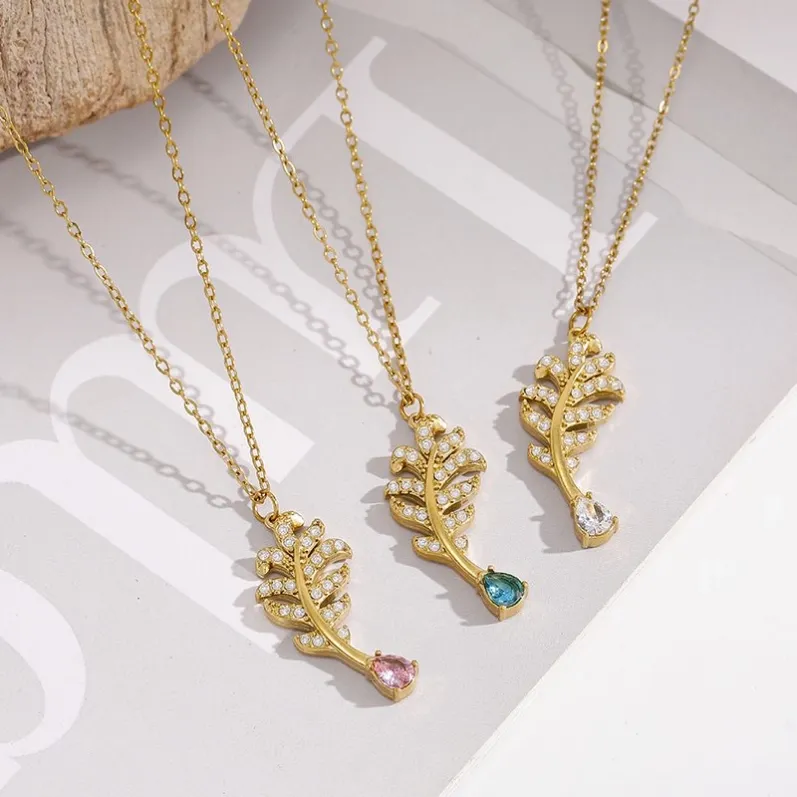
Short answer: yes — for most people and most pieces, sleeping with stainless steel jewelry is completely fine. This metal is hard enough to shrug off pressure from a pillow, stable enough not to react with a night of perspiration, and smooth enough to stay comfortable against skin for eight hours. But "most pieces" is doing some work in that sentence. A plain band and a chunky charm bracelet have very different nights. This guide covers what actually happens to jewelry while you sleep, which styles can stay on, and the one morning habit that keeps sleep-worn pieces fresh.
The Short Answer: Yes, With a Few Caveats
Stainless steel behaves differently from soft metals overnight. It does not bend out of shape when you press your wrist into a mattress, it does not tarnish from sweat, and it does not rub color onto pillowcases the way coated base metals sometimes can. That combination is why so many people simply never take their stainless steel pieces off.
Skin comfort holds up too. A smooth, polished surface stays gentle through a night of warmth and movement, without the rough patches or flaking coating that lower-grade fashion jewelry tends to develop — which is often what people actually feel when a piece "gets uncomfortable" by morning.
The caveats are mechanical, not chemical. Anything with sharp edges, swinging parts, or extra length can snag on bedding, kink, or press into skin while you toss and turn. The metal itself is rarely the problem when you sleep in jewelry — the design of the piece is.
What Actually Happens to Jewelry Overnight
Eight hours of sleep means eight hours of small, repeated contact between your jewelry and the world:
- Pressure. An earlobe presses a stud backing into the skin. A bracelet ends up under your wrist. Fingers often swell slightly overnight, so a snug ring feels tighter by morning.
- Friction on bedding. Chains and bracelets drag across sheets all night. That friction can slowly dull the polish on any metal, and over years it is also the main reason PVD plating gradually thins.
- Tangling and kinking. Fine chains twist around themselves or catch on a pillowcase, which is how kinks and broken clasps happen.
- Dents and dings. Rare. The alloy is hard enough that sheets, pillowcases, and the occasional knock on a headboard leave no mark on a quality piece.
None of this damages a well-made stainless steel piece overnight — it is a slow, cumulative test that this metal handles far better than soft or thinly coated alternatives.
Which Pieces Tolerate Sleep — and Which Do Not
Some designs are practically made for around-the-clock wear; others ask for trouble the moment your head hits the pillow.
Piece type | Sleep suitability | Why |
|---|---|---|
Plain band ring | Excellent | Smooth profile, no edges to snag, hard metal resists dents |
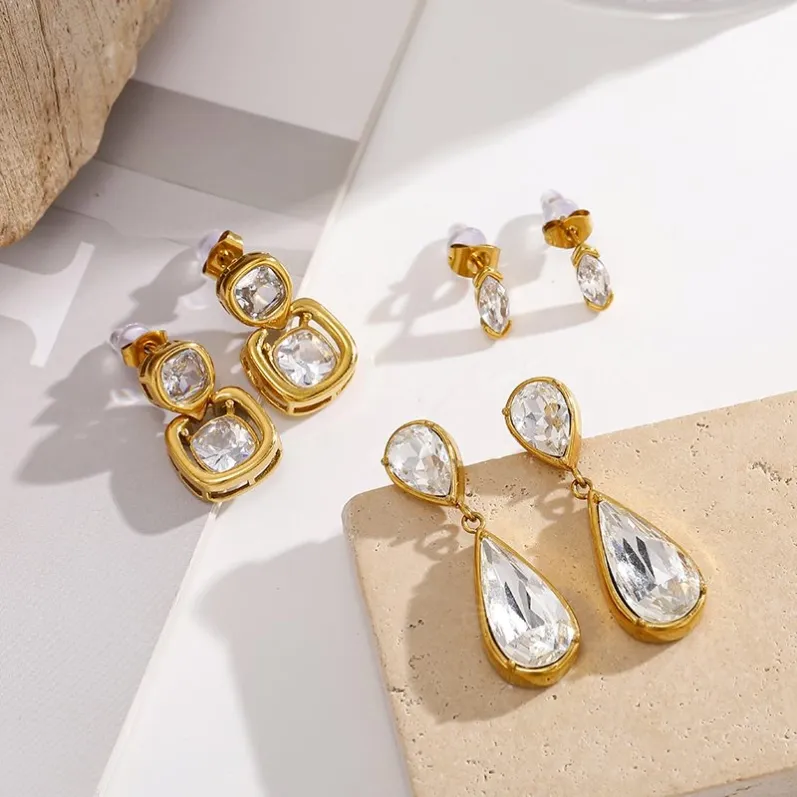
Small stud earrings | Good | Low profile; just watch the backing pressing into the earlobe |
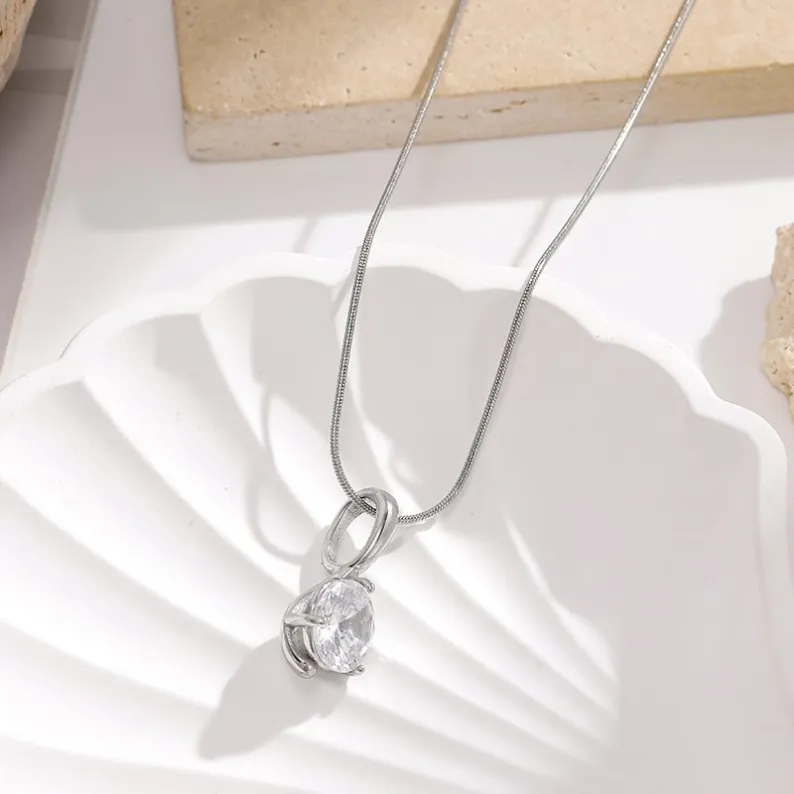
Thin chain necklace | Good | Comfortable, but can kink if you sleep directly on it |
Small huggie earrings | Fair | Snug, yet the clasp can catch on pillowcases and hair |
Large hoop earrings | Poor | Leverage against the earlobe when pressed; they bend and pull |
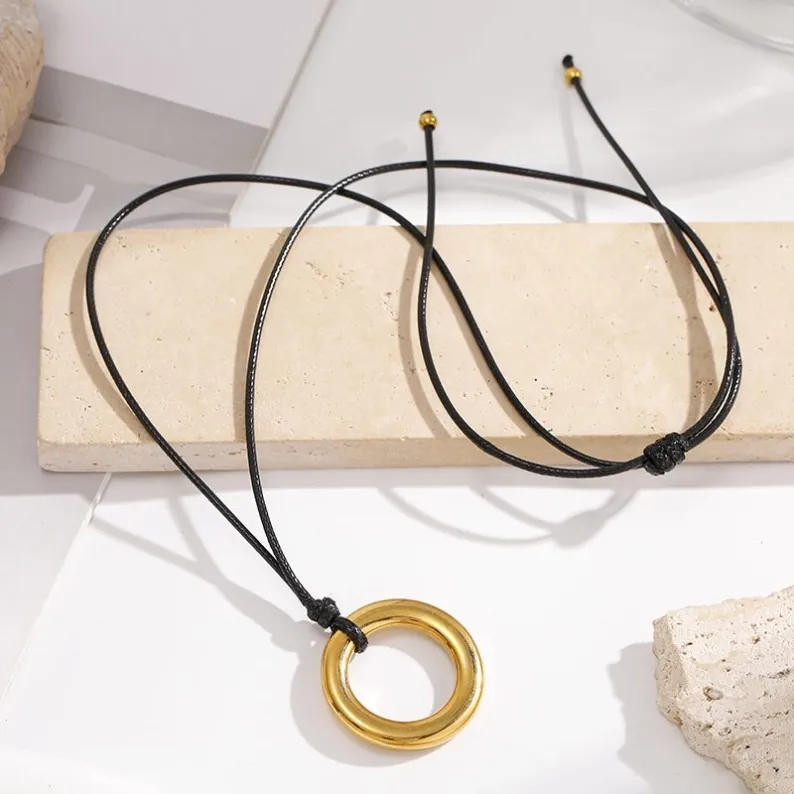
Long pendant necklace | Poor | Pendant twists around the chain; clasp digs into the chest |
Chunky charm bracelet | Poor | Charms catch on bedding and can scratch your own skin |
Plain, low-profile pieces sleep well; anything that dangles, swings, or sticks out belongs in the dish by the bed.
The Hygiene Angle: What Builds Up While You Sleep
Your body keeps working overnight regardless of what you are wearing. Sweat, sebum, and residues from skincare and hair products transfer onto jewelry and sit there in a thin, invisible film. Left to accumulate, that film dulls the finish and can start to smell — and for pierced areas that rest against the same surfaces all night, cleanliness matters even more.
For ear piercings in particular, the overnight film that collects on studs and backings is the most common reason lobes feel sore by midweek — a rinse removes it before it becomes a problem.
The fix takes under a minute: rinse sleep-worn pieces in lukewarm water each morning, pat them dry, and give them a proper clean every couple of weeks. Stainless steel's resistance to water makes this routine effortless — it is one of the few metals you can rinse daily without thinking twice, as we explain in our guide to waterproof jewelry and how long it lasts. When the film has already dulled a piece, the steps in how to clean tarnished stainless steel jewelry bring the shine back.
The strongest case for a morning rinse is not protecting the metal — it is clearing away the layer of sweat and product that builds up on any piece overnight.
When You Should Take It Off
Sleeping in stainless steel is a choice, not an obligation. A few situations argue for the jewelry box:
- Fresh or healing piercings. New piercings need pressure-free nights; follow your piercer's aftercare guidance before sleeping on any earring.
- Heavy statement pieces. Large cuffs, oversized hoops, and bold necklaces are uncomfortable at best and snag-prone at worst.
- Anything that already feels tight. If a ring leaves a deep impression by mid-morning, give your fingers a nightly break.
- Skin that shows red pressure marks. A temporary indentation from a chain or clasp is your cue to remove that piece at night.
When pieces do come off, a few seconds of care preserve them for years — see our guide on how to store jewelry so it stays like new.
The pieces that earn a permanent spot on your body are the ones you never have to think about — if a piece crosses your mind at midnight, it belongs on the nightstand.
Frequently Asked Questions
Can you sleep with stainless steel jewelry every night?
Yes. Stainless steel is hard, stable, and resistant to sweat, so nightly wear does not harm the metal or quickly wear down the finish. The practical limits are design-related: smooth bands and small studs sleep well, while hoops, pendants, and chunky charms are better off in a dish by the bed. A quick morning rinse keeps everything fresh.
Will a necklace chain break if I sleep in it?
Occasionally, yes — and that is true of any metal. Fine chains kink when twisted under a pillow, and repeated kinking stresses the links and clasp. A slightly thicker chain worn loose is far less likely to tangle. If you love sleeping in a necklace, choose a simple chain without a pendant and check the clasp now and then.
Does sleeping in jewelry cause skin irritation?
Trapped moisture and residue are the first suspects. Sweat and product buildup sit against skin all night under any jewelry, and the warmth under a bracelet or chain keeps them there. Clean pieces, clean skin, and a morning rinse solve most complaints. If redness or itching appears with one specific piece, remove it and let the area settle.
Should I take rings off before bed?
Only if the fit is snug. Fingers commonly swell a little overnight, so a tight ring can feel uncomfortable by morning. A well-fitted stainless steel band with a smooth profile is fine to sleep in and will not scratch easily. If you keep waking up with indentation marks, rotate between rings or give your fingers the night off.
How do I stop earrings from hurting when I sleep?
Switch the style before you switch the metal. Small, flat studs or huggies sit close to the lobe and avoid the leverage that makes hoops painful under a pillow. Check that backings are secure but not digging in, and consider removing earrings on the side you sleep on most often.
Wholesale Stainless Steel Jewelry from IVANDA
Looking for a reliable stainless steel jewelry supplier? IVANDA supplies 316L pieces with PVD 18K gold plating - waterproof, skin-friendly and made for everyday wear. MOQ 60 pcs per style, in stock and ready to ship, with OEM/ODM services for custom designs. Message us on WhatsApp or email sales01@ivanda-fa.com for the latest catalog and wholesale prices.