Oct 24, 2026
How to Choose Jewelry to Flatter Your Body Type
How to choose jewelry for body type: necklace lengths, earring shapes and bracelet proportions that flatter your frame — a practical styling guide.
The most flattering jewelry is rarely the trendiest piece — it is the piece whose scale, length and shape match your natural proportions. Once you understand the simple logic behind jewelry for body type, choosing necklaces, earrings, bracelets and rings stops being guesswork and becomes a quick, confident decision.
This guide covers each area — neck, face, wrist and fingers — with the proportion rules stylists actually use. No body needs "fixing"; the goal is balance and deliberate emphasis, on your own terms.
Start With Proportions, Not Trends
Every flattery recommendation comes back to one idea: proportion. A delicate chain can disappear against a long torso, and an oversized cuff can swallow a slim wrist — mismatches of scale, not bad pieces.
The same necklace reads differently on different frames because it interacts with neck length, collarbones, shoulders and neckline. When a piece's scale relates harmoniously to the area it sits on, the whole outfit feels intentional.
Body area | Proportion principle | Styles that tend to flatter |
|---|---|---|
Neck and chest | Chain length should work with the neckline, not against it | 18–20 in chains with crew necks; longer chains with V-necks |
Face | Earring shape can echo or contrast face shape | Drops elongate rounder faces; hoops soften angular ones |
Wrist | Bracelet width matches wrist scale | Slim bangles for smaller wrists; bold cuffs for larger ones |
Fingers | Ring width in proportion to finger length | Narrow bands for shorter fingers; wider bands for longer ones |
Match the scale of the piece to the scale of the body area it touches — that single rule solves most "why does this look off?" moments.
Necklaces: Work With Your Neckline and Torso
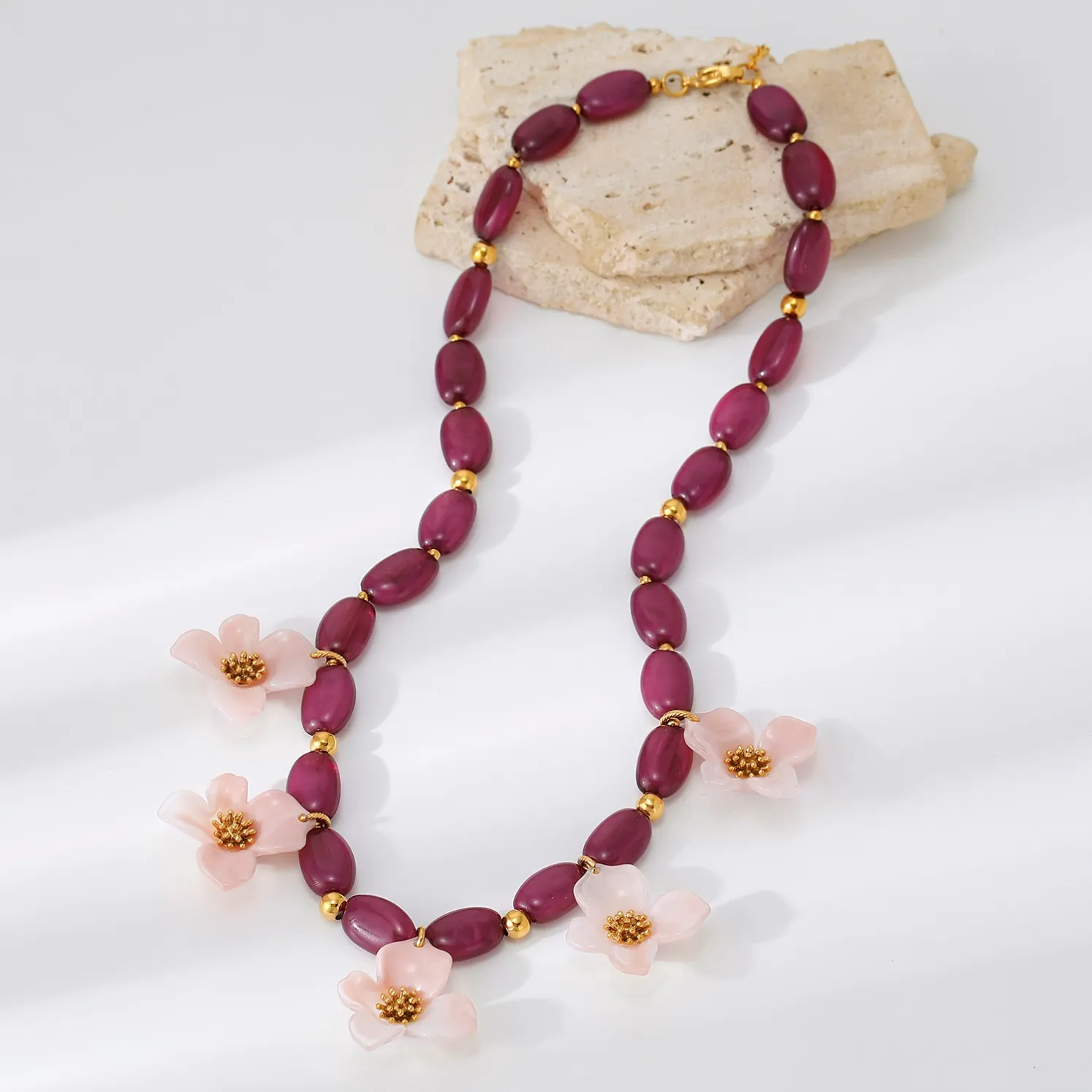
Necklaces are the most visible proportion decision because they draw the eye in a straight line. Two factors matter most: where the chain ends, and what shape that ending creates against your neckline.
- Shorter chains (16–18 in) sit at or just below the collarbone, flattering longer necks and open necklines such as scoop and square cuts.
- Mid-length chains (20–24 in) fall around the sternum — the most flexible zone, where pendants balance longer torsos and mirror the angle of V-necks.
- Long chains (28–30 in) create a strong vertical line that lengthens the torso and works over higher necklines, where shorter chains get lost.
If your torso is shorter, avoid pieces ending exactly at the fullest part of the chest — go clearly shorter or clearly longer. If your neck is shorter, keep chains thinner and leave open space at the throat. For precise sizing, our necklace chain length guide (/posts/necklace-chain-length-guide) breaks down every measurement.
The chain's endpoint decides whether it flatters: place it above or below the widest point of the neckline, never right at it.
Earrings: Frame the Face
Earrings sit at eye level, so their shape is read against the geometry of your face. The classic approach is contrast: angular faces balance with curves, and rounder faces gain definition from longer lines.
- Round faces: linear drops and longer hooks add vertical length.
- Square faces: hoops, circles and teardrops soften a strong jawline.
- Oval faces: nearly everything works, so this is the place to experiment with statement studs and chandeliers.
- Heart-shaped faces: shapes with wider bottoms, like triangular drops, balance a narrower chin.
Weight matters as much as shape. Heavy statement earrings pull on the lobes over a full day, so keep a lighter everyday pair — small hoops or studs — as your default and save the statements for shorter occasions.
Choose earring shapes that do what your face shape does not: curves for angles, length for roundness.
Bracelets: Scale to the Wrist
The wrist is a natural narrow point of the body, which is why even a simple bracelet there reads as polished. Flattery here is mostly about diameter and width, not decoration.
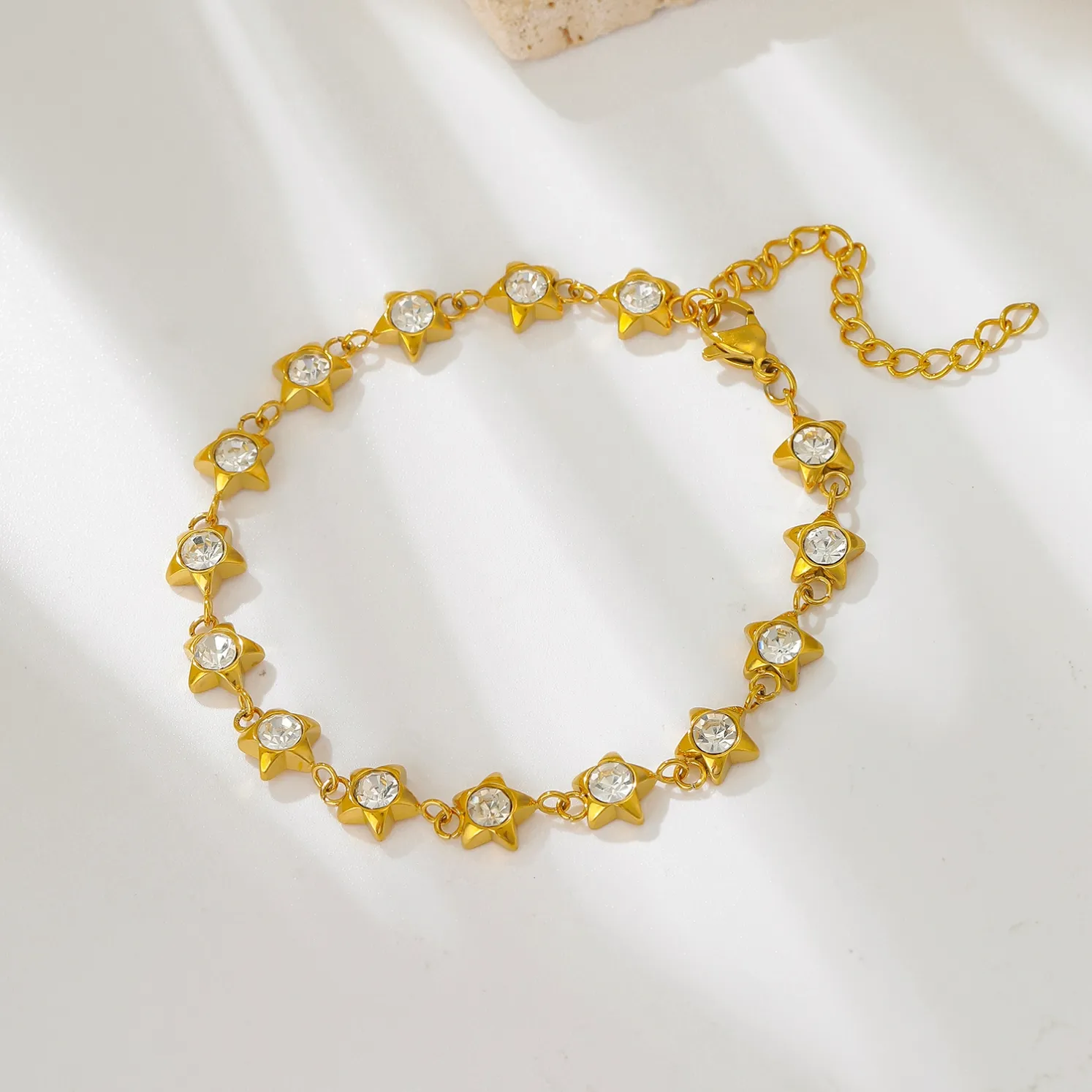
A bracelet that slides halfway up the forearm, or one that squeezes, looks accidental. Measure your wrist and add roughly 1–2 cm for a comfortable drape. Slim wrists carry delicate chains and thin bangles beautifully; larger wrists handle wide cuffs and chunky links. When stacking, keep two to four pieces of mixed widths, with one element consistent — the metal tone — so the stack looks curated.
Fit first, style second: a bracelet that rests comfortably just above the wrist bone always looks more intentional than an ill-fitting one.
Rings: Proportion on the Hand
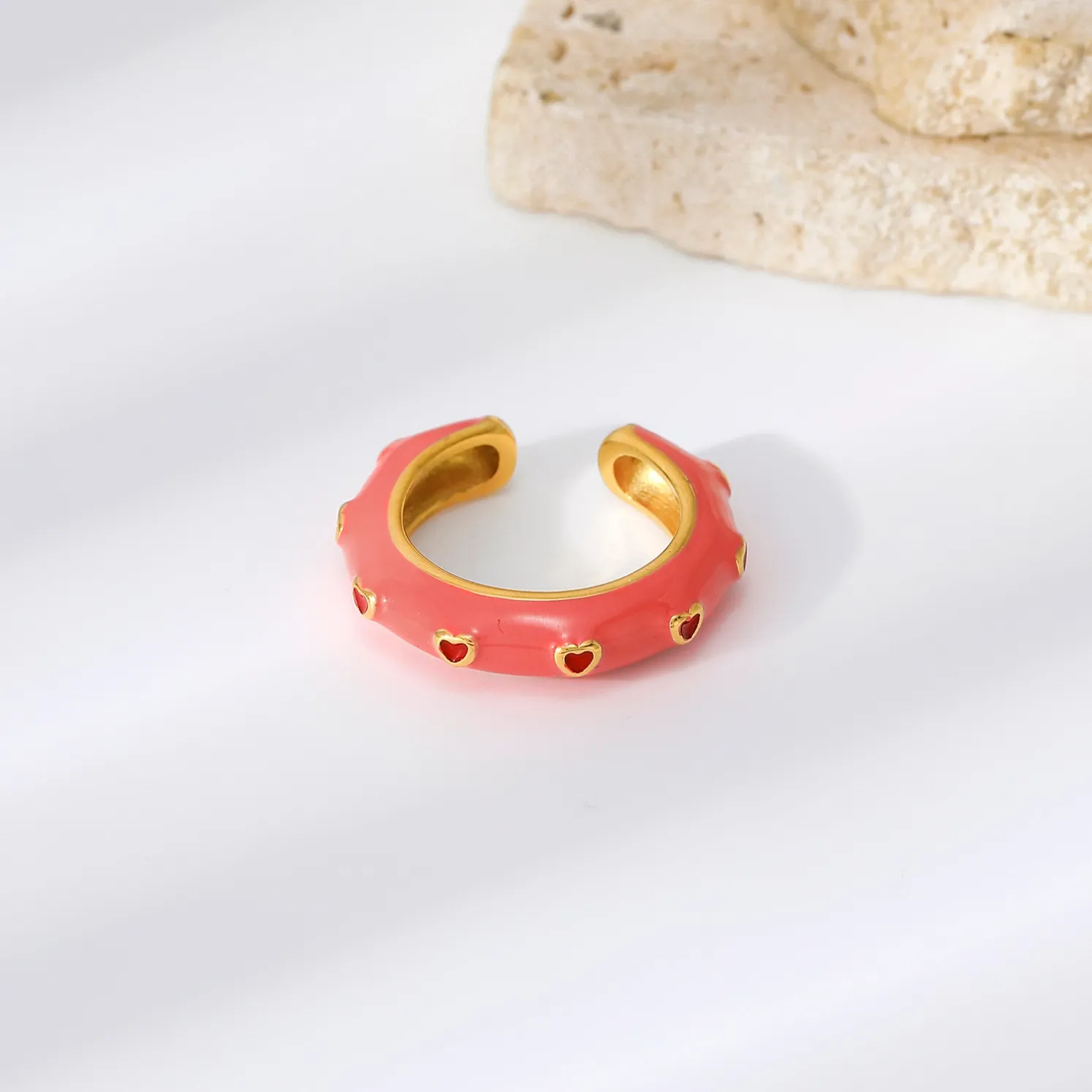
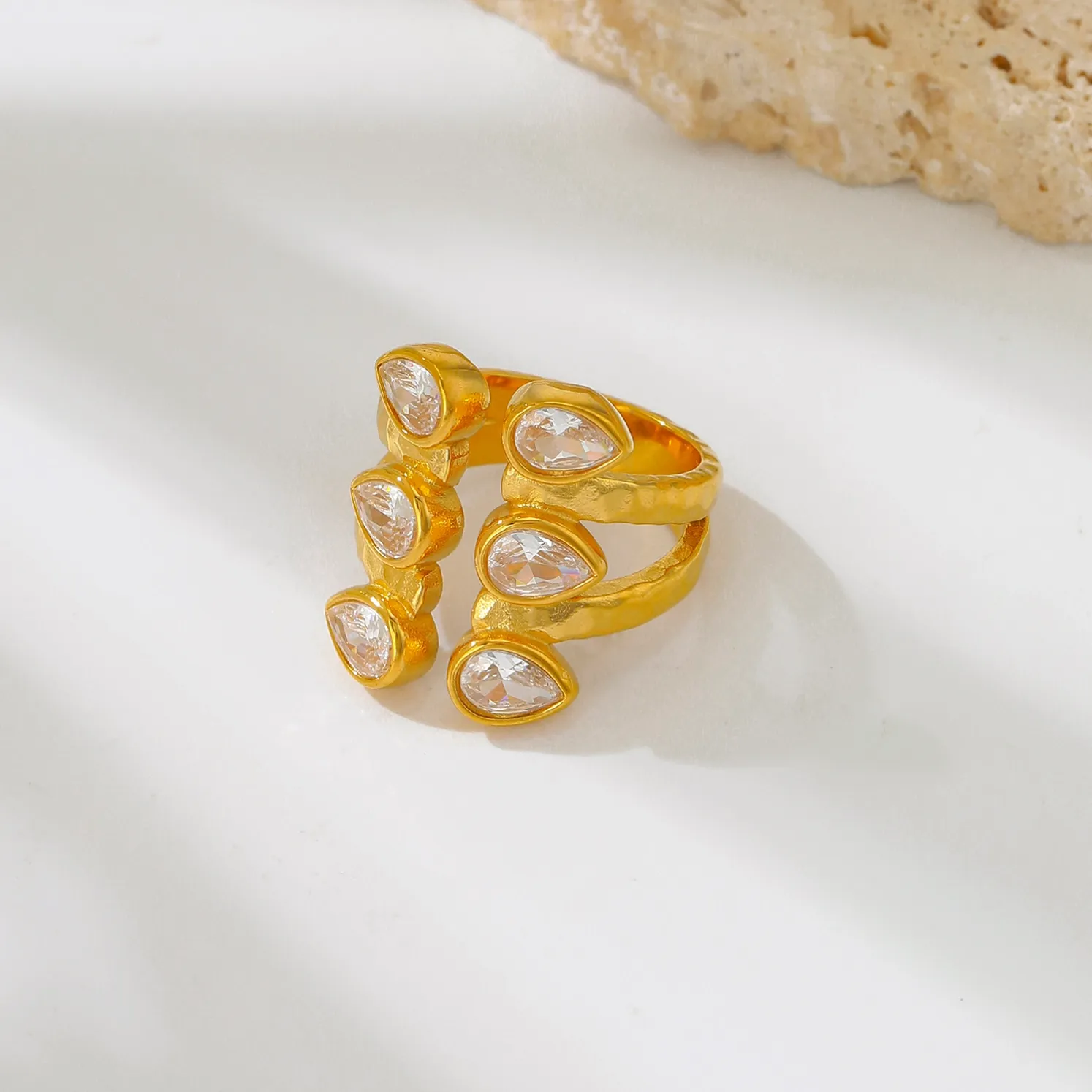
Rings are judged against finger length and knuckle width. Long, slender fingers balance wide bands and bold signet shapes, while shorter fingers are flattered by narrower bands and elongated settings, which keep more of the finger visible.
If you stack rings, vary the widths — one wider anchor ring plus one or two thin bands is an easy formula. Keeping the metal consistent also helps multiple pieces read as one styling choice.
On shorter fingers, narrow bands and vertical settings visually lengthen; on longer fingers, wider bands add balance.
Layering for Balance Across the Body
Once each area works on its own, decide where the emphasis goes. One focal point per outfit — a pendant, bold earrings, or a stacked wrist — keeps the look harmonious.
Layered necklaces are where proportions most often go wrong. Keep chains clearly different in length — at least 5 cm apart — and vary the weights so each layer stays visible. Our guide on how to match jewelry with your outfit (https://www.stainlesstrends.com/posts/how-to-match-jewelry-with-your-outfit-style-guide) covers the color and style side in detail.
Give every look one focal point, and make layered pieces differ in both length and weight.
Why Stainless Steel Fits an Everyday Wardrobe
Proportion rules only matter if you actually wear the pieces, and daily wear is where material choice shows. Stainless steel, especially grade 316L, keeps its finish through showers, workouts and summer humidity — ideal for the everyday chain, the small hoops, the rings you never take off.
Steel's strength also lets you wear finer-looking chains without worrying they will snap, and our guide to waterproof jewelry and how long it lasts (/posts/what-is-waterproof-jewelry-and-does-it-last) explains what to expect from pieces you never remove. If you prefer gold tones, look specifically for PVD 18K gold plated finishes, which bond the color to the surface far more durably than conventional plating.
Choose materials you can wear daily, because flattery comes from repetition — the pieces you wear most become your signature.
Frequently Asked Questions
Quick answers to the questions we hear most about matching jewelry to your frame.
What necklace length works best for a petite frame?
For petite frames, chains in the 16–18 inch range usually sit at the most flattering spot, just below the collarbone. Anything longer can visually lengthen the torso further and may feel heavy on a smaller frame. If you love long pendants, try 26–28 inches so the piece ends clearly below the chest line instead of midway, which keeps the look deliberate rather than crowded.
How do I choose earrings if my face is round?
Look for earrings with vertical lines and visible length: slim drops, linear bars, or elongated hoops. These add contrast to a rounder face shape and draw the eye up and down instead of side to side. Keep the widest part of the earring narrow, and skip very large button studs, which tend to echo the roundness you are balancing.
Can I mix gold-tone and silver-tone jewelry?
Yes, as long as the mix looks deliberate. The easiest approach is to keep one tone dominant — roughly two-thirds of your pieces — and add the other as an accent, placed in the same stack or layer so they clearly belong together. PVD 18K gold plated pieces pair especially well with plain steel because both share a similar smooth surface finish.
How many bracelets should I wear at once?
Two to four pieces is the comfortable range for most wrists. Beyond that, the stack starts to jingle, catch on things, and lose its individual details. Vary the widths so the group has rhythm — one wider cuff or chunky link beside two thin chains works well — and keep the tones consistent so the stack reads as a single styled choice.
Does jewelry really make a body type look different?
It does, in a subtle but real way. Jewelry guides the eye: a long pendant creates a vertical line, bold earrings move attention upward, and a stacked bracelet highlights the wrist. None of this changes your body — it changes where attention lands. That is why the same outfit can read sporty, formal or romantic depending almost entirely on the jewelry.
Wholesale Stainless Steel Jewelry from IVANDA
Looking for a reliable stainless steel jewelry supplier? IVANDA supplies 316L pieces with PVD 18K gold plating - waterproof, skin-friendly and made for everyday wear. MOQ 60 pcs per style, in stock and ready to ship, with OEM/ODM services for custom designs. Message us on WhatsApp or email sales01@ivanda-fa.com for the latest catalog and wholesale prices.