Oct 26, 2026
Daily vs Occasion Jewelry: Build Two Tiers
Build two jewelry tiers: a stainless steel daily set you never take off, and an occasion tier for events — plus how to switch between them.
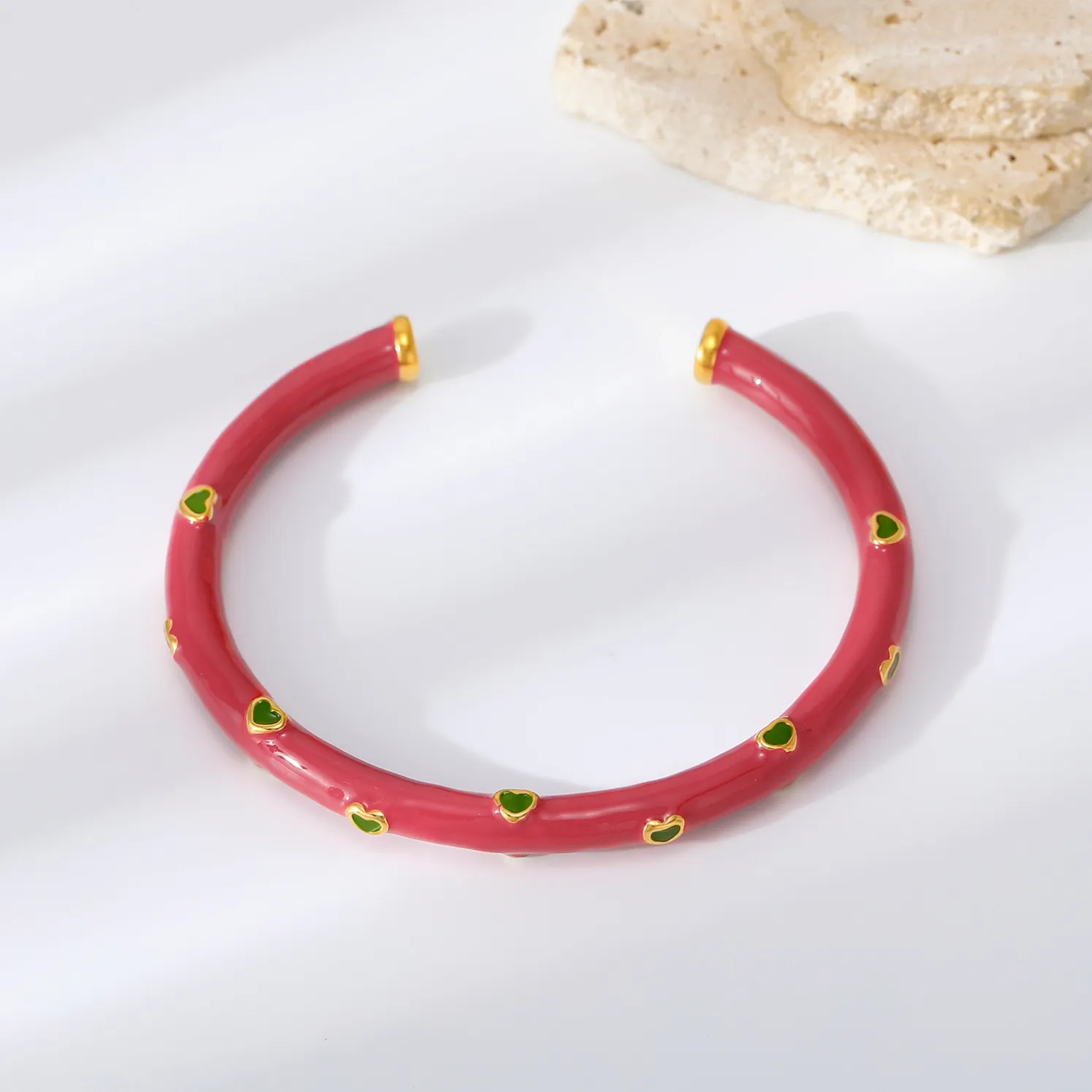
The simplest way to organize any jewelry collection is two tiers: a daily tier of durable pieces you can wear without thinking, and an occasion tier of expressive pieces reserved for events. Most people do the opposite — they buy one big pile of jewelry and spend two minutes every morning deciding what matches. A two-tier system moves those decisions forward, so getting dressed becomes a five-second choice instead of a daily negotiation.
This guide defines both tiers, lists what belongs in each, and shows how to switch between them — the core of the daily vs occasion jewelry question.
Why Two Tiers Beat One Big Pile
Daily jewelry and occasion jewelry fail for opposite reasons: daily pieces fail when they cannot handle water and friction, occasion pieces fail when they demand too much attention — so the same piece rarely does both jobs well.
A daily piece lives through showers, workouts, desk work, sleep and hand sanitizer. That job demands durability, smooth edges and a design quiet enough for every outfit. An occasion piece has an easier life — a few hours at a wedding, dinner or party — but a harder assignment: it must lift the outfit, catch light in a dim room and feel special.
When you try to make one piece do both jobs, you usually end up with jewelry that is too precious to wear daily and too restrained to impress at events. Two tiers solve the problem by letting each piece specialize.
The Daily Tier: What Belongs In It
The rule for the daily tier is simple: if you would hesitate to wear it while washing your hands, it does not belong there.
Daily tier piece | Why it works every day |
|---|---|
Small stud or huggie earrings | Nothing snags on hair, scarves or phone calls |
One slim chain, 40–50 cm | Sits flat under clothing and survives showers |
One signature ring, smooth profile | Low-set edges avoid knocking and scratching |
One thin bracelet or bangle | Slim enough to type, write and sleep in |
Optional: a simple watch | Anchor piece that makes everything look deliberate |
Stainless steel is the natural material for this tier because it does not rust or tarnish under everyday water exposure, which means the "can I shower in this?" question disappears entirely. Our material guide to jewelry that does not tarnish explains which materials earn daily-tier status and why.
The Occasion Tier: What Belongs In It
Occasion pieces should be chosen the way you choose a special-occasion outfit: from your calendar outward, not from a display case inward.
Occasion tier piece | Where it shines |
|---|---|
Statement earrings | Dinners, parties, anything with photos |
Chunky cuff or bold chain | Simple outfits that need a focal point |
Layered necklace sets | Weddings and evening events |
Rings with set stones | Held-hand moments: toasts, greetings, speeches |
Dramatic pendant or drop design | Necklines that invite a centerpiece |
Look at the events actually in your year — weddings, work dinners, holidays, parties — and build toward those. Three to five occasion pieces cover almost every event on a normal calendar. Store this tier separately from the daily tier, in individual pouches, so it stays ready instead of tangled.
Daily vs Occasion Jewelry: Side by Side
The two tiers differ in every dimension except quality — an occasion piece is not a better-made piece, it is a differently purposed one.
Criterion | Daily tier | Occasion tier |
|---|---|---|
Purpose | Reliability and invisibility | Impact and expression |
Quantity | 3–5 pieces, worn on rotation | 3–5 pieces, worn a few times a year |
Design priority | Smooth, light, snag-free | Bold, detailed, light-catching |
Water and friction exposure | Constant: showers, gym, sleep | Occasional: a few hours at a time |
Maintenance | Check monthly for wear | Check before each wear |
Budget logic | Pay for durability | Pay for design |
Building the Daily Tier: A Five-Step Method
Test before you commit: a piece only earns daily-tier status after two weeks of continuous wear, including showers, workouts and sleep.
- Pick your metal tone. Silver-tone steel or PVD 18K gold plated — choose the one that matches your wardrobe's hardware, then stay in that family.
- Choose three to four pieces. One per jewelry position: ears, neck, one hand, one wrist.
- Run the two-week test. Wear the set continuously and note any snagging, noise or discomfort.
- Check the friction points. Ring edges, clasp tabs and bracelet undersides take the most wear.
- Lock it in. Whatever survived two weeks untouched becomes your default set — stop re-deciding every morning.
Building the Occasion Tier Without Overbuying
Start from your calendar: count the formal and semi-formal events in the next twelve months and note their dress codes. Most people need one piece for black-tie-adjacent events, one for dinners and parties, and one wildcard piece that expresses personality. Buy those three deliberately rather than accumulating occasion pieces by impulse, and let each one have a defined job before the next joins.
Switching Between Tiers: The Transition Trick
The fastest day-to-night method is to keep the daily tier on and add exactly one occasion piece — swap studs for drops, or add a cuff — because removing your base set in a restaurant bathroom rarely ends well.
For travel, pack the daily tier in your carry-on and the occasion tier in pouches inside your shoes or rolled clothing, where they cannot crush. If a trip mixes business and celebration, one tier overlap — a piece that works in both — is worth its packing space. For wrist combinations that work at both hours, our bracelet stacking guide shows how slim and bold pieces layer for evening looks.
Making Both Tiers Last: Honest Expectations
Stainless steel handles water and daily friction well, but the occasion tier's biggest enemy is storage damage, while the daily tier's biggest enemy is years of friction — plan for both.
For the daily tier, rotate two or three pieces instead of wearing a single one every day for years; even durable PVD 18K gold plated finishes lighten gradually on high-friction edges after long, constant wear, and rotation spreads that wear across several pieces. For the occasion tier, pouches and separated storage prevent the scratches that happen in a shared box. Check clasps and stone settings occasionally on both — stainless steel jewelry suits everyday wear precisely because its failure points are few, but few is not zero.
Frequently Asked Questions
How many pieces should a daily jewelry tier have?
Three to five pieces is the practical sweet spot: earrings, a necklace, a ring and a bracelet, with one spare of the piece you wear most. Fewer than three and the set feels incomplete; more than five and you start re-making decisions every morning, which defeats the purpose of having a fixed daily tier at all.
Can occasion jewelry be worn every day?
Technically yes, but it usually fails the daily test: bold designs catch on clothing, dramatic earrings tire the ears over ten hours, and intricate details collect grime faster under constant wear. Occasionally, a subdued occasion piece crosses over well — but if you find yourself wearing it daily, it has simply become a daily piece, and your tiers should be rebalanced.
What materials work best for daily wear jewelry?
Stainless steel leads the category because it resists rust and tarnish through showers, workouts and humidity without demanding removal. Pieces finished as PVD 18K gold plated hold their color well under the same conditions. The key criterion is stability under water and friction, since daily jewelry is never really taken off — it is lived in.
How do I transition jewelry from day to evening?
Keep your daily base on and add one statement piece: swap studs for drop earrings, add a chunky cuff, or layer a second necklace. Adding is faster and safer than removing your whole set. If the event is formal, the reverse works too — strip back to a single delicate piece so the formality of the outfit does the talking.
Should both tiers share one metal tone?
Yes, in most cases. When both tiers stay within one metal family — all silver-tone or all PVD 18K gold plated — every piece combines with every other piece, and transitions look planned rather than patched. A single contrasting piece can work as a deliberate accent, but mixing tones across tiers without a system is the most common reason collections feel random.
Wholesale Stainless Steel Jewelry from IVANDA
Looking for a reliable stainless steel jewelry supplier? IVANDA supplies 316L pieces with PVD 18K gold plating - waterproof, skin-friendly and made for everyday wear. MOQ 60 pcs per style, in stock and ready to ship, with OEM/ODM services for custom designs. Message us on WhatsApp or email sales01@ivanda-fa.com for the latest catalog and wholesale prices.