Oct 19, 2026
Earring Back Types Explained: Which Holds Best?
Earring back types compared: butterfly, screw, locking, flat disc, lever back and huggie hinge — security, comfort and which style each suits best.
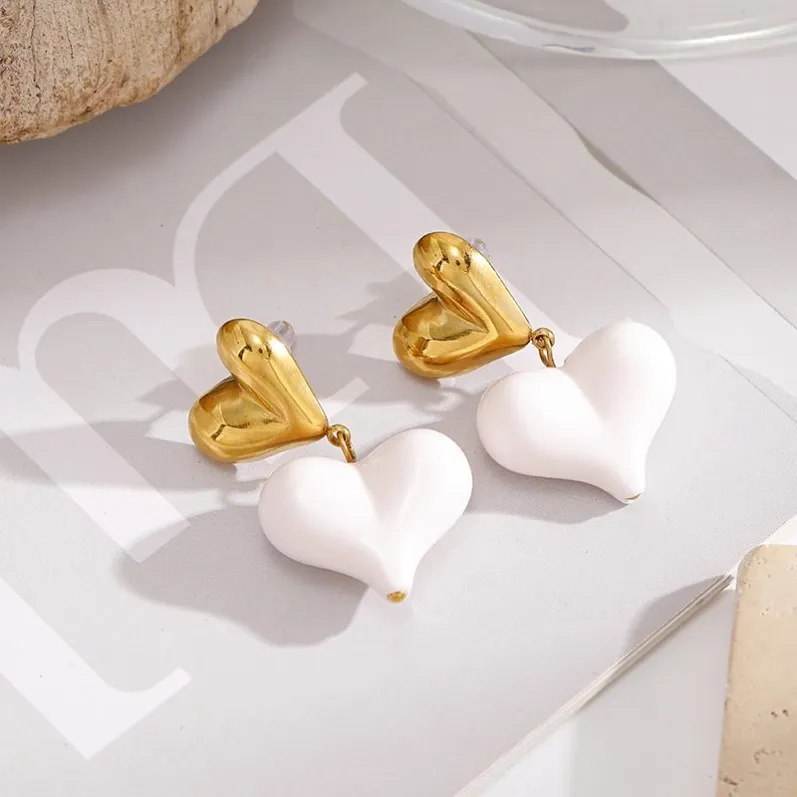
The back is half the earring — a beautiful stud is only as secure as the tiny piece of metal holding it in place. Most people judge the front and treat the back as packaging — that is backwards. Backs decide whether earrings survive hair brushing, scarves and pillows, how a pair feels after ten hours, and whether a lost back means a ten-second fix or a mismatched pair.
Here is a practical comparison of the six main earring back types, why the most common one fails over time, and how to stop losing backs for good.
Why the Back Matters More Than You Think
Earrings lead harder lives than any other jewelry. They sit at hair-brushing and scarf height, get hooked by collars and towels, and are the only jewelry you sleep beside. They are also small enough to vanish completely — down a drain, into a carpet, under a car seat.
The back is half of wearing comfort, too: a heavy or bulky back shifts weight on the lobe, and sleeping on a stud presses it into your skin all night. The right back is the difference between earrings you forget you are wearing and earrings you take off in relief.
A well-made front with a tired back is a lost earring waiting to happen — the fastener deserves the same attention as the design.
The Six Main Earring Back Types Compared
Back type | Security | Comfort | Ease of use | Best suited for |
|---|---|---|---|---|
Butterfly (push back) | Moderate | Good | Very easy | Everyday studs |
Screw back | High | Moderate — can feel tight | Slower | Valuable or daily studs |
Locking / safety back | Very high | Good | Moderate | Precious or sentimental studs |
Flat disc back | High | Very good — flat, sleep-friendly | Easy | Flat-back studs |
Lever back | High | Very good | Easy | Drops and dangles |
Huggie hinge | High | Very good | Easy | Small hinged hoops |
A quick orientation for anyone new to the names: butterfly backs push onto the post and grip it with spring tension; screw backs thread onto a threaded post; locking backs click into a notch; flat disc backs are low-profile discs that sit flush against the lobe; lever backs close a hinged hook behind the lobe; huggies are small hoops that close on a hinge.
There is no single best back — screw and locking designs win on security, flat discs and lever backs win on comfort, and butterfly backs win on convenience, which is why they ship with most studs.
Why Butterfly Backs Get Loose (and the Squeeze-to-Tighten Trick)
The butterfly back is a small feat of inexpensive engineering: two metal wings form a clutch that squeezes the post and clicks into a tiny groove. The grip depends entirely on spring tension, and tension is what daily use destroys. Every on-off cycle flexes the wings slightly flatter until metal fatigue sets in and the clutch no longer bites. The post's groove wears smooth at the same time, which is why even a new back can feel loose on an old post.
The fix takes seconds: gently squeeze the two wings toward each other — clean fingernails for a light adjustment, needle-nose pliers with a careful touch for a tired back. Restoring the pinch restores the click. If a back slides on with no resistance and squeezing does nothing, replace it: backs are inexpensive consumables, not heirlooms.
A loose butterfly back is worn metal, not a doomed earring — squeezing the wings a fraction closer brings back the grip, and a fresh back costs next to nothing.
Screw and Locking Backs for Valuable or Daily Pieces
When a piece genuinely matters — it cost real money, carries sentiment, or never leaves your ears — the back should be the strongest link, not the weakest. Screw backs thread onto the post, so they cannot slide off no matter how the earring is tugged; the tradeoff is slower handling and the need for a properly threaded post. Locking backs use a spring catch that clicks into a notch: nearly as secure, noticeably faster.
The same logic governs necklaces and bracelets, where the clasp decides whether a piece survives daily life — our guide to clasp types and which is most secure covers that parallel.
If losing the earring would genuinely hurt — financially or sentimentally — upgrade the back before you upgrade anything else about the piece.
Lever Backs for Drops and Dangles
Drop and dangle earrings face a problem studs never do: weight that hangs below the lobe and moves. On an open fishhook, that swinging weight works the hook backward and out of the piercing — which is why drops on plain hooks vanish so often. A lever back solves it structurally: the earring hangs from a closed loop behind the lobe, and the hinged lever seals it, leaving no opening for the weight to work through.
There is a comfort bonus: the closed ring distributes weight more evenly than a hook, so heavier drops feel stable rather than pull-forward — making a lever back the sensible default for new drops.
For anything with movement and weight, a closed lever back beats an open hook for one simple reason: it cannot slide out.
The Comfort Angle: Back Weight Pulls While You Sleep
Comfort is usually discussed as a front-of-lobe question, but the back contributes just as much. Whatever sits behind the lobe pulls on it, and a chunky butterfly cluster or heavy decorative back pulls for as long as it is worn. Overnight, sleeping on a bulky-backed stud presses the whole assembly into the skin — which is why people who never remove earrings often wake with sore lobes.
Two fixes. First, take earrings out before bed — the single best habit for both comfort and earring survival, and a sensible exception to any everyday wear routine. Second, if you do keep pieces in around the clock, choose low-profile backs: flat disc backs sit flush, add minimal weight and give hair and pillowcases nothing to catch.
If you sleep in earrings, the back matters more than the front — flat, light backs are kind to lobes, while chunky clusters dig in all night.
Losing Backs: A Spare Strategy
Earring backs are the most frequently lost objects in all of jewelry. They slip off in bed, drop during a quick change at the gym, roll out of fingers over the sink, and vanish into sofa seams. The studs survive; the backs do not.
The solution is to stop treating backs as one-offs and start treating them as consumables with spares. Keep a tiny pouch — a few butterfly backs, one screw back, one locking back — in your travel kit and a second in a bedside drawer. Note which back type your favorite pairs use, since post thickness and threading vary between styles. Give the spares a fixed home alongside your regular storage system — our jewelry storage guide covers the setup — and a lost back becomes a ten-second fix instead of a mismatched pair.
Treat earring backs as consumables, not accessories — a tiny pouch of spares rescues pairs that would otherwise sit half-empty for months.
Frequently Asked Questions
What is the most secure earring back type?
Locking backs and screw backs lead the field. Locking backs click into a notch on the post and take deliberate effort to remove; screw backs thread on and cannot slide off at all. For everyday wear many people prefer locking backs: faster than screw backs, yet still needing an intentional action to release.
Why do my butterfly earring backs keep falling off?
Spring-tension fatigue. The wings that grip the post flex slightly every time the back is removed, and after repeated cycles the metal no longer squeezes tightly enough to click into the post's groove. Gently squeeze the wings toward each other to restore tension, or simply fit a replacement back.
Are screw back earrings annoying to use?
They are slower — you twist the back on and off rather than pushing it — and they require a threaded post. In exchange you get a back that cannot slide off. Most people reserve them for pieces they wear daily and never want to lose.
Can I mix earring backs between different pairs?
Usually yes for butterfly and locking backs, but not always for screw backs, which need a threaded post. Post thickness also varies slightly between manufacturers, so a back that grips one stud firmly may slide loosely on another. Judge a back by the click: no click means no security.
Which earring back is best for sleeping?
Flat disc backs, if you must sleep in earrings at all. They sit flush against the lobe, add minimal weight and offer nothing for bedding to catch on. Butterfly backs press their ridged edges into skin overnight, and any large back amplifies the pull on the lobe during hours of side-sleeping.
Wholesale Stainless Steel Jewelry from IVANDA
Looking for a reliable stainless steel jewelry supplier? IVANDA supplies 316L pieces with PVD 18K gold plating - waterproof, skin-friendly and made for everyday wear. MOQ 60 pcs per style, in stock and ready to ship, with OEM/ODM services for custom designs. Message us on WhatsApp or email sales01@ivanda-fa.com for the latest catalog and wholesale prices.