Oct 19, 2026
How to Choose Earrings for Sensitive Ears: A Guide
Sensitive ears? Learn which earring materials and styles to choose, why backings matter, and a simple care routine for comfortable piercings.
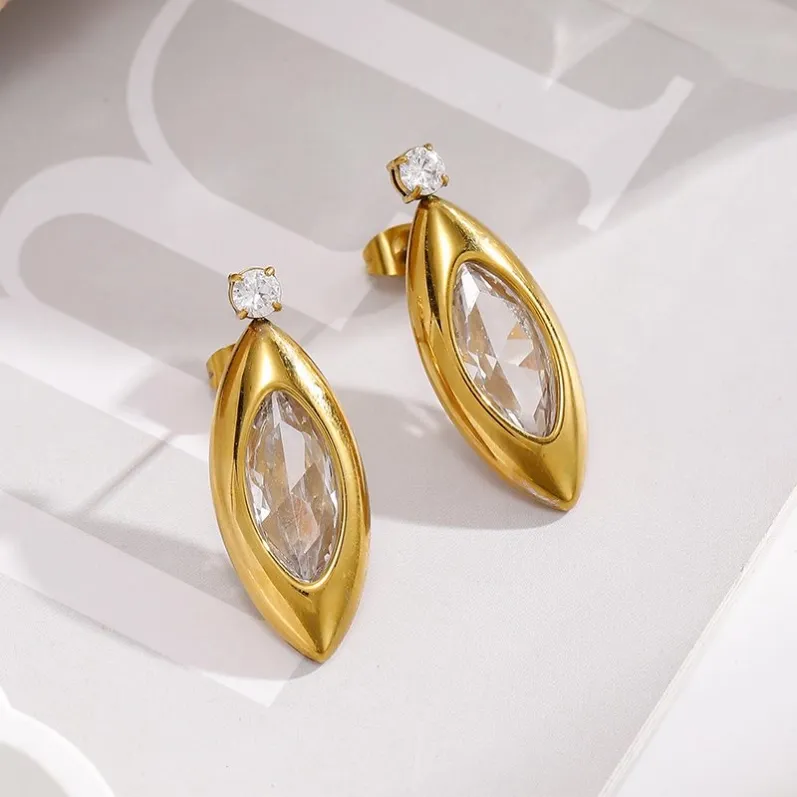
Sensitive ears usually react to two things — friction and prolonged contact with metal surfaces — so choosing earrings well comes down to material grade, smooth finish, smart style choice and clean backings, in roughly that order. If your earlobes itch, redden, or feel sore a day after wearing a new pair, you are not alone: earlobe skin is thin, and a piercing is constant contact by definition. The good news is that choosing earrings for sensitive ears is a learnable skill, not a lottery.
Why Ears React: Thin Skin, Friction and Materials
Earlobes are among the thinnest skin on the body, with very little cushioning between the surface and the piercing channel. That channel is a warm, partly enclosed space where sweat, moisture, and residue from shampoo or skincare collect during the day. Add the friction of a swinging dangle or the downward pull of a heavy drop, and the skin has a lot to cope with.
Materials complete the picture. Alloys differ in how tightly their elements are bound and how much they release onto the skin's surface in contact with sweat. Lower-grade mixes with loosely bound metals release more; high-grade alloys are engineered precisely so that stays minimal.
Most earring discomfort is a combination of friction, trapped moisture and metal quality — which means you can attack it from three sides at once.
What to Look for in Earring Materials
Two terms are worth understanding before your next pair: implant grade and 316L. Both describe high-grade stainless alloys, and both earn their reputation from metallurgy rather than marketing. The phrase implant grade comes from alloys developed for long-term contact with the human body, while 316L is the jewelry industry's premium stainless grade — a low-carbon alloy with strong corrosion resistance.
What makes these alloys behave well against skin is their structure. Chromium, nickel, and the other elements are bound tightly within the alloy itself, and a chromium-rich layer forms naturally on the surface, keeping metal release to the skin very low. Because that tight binding is part of the metal — not a coating that can wear off — it lasts as long as the piece does. Our explainer on what 316L means on jewelry stamps shows you how to spot it on the clasp.
Judge an earring by its alloy, not its display card — tightly bound, high-grade steel is what separates premium studs from impulse-buy pairs.
Earring Styles Ranked for Sensitive Ears
Material is half the decision; the style you hang on it is the other half. Weight and movement drive friction, and friction is what sensitive ears feel first.
Style | Sensitivity-friendliness | Why it ranks where it does |
|---|---|---|
Studs | Best | Light, minimal movement, very little friction at the channel |
Huggies | Very good | Snug to the lobe, no swinging, smooth continuous hoop |
Small hoops | Good | Comfortable, but more movement means more friction |
Dangles | Fair | Weight pulls on the channel and swinging adds friction |
Heavy statement drops | Poor | Constant downward pull; the hardest style on reactive ears |
Weight is the hidden variable in this table. Two pairs can look almost identical on a card and feel completely different by evening — the lighter one spares the lobe hours of rubbing.
The closer and lighter an earring sits to the lobe, the happier sensitive ears tend to be.
Backings Matter More Than You Think
The backing is the part of an earring that touches skin the longest — often all day and all night — and it is the part nobody inspects. A backing with rough edges or a porous, uneven surface traps soap, sweat, and dead skin against the lobe. That trapped residue, more than the front of the earring, is what sensitive ears end up sitting in.
Run a finger over the back of any new pair. The post and backing should feel smooth and glassy, with an even finish from front to back. If the surface feels gritty or the coating looks patchy, the piece will hold residue no matter how carefully you clean. High-grade steel posts and backs pair naturally with high-grade fronts, which is one more reason to buy complete pieces in the same alloy rather than mixing parts.
A beautiful front with a rough backing is still a problem earring — inspect the back as carefully as the face.
A Care Routine for Sensitive Ears
Even the best pair needs a little handling discipline. The routine is short:
- Clean new earrings before the first wear. Mild soap and lukewarm water, then dry — pieces pick up handling and transit dust between the workshop and your jewelry box.
- Wash your hands before handling earrings. Everything on your fingers ends up at the piercing channel.
- Rotate gently. Turn studs a small amount day to day so the skin does not adhere to the post.
- Clean weekly and dry fully. Residue wipes off high-grade steel easily; moisture should never be stored with the piece. Our guide on how to store jewelry so it stays like new covers the storage side.
- Give heavy styles a bedtime. Dangles and drops come out at night, whatever they are made of.
Sensitive ears reward routine — clean before first wear, rotate gently, dry before storing, and most complaints quietly disappear.
An Honest Note for Highly Reactive Skin
If your skin reacts acutely to many materials — not just jewelry — treat every new pair the same way, whatever the metal: test briefly. Wear it for an hour or two, watch how the lobe looks and feels over the next day, then extend wear gradually. And if a piercing stays painful, swollen, or weepy no matter what you put in it, skip the home experiments and ask a professional piercer or a doctor. No material suits everyone, and any honest seller will tell you exactly that.
Even the best alloy deserves a short trial on highly reactive skin — brief tests beat bold promises every time.
Frequently Asked Questions
What earrings are best for sensitive ears?
High-grade alloys in light, close-fitting styles. 316L stainless steel studs and huggies check every box: tightly bound metals, smooth polished surfaces, and minimal weight at the lobe. Whatever material you choose, start with clean earrings, keep them clean, and trial new pairs briefly if your skin tends to react.
Are stainless steel earrings okay for sensitive ears?
High-grade 316L is one of the most widely used alloys for all-day jewelry because its elements are tightly bound within the metal and surface release stays very low. No material is right for absolutely everyone, though — if your skin is highly reactive, wear any new pair for a short first session before making it an everyday piece.
Why do my ears still itch with good earrings?
Look at hygiene and fit before blaming the material. Residue from shampoo and skincare collects behind the lobe, backings hold it against the skin overnight, and oversized styles add friction all day. Clean both the earrings and the piercing area, switch to lighter styles, and see whether the itching settles within a few days.
How do I clean new earrings before wearing them?
Wash them with mild soap and lukewarm water, rinse well, and dry with a clean soft cloth. Do this before the first wear and after every few wears. Skip harsh chemicals and abrasives — they can dull the finish, and steady gentle cleaning is all high-grade stainless steel ever needs.
Should I take earrings out at night?
With healed piercings and small, smooth, high-grade studs, most people sleep comfortably with earrings in. Fresh piercings follow your piercer's advice. Heavy dangles and textured pieces should come out at night regardless of material — they catch on bedding, pull at the lobe, and press into the skin for hours.
Wholesale Stainless Steel Jewelry from IVANDA
Looking for a reliable stainless steel jewelry supplier? IVANDA supplies 316L pieces with PVD 18K gold plating - waterproof, skin-friendly and made for everyday wear. MOQ 60 pcs per style, in stock and ready to ship, with OEM/ODM services for custom designs. Message us on WhatsApp or email sales01@ivanda-fa.com for the latest catalog and wholesale prices.