"What European Jewelry Buyers Ask Before Ordering"
"The questions European jewelry buyers really ask before a first order - materials, plating wear, documentation, MOQ, samples, payments and shipping - and what good supplier answers sound like."
Before a European buyer wires a first deposit, there is always a round of questions - and how a supplier answers them tells the buyer more than any catalog or price list. Experienced buyers are not quizzing for sport. Each question maps to a failure mode they have seen before: plating that fades in months, a shipment stuck in customs, a sample that never matches production. This guide walks through the questions that come up in almost every first-order conversation with a European jewelry brand or retailer, why each one gets asked, and what a professional supplier answer sounds like - so you can judge the answers you receive, or prepare the answers you give.
The First-Round Questions, Decoded
Most first conversations cover the same ground. The table below lists the recurring questions and what is really behind them:
Buyer asks | What they are really checking |
|---|---|
"Which steel grade is this?" | Whether the supplier knows their own supply chain or just resells |
"How does the plating hold up over years?" | Whether they can talk honestly about wear, not just sell |
"Can I see a sample before committing?" | Whether they operate real sampling or pressure-close deals |
"What is the MOQ per style?" | Whether small programs are welcome or tolerated |
"Who pays freight, and from which term?" | Whether they understand Incoterms or will surprise you later |
"How do you handle QC before shipment?" | Whether defects get caught in the factory or in your returns queue |
A supplier who answers these with specifics - grade names, plating processes, written QC steps - is worth a shortlist. A supplier who answers with "top quality, best price" is a marketplace listing in human form.
Material and Plating Questions
The material round goes deeper than "is it stainless steel?". Serious buyers ask which grade, because the grade decides everyday-wear performance: 316L sits at the premium end for jewelry that lives on the skin, while 304 appears in cost-driven lines. The professional answer names the grade per style and per price tier without prompting.
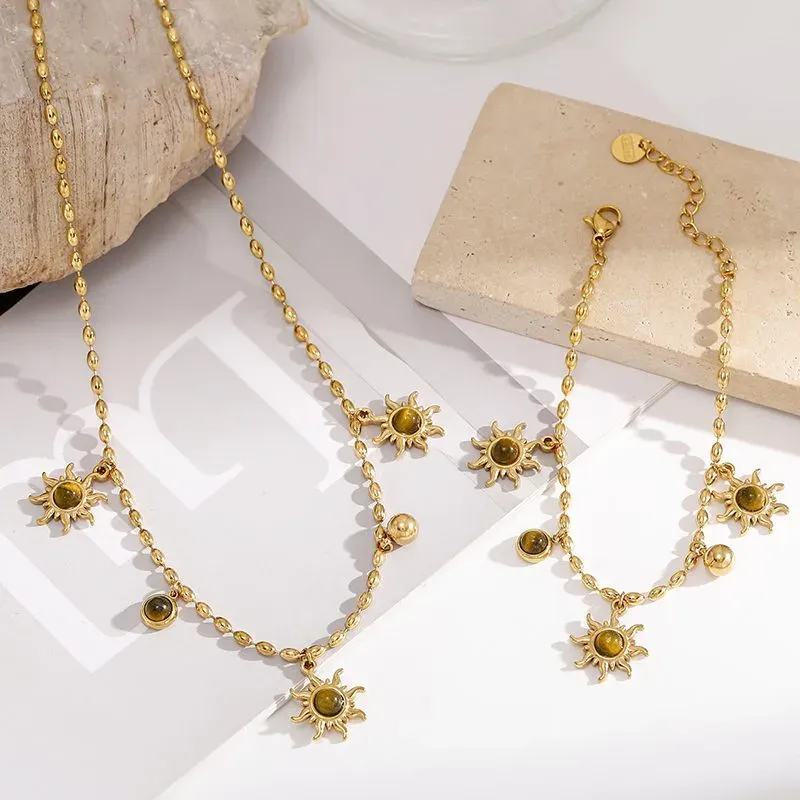
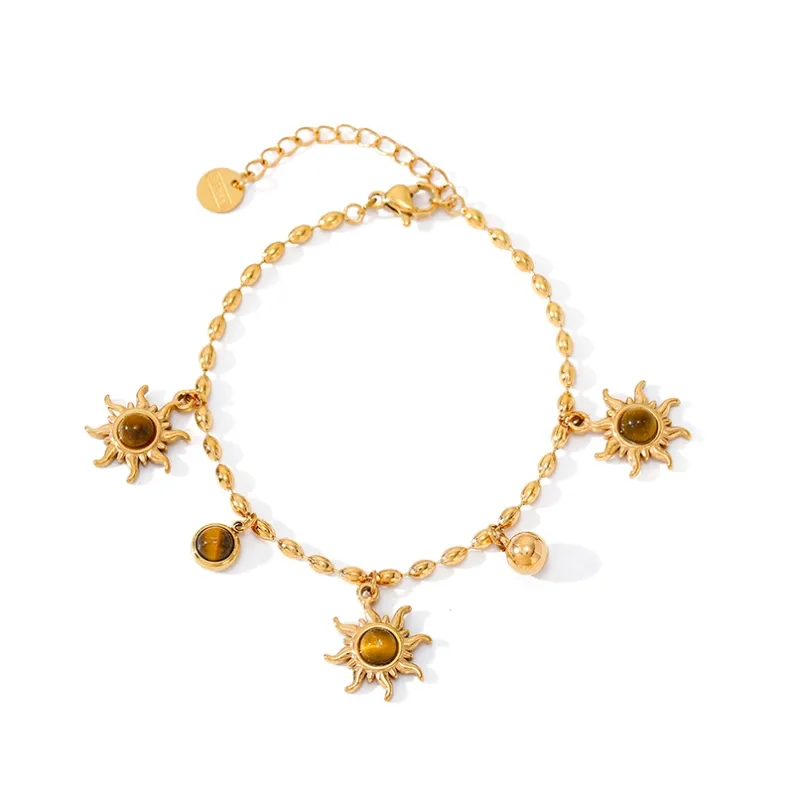
Plating questions focus on longevity. Buyers ask whether gold tones are achieved with PVD 18K gold plated finishing or standard electroplating, because the two age differently - PVD bonds harder and resists daily friction far longer, while electroplated pieces mellow faster with years of wear. The best suppliers volunteer the difference and admit that any plated finish, however good, gradually softens over years of daily wear. That honesty is not weakness; it is the answer buyers trust, because they have all refunded customers for pieces that promised more than they delivered.
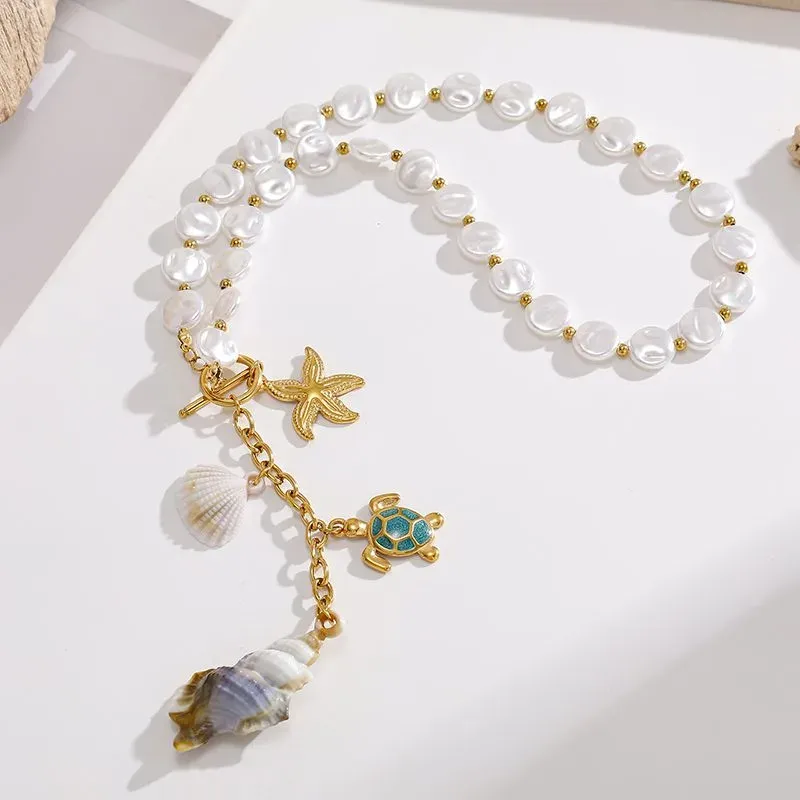
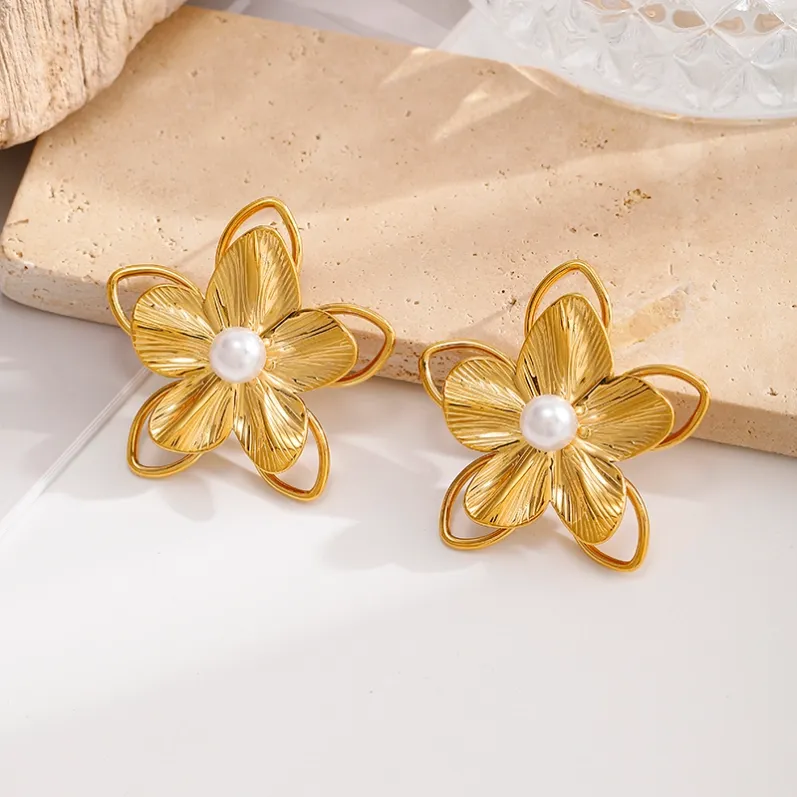
Expect also: stone settings (glued or set), clasp sources, and whether chain is machine-made or hand-assembled. None of these have a single right answer, but vague ones end conversations.
Documentation and Compliance Questions
European buyers operate inside one of the world's strictest regulatory environments, so they ask what paperwork accompanies the goods. The core questions:
- "What material declarations can you provide with the shipment?"
- "Has this plating process been used for EU-bound orders before?"
- "Can you support us if customs or a marketplace asks for product information?"
Buyers are not expecting a laboratory in the reply - they are checking whether documentation requests get answered with documents or with excuses. The professional move for any buyer is to request written material declarations (grade and plating per SKU) before the deposit, and to treat reluctance as a signal. Suppliers familiar with EU-bound trade answer these routinely; a first-time exporter will often reveal themselves here, which is useful to know before the money moves, not after.
If you are building a brand in this space, our FAQ page collects the product-side answers buyers ask most, and the supplier vetting checklist turns this section into a 12-point scorecard.
MOQ, Samples and the Money Questions
Then come the commercial questions, which in Europe tend to be more scripted than elsewhere because buying teams follow procurement habits:
"What is the minimum per style, and can we mix?" Buyers want to know whether a first order can span styles without hitting large per-style minimums. Low-MOQ programs built on in-stock base designs exist precisely for this - the supplier's answer reveals whether they run them.
"What does a sample cost, and is it credited back?" Standard practice: sample fees are modest and often credited against the bulk order. A supplier who refuses samples entirely is asking you to buy blind.
"What are the payment terms?" The common pattern for first orders is a deposit with the balance before shipment, moving to friendlier terms as the relationship proves out. Our payment terms guide breaks down the usual structures and how they evolve.
"What is the lead time, honestly?" Buyers are comparing your answer with the lead-time norms they already know: sampling adds weeks, production of in-stock-based orders typically runs two to four weeks, and custom tooling adds more - our lead-times guide covers the breakdown. Suppliers who quote impossibly short times to win the deal get filtered out by buyers who have been burned before.
Shipping and Incoterms Questions
Freight questions are where many first orders wobble, so buyers front-load them:
- "Do you quote EXW, FOB or DDP?"
- "Who clears customs in the destination country?"
- "What happens if the shipment is delayed or damaged?"
A buyer shipping into the EU for the first time often prefers DDP-style arrangements where the supplier handles freight and clearance into the destination; experienced importers with their own freight forwarders prefer FOB. Neither is wrong - what matters is that the supplier states terms plainly and has shipped into the destination before. Our FOB vs EXW vs DDP comparison walks through which term fits which buyer profile, and the shipping-cost guide covers what freight from China really adds per order.
Communication Questions (the Ones Buyers Never Say Out Loud)
Beyond the spoken questions, European buyers silently evaluate communication patterns:
- Response time. A supplier who replies within one business day with complete answers is rare and valuable; replies that dribble in over a week forecast a painful production phase.
- One voice. Answers that change between the salesperson and the "engineer" suggest a trading company with no factory visibility.
- Written records. Professionals confirm decisions in writing after calls; if nothing is ever written down, disputes later have no anchor.
Buyers also ask around: they check whether the supplier's published information is consistent with what the salesperson says. Mismatches - different steel grades on the website and in the email - are quiet disqualifiers.
Red Flags in Supplier Answers
Buyers share these warning signs like folklore, because everyone has paid tuition at least once:
Red flag | Why it matters |
|---|---|
Refuses samples or charges wildly above cost | The bulk goods may not match the pitch |
Cannot name steel grades or plating process per style | They may not control their own supply chain |
Quotes that are dramatically below the market band | Something is being removed: plating quality, QC, or weight |
"No problem" to every request | Real factories have constraints; agreeing to everything means no one checked |
Avoids written confirmations | Verbal deals dissolve exactly when you need them most |
One "no problem" is politeness; five in a row is a pattern. Buyers who ignore these signals usually pay for it in the production run.
Frequently Asked Questions
What should a jewelry buyer ask a new supplier first?
Start with the questions that cannot be faked: which steel grade per style, what plating process and how it wears over years, whether samples are available, and what documentation ships with the goods. These four cut through marketing language fast, because answering them well requires actual supply-chain knowledge. Price questions can wait until you know what you are actually buying.
Do European buyers need special documentation for jewelry imports?
European buyers typically request written material declarations covering the base metal grade and plating for each SKU, and they expect suppliers familiar with EU-bound shipments. The exact paperwork depends on the destination country and sales channel, so the practical move is to ask your supplier early what they provide, and put it in the order confirmation before the deposit moves.
Are samples worth ordering before a first bulk jewelry order?
Always. A sample round verifies weight, clasp action, plating tone and finishing consistency - the things photos cannot carry - and it tests how the supplier handles feedback before real money is involved. Sample fees are normally modest and often credited toward the bulk order. Skipping samples to save a week is the most expensive shortcut in jewelry sourcing.
What payment terms are normal for a first jewelry order?
The common pattern is a deposit with the balance due before shipment, which protects both sides on a first deal. As orders repeat, buyers and suppliers usually relax terms. What matters more than the split is that terms are written into the order confirmation, along with what happens if production or shipping slips.
How long does a first jewelry order take from inquiry to delivery?
Count sampling (one to three weeks including feedback rounds), production (typically two to four weeks for orders built on in-stock base designs), and freight (a few days by air, weeks by sea, plus clearance). A realistic first-order timeline lands around six to nine weeks end to end. Suppliers promising dramatically less are skipping a step you will pay for later.
Wholesale Stainless Steel Jewelry from IVANDA
Looking for a reliable stainless steel jewelry supplier? IVANDA supplies 316L pieces with PVD 18K gold plating - waterproof, skin-friendly and made for everyday wear. MOQ 60 pcs per style, in stock and ready to ship, with OEM/ODM services for custom designs. Message us on WhatsApp or email sales01@ivanda-fa.com for the latest catalog and wholesale prices.