Oct 26, 2026
How to Find Your Personal Jewelry Style in 5 Steps
Find your personal jewelry style in five steps: audit what you wear, name your archetype and match pieces to your real everyday lifestyle.
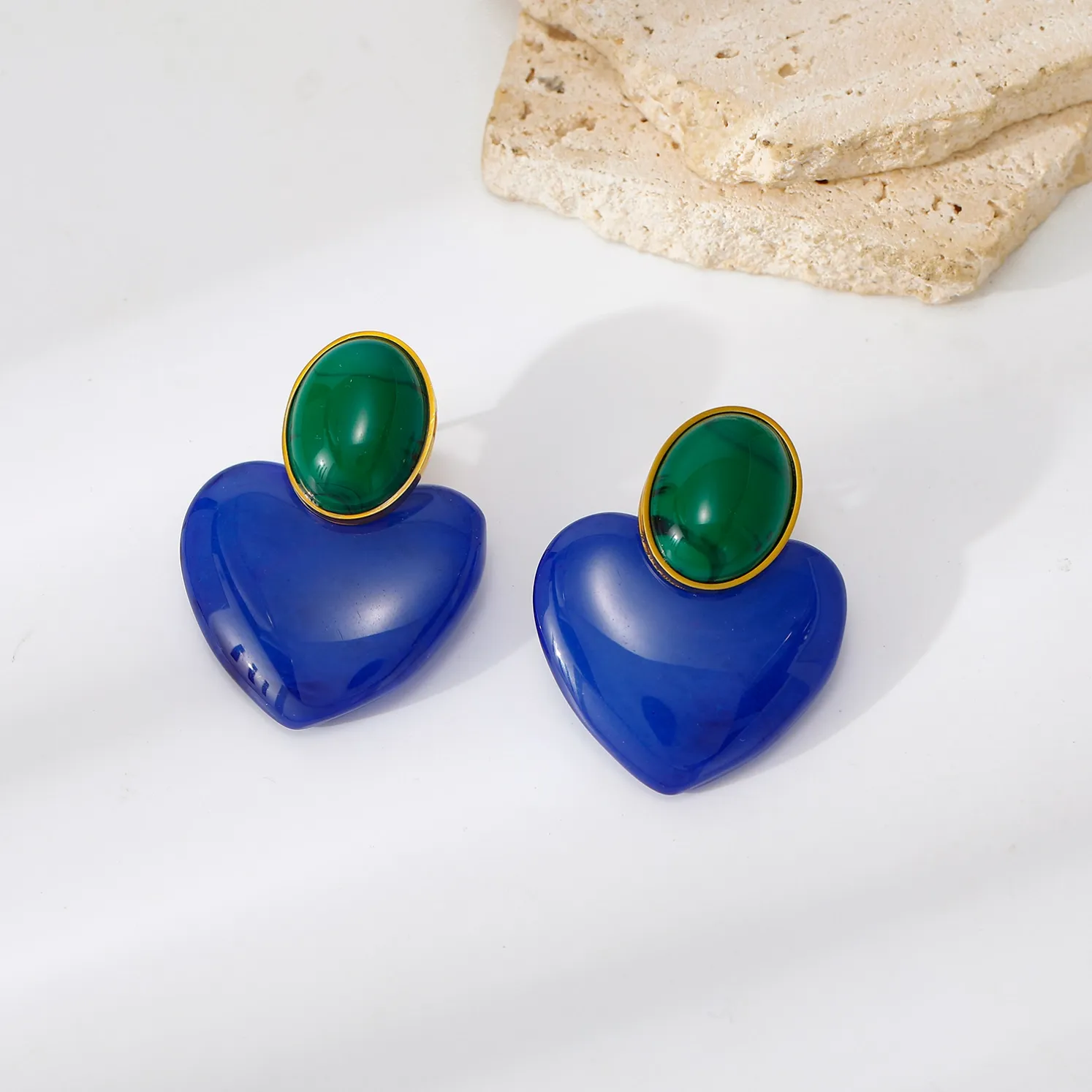
Your personal jewelry style already exists — it is visible in what you actually put on each morning and what stays in the box — so the job is not inventing a style from scratch but noticing the pattern, naming it, and letting it make every future purchase easier. These five steps take you from "I like everything" to a collection that looks like it was chosen on purpose, because it was.
Step 1: Audit What You Already Wear
The fastest diagnosis of your style is not a quiz — it is your own jewelry box, sorted honestly into what you wear and what you avoid.
Empty the box and make three piles: pieces you wear weekly, pieces you wear occasionally, and pieces you never touch. Now read the piles like data. The weekly pile tells you your comfort zone — metal color, weight, size, overall mood. The never pile tells you your dead ends, and almost always the pieces in it share something: too heavy, too delicate, wrong metal, or bought for an imaginary life you do not actually live.
Most people discover one of two patterns. They are consistent — three versions of the same ring in different widths — or they avoid decisions, with many pieces and none worn. Both are useful starting points; neither is wrong. One extra step helps: photograph the two piles side by side. Seen together like that, the pattern is much harder to ignore than it ever was in memory.
Step 2: Name Your Archetype
Naming a style direction — even loosely — turns shopping from impulse into selection, because every new piece now has to answer to something.
Archetype | Signature pieces | Usual metal story |
|---|---|---|
Minimalist | Thin bands, small studs, fine chains | One metal, kept consistent |
Classic | Simple hoops, signet, clean pendants | Gold tones or silver, matched |
Bohemian | Layered long chains, mixed textures, natural stones | Warm mixed metals |
Edgy | Wide cuffs, dark finishes, geometric forms | Steel and black tones |
Eclectic | Everything, combined with confidence | Deliberate mixing |
Pick the row that describes most of your weekly pile — not the one that matches your mood board. The board can inform the choice; the box decides it. You can also sit between two archetypes, and "classic with an edge" or "minimalist with one statement piece" are both common, very workable hybrids.
Step 3: Match Jewelry to Your Real Life
A style that ignores your actual week will fail — jewelry has to survive your keyboard, your commute, your workouts and your laundry, or it ends up in the never pile within a month.
Run an honest lifestyle check. Desk hours and typing favor smooth, low-profile pieces; sports and gym sessions favor pieces you can wear without thinking or remove in one second; small children and pets argue against long dangling earrings and for anything that lies flat. Dress codes matter too: a conservative office rewards restraint, while a creative workplace gives room for scale and drama.
This is where stainless steel earns its place in a personal style. It handles water, sweat and daily friction without a care routine, which means the style you choose is a style you can actually keep wearing. PVD 18K gold plated steel delivers the gold-tone look with the same low maintenance — with the honest caveat that any plating softens over years of abrasion, so treat gold-tone pieces as beautiful but not indestructible.
Step 4: Choose Your Metal Story
One dominant metal reads as intentional; a random mix reads as laundry — decide deliberately which relationship you want with gold and silver tones.
Two reliable strategies exist. The single-metal route simplifies everything: every piece works with every other piece, and the collection compounds in usefulness with each addition. The deliberate-mix route combines gold and silver tones on purpose, which looks modern and relaxed but takes a little confidence to keep coherent.
A practical tiebreaker: match your metal to your wardrobe more than to anything else. Warm palettes — camel, cream, olive, earth tones — flatter gold tones; cool palettes — black, grey, navy, white — flatter silver and steel. If your closet is genuinely half and half, the mixed route was made for you. Whichever route you take, consistency compounds: the longer you stay with one metal story, the more naturally the collection layers, and the fewer decisions each morning asks of you.
Step 5: Build With a Capsule, Not a Haul
A personal style is proven by a small set of pieces you wear on rotation — not by a drawer of options — so build slowly, one real gap at a time.
The capsule method: pick a small core that covers your real week — for most people, a daily necklace, everyday earrings, one bracelet and one or two rings — then add a single accent piece only when a genuine gap appears. Our guide to building a jewelry capsule wardrobe details the structure. The guide to matching jewelry with your outfit shows how to adapt the same core pieces across different clothing styles, and if rings turn out to be your focus, the ring stacking guide is the fastest way to multiply looks from a few bands.
A collection built this way looks intentional within a season — and every piece in it stays in the weekly pile, which is the entire point.
Frequently Asked Questions
Answers to the questions that come up most while people are defining their style.
How many pieces does a personal jewelry capsule need?
Five to eight well-chosen pieces cover almost every real-life situation: a daily necklace, a second chain for layering, everyday earrings, one pair for evenings, one or two bracelets and a couple of rings. The number matters less than the rotation — if you wear most of the collection most weeks, the capsule is working, whatever its size.
Can you mix gold and silver jewelry?
Yes, when the mix is deliberate rather than accidental. The easiest formula is clear dominance: one tone as the base of the look and the other as a single accent, so the contrast reads as a choice. Wearing both tones in equal, random amounts is what looks unintentional — dominance, not matching, is the skill to learn.
How do I know if a jewelry style suits me?
Wear it for a full day, not a mirror minute. Comfort is the test: pieces that suit you are ones you stop noticing — no pushing aside, no repositioning, no relief at taking them off. If you fidget with a piece all day, the style is borrowing confidence from the wrong place, no matter how good it looked in photos.
What if I love too many different styles?
Then buy into the overlap, not the extremes. Find the element that repeats across everything you love — it might be texture, one metal family, or a particular scale — and make that the spine of your collection. You can still experiment within that spine, which keeps the collection coherent without turning dressing into a costume decision.
How long does it take to find your personal jewelry style?
Faster than people expect, if the audit is honest: the pattern is usually visible within one sorting session, and a working capsule comes together within a few months of deliberate buying. What takes longer is resisting impulse purchases that do not fit the pattern — that discipline, not discovery, is the real timeline.
Wholesale Stainless Steel Jewelry from IVANDA
Looking for a reliable stainless steel jewelry supplier? IVANDA supplies 316L pieces with PVD 18K gold plating - waterproof, skin-friendly and made for everyday wear. MOQ 60 pcs per style, in stock and ready to ship, with OEM/ODM services for custom designs. Message us on WhatsApp or email sales01@ivanda-fa.com for the latest catalog and wholesale prices.