Oct 26, 2026
How to Choose Jewelry for Different Age Groups
How to choose jewelry for different age groups: styles, materials and finishes that suit teens, the 20s, 30s, 40s-50s and 60+ — a practical buying guide.
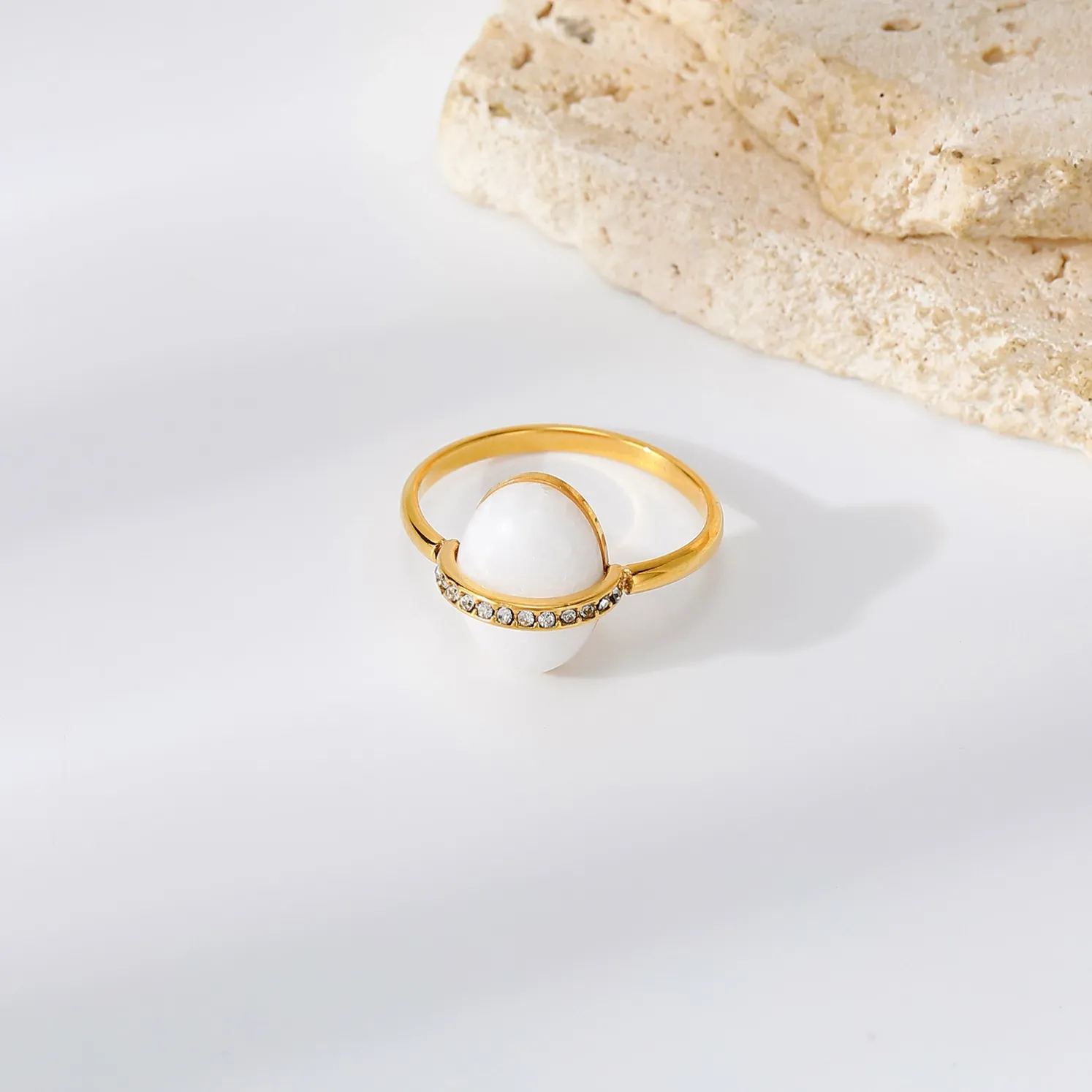
Age changes what jewelry is for: teenagers use it to say who they are, twenty-somethings to move between occasions, and later decades to invest in pieces that last — match the life stage, and the choice almost makes itself.
Choosing jewelry by age group is not about rules or restrictions. It is about what a piece needs to do at a given stage of life: survive a school day, transition from office to evening, carry a milestone, or simply feel comfortable through long days. Get that match right and even a modest piece becomes a favorite; get it wrong and even an expensive one lives in a drawer.
This guide breaks jewelry by age group into five practical brackets, with a quick-reference table, the reasoning behind each stage, and material advice that applies to all of them.
Why Age Matters More Than Trends
The question is not "what looks good" but "what fits this person's actual life right now" — a piece that matches a daily routine gets worn; one that fights it gets forgotten.
Trends rotate yearly; life stages change slowly. A teenager's jewelry lives in lockers, sports bags and sleepovers. A thirty-something's lives between meetings and dinners. Someone in their sixties wants pieces that feel as good at hour ten as at hour one. The same chain serves all three roles differently — which is why age, routine and comfort deserve as much weight as what is currently fashionable.
Jewelry by Age Group: Quick Reference
Treat the table as a starting point, not a rulebook — personal style always outruns age arithmetic.
Age group | What tends to work | Approach with care | Style notes |
|---|---|---|---|
Teens (13–19) | Initial pendants, small hoops, layered thin chains, playful charms | Fragile or overly formal pieces | Identity and self-expression matter more than value |
20s | Stackable rings, ear stacks, mixed finishes, convertible day-to-night pieces | Anything too precious for daily rotation | Versatility is the top priority |
30s | Signature chains, refined hoops, quality basics with personal meaning | Ultra-trendy items that date quickly | Building a coherent, lasting collection |
40s–50s | Solid bangles, medium-gauge chains, classic pendants, engraved pieces | Very thin, delicate styles that read fragile | Quality and meaning over quantity |
60+ | Comfort-fit bangles, lightweight hoops, easy clasps, heirloom-feel pieces | Heavy pieces and fiddly clasps | Elegance plus ease of wear |
Teens and Early Twenties: Identity First
For younger wearers, jewelry is self-expression before it is an investment — prioritize pieces that can be layered, stacked and restyled.
This group buys and wears jewelry to signal who they are, and their style evolves fast. That makes flexibility the winning feature: thin chains that layer well, small hoops that pair with everything, initial pendants and simple charms that can be rearranged as taste changes. A piece that can be worn three ways beats a statement piece that can be worn one way.
Durability quietly decides which pieces survive this stage. School days, sports and general chaos punish soft or delicate materials, which is one reason 316L stainless steel has become the default for this bracket — it shrugs off showers, gym sessions and bag friction without tarnishing, at no anxiety cost to the wearer.
The Thirties: Building a Signature
In the thirties, buying shifts from "more pieces" to "the right pieces" — a daily chain, a go-to pair of hoops, a ring stack with meaning.
Careers, occasions and personal taste converge in this decade. Wearers start editing: fewer impulse buys, more pieces chosen to work with an existing wardrobe every single day. The classic targets are a chain that never comes off, hoops that move from meetings to dinner without a swap, and a first "real" piece that marks something — a milestone, a relationship, a promise.
This is also when maintenance appetite matters. A piece that needs polishing rituals loses to one that looks after itself, which is why low-maintenance materials dominate this bracket even among committed jewelry wearers.
Forties and Fifties: Quality Over Quantity
This is the decade when durability stops being a feature and becomes the point.
By the forties, most people know their style. Jewelry purchases become more deliberate — solid bangles, medium-gauge chains, classic pendants and engraved pieces that carry a date, a name or a story. The pieces bought now are expected to last decades and eventually be passed on, so weight, finish quality and material honesty matter more than novelty.
Engraving deserves special mention here: personalization turns a good piece into a keepsake, and hard-wearing steel holds lettering crisp through years of wear. For gift buyers, this bracket responds strongly to meaning — the guide to anniversary jewelry gifts by year maps milestone pieces to the occasions that call for them.
Sixties and Beyond: Elegance Meets Ease
The best pieces now are beautiful and effortless — light enough for all-day comfort, easy to fasten, and classic enough to pair with everything already owned.
Comfort leads this bracket. Lightweight hoops, smooth comfort-fit bangles and pieces with easy clasps get worn daily; anything heavy, sharp-edged or fiddly gets admired once and shelved. Hinged bangles that click open, hoops with simple closures and pendants on generous clasps remove the small frustrations that quietly retire jewelry.
Classic designs work best, not because older wearers lack boldness but because decades of taste have already settled on a look — and new pieces need to join that wardrobe, not compete with it.
Material Matters at Every Age
316L stainless steel covers every bracket in the table: it survives school lockers, commutes, gyms and beach holidays alike, and PVD 18K gold plating adds warm gold tones without polishing rituals.
One material earns a place in all five age brackets. 316L stainless steel is waterproof in daily life, resists tarnish, tolerates lotion and sweat, and asks nothing of its wearer — which matters to a teenager who forgets to remove a chain, and matters even more to someone who no longer wants to fuss with cloths and cases. For a warm gold look, PVD 18K gold plating delivers the tone with far better everyday behavior than conventional plating.
The honest limitation, at every age: plating softens gradually after years of heavy wear, first on high-contact pieces like rings and bangles. Pendants and earrings hold tone longest. That trade-off is worth stating plainly to any buyer — it builds trust and sets up realistic, loyal relationships with the material. For how different surface finishes change the look of the same steel, see the stainless steel jewelry finishes guide.
Frequently Asked Questions
Quick answers for shoppers and gift buyers choosing across age groups.
What jewelry is appropriate for a teenager?
Pieces that support self-expression and survive rough handling: initial pendants, small hoops, thin chains for layering and simple studs. Stainless steel is a strong material choice here because it shrugs off sports, showers and school-day chaos without tarnishing. Avoid anything fragile or overly formal — teens gravitate to pieces they can wear constantly and rearrange as their style evolves.
Is stainless steel jewelry suitable for older wearers?
Very much so, with two adjustments: lighter, comfort-focused designs and easy clasps. A medium-weight bangle or a smooth hinged cuff is often easier than small ring-and-bar fastenings. The material itself is a benefit at any age — it needs no polishing routine, tolerates hand lotion, and stays comfortable through long days without tarnishing or bending out of shape.
Should style or age decide the final choice?
Style wins whenever the two conflict. Age-based advice describes tendencies, not rules — plenty of sixty-year-olds love ear stacks and plenty of twenty-somethings live in classic minimalism. Use age to filter toward practical fit: lifestyle, comfort, clasp dexterity and maintenance appetite. Then let the person's actual taste make the final call, because taste is what gets a piece worn.
What jewelry suits someone in their 30s?
Think signature pieces: a chain worn daily without ceremony, refined hoops that work from meetings to dinner, and a ring stack with personal meaning. This is also the decade when wearers start scrutinizing material quality — which is where 316L stainless steel, with its waterproof, no-maintenance durability, quietly becomes a favorite for pieces meant to be worn every single day.
Are hoop earrings or studs better for daily wear at 60+?
Both work; the difference is convenience. Studs are the lowest-effort option — nothing catches on scarves or hair. Small to medium hoops add more presence while staying practical, especially in lightweight steel. For this bracket specifically, hinged hoops that click shut beat posts with tiny backs, which are the hardest fastening to manage with less nimble fingers.
Wholesale Stainless Steel Jewelry from IVANDA
Looking for a reliable stainless steel jewelry supplier? IVANDA supplies 316L pieces with PVD 18K gold plating - waterproof, skin-friendly and made for everyday wear. MOQ 60 pcs per style, in stock and ready to ship, with OEM/ODM services for custom designs. Message us on WhatsApp or email sales01@ivanda-fa.com for the latest catalog and wholesale prices.