Oct 19, 2026
Matte vs Polished Stainless Steel Jewelry: How to Choose
Matte vs polished jewelry compared: look, scratch visibility, maintenance and style pairing — plus brushed finishes and tips for mixing both.
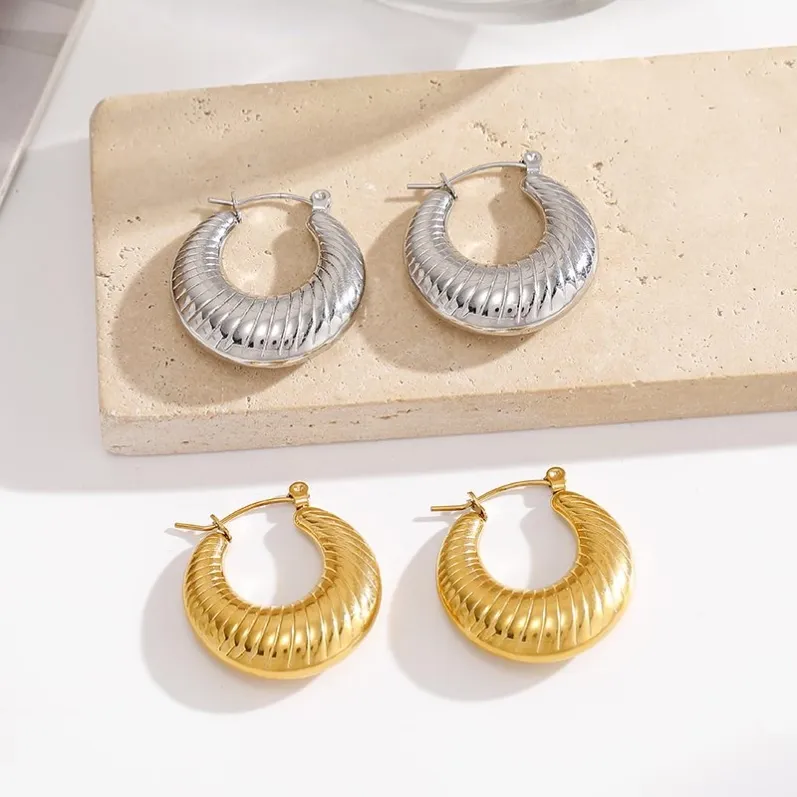
The finish you choose changes how a piece ages, how often it needs cleaning and what it pairs with — it is a design decision, not just a slider between shiny and dull.
Put two identical stainless steel rings side by side: one mirror-bright, one a soft even gray. Same alloy, same strength, completely different personality. Finish is the most underrated choice in jewelry because it affects three things at once — how a piece looks on the hand, how it wears over years, and how it sits next to what you already own. This guide compares polished, matte and brushed steel on look, scratch visibility and maintenance, then answers the practical questions: which hides wear, which reads formal, whether you can mix finishes, and whether a finish can be changed later.
The Three Finishes at a Glance
Most "matte vs polished" debates actually involve three finishes — brushed steel sits between them and behaves differently from both.
Attribute | Polished (mirror) | Matte (sandblasted) | Brushed (satin grain) |
|---|---|---|---|
Look | Mirror-bright, reflective, classic | Soft, even, non-reflective gray-silver | Fine parallel lines with a low satin glow |
Scratch visibility | Every micro-scratch catches the light and shows quickly | Fine scratches blend into the texture | Hairline scratches vanish into the grain; deep cross-grain gouges stand out |
Maintenance | Frequent wiping to keep the mirror | The least demanding — hides smudges on its own | Occasional wipe along the grain |
Fingerprints and smudges | Show the most | Show the least | Barely visible |
Style pairing | Formal, dressy, traditional | Casual, modern, minimal-industrial | Versatile everyday, utilitarian-precise |
If you remember one thing from this guide, make it this: polished shows every mark and matte hides them — that single fact drives most of the decision.
What Each Finish Actually Is
The names describe how the surface is textured. A polished finish is buffed with progressively finer compounds until the surface reflects like a mirror. A matte finish is sandblasted or bead-blasted into thousands of microscopic facets that scatter light instead of returning it as a reflection. A brushed finish is worked with a fine abrasive belt or wheel that leaves parallel grain running in one direction.
Here is the part most buyers miss: on stainless steel, a finish is surface texture, not a coating. There is no layer to chip or peel — the metal is the same gray alloy all the way through. That is why steel holds all three finishes so well, and why a finish can genuinely be changed later.
A finish is texture, not a layer — which is why it can be altered later without changing what the piece is made of.
Which Finish Hides Wear Better
Matte wins, and it is not close. A new micro-scratch on a matte surface is just another random facet among thousands, so it disappears into the texture. A polished surface does the opposite: every micro-scratch breaks a perfect mirror, catching light from an angle the rest of the surface does not, and within weeks of daily wear the piece develops a faint web of swirl marks. Brushed steel sits in between — hairline scratches merge into the grain, but a deep gouge across the grain is immediately visible.
This matters most for pieces that live a hard life: bangles that knock against desks, chains worn constantly, rings worn daily. Steel is hard enough to handle that life, but a polished piece shows its history on its surface, while a matte piece keeps the same soft look for years.
Matte is the finish that ages most gracefully; polished is a look you maintain, not one that maintains itself.
Which Finish Reads More Formal
Polished, and by a wide margin. The mirror finish is what most people associate with fine jewelry — precious metals have traditionally been polished to a shine — so a mirror-polished steel piece reads dressy in a way the same shape in matte does not. For an event or an evening out, polished is the natural answer.
Matte reads modern and understated — minimal styling, everyday casual wear. Brushed steel reads precise and utilitarian, borrowing the visual language of watches: considered without being flashy.
Polished is the formal finish, matte is the modern casual one, and brushed splits the difference with a technical, watch-like character.
Mixing Finishes in One Stack
Stacked bracelets and layered necklaces often mix finishes, with results ranging from editorial to messy. Two rules keep it on the right side.
First, limit each stack to two finishes: a matte cuff, polished chain and brushed bangle together give the eye three textures, and the stack stops reading as one decision. Second, make contrast deliberate by pairing finishes on different forms — a matte band next to a polished chain works because the shapes differ; the same chain design in two finishes looks like a mistake.
Tone interacts with finish too: a PVD 18K gold plated piece inside a steel stack creates a color contrast, which does the visual work a finish contrast would — so gold-tone plus one steel finish is a complete stack on its own.
Two finishes per stack, on different shapes, is the formula; add tone contrast with PVD 18K gold plated pieces rather than a third texture.
Refinishing Reality: Can a Finish Be Changed Later
Yes in one direction, with difficulty in the other, and never on plated pieces.
Going from polished to brushed or matte is genuinely achievable, because abrasion is what creates those textures. A gray abrasive pad worked evenly over a polished steel bangle produces a satin, brushed-adjacent look; true sandblasted matte needs workshop equipment and is permanent. Going the other way — back to mirror — means removing the entire textured layer with progressively finer compounds, a job for a professional polishing wheel; home attempts leave uneven patches obvious in reflective light.
PVD 18K gold plated pieces are the exception: refinishing means abrading the plated layer, which can wear through it or leave blotches, so a plated finish should be left alone.
You can take a polished piece toward brushed at home, but returning it to a mirror is a professional job — and PVD 18K gold plated pieces should not be refinished at all.
PVD 18K Gold Plated in Both Finishes
Finish is not only a silver-tone question. IVANDA's PVD 18K gold plated pieces come in both polished and matte versions: polished PVD is the classic bright shine, while matte PVD scatters light softly and reads as a satin, vintage-leaning gold. Matte PVD is especially popular for rings and bangles because it hides daily micro-wear — the same reason matte steel does.
The same honest caveat applies in both finishes: PVD bonding is far more abrasion-resistant than traditional dip plating, but no plating is indestructible — after years of friction, even PVD can thin and show the steel beneath. Choose polished for maximum shine; choose matte when you want the look to coast.
Both PVD 18K gold plated finishes are available, and matte PVD is the low-maintenance sibling of the classic shine.
Frequently Asked Questions
Does matte stainless steel scratch more easily than polished?
No. The alloy and its hardness are identical in both finishes — only the surface texture differs. Scratches happen at the same rate, but on a matte surface they blend into the existing texture, while on a polished mirror each one catches the light and shows.
Can I turn a polished stainless steel ring matte at home?
Partially. A gray abrasive pad rubbed evenly over the surface produces a permanent satin, brushed-adjacent finish. True sandblasted matte needs workshop equipment. Work carefully around stones and engraving, practice on hidden inner surfaces first, and accept that the change cannot be undone at home.
Is brushed the same as matte?
No. Brushed steel has fine parallel grain running in one direction with a low satin glow, while matte is a uniform, non-directional texture that reflects light evenly. Both are low-gloss finishes, but only brushed shows a visible grain direction up close.
Which finish is better for a piece I never take off?
Matte or brushed. Constant wear means constant micro-contact, and both textured finishes absorb those marks invisibly. A polished piece stays structurally perfect but develops visible swirl marks unless it is wiped and maintained often. A matte ring or bangle simply looks the same year after year.
Does the finish affect skin discoloration?
No. Discoloration comes from metal content, not surface texture — green marks come from copper alloys, whose oxides transfer to skin. Stainless steel contains no copper, so its discoloration risk is unrelated to whether the surface is polished, matte or brushed.
Wholesale Stainless Steel Jewelry from IVANDA
Looking for a reliable stainless steel jewelry supplier? IVANDA supplies 316L pieces with PVD 18K gold plating - waterproof, skin-friendly and made for everyday wear. MOQ 60 pcs per style, in stock and ready to ship, with OEM/ODM services for custom designs. Message us on WhatsApp or email sales01@ivanda-fa.com for the latest catalog and wholesale prices.