Oct 26, 2026
Polished vs Brushed Stainless Steel: Full Comparison
Polished vs brushed stainless steel compared: shine, scratch visibility, maintenance and best uses, plus how to pick the right finish for jewelry designs.
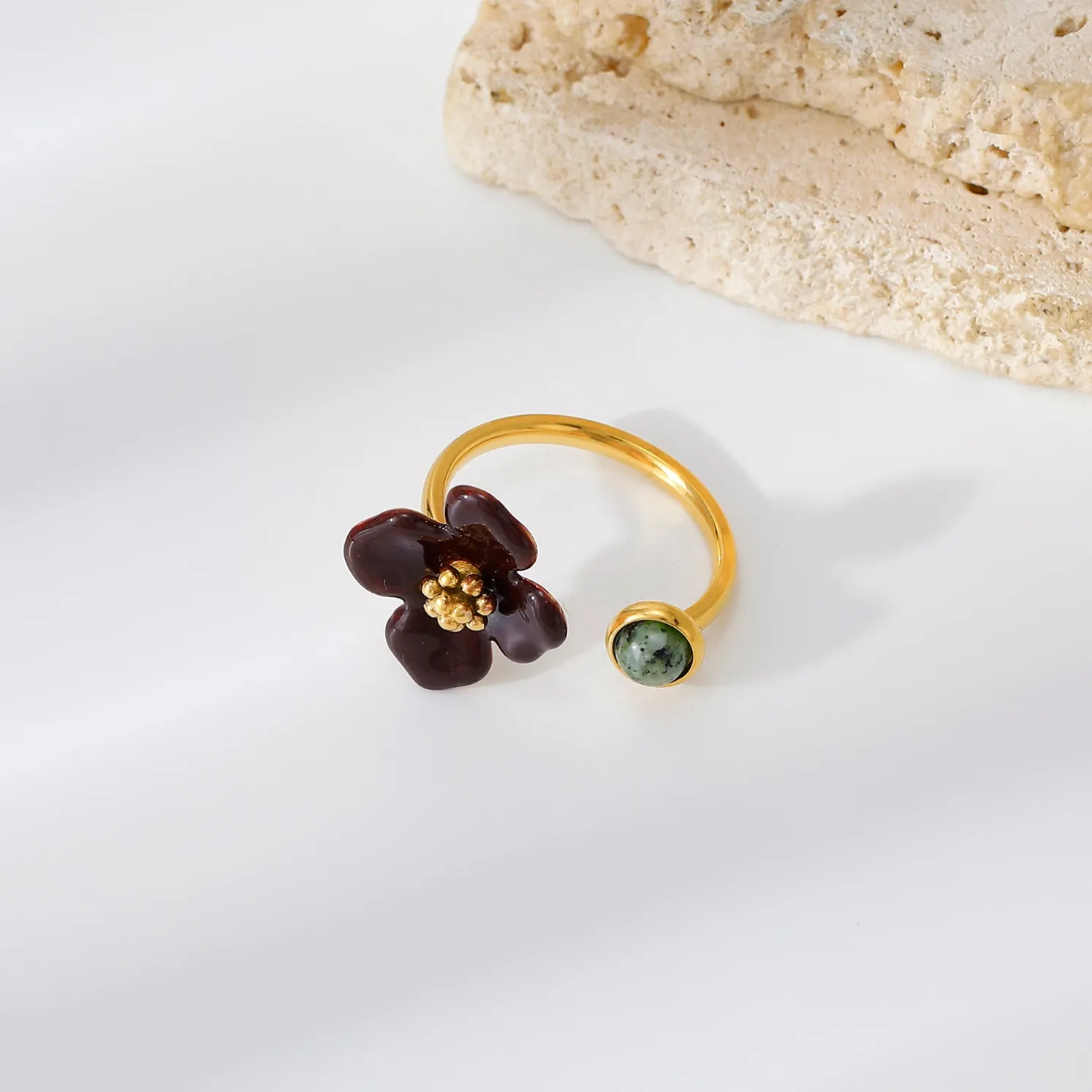
Polished stainless steel reflects light like a mirror; brushed stainless steel breaks it into soft, parallel lines — and that single difference changes how each finish looks on day one, how it hides scratches in year two, and which designs it belongs on.
Hand the same bar of 316L steel to two workshops and you can get two completely different-looking materials: one blazing, one quiet. The steel is identical; what changes is the final surface preparation — and that step decides most of a piece's visual identity.
This guide compares the two finishes as buyers and sellers experience them: how each is made, how each ages under daily wear, what maintenance each demands, and which designs each belongs on.
What Polished Stainless Steel Actually Is
Polish is not a coating — it is the steel itself, refined through progressively finer abrasives until the surface can reflect a readable image.
Polishing is a subtractive process. The piece moves through stages of sanding and buffing, each one removing the scratches left by the stage before it. The final pass uses a soft buffing wheel with polishing compound to bring the surface to a mirror state. On jewelry, this is the finish that turns a beveled edge into a line of light and makes a pendant the brightest object in the product photo.
Because the shine is the metal itself, a polished piece has real depth — light reaches your eye from inside the surface rather than off a layer sitting on top of it. That is also why polishing is the standard preparation step before PVD 18K gold plating when a glossy gold look is the goal: the plating simply mirrors the surface underneath.
What Brushed Stainless Steel Actually Is
The brushed look comes from a fine abrasive belt or wheel drawn in one consistent direction, leaving thousands of micro-scrapes the eye reads as a soft satin glow.
Brushing is also subtractive, but it stops well before mirror territory. Instead of erasing every scratch, the process creates a uniform field of them, all running the same way. Watchmakers made this finish famous — a brushed case face framed by polished bevels is a classic of industrial design — and jewelry borrowed it: brushed surfaces read as calm, technical and modern.
Grain direction is the personality of the piece. A consistent grain looks deliberate and clean; crossed or uneven grain looks like a manufacturing mistake. That is why good brushing is harder to fake than good polishing, and why a damaged grain is much harder to repair.
Side-by-Side: Polished vs Brushed Stainless Steel
Neither finish wins outright — polish trades scratch camouflage for brilliance, while brush trades brilliance for a lower-maintenance everyday look.
Aspect | Polished stainless steel | Brushed stainless steel |
|---|---|---|
Surface appearance | Mirror-like, high reflectivity | Satin glow with directional grain |
Light behavior | Sharp highlights, readable reflections | Soft, diffused sheen |
Fine scratches | Very visible on the mirror face | Blend into the grain, barely noticed |
Fingerprints and smudges | Show quickly | Much less obvious |
Restoration at home | Easy with a polishing cloth | Difficult — even grain is hard to recreate |
Design character | Formal, dressy, statement-making | Understated, technical, everyday |
Typical uses | Pendants, statement pieces, beveled edges | Minimalist bands, everyday chains, watch-style cases |
How Each Finish Ages in Daily Wear
Every steel surface collects micro-scratches — the difference is that polished pieces display them while brushed pieces quietly absorb them.
A polished ring worn daily shows fine swirl marks within weeks, visible whenever light sweeps the face. That does not damage the piece; it just changes the look from showroom to lived-in, and a polishing cloth brings most of the showroom back. A brushed piece carried in the same pocket looks nearly unchanged for far longer, because new micro-scratches simply join the existing grain.
Deep scratches behave differently on each. A gouge cuts through brushed grain lines and stands out precisely because the surrounding surface is so uniform. On a polished face, a deep scratch is one more line among many once the piece has aged.
For colored pieces the same logic applies one layer up. A PVD 18K gold plated finish can sit on either base — polished for glossy gold, brushed for warm satin gold. One honest note worth repeating: over years of heavy wear the plating softens at high-contact points first — ring shanks, bangle edges, the undersides of chains. No plating is permanent, and sellers who say so plainly earn long-term trust.
Maintenance: What Each Finish Asks of the Wearer
Polished steel can be brought back to near-new shine with a cloth and ten minutes; brushed steel mostly needs correct cleaning, because its grain cannot be recreated at home.
Both finishes share the same basic routine: warm water, a drop of mild soap, a soft cloth, and a thorough dry. The difference comes after cleaning. A polished piece tolerates buffing with a jewelry polishing cloth, and each session restores reflectivity. A brushed piece should only ever be wiped along the grain — buffing across it leaves cross-hatching that breaks the uniform hairline pattern and is nearly impossible to undo outside a workshop.
For a full walkthrough of restoring reflectivity, the guide on how to polish stainless steel jewelry to a mirror finish covers tools, compounds and technique step by step.
Which Finish Should You Choose?
Choose polished when the design is meant to dress up; choose brushed when the piece is meant to live in — and consider using both on one design for contrast.
For sellers building a line, the two finishes answer different customer questions. Polished pieces photograph brilliantly and read as occasion jewelry — pendants, initials and anything set with stones benefits from the extra light. Brushed pieces sell themselves as low-drama: they pair with denim, sportswear and work clothes, and they forgive the wear everyday life inflicts.
Mixed-finish designs — a brushed body with polished bevels, or the reverse — are quiet bestsellers in this category because they deliver both behaviors in one piece. For a broader map of every surface treatment, see the stainless steel jewelry finishes guide, and the matte vs polished comparison goes deeper into when shine helps a design and when it works against it.
Frequently Asked Questions
Quick answers to the questions sellers and wearers ask most about these two finishes.
Does brushed stainless steel scratch more easily than polished?
No — the underlying 316L steel has the same hardness either way. The difference is visibility: new scratches disappear into brushed grain but stand out immediately on a mirror surface. A polished piece can look worn after months of daily contact, while a brushed piece keeps looking intentional far longer. If a customer worries about scratches, brushed is the calmer recommendation.
Can a polished finish be turned into brushed, or the reverse?
In a workshop, yes — both are surface preparations, so steel can be re-ground in either direction. In practice it is factory-level work: a clean, even grain or a true mirror requires controlled abrasives that home tools cannot deliver. Buyers should treat finish as fixed at purchase. For polished pieces, a quality jewelry polishing cloth is the realistic at-home restoration.
Is PVD 18K gold plating available on both finishes?
Yes. PVD 18K gold plating is deposited over the prepared steel, so the base can be polished for a glossy gold look or brushed for warm satin gold. The honest caveat applies to both: after years of heavy wear the plating gradually softens, and high-contact pieces such as rings and bangles show it sooner than pendants or earrings do.
Which finish is better for engraving?
A brushed or lightly satin surface is usually friendlier: engraved letters sit within an existing field of fine lines, so small imperfections vanish. On a mirror-polished face, every engraving edge catches light and becomes part of the design — which some customers love and others dislike. Decide the finish before ordering personalization, because refinishing afterward means redoing the whole piece.
How do I clean brushed stainless steel without ruining the grain?
Use warm water, a drop of mild soap and a soft cloth, wiping along the direction of the grain — never in circles or against it. Rinse, then dry with a lint-free cloth. Skip abrasive pads and harsh chemicals, which leave cross-grain marks that break the uniform hairline pattern. Gentle, consistent cleaning keeps the satin glow even for years.
Wholesale Stainless Steel Jewelry from IVANDA
Looking for a reliable stainless steel jewelry supplier? IVANDA supplies 316L pieces with PVD 18K gold plating - waterproof, skin-friendly and made for everyday wear. MOQ 60 pcs per style, in stock and ready to ship, with OEM/ODM services for custom designs. Message us on WhatsApp or email sales01@ivanda-fa.com for the latest catalog and wholesale prices.