Oct 19, 2026
The Science Behind PVD Coating on Jewelry, Explained Simply
What PVD coating on jewelry actually is, how vaporized metal bonds to steel in a vacuum, why it outlasts electroplating, and how to care for PVD pieces.
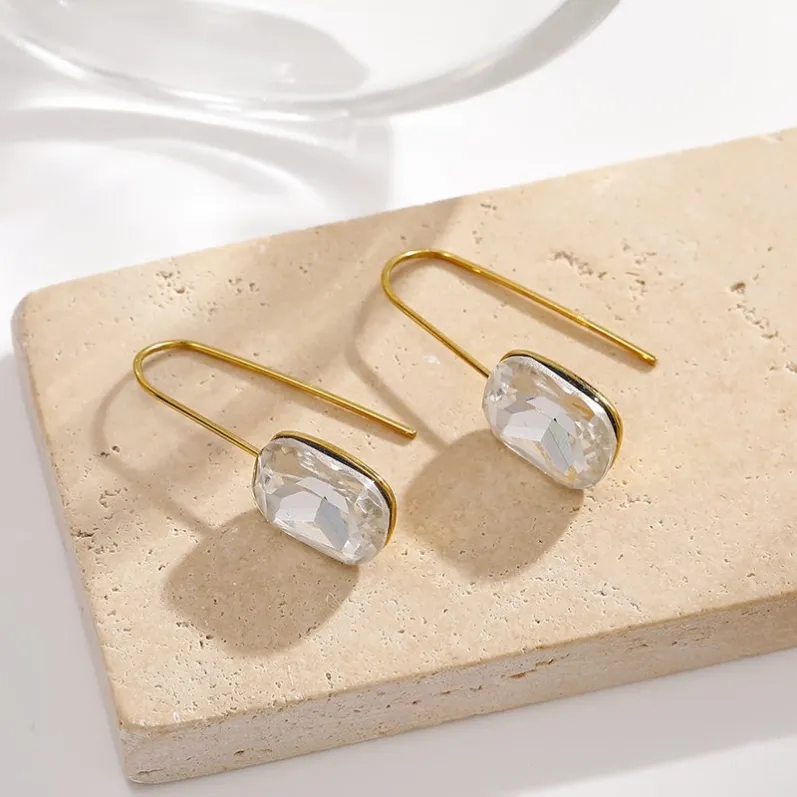
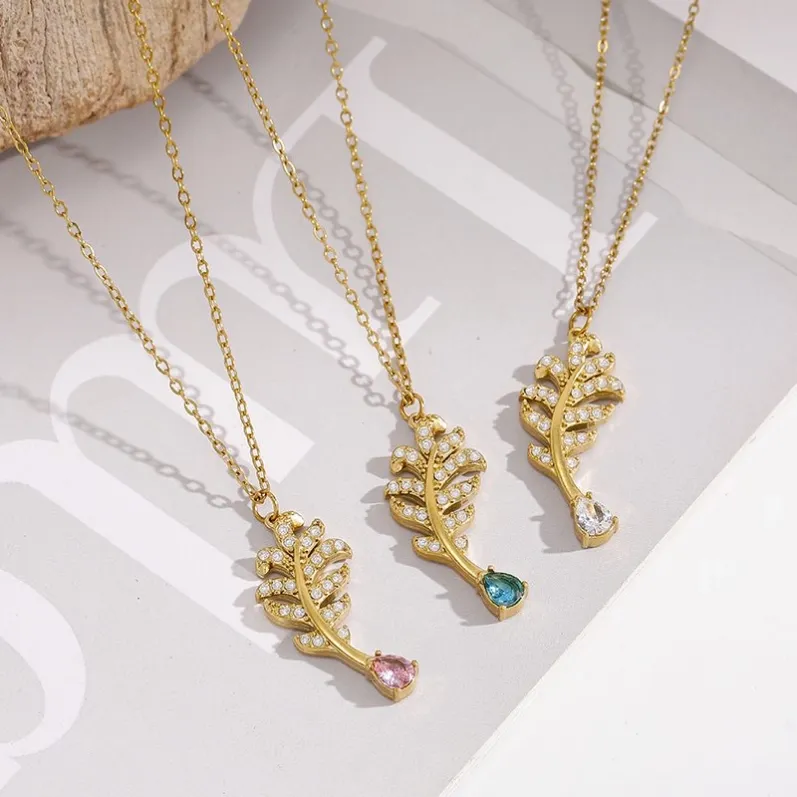
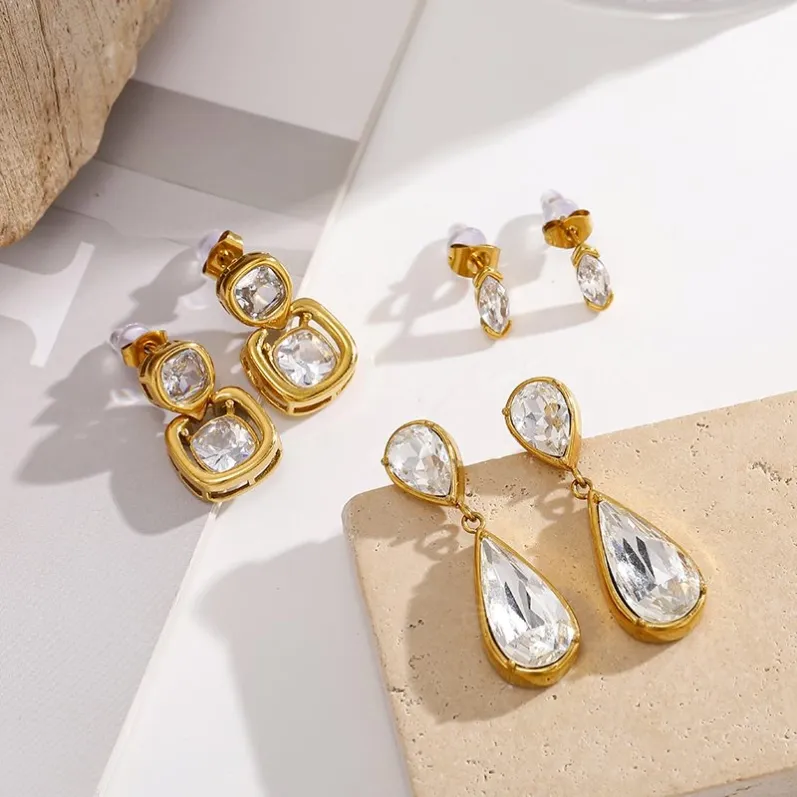
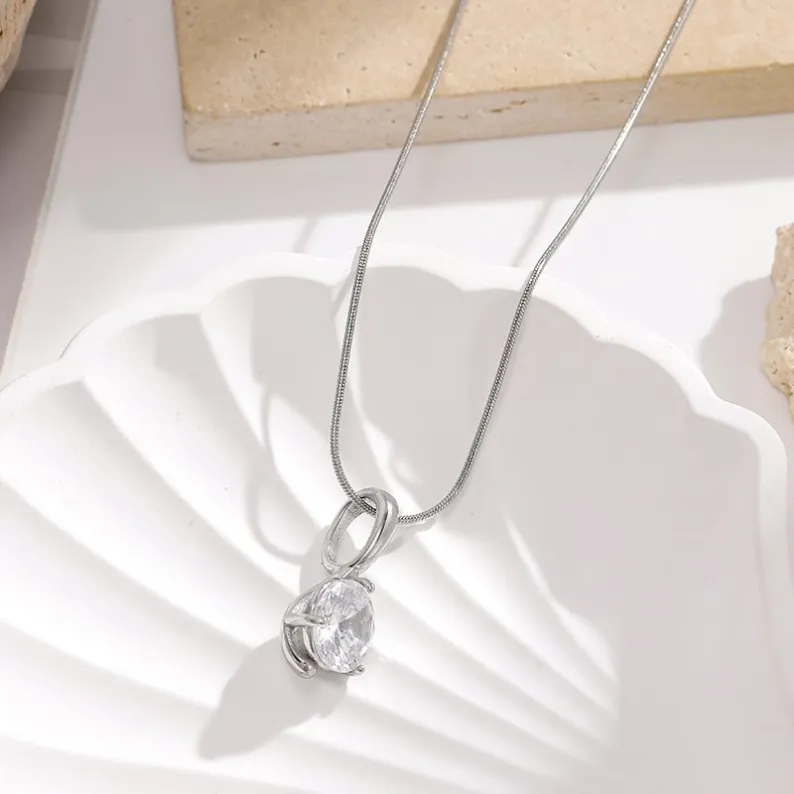
PVD coating jewelry means growing a film of vaporized metal onto the surface inside a vacuum chamber — a finish that bonds at the atomic level and outlasts ordinary electroplating, which is why a PVD 18K gold plated steel piece can hold its color through years of daily wear.
Supplier catalogs throw the term around constantly, yet few explain what actually happens inside that chamber, why the finish behaves differently from bath plating, or where its limits are. This article walks through the process in plain language: what Physical Vapor Deposition is, why it adheres so well, why the color stays so even, and how to care for it.
What Physical Vapor Deposition Actually Is
Physical Vapor Deposition — PVD for short — happens inside a sealed chamber from which almost all air is removed. The jewelry pieces are fixed inside, and a small amount of the coating metal is vaporized by an electric arc or a similar energy source. With no air in the way, the metal atoms travel freely and condense on every exposed surface, building a thin, dense film measured in microns.
The word "physical" is the clue to the whole process: nothing is dissolved, nothing is deposited out of a solution, and no liquids touch the piece. It is metal traveling as vapor and settling as a solid — the same physics that makes frost form on glass, controlled precisely enough to produce a jewelry finish.
In PVD, the coating metal reaches the piece as individual atoms in a vacuum and locks onto the surface as it condenses — no liquids, no bath, no current passing through the jewelry.
Why PVD Outlasts Ordinary Electroplating: Bonding vs Layering
Electroplating works in the opposite direction: the piece is dipped into a chemical bath, a current passes through it, and metal ions settle onto the surface as a solid layer. That layer's grip depends on how well the surface was cleaned beforehand. When the base expands with warmth, bends under wear, or carried invisible residue before plating, the layer can lift, flake or wear through — usually at edges and high points first, because that is where the deposit ends up thinnest.
Gold fill takes a third path: a sheet of gold mechanically bonded to a base metal under heat and pressure. It is thicker than plating, so it wears longer, but it is still a layer resting on a core.
PVD, by contrast, grows a film that is structurally continuous with the surface it forms on. That is why it resists scratching, wears evenly instead of peeling, and holds its color far longer under the same conditions.
| PVD coating | Electroplating | Gold fill |
|---|---|---|---|
Process | Metal vaporized in a vacuum chamber, condenses onto the surface | Metal deposited from a chemical bath by electric current | Gold sheet heat- and pressure-bonded to a base metal |
Adhesion | Atomic-level bond, continuous with the surface | Layer resting on the surface; depends on cleaning and prep | Mechanical bond; thicker layer than plating |
Wear behavior | Wears slowly and evenly; resists scratches and peeling | Flakes or wears through at edges and high points first | Wears gradually; thickness delays base exposure |
Color options | Wide range, including PVD 18K gold plated, rose gold tone and black | Broad, including gold plated brass and silver tones | Gold tones only |
Electroplating stacks metal on top of a piece, while PVD grows a finish into it — and that difference in bonding decides how the surface ages.
The PVD 18K Gold Plated Look: Why the Color Stays Even
Bath plating has a built-in weakness: electric current does not distribute evenly around a shaped piece. Recesses, inner curves and the backs of pendants receive less current, so they take a thinner deposit — and thin spots change color first, as anyone who has seen a plated band dull on its inner surface knows.
Vacuum deposition has no current to distribute. The metal vapor fills the chamber and condenses on every reachable surface at the same rate, so edges, crevices and flat faces end up the same thickness. The color you see is the coating material itself, not a tinted lacquer over it, so there is nothing to wash out or yellow with time.
The base underneath matters too. On stainless steel — with 316L the industry's premium grade for everyday jewelry, and available for custom orders — the surface is dense and stable, so it takes a uniform finish cleanly. Our explainer on what 316L means on jewelry stamps decodes the marking.
An even color on a PVD 18K gold plated piece is not luck: vacuum deposition coats every recess at the same rate, so there are no thin spots to change color first.
Honest Limits: What PVD Cannot Do
No finish escapes physics. A PVD layer is hard, but it is thin, and years of abrasion eventually thin any coating. Rings that rub against desks, bracelets worn beside a watch, pieces exposed to sand and grit — all of them shed finish slowly, no matter how it was applied. A necklace worn gently may keep its color for many years, while a hard-worn ring shows wear sooner, and that is normal rather than a defect.
Abrasion from care products counts too. Abrasive polishing pastes, scouring blocks and stiff bristle brushes strip PVD exactly as they strip any finish — a single aggressive polishing session can remove more coating than a year of ordinary wear. And PVD cannot rescue a weak base: the finish is only as good as the metal beneath it.
PVD buys years, not immortality — constant abrasion or abrasive polishes will thin any coating, including this one.
How to Care for PVD Jewelry
Caring for PVD is mostly subtraction: remove what abrades, add nothing harsh. Wipe pieces with a soft, lint-free cloth after wearing. For a deeper clean, lukewarm water with a drop of mild soap lifts skin oils and gel residue; rinse, then pat dry. Skip abrasive pastes, polishing compounds and stiff brushes entirely, and keep PVD pieces out of chemical dips formulated for other metals. Store pieces separately so harder materials cannot scratch the finish.
Our step-by-step guide to cleaning tarnished stainless steel jewelry works for PVD pieces too, because the method is gentle enough for coated surfaces. And if water behavior is the question, our piece on waterproof jewelry and whether it lasts explains how finishes handle showers, pools and the sea.
A soft cloth and mild soapy water are all a PVD finish ever needs — everything abrasive does more harm than good.
Frequently Asked Questions
How long does PVD plating last on jewelry?
With normal daily wear, a PVD finish holds its color for years, and noticeably longer than electroplating under the same conditions. Longevity depends on abrasion more than anything else: necklaces age slowest, while rings and bracelets age fastest because they touch surfaces all day. Occasional rinsing and separate storage stretch the lifespan further.
Is PVD the same as gold plated?
No. Conventional gold plating deposits metal from a chemical bath, and that layer sits on the surface. On PVD 18K gold plated pieces, the color comes from metal vaporized in a vacuum and bonded at the atomic level. Both are plated finishes rather than solid metal, but PVD adheres harder and wears far more evenly.
Does PVD plating contain real gold?
In gold-tone PVD, yes — depending on the supplier's system, real gold is vaporized as part of the coating layers or applied as a top layer over harder compound layers. The practical takeaway for buyers is the same either way: the color is the bonded coating itself, not paint or lacquer, which is why it behaves nothing like tinted finishes.
Can PVD coated jewelry get wet?
Yes. The coating does not dissolve, lift or discolor in water, so showers, rain, hand washing and swimming are all fine for PVD finishes on stainless steel. Rinse the piece in fresh water after pool or sea exposure and dry it, because chlorine and salt are harder on any finish than plain water over long soaks.
Why does PVD cost more than electroplating?
Equipment. PVD needs vacuum chambers, pumps and precisely controlled power, and pieces are coated in limited batches per cycle. Electroplating lines are simpler and process larger volumes at once. The premium buys a harder, more uniform, longer-wearing finish — which returns the cost through fewer color-wear complaints from customers.
Wholesale Stainless Steel Jewelry from IVANDA
Looking for a reliable stainless steel jewelry supplier? IVANDA supplies 316L pieces with PVD 18K gold plating - waterproof, skin-friendly and made for everyday wear. MOQ 60 pcs per style, in stock and ready to ship, with OEM/ODM services for custom designs. Message us on WhatsApp or email sales01@ivanda-fa.com for the latest catalog and wholesale prices.