Oct 19, 2026
Can You Shower with Stainless Steel Jewelry Daily?
Yes - daily showers are where stainless steel jewelry shines. What soap film really does, which metals suffer, and the 2-minute weekly reset.
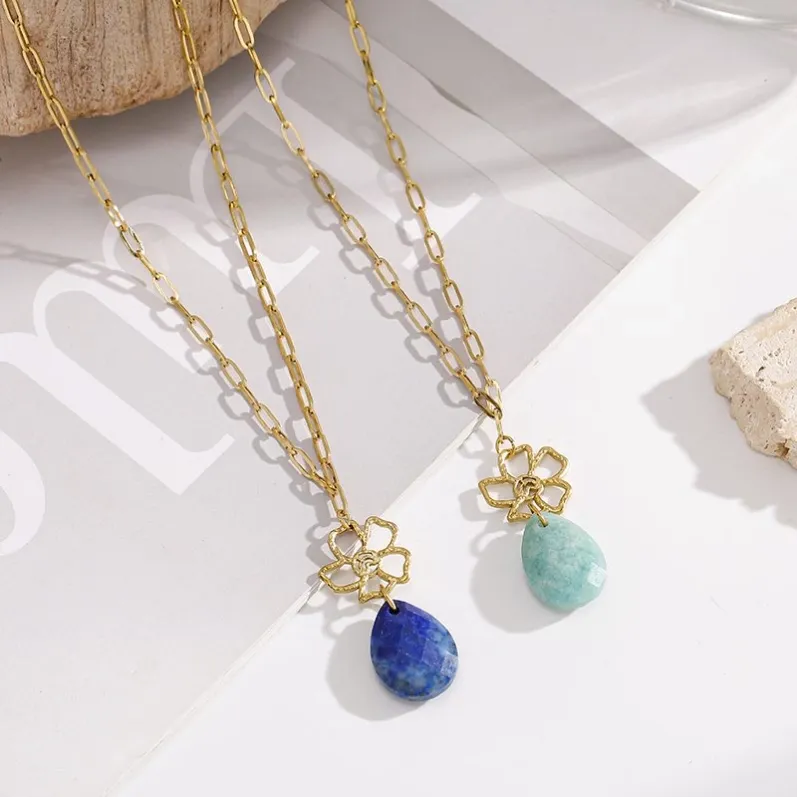
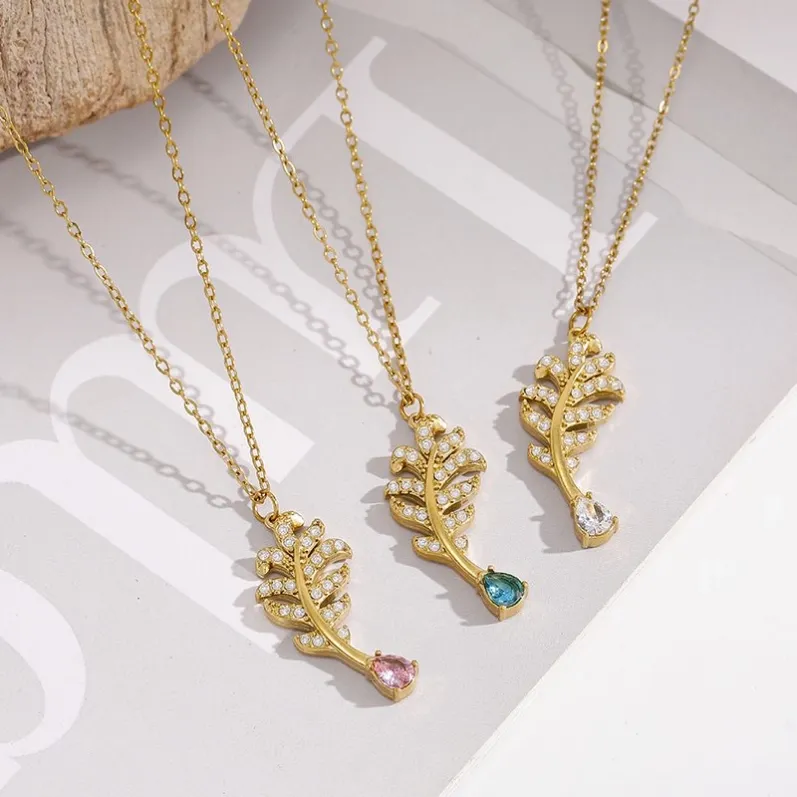
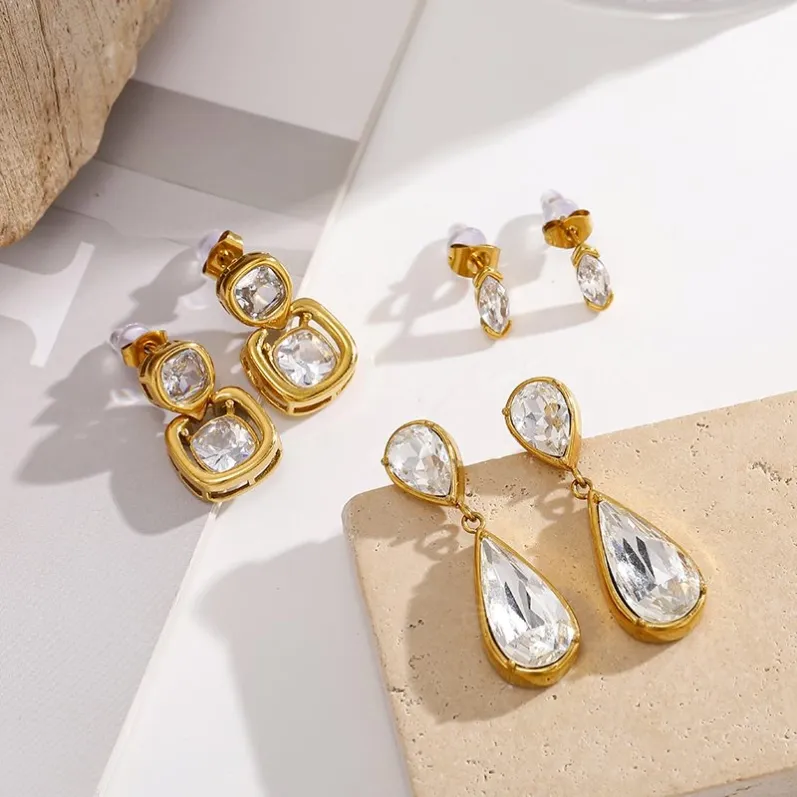
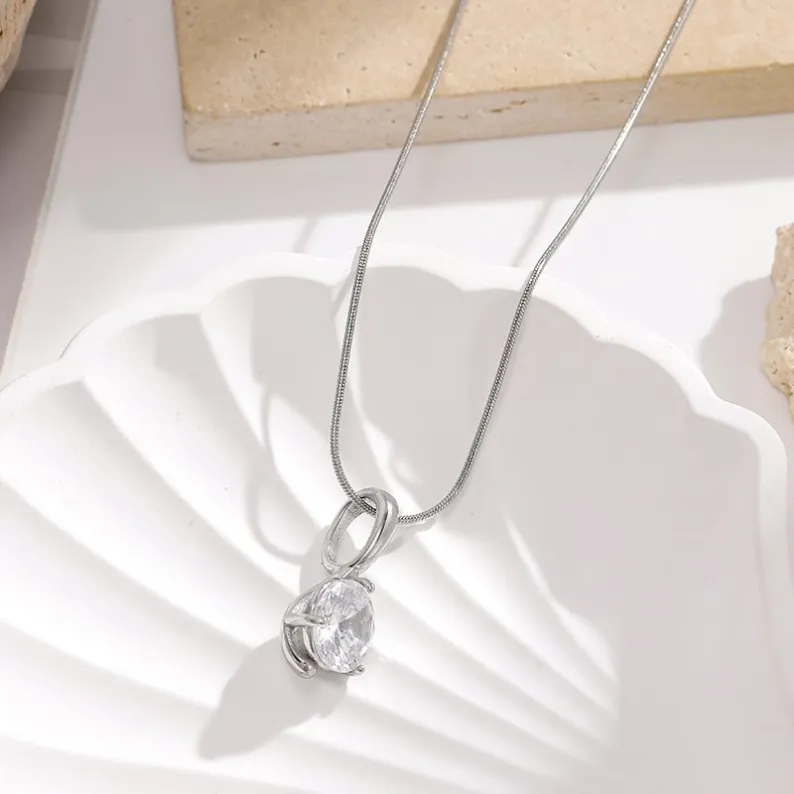
Yes - and for most people this is the single biggest practical reason to choose stainless steel: you put it on and never take it off. Water itself does almost nothing to steel. What actually happens in a shower is more subtle, and knowing it keeps your pieces bright for years.
What a Shower Really Does to Jewelry
The enemy is not the water - it is the film. Soap, shampoo and body wash leave a thin residue that settles into the places water flows last: under ring bands, in chain links, around clasp mechanisms. On steel that film is cosmetic - it dulls the shine until something removes it. On softer metals the same film traps moisture and accelerates the metal's own problems.
Daily showers age steel by millimeters of dullness; they age silver and plated brass by real damage.
How Each Metal Handles the Daily Shower
Material | Daily shower behavior | What you see over months |
|---|---|---|
Stainless steel | Unaffected by water | Slight soap film, wiped away |
PVD 18K gold plated steel | Coating unaffected by water | Warm tone stays; film dulls until wiped |
925 silver | Tarnish accelerates | Darkens faster than dry-worn silver |
Gold plated brass | Plating wears at edges | Base metal shows at high points |
Zinc alloy | Discolors, may smell | Greenish film, skin marks |
The 2-Minute Weekly Reset
Because the film is the only real enemy, the fix is trivial and weekly is enough for daily showerers:
- Warm water with one drop of mild dish soap
- A soft toothbrush, thirty seconds of light brushing - links, under stones, clasp grooves
- Rinse and dry completely with a soft cloth
That is the entire maintenance routine. Compare that with silver, which needs polishing cloths and storage care just to survive the same shower schedule.
Hard Water Spots - and the One Vinegar Rule
In hard-water areas, mineral film leaves faint cloudy spots as it dries. On plain stainless steel, a short soak in a one-to-three white vinegar and water solution dissolves the minerals - rinse well after. The critical exception: never put PVD 18K gold plated pieces in vinegar - acid baths are for plain steel only; warm soapy water and a microfiber cloth do everything a plated piece needs.
When to Take It Off Anyway
Two shower habits do more damage than the water:
- Exfoliating scrubs and rough loofahs - they micro-abrade polished surfaces and, over years, can thin even a bonded PVD coating at high points
- Harsh chemical cleaners - bathroom descalers and bleach-based sprays attack any metal; gloves on, jewelry off
Neither is about the shower itself. Both are about what you bring into it.
The Practical Bottom Line
Steel's shower tolerance is why it dominates the everyday-jewelry category: the piece you never remove is the piece you actually get attached to. Put on a steel chain or band, shower normally, give everything thirty seconds of soap and a dry cloth once a week - and that is the whole story.
Hair Products: The Overlooked Accelerant
Shampoo is mild; the styling products that follow a shower are not. Hairspray, dry shampoo and leave-in treatments coat jewelry in polymers and oils that build up far faster than soap film - especially on earrings and necklaces that sit in the product's spray path. The fix is ordering, not abstinence: jewelry goes on after styling, and gets a soapy wipe whenever hairspray season ramps up.
Products you spray are harder on jewelry than anything the shower itself contains.
Travel Showers: Hotel Water and Different Soap
Holiday showers are where mixed-material jewelry collections drift apart. Hotel water is often harder, complimentary soaps are more alkaline, and the weekly reset routine tends to lapse on vacation. Steel pieces do not notice any of it; a silver or plated piece can come home from a two-week trip visibly darker. This asymmetry is the strongest argument for traveling with steel only - the collection that cannot be damaged by a hotel bathroom is the one you never have to babysit.
The Makeup-Remover and Micellar Water Trap
Evening routines carry their own film risk. Micellar water, cleansing oils and waterproof-makeup removers are engineered to bond with oils and lift them away - and they treat jewelry polish the same way, leaving residue around bands and earring backs. Face wipes drag dissolved products across rings instead of away from them. None of it damages steel; all of it dulls the shine faster than the shower does. The habit that solves it costs five seconds: wash hands with soap after the skincare routine, and give rings a quick soapy rinse at the same time. Earrings deserve the same courtesy on nights heavy with hairspray - one pass with a damp cotton pad along the front of each piece handles most of the residue before it dries in place.
Skincare is a contact sport for jewelry - steel survives the contact, the shine needs the rinse.
One Year of Daily Showers: What Steel Actually Looks Like
Set expectations honestly. After a year of daily showers with no maintenance at all, a polished steel piece looks slightly less mirror-bright - a soft, even film of microscopic soap residue rather than damage. After the same year with a thirty-second weekly wash, most pieces are indistinguishable from new. The gap between those two outcomes is the entire cost of ownership, and it is measured in seconds, not money.
The Weekly Reset for Bracelets and Chains
Bracelets and chains collect film on their undersides, where water flows last. The weekly reset works best with two adjustments: angle the clasp so the brush reaches the groove where skin oil hardens, and lay chains flat to dry so water does not pool in the links. Rings dry fastest worn; chains dry fastest flat.
Frequently Asked Questions
Does shower gel damage stainless steel jewelry?
No - gel and soap only leave a cosmetic film that a weekly wash removes. Steel's surface does not react with typical shower products.
Will my stainless steel ring rust in the shower?
Quality stainless steel does not rust from showering; the chromium oxide layer protects it even in warm soapy water. Rust-style spotting points to a low-grade alloy, not the shower.
Can I shower with PVD 18K gold plated jewelry?
Yes. The coating is bonded to the steel and unaffected by water and soap. Just keep abrasives and acid soaks away from plated pieces.
Why did my jewelry dull after showering?
Almost always soap film, not damage. One wash with mild soap and a soft brush restores the shine completely.
Should I dry my jewelry after every shower?
A quick towel pat is enough for rings and studs; chains and bracelet undersides benefit most from a full dry, since trapped moisture holds soap film against the metal. The drying step is what keeps the weekly wash effective - and it is also the moment to glance at clasps and links, since a thirty-second look catches loose ends long before they become lost pieces.
Do hair products damage stainless steel jewelry?
They leave a film faster than soap does, but the film sits on the surface - a mild soap wash removes it completely. Steel itself does not react with hairspray or dry shampoo.
Is it better to take jewelry off before showering?
For stainless steel there is no need. For silver, plated brass and zinc alloy - yes, daily showers measurably shorten their good looks.
Wholesale Stainless Steel Jewelry from IVANDA
Looking for a reliable stainless steel jewelry supplier? IVANDA supplies 316L pieces with PVD 18K gold plating - waterproof, skin-friendly and made for everyday wear. MOQ 60 pcs per style, in stock and ready to ship, with OEM/ODM services for custom designs. Message us on WhatsApp or email sales01@ivanda-fa.com for the latest catalog and wholesale prices.