Oct 19, 2026
Stainless Steel Jewelry and Hard Water: What to Know
Hard water doesn't corrode stainless steel jewelry - it leaves a dulling mineral film. Here's the difference, the fix, and a 30-second prevention habit.
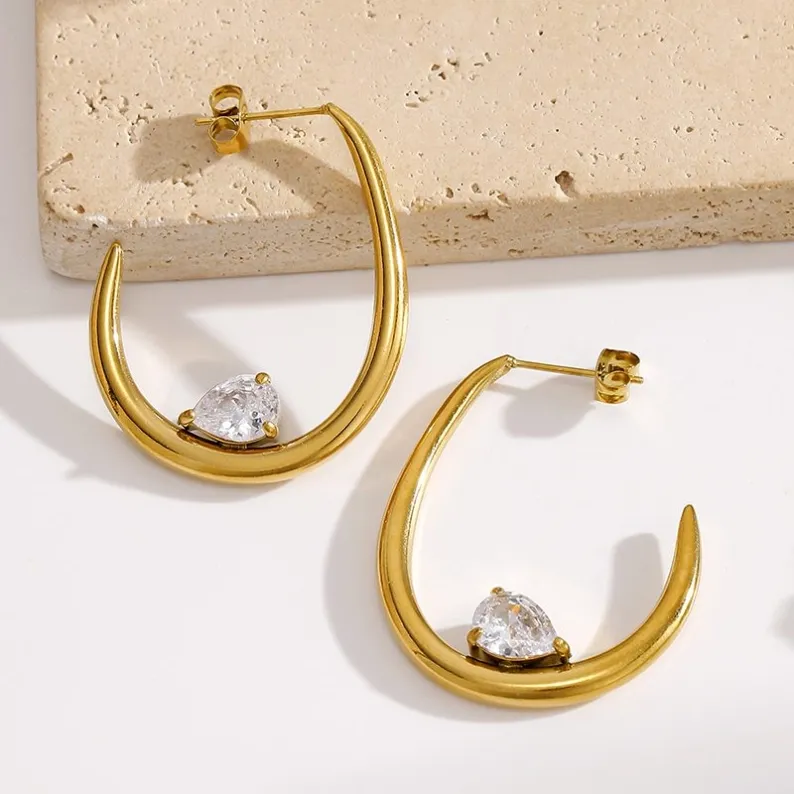
Hard water will not corrode stainless steel jewelry - but the calcium and magnesium it carries can dry into a dull mineral film that makes even new pieces look tired.
If your jewelry looks slightly gray after a week of showers but returns to full shine after a proper clean, you have already met this problem. It is a classic confusion in jewelry care: water that is harmless to the metal leaves visible residue on its surface. Understanding the difference between corrosion, which damages the metal, and buildup, which merely sits on top, tells you when to worry and when to just wipe - and why stainless steel behaves so differently from silver, plated brass and zinc alloy.
Corrosion vs. Buildup: Two Different Problems
That cloudy haze on your ring is limescale, not rust - and the distinction decides everything about how you deal with it.
Corrosion is chemical attack on the metal itself. 316L stainless steel resists it because its chromium forms a thin, self-repairing oxide layer on the surface; as long as that layer stays intact, ordinary water does not break down the alloy underneath. Buildup is purely physical: hard water carries dissolved calcium and magnesium, and when droplets evaporate on a jewelry surface, the minerals stay behind as a faint white film - the same limescale you see on shower doors and kettle walls.
The practical difference is huge: corrosion changes the metal permanently, while buildup just sits on top. Remove the film and the original polish is still underneath.
Material | Corrosion risk from hard water | Mineral film behavior | Effect on appearance |
|---|---|---|---|
316L stainless steel | Very low - the passive chromium oxide layer protects the alloy | Film builds up like on glassware and wipes away with cleaning | Dulls shine, leaves white spotting |
925 sterling silver | Low corrosion, though tarnish develops from air pollutants | Film accumulates on top of tarnish | Double dulling - haze plus tarnish together |
Gold plated brass | Higher - thin plating and the base metal beneath are both vulnerable | Film settles into the worn spots of the plating | Patchy, uneven look that hard scrubbing makes worse |
Zinc alloy | Highest - unprotected zinc alloy can discolor and pit with moisture alone | Film plus possible corrosion underneath | Dark spotting that cleaning may not fully reverse |
Read the table row by row and you see why stainless steel dominates everyday jewelry: it is the metal least bothered by water, in every sense.
Where Mineral Film Hides
Film collects wherever water sits longest: under stone settings, inside clasp mechanisms, and in the gaps where chain links overlap.
A flat bangle face dries in seconds, so it shows film last. The trouble spots are geometric: the tiny capillary gap around a stone setting holds a droplet for hours; the spring channel of a lobster clasp traps water and soap where no towel gets into; overlapping chain links pin a small bead of water in the junction. Engraved letters and hammered textures each hold a miniature pool of their own.
These spots dry slowly and concentrate their minerals, which is why a necklace often dulls unevenly, cloudiest exactly where its links cross. Wet metal always looks shiny; the film only shows once the piece dries - which is why people notice it in photographs rather than in the shower.
How to Remove Hard Water Film
Vinegar is for bare steel only - on PVD 18K gold plated pieces, warm soapy water and a microfiber cloth do the job with zero risk to the finish.
For plain stainless steel
Start gentle: warm water, a drop of dish soap, and thirty seconds with a soft-bristled brush removes most fresh film. If haze persists - in hard water areas it usually does - move to a mild acid soak. Mix one part white vinegar with three parts warm water, submerge the piece for two to three minutes, rinse thoroughly, and dry with a microfiber cloth. Acetic acid dissolves calcium carbonate, which is exactly what limescale is. A longer soak is not a better soak; keep it short, and reserve this method for unplated steel only.
For PVD 18K gold plated pieces
Skip the vinegar entirely. A plated surface gains nothing from acid, and repeated acidic soaks are a needless risk across a coating's life. Warm soapy water, gentle brushing, a clean-water rinse and a buff with a dry microfiber cloth restore the shine safely. Microfiber matters more here than with bare steel: its fibers lift residue instead of dragging it across the coating - the abrasion that slowly thins any plating.
Wearing Your Jewelry in the Shower
Daily showers do not hurt the steel - they simply schedule your cleaning routine for you.
In a hard water area, a plain 316L ring or chain collects a visible film within a week or two of daily showers; the metal is unharmed the entire time. Soap compounds the effect - soap plus dissolved minerals forms exactly the scum that coats shower doors, and it clings to jewelry the same way. Hot water speeds evaporation, so droplets dry into spots faster instead of rolling off.
For PVD plated pieces, the calculation includes time as well as water. The coating shrugs off water, but years of daily hot showers plus friction from skin, clothing and towels gradually thin any plating. Wear it in the shower if you like - just clean it gently and dry it, and do not expect any plated finish to look factory-new after years of daily abrasion. That is an honest limit of the technology, not a flaw of one brand.
Prevention: The 30-Second Wipe-Down Habit
Rinse in clean water and wipe with microfiber after showering, and the minerals never get the chance to dry into film.
The whole habit fits in half a minute. After a shower, a swim or a workout, hold the jewelry under a moment of clean tap water, then press it dry with a microfiber cloth. Microfiber is worth insisting on: its fibers lift residue, while cotton and paper smear the film around. The wipe removes mineral-laden droplets before evaporation concentrates them - and that moment is the only one where prevention is possible.
Twice a month, add a proper clean: soapy water, soft brush, thorough rinse, full dry. Store pieces dry and separately, in a soft pouch or divided box, so chains cannot scratch one another. People in soft water areas can skip half of this; everyone else will find the wipe-down pays for itself the first time a ring looks showroom-bright after months of daily wear.
Frequently Asked Questions
Can I wear stainless steel jewelry in the shower with hard water?
Yes. Hard water does not corrode 316L stainless steel - the chromium oxide layer on its surface protects the alloy from water alone. The cost is cosmetic: minerals left by evaporating droplets build into a dulling film. Worn daily in a hard water area, pieces just need a rinse-and-wipe after showers and a proper clean every couple of weeks.
Does hard water rust stainless steel?
No. Rust would mean the protective chromium oxide layer has failed, which plain hard water does not cause. What looks like rust is almost always mineral film or soap scum - white or grayish, and it wipes off with soapy water or a short vinegar soak on bare steel only. Genuine pitting needs far harsher chemistry than tap water.
Is vinegar safe for gold plated stainless steel?
Not as a soak. For PVD 18K gold plated pieces, skip acidic soaks entirely - the plating gains nothing from acid. Use warm water with a drop of dish soap, a soft brush and a microfiber buff instead. Only bare, unplated stainless steel should take the one-part-vinegar-to-three-parts-water soak.
Why does my jewelry look cloudy after swimming?
Two reasons: minerals and disinfectants. Pool water and seawater both leave residue as they dry - calcium compounds from hard fill water, or salt from the ocean - and chlorine can speed surface dulling on some metals. Rinse jewelry in clean fresh water after swimming and dry it with a microfiber cloth; that step removes most of what the water left behind.
How often should I clean stainless steel jewelry in a hard water area?
For daily-wear pieces, a rinse-and-wipe after showering plus a proper soapy clean every one to two weeks keeps film away. Occasionally worn pieces need cleaning only when they visibly dull. The interval scales with your water hardness and how often the jewelry gets wet - the harder and hotter the water, the shorter the interval.
Wholesale Stainless Steel Jewelry from IVANDA
Looking for a reliable stainless steel jewelry supplier? IVANDA supplies 316L pieces with PVD 18K gold plating - waterproof, skin-friendly and made for everyday wear. MOQ 60 pcs per style, in stock and ready to ship, with OEM/ODM services for custom designs. Message us on WhatsApp or email sales01@ivanda-fa.com for the latest catalog and wholesale prices.