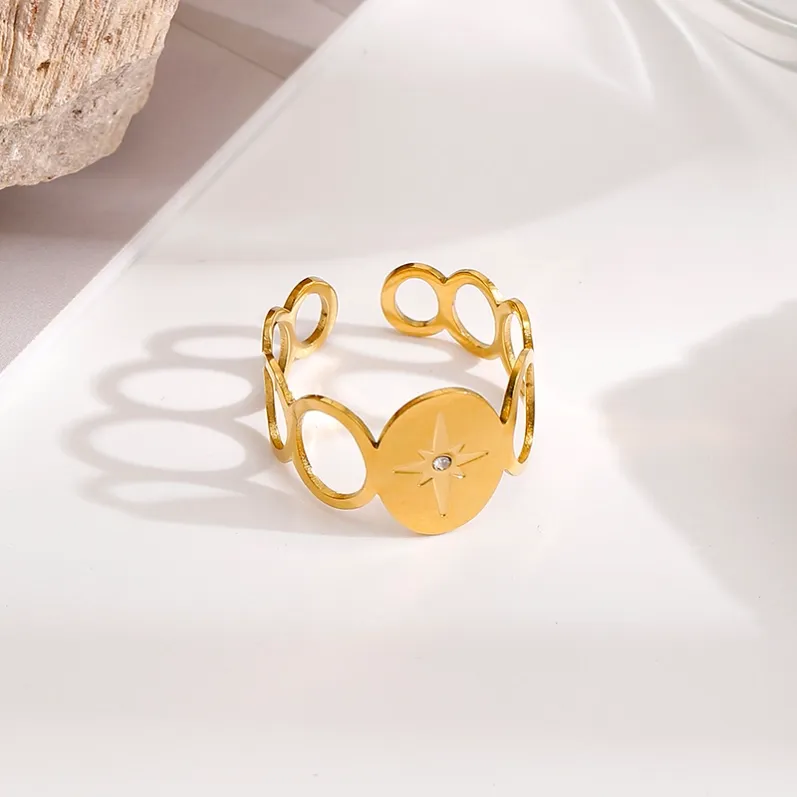
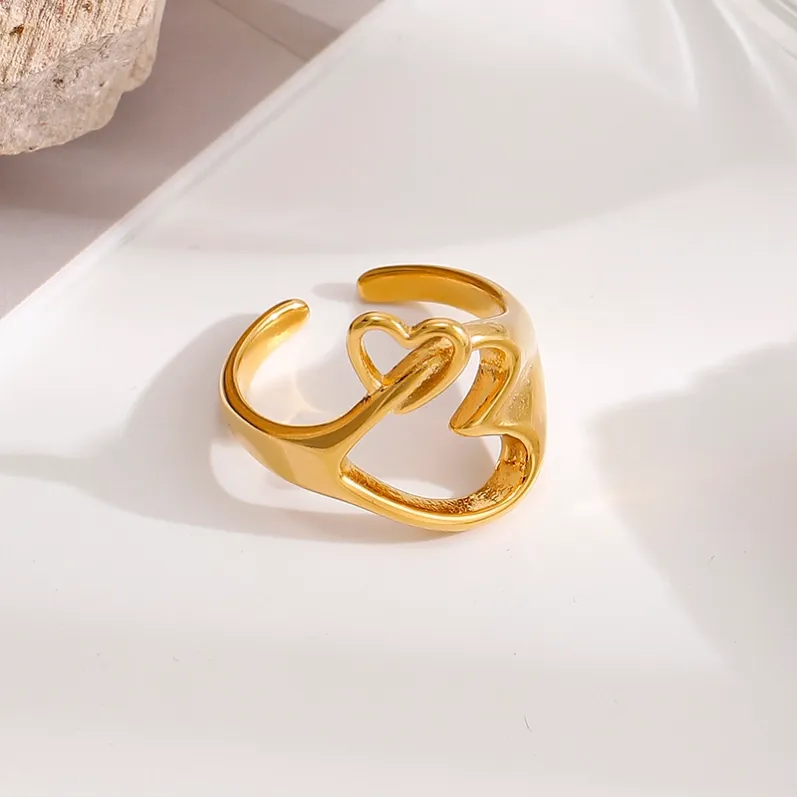
B2B vs B2C Jewelry Selling: Key Differences Explained
How selling jewelry B2B differs from B2C: buyers, order cycles, pricing logic, marketing channels and which model fits your stainless steel business.
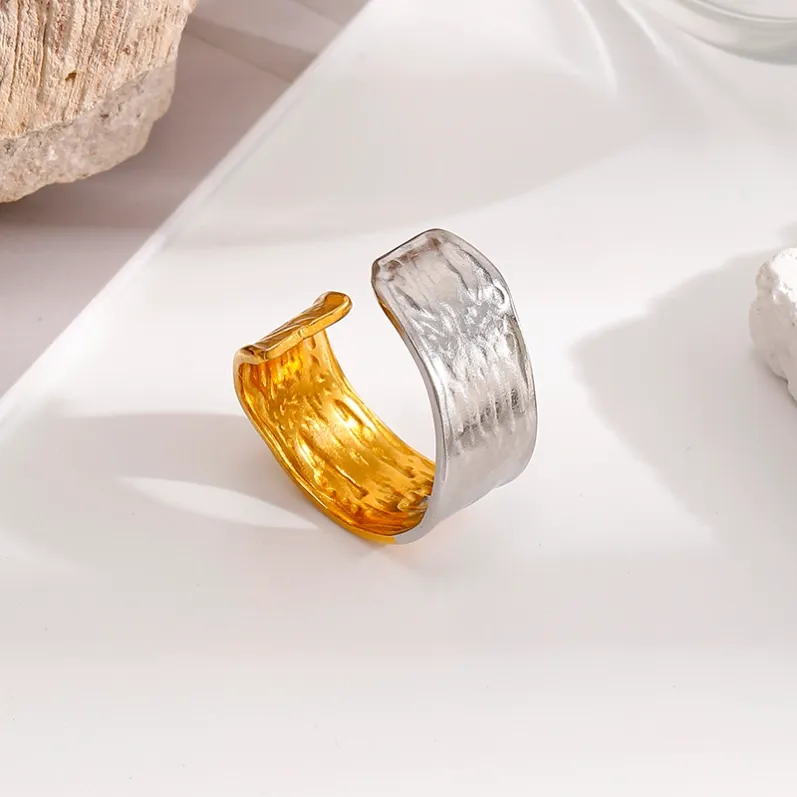
The same stainless steel chain can travel through two completely different businesses: one where a store buyer orders dozens of pieces to resell, and one where an individual customer buys a single piece for herself. B2B and B2C jewelry selling differ in buyer motivation, order size, pricing logic and marketing — and understanding both sides makes you sharper at either. This guide breaks down the differences and helps you pick your model.
The Core Difference at a Glance
B2B selling is built on repeat relationships and reliability; B2C selling is built on emotion, identity and a single moment of wanting.
Everything else — pricing, marketing, service — flows from that distinction. A store buyer asks "will this sell in my shop and make me money?" A retail customer asks "does this feel like me?"
Dimension | B2B (wholesale) | B2C (retail) |
|---|---|---|
Buyer | Store owner, buyer or brand | An individual customer |
Motivation | Margin, sell-through, reliable supply | Style, meaning, gifting, self-expression |
Order size | Many pieces across many styles | One to a few pieces |
Decision speed | Weeks, often several conversations | Minutes to days |
Relationship | Ongoing and reorder-driven | Transactional and brand-driven |
Content that works | Line sheets, catalogs, samples | Photos, styling, reviews |
How B2B Jewelry Selling Works
In wholesale, the product is only half the offer — the other half is dependability: consistent quality, on-time delivery and communication a buyer can plan a season around.
A store buyer is spending the shop's money, and every order has to earn its shelf space. Buyers evaluate suppliers on things a retail customer never sees: whether quality is identical from batch to batch, whether shipments land when promised, whether problems get answered in hours instead of days. One bad delivery can cost a buyer a selling season, so trust compounds slowly and collapses quickly.
The real business in B2B is the reorder. First orders prove you can deliver; profit lives in the third, fifth and tenth, as a store restocks what actually sold. That is why wholesale sellers invest in relationships — checking in after delivery, flagging new designs early, treating a small first order as an audition. Our guide to choosing a jewelry manufacturer in China covers the same evaluation from the buying side.
How B2C Jewelry Selling Works
In retail, you are selling a feeling with a piece of steel attached — photos, styling and reviews do more work than any spec sheet.
A retail customer buys for herself, for a friend, for an occasion. She decides in seconds from a photo, and what convinces her is not the alloy grade but the story: how the piece looks on a real wrist, how it pairs with what she owns, whether other buyers loved it. Photography, honest reviews and styling content carry the sale.
Care content quietly does the rest. When a customer learns her 316L steel necklace handles showers and swim days without turning her skin green, the purchase feels safe — and trust brings her back. Our FAQ page collects the material and care answers retail customers ask most.
Pricing Logic: Two Different Math Problems
Wholesale pricing is built backwards from a retailer's margin, while retail pricing is built around brand positioning — the same piece needs two price structures, not one.
Wholesale buyers think in margins: what they pay must leave room to price the piece for their own market and still profit after rent, staff and marketing. Set wholesale prices with that structure in mind and hold them steady — buyers build their retail prices on yours, and surprise increases break that trust. Retail pricing reflects positioning, perceived value and what the brand needs to earn per piece, with more freedom to adjust.
The same ring therefore lives two lives at two price levels, and confusing the two — selling retail prices to a store that could buy wholesale — is the fastest way to lose the account. Our breakdown of pricing wholesale jewelry for retail margin walks through the arithmetic both sides share.
Marketing Channels: Where Each Audience Lives
B2B buyers are found through search, trade shows and referrals; B2C customers are found through social feeds, marketplaces and search-driven content.
Channel | B2B reach | B2C reach |
|---|---|---|
Search content | Core — buyers research suppliers deeply | Strong — customers research products |
Instagram and TikTok | Proof the brand is active and real | Primary discovery engine |
Trade shows | A core ordering channel | Not applicable |
Marketplaces | Occasionally, via B2B platforms | A core sales channel |
Email | Reorder prompts and new line sheets | Launches, care tips, promotions |
The consequence: a wholesale seller needs a credible catalog, clear prices and search visibility, because buyers arrive having compared options. A retail seller needs a feed worth scrolling and friction-free checkout. Budgets follow the split — wholesale spends on samples and catalogs, retail on photos and reach.
Which Model Fits Your Business?
Choose B2C if you love brand-building and content; choose B2B if you prefer operations and relationships — and many sellers run both, with clear separation.
B2C moves fast: small orders, quick feedback, constant content, cash flowing in daily. B2B moves slow: fewer, larger orders, longer negotiations, but a reorder base that pays the bills while you sleep. Cash flow rhythm is the biggest practical difference — wholesale invoices often settle weeks after delivery, so B2B-heavy businesses need more working capital than retail ones.
Running both is common and sensible, with rules: keep wholesale and retail prices far enough apart that stores never feel undercut, build a separate line sheet for buyers, and decide which channels serve which audience. A brand selling retail direct while supplying other shops can thrive — as long as neither side sees the other's pricing. For brands ready to develop their own designs rather than resell stock, our OEM/ODM services page explains custom production from sketch to shipment.
Frequently Asked Questions
Quick answers on the differences between B2B and B2C jewelry selling.
Is wholesale jewelry the same as B2B selling?
Yes — wholesale is the B2B side of jewelry: you sell to stores, e-commerce brands or distributors who resell to their own customers. The defining features are business buyers, multi-piece orders, wholesale pricing and repeat reorders. Retail, or B2C, is selling directly to the end customer, one piece or one gift at a time.
Can one brand sell both B2B and B2C?
Many do, and it diversifies income — but keep the two sides cleanly separated. Publish wholesale and retail prices that leave stores real margin, create a dedicated line sheet and ordering process for buyers, and avoid undercutting your own stockists with flash sales they can see. A clear channel policy protects both revenue streams and the relationships behind them.
Why are wholesale prices lower than retail?
Wholesale buyers purchase in volume and take on the work of reselling — stocking, marketing and selling to the final customer — so they buy at a price that leaves them workable margin. Retail prices carry the brand story, packaging and direct service. The difference is not a discount; it is payment for two different jobs in the chain.
Do B2B buyers care about design trends?
Deeply — a store buyer's inventory has to move, so buyers watch what their customers wear and ask for trends ahead of the season. Speed matters as much as taste: buyers favor suppliers who release new designs regularly and can flag what is selling elsewhere. A supplier offering only last year's shapes loses shelf space to one who does not.
Which model is easier for a beginner?
B2C is usually the easier start: faster cash cycles, direct customer feedback and no wholesale commitments to manage. B2B typically rewards sellers with some operating history, because store buyers ask about reliability, consistency and supply before they commit. Many successful brands begin retail-first, then open wholesale once their designs have proven demand.
Wholesale Stainless Steel Jewelry from IVANDA
Looking for a reliable stainless steel jewelry supplier? IVANDA supplies 316L pieces with PVD 18K gold plating - waterproof, skin-friendly and made for everyday wear. MOQ 60 pcs per style, in stock and ready to ship, with OEM/ODM services for custom designs. Message us on WhatsApp or email sales01@ivanda-fa.com for the latest catalog and wholesale prices.