Oct 19, 2026
Stainless Steel Jewelry for Teenagers: Parent Guide
Stainless steel jewelry for teenagers: why it survives school and sports, what sensitive-skin families should know, and styles teens actually want to wear.
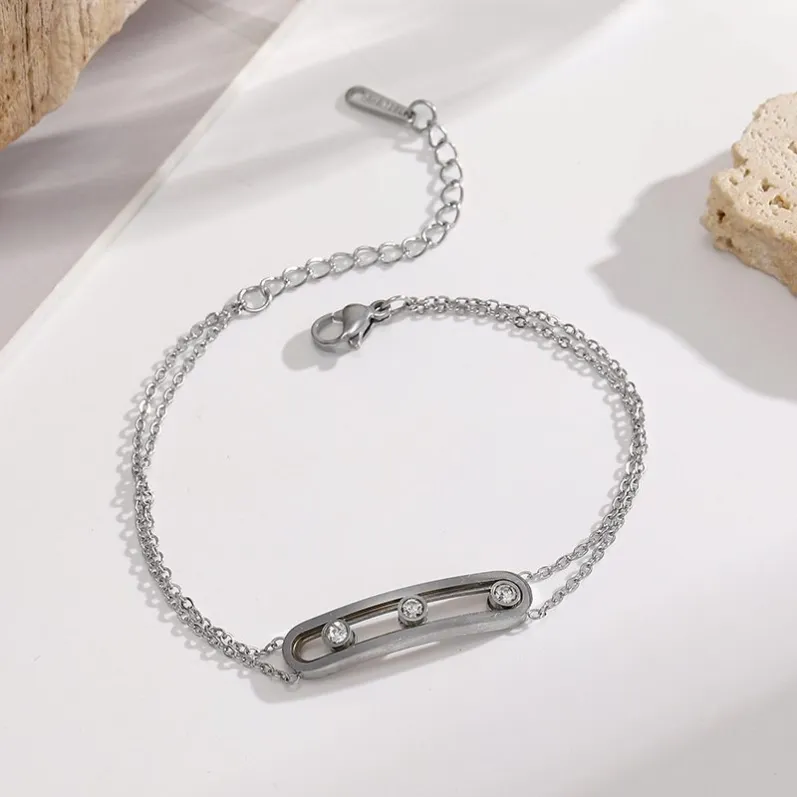
Stainless steel hits the practical sweet spot for a teenager's first real jewelry — it survives sports, showers and the bottom of a school bag — while staying affordable enough that changing tastes never turn into a financial problem.
Between the plastic dress-up jewelry of childhood and fine jewelry there is an awkward stage: a teenager wants pieces that feel grown-up, but those pieces will live in a gym bag, get worn through PE class and sleepovers, and be forgotten at the bottom of a week's laundry. This parent's guide covers why 316L stainless steel fits that stage so well, what the material actually is in plain words, an honest word on sensitive skin, the styles that survive school rules, and the one category of jewelry worth steering clear of.
Why Stainless Steel Suits a First Real Piece
The core argument is durability under real conditions: stainless steel keeps looking good through exactly the treatment that ruins most other first-jewelry materials.
Consider how the piece will actually be used:
- Sweat and sports. Perspiration corrodes many fashion metals within weeks. Stainless steel shrugs it off, and a wipe with a dry cloth is the entire maintenance routine.
- Showers and swimming. A steel chain can go through the daily shower without rusting. Chlorinated pools are harsher on any metal, so a quick fresh-water rinse after swimming is a smart habit — but the piece does not degrade the way plated fashion jewelry does.
- Scratches and knocks. Steel is a hard metal. A chain knocking against a desk all day collects fine surface marks, not dents — though no jewelry is indestructible, and a hard hit can still scratch a polish or bend a thin band.
- No rituals required. There is no polishing schedule and no "take it off before washing your hands" discipline being asked of a fourteen-year-old.
For a first real piece — something with a genuine stamp, a proper clasp and a sense of permanence — that combination is hard to beat.
The Material Science, in Plain Words
316L is a low-carbon stainless steel with roots in demanding industrial uses, and its toughness comes from a self-repairing surface layer of chromium oxide.
Here is the plain-language version. Stainless steel is an iron alloy carrying a large dose of chromium — in 316L, roughly 16–18%. Chromium reacts with oxygen and forms an invisible, stable layer of chromium oxide across the whole surface. That layer is what stops rust: if the surface gets scratched, the layer re-forms on its own in the presence of oxygen. 316L also carries about 10–14% nickel, which stabilizes the structure of the alloy, and 2–3% molybdenum, which improves resistance to the chlorides found in sweat and pool water.
You will sometimes see 316L called "surgical steel," a nod to its long history in instruments and implants. The "L" stands for low carbon, which matters for welding and long-term corrosion behavior. Compared with cheaper 201 steel — which swaps much of the nickel for manganese — 316L holds its polish and resists pitting far better under daily sweat-and-shower conditions. That is material science rather than marketing, and the difference shows up in how the piece looks after a year on a teenager's wrist.
What Sensitive-Skin Families Should Know
Most people wear 316L comfortably every day — but honesty requires the other side of the story: a minority of people have a true nickel sensitivity, and any nickel-containing alloy can bother them.
The nickel inside 316L is bound into the alloy, and the chromium oxide layer minimizes how much of it releases onto the skin. That is why most wearers, including most teenagers with mildly reactive skin, never notice anything. But sensitivity varies from person to person, and someone with acute nickel sensitivity can still react to prolonged contact with any nickel-containing metal.
If your teenager has reacted to costume jewelry before — redness, itching or small bumps under a ring band or at an earring site — treat the first steel piece as a test run. Start with one item, wear it for several days, and check the skin underneath. Earrings deserve extra patience, because pierced skin sits in constant contact with the post. And keep expectations realistic: 316L is among the more forgiving everyday metals, but no jewelry suits every body.
Style Options That Work at School
The best first pieces are small, low-profile and boring in the best possible way — they stay on through class, practice and sleep without breaking school dress codes.
Style | Why it works for teenagers | What to look for |
|---|---|---|
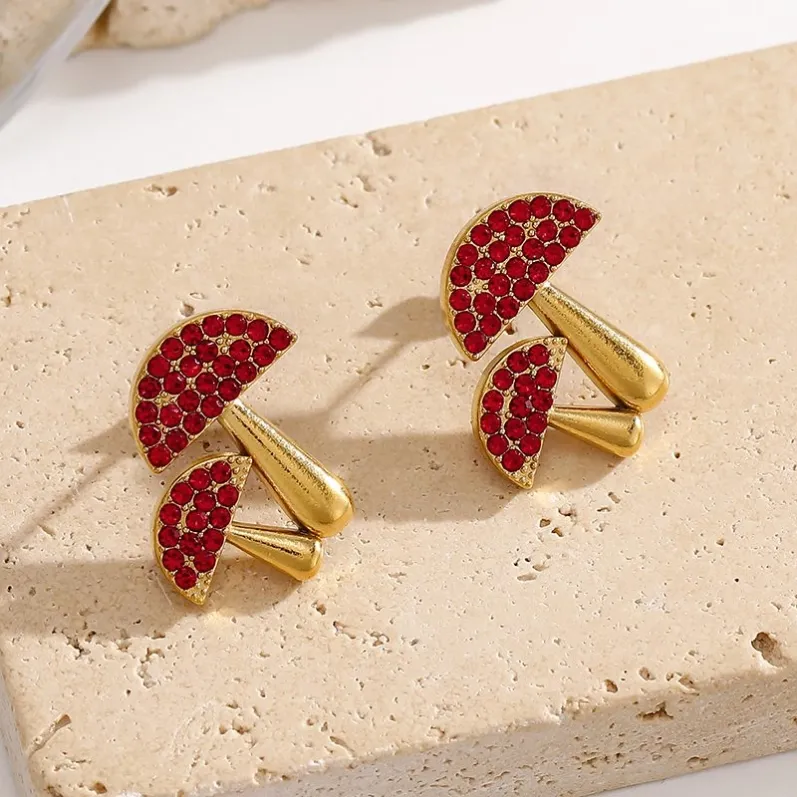
Stud earrings | Small, quiet, allowed in most schools, comfortable enough to sleep in | 3–5 mm posts in 316L with secure backs |
Thin chains (40–45 cm) | Tuck under a collar for PE, and layer well as tastes mature | 1–1.5 mm cable or curb link with a lobster clasp |
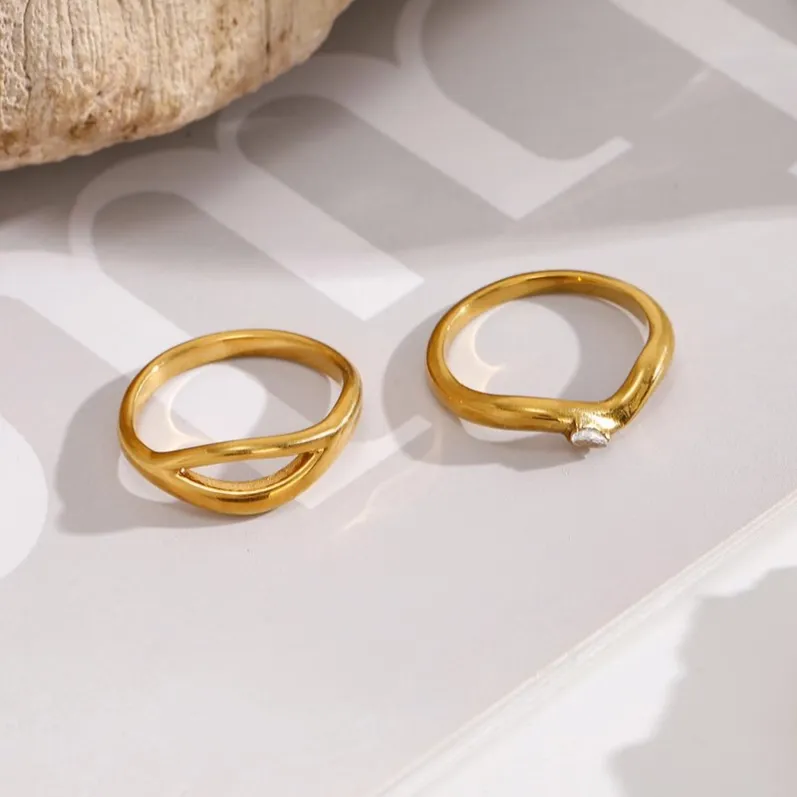
Stacking rings | Express personality; easy to mix, swap and collect over time | Thin 1–2 mm bands with no sharp edges or tall settings |
Charm bracelets | Grow with the wearer — a base bracelet plus charms added across years | Sturdy links with clasped charms that survive a school day |
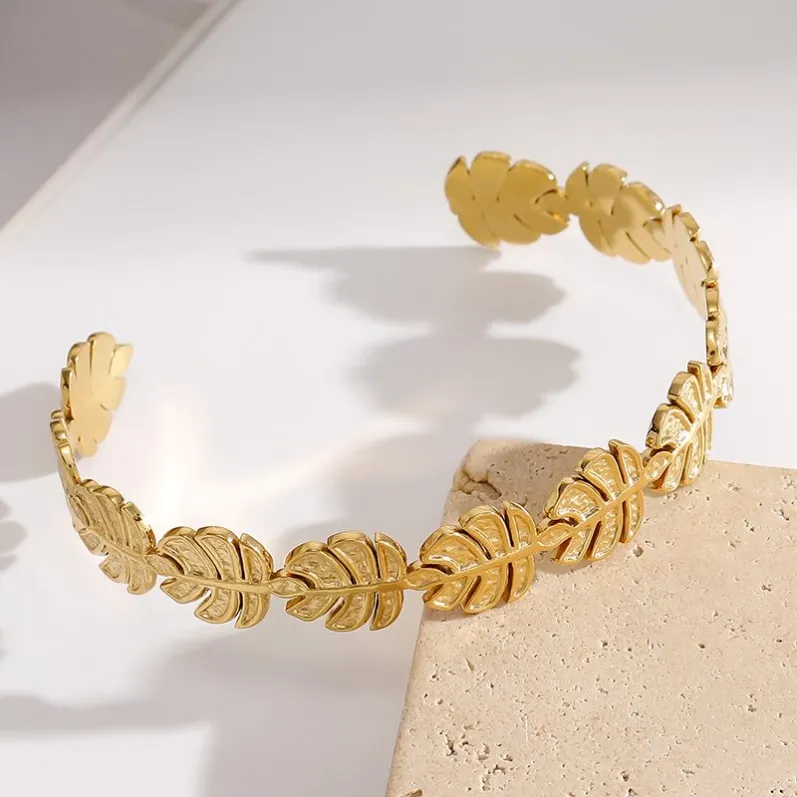
A PVD 18K gold plated piece is a popular middle step: the steel body brings the durability, while the warm tone feels more like real jewelry to a teenager used to silver-grey metal. Even quality plating wears gradually after years of abrasion, so set that expectation at purchase rather than after the first scuff.
The Budget Side: Changing Tastes Are Normal
Teenagers' tastes shift with trends and friend groups — which is exactly why an affordable, durable material beats a precious one at this stage.
Think in cost per wear rather than sticker comparison. A steel chain worn daily across two school years delivers far more value per wear than a trend piece worn twice, and it still looks presentable at the end. Because styles move on — the stacking-ring phase gives way to a charm-bracelet phase — a collection built on affordable steel lets a teenager experiment without guilt, and pieces that fall out of favor cost little to shelve until they circle back into fashion. The durable ones usually resurface later anyway, which is more than can be said for the plastic era.
What to Avoid: Unmarked Mystery Metal
The one category worth avoiding is cheap unmarked alloy jewelry — the kind sold in vending machines, claw machines and blister packs with no material information at all.
These pieces are typically cast from unknown copper, zinc and nickel blends, or plated over mystery metal. The tells are consistent: no stamp anywhere, feather-light weight, rapid tarnish, and — the classic — green marks on skin after a day of wear, a signature of copper-rich alloys reacting with sweat. For a teenager with any skin reactivity, these are the pieces most likely to trigger it. A simple family rule works well: no material information on the card or the piece, no daily wear. Marked steel with a stated grade is the baseline for anything that stays on overnight.
Frequently Asked Questions
Can teenagers shower and swim with stainless steel jewelry?
Yes — daily showers are fine, and the steel will not rust from water. For chlorinated pools, a quick rinse in fresh water afterward is a smart habit for any metal. Beach days are fine too; sand and salt simply call for the same rinse.
Is stainless steel okay for a teenager with sensitive skin?
Most people wear 316L comfortably because its nickel is bound in the alloy and the chromium oxide layer minimizes release. Anyone with a known acute nickel sensitivity should test a single piece first and watch the skin underneath for a few days before daily wear.
What is the best first piece of stainless steel jewelry?
Small stud earrings or a thin 40–45 cm chain are the classic starting points. Both are low-profile enough for school, comfortable enough to sleep in, and easy to build on — a ring stack or charm bracelet can come later as confidence grows.
Why does some cheap jewelry turn skin green?
Green marks come from copper in cheap alloys reacting with sweat and skin oils. 316L stainless steel contains no copper as an alloying element, so it does not cause this. If a piece sold as stainless steel turns skin green, the material is not what it claimed.
How is 316L different from cheaper stainless steel?
Cheaper grades like 201 replace much of the nickel with manganese and drop the molybdenum, so they resist sweat and moisture noticeably less and can dull or pit within months. 316L costs a little more and holds up years longer in daily wear.
Wholesale Stainless Steel Jewelry from IVANDA
Looking for a reliable stainless steel jewelry supplier? IVANDA supplies 316L pieces with PVD 18K gold plating - waterproof, skin-friendly and made for everyday wear. MOQ 60 pcs per style, in stock and ready to ship, with OEM/ODM services for custom designs. Message us on WhatsApp or email sales01@ivanda-fa.com for the latest catalog and wholesale prices.