Oct 23, 2026
Stainless Steel Jewelry Myths: 10 Debunked
Does stainless steel jewelry rust, tarnish or turn skin green? Ten common stainless steel jewelry myths checked against how 316L really behaves.
Most stainless steel jewelry myths were formed years ago, based on cheap fashion pieces that were never 316L in the first place. The material in quality stainless steel jewelry today behaves very differently from the scratchy, green-leaving steel of memory — but the old stories still circulate in reviews, marketplaces and comment sections.
This article checks the ten misconceptions we hear most against how modern stainless steel jewelry actually behaves — including the honest limits the optimistic answers skip.
The 10 Myths at a Glance
Every myth below contains a grain of truth — which is exactly why it survives.
# | The myth | The reality |
|---|---|---|
1 | Stainless steel jewelry looks cheap | Finish quality, not the metal, decides the look |
2 | It rusts and turns skin green | 316L resists rust; green marks come from copper alloys |
3 | All stainless steel is the same | Grades differ; 316L is the jewelry standard |
4 | You can never get it wet | Daily water is fine; long chemical soaks are not |
5 | It tarnishes like silver | No sulfur tarnish layer forms on steel |
6 | Gold plating rubs off in weeks | PVD 18K gold plated lasts years, but is not permanent |
7 | A magnet exposes every fake | Magnetism is a clue, not a verdict |
8 | It needs special jewelry cleaners | Mild soap and a soft cloth do the job |
9 | It only suits casual outfits | Finish and design decide formality |
10 | Once scratched, it is ruined | Most marks blend in or can be buffed away |
The Myths, One by One
Ten misconceptions, each answered with what is true, what is not, and where the honest limits sit.
Myth 1: Stainless steel jewelry looks cheap
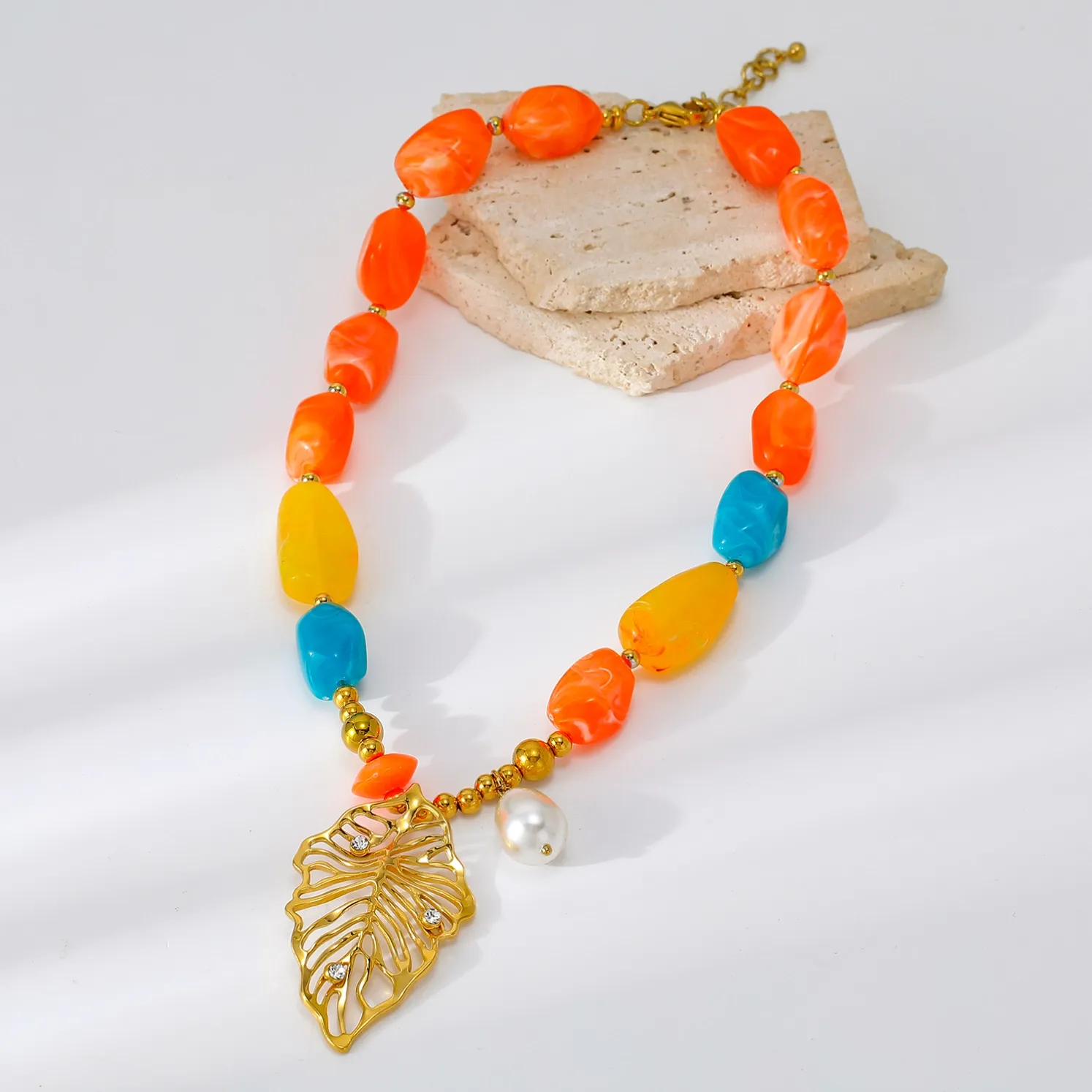
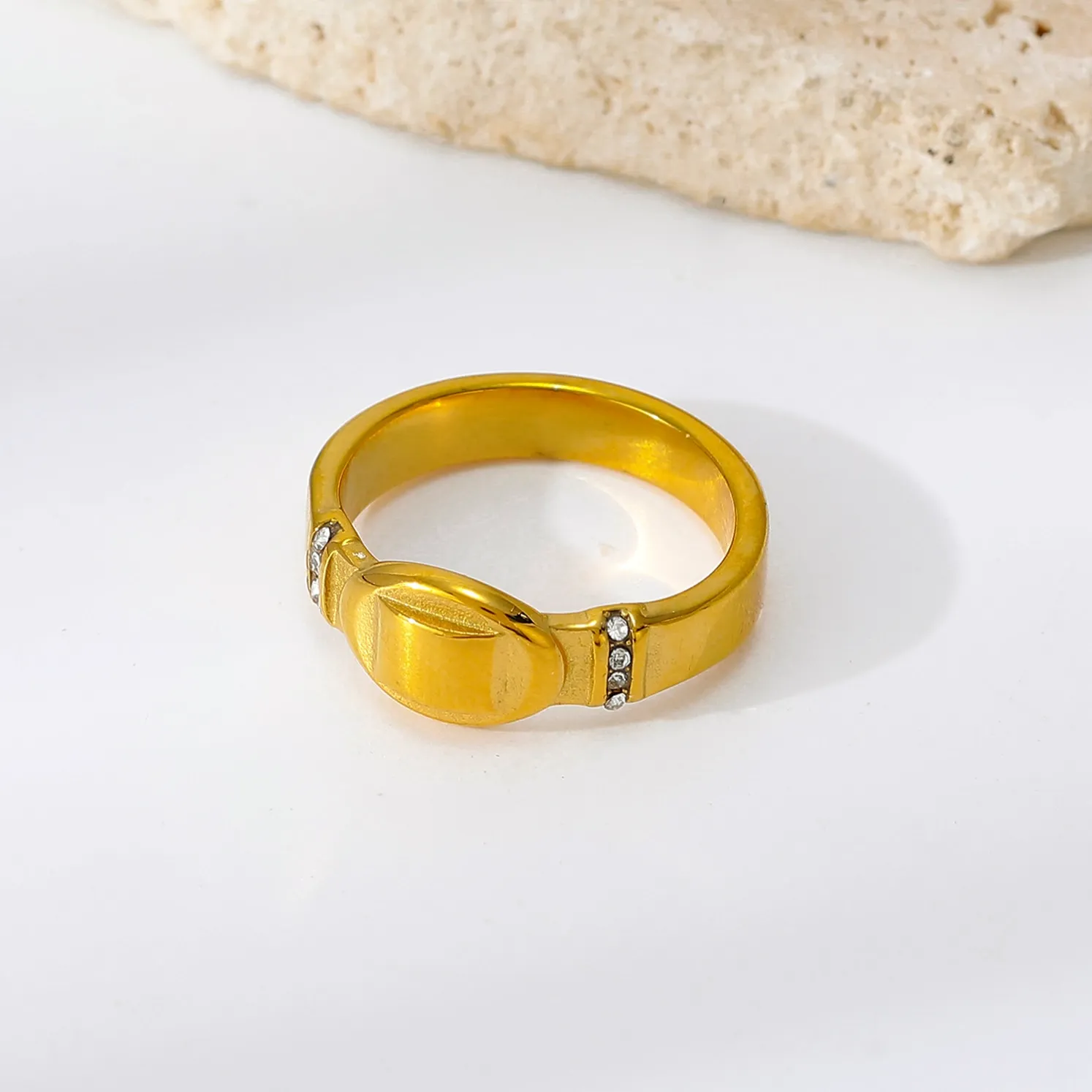
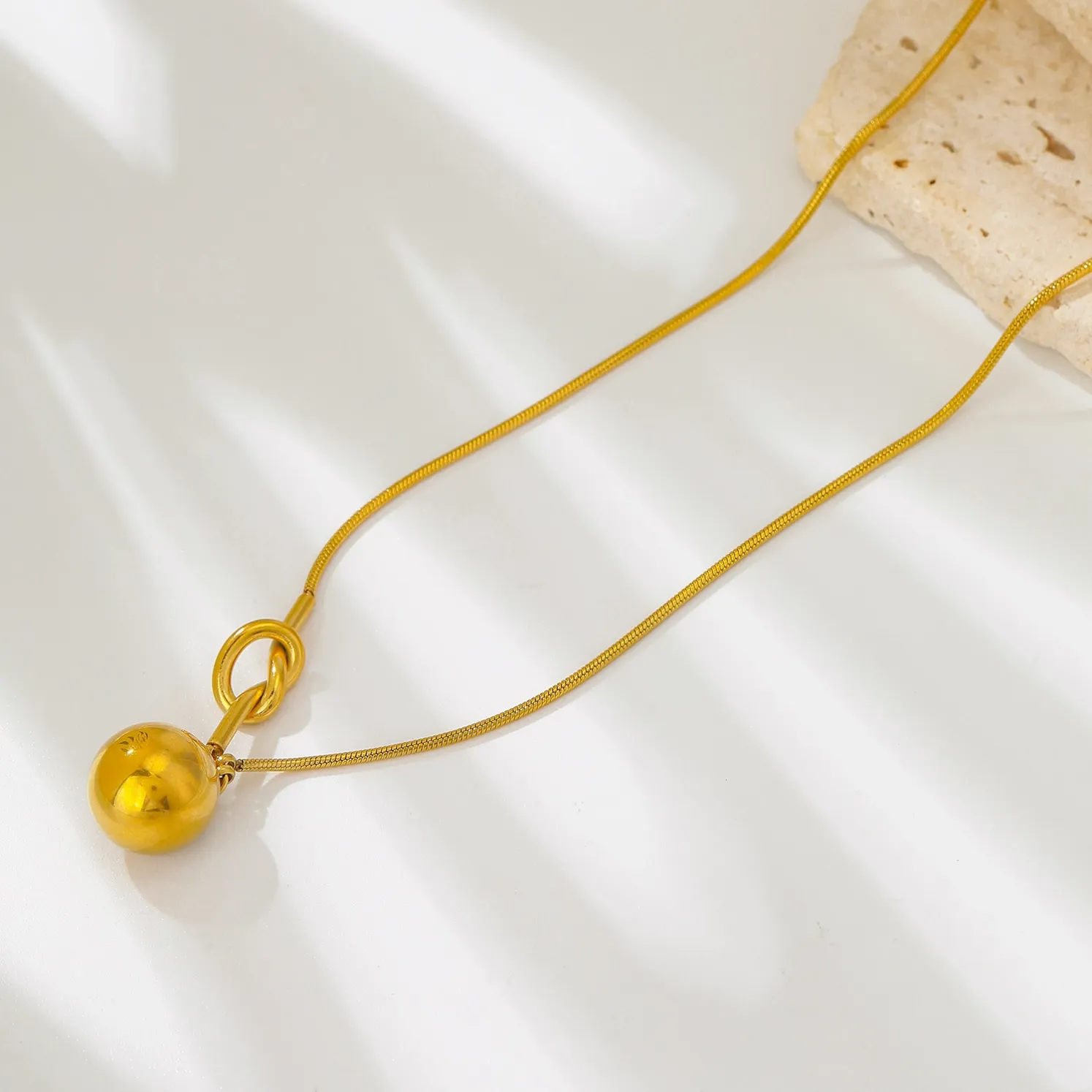
This was a fair comment about rough fashion steel decades ago — but it is a comment about finishing, not the metal. A mirror-polished 316L band or a smooth PVD 18K gold plated pendant competes visually with pieces far above its category. Judge the polish, the edges and the clasp; that is where "cheap" actually lives.
Myth 2: It rusts and turns your skin green
Green discoloration comes from copper in alloys like brass and bronze reacting with sweat. 316L stainless steel contains no copper, and its protective chromium oxide layer keeps the steel stable against rust in normal daily life. The honest caveat: any steel can dull if it lives in salt water and never gets rinsed — a quick freshwater rinse after the beach keeps even the best piece healthy.
Myth 3: All stainless steel is the same
Grades vary enormously: basic 200-series steels are softer and far less corrosion-resistant, while 316L is the grade the jewelry industry settled on for pieces that live against skin. That is why the stamp inside the ring matters more than the word "stainless" on the listing — our guide to what 316L means on jewelry stamps explains how to read it.
Myth 4: You can never get it wet
The opposite is the material's biggest selling point: showering, rain, hand washing and dishwashing are non-events for 316L. The kernel of truth is chemical, not simple water — repeated long soaks in chlorinated pools, hot tubs or salt water gradually dull the surface and stress plated finishes. Rinse and towel-dry after those, and "never get it wet" can be retired.
Myth 5: It tarnishes like silver
Silver tarnishes because sulfur in the air converts its surface into dark silver sulfide. Steel does not undergo that reaction, so the grey-brown film that silver develops simply does not form on stainless steel. What can happen is a gradual loss of shine from soap film and skin oils — which cleans off with warm water, mild soap and a soft cloth. Dull is not tarnished; it is dirty.
Myth 6: Gold plating rubs off in weeks
Weeks was true of thin electroplating on base metal. PVD 18K gold plated finishes are different: the gold layer is bonded in a vacuum process and engineered for years of daily wear. The honest limitation: it is durable, not permanent. High-friction zones — the underside of a ring band, the outer edge of a bracelet — soften in tone first. No abrasives, and the color stays even far longer.
Myth 7: If a magnet sticks, it is fake
The magnet test contains a real clue but proves nothing on its own. Genuine 316L, which is barely magnetic when annealed, can develop weak magnetism after cold working — so a faint pull does not mean fake, and no pull does not mean genuine. Treat the magnet as one data point among several: the stamp, the weight, the finishing quality. Our guide on how to spot fake stainless steel jewelry has the full checklist.
Myth 8: It needs special jewelry cleaners
The entire care routine is warm water, a drop of mild soap and a soft cloth. Specialty cleaners, dips and ultrasonic machines are built for soft stones and reactive metals — steel needs none of that. The real rules are negative ones: no bleach, no abrasive pastes, extra gentleness on PVD 18K gold plated surfaces. More detail: our stainless steel jewelry care myths collection.
Myth 9: It only suits casual outfits
That was true when the category offered one finish: rough steel. Today the design range runs from matte everyday bands to mirror-polished formal pieces to PVD 18K gold plated evening jewelry. The finish, not the material, sets the formality — in any metal.
Myth 10: Once scratched, it is ruined
Scratches on bare stainless steel sit in the surface, not the structure — and the finish largely decides whether you ever see them. Brushed and hammered surfaces absorb new marks into their texture; polished steel can be brought back with a jewelry polishing cloth in minutes; deep gouges yield to professional re-polishing. The exception: never polish PVD 18K gold plated pieces with abrasives — have a professional assess them instead.
What This Means for Buyers
Ask about the grade and the finishing, not about the myths.
All ten misconceptions point to one practical takeaway: judge jewelry by its specifics. The steel grade on the stamp, the quality of the polish and the plating technology behind any gold tone tell you far more than the word "stainless" ever will — and they are exactly the questions a serious supplier enjoys answering.
Frequently Asked Questions
Quick answers to the questions these myths leave behind.
Does stainless steel jewelry rust in humid climates?
No — humidity alone does not rust 316L: the chromium oxide layer protects the steel from ordinary moisture. Problems start when salt, chlorine or trapped moisture sit on the surface for weeks without a rinse. Wipe the piece dry after the beach or pool, store it dry, and humid summers will not leave a mark on it.
How long does PVD 18K gold plating really last?
In honest terms: years of daily wear, not forever. PVD bonds the 18K gold layer far more strongly than traditional plating, so it outlasts electroplating many times over. But rings and bracelets take constant friction, and contact zones soften in tone first. Treat the finish gently — no abrasives, no harsh chemicals — and it stays even and warm for a very long time.
How do I know if my jewelry is really 316L?
Check the stamp first — genuine pieces are usually marked 316L or similar inside the band or clasp. Then weigh the evidence around it: solid finishing, smooth edges, a well-made clasp, and a seller who answers grade questions directly. No single test is conclusive, so stack the clues rather than trusting any one of them.
Can I wear stainless steel jewelry every day?
Yes — daily wear is what 316L jewelry is made for. It handles washing, dressing, exercise and weather without the removal ritual that softer metals demand. The only habits worth keeping: a rinse and dry after salt water or chlorinated pools, and gentle cleaning for plated finishes. Follow those and daily wear is the easiest life a piece can have.
Is stainless steel jewelry lower maintenance than silver?
Yes, dramatically — and it is the fairest comparison. Silver tarnishes through ordinary exposure to air and needs regular polishing to stay bright; stainless steel forms no such layer and needs only occasional soap-and-water cleaning. For anyone who wants jewelry they can put on and forget about, that difference alone decides it.
Wholesale Stainless Steel Jewelry from IVANDA
Looking for a reliable stainless steel jewelry supplier? IVANDA supplies 316L pieces with PVD 18K gold plating - waterproof, skin-friendly and made for everyday wear. MOQ 60 pcs per style, in stock and ready to ship, with OEM/ODM services for custom designs. Message us on WhatsApp or email sales01@ivanda-fa.com for the latest catalog and wholesale prices.