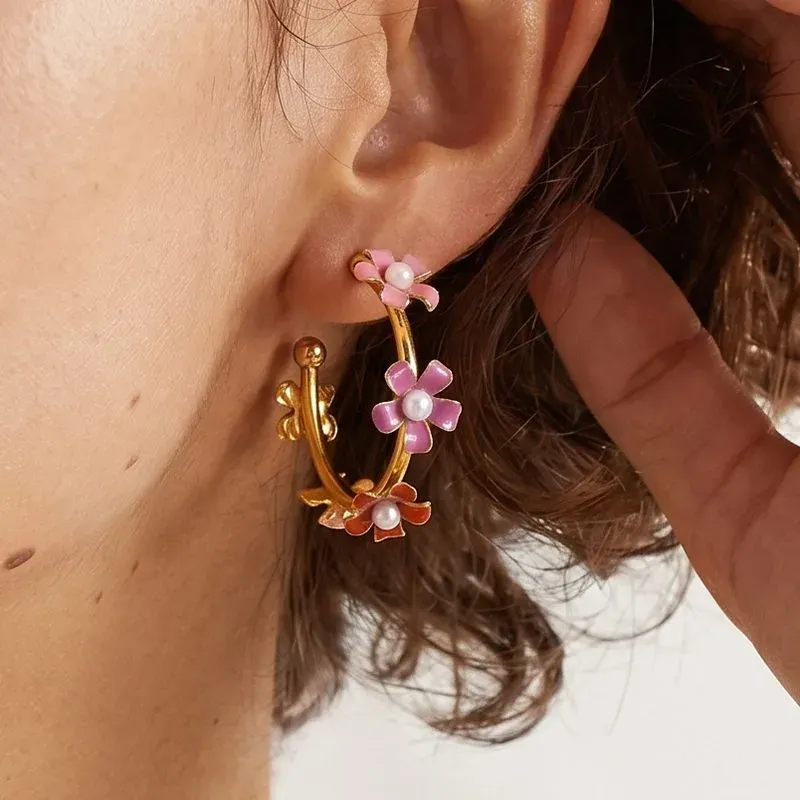
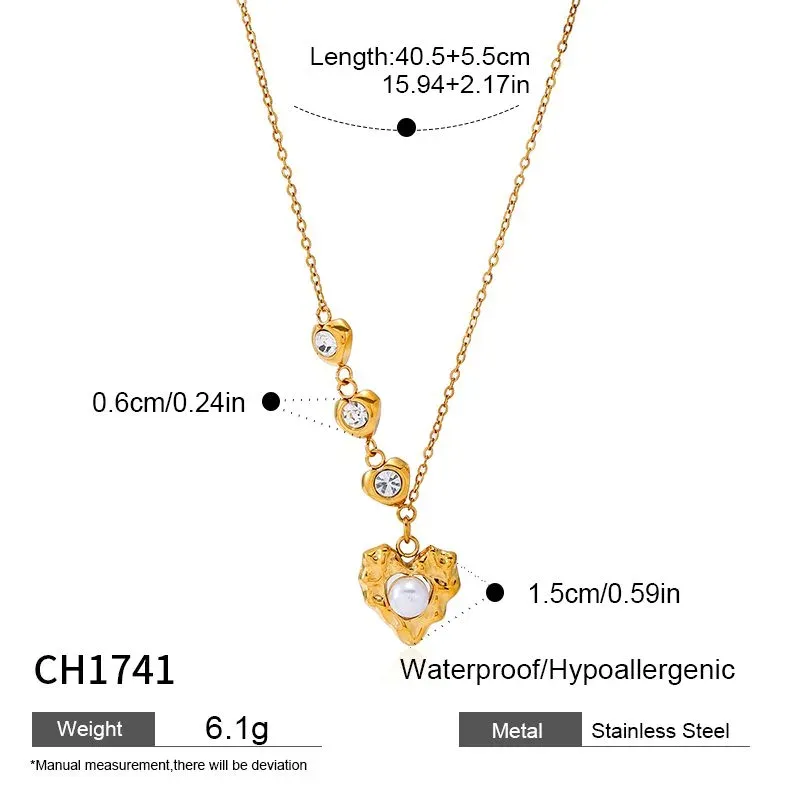
Stainless Steel Jewelry and Nickel: What EU Buyers Need to Check Before Ordering
Buying stainless steel jewelry for the EU? Check nickel release limits, EN 1811 testing, 316L vs 304, and what to ask your supplier before you order. Practical checklist for brands and retailers.
Short answer first
If you sell stainless steel jewelry in the EU, nickel is not a marketing claim — it is a compliance gate. Under EU REACH, nickel release from items in prolonged skin contact is limited, and you need a test report to prove it, not just a material name. Ask your supplier for three things before you order: the steel grade (316L is the usual choice for jewelry), the nickel-release test method and result, and whether plated pieces were tested after wear simulation. If any of those three is missing, do not treat the product as EU-ready.
Looking for a reliable stainless steel jewelry supplier who can provide those documents? IVANDA in Yiwu supplies 316L stainless steel jewelry for wholesale and private label, with OEM/ODM customization and low MOQ. Contact us for a quotation and test documentation for your order.
1. Why nickel matters for EU jewelry buyers
Nickel is the most common cause of metal allergy in Europe. That is why the EU regulates how much nickel can be released from jewelry, rather than only how much nickel the metal contains. A piece can be "stainless steel" and still fail if its surface releases too much nickel during wear.
For a brand or retailer, the risk is practical: a failed market check can mean a recall, a listing removal, or a lost retail customer — even if the design sold well. Checking nickel compliance before you order is cheaper than fixing it after a shipment arrives.
2. The EU limits in plain language
REACH Annex XVII, Entry 27, sets nickel-release limits for articles intended to come into direct and prolonged contact with the skin. In practice, buyers use these reference values:
- General skin contact (earrings, bracelets, rings, necklaces): 0.5 µg/cm²/week
- Pierced body parts (for example, earring posts): 0.2 µg/cm²/week
The standard test is EN 1811. For coated or plated jewelry, the test is normally done after wear simulation under EN 12472, because a coating can wear through in use. A total nickel content result from an XRF gun is not the same as a nickel-release result — do not accept one as a substitute for the other.
Lead and cadmium are regulated separately under REACH. The commonly cited limits for jewelry are lead ≤ 0.05% and cadmium ≤ 0.01%. Ask for those results in the same report where possible, so you are not chasing three separate documents.
Note: limits and test standards are EU regulatory references, not a claim about any single IVANDA test report. Always check the report for your exact SKU, plating, and batch.
3. 316L vs 304: why the grade matters
Both 316L and 304 are stainless steels, but they are not interchangeable for jewelry that will be worn daily:
- 316L: Low-carbon, molybdenum-bearing grade. It is the usual choice for jewelry because it resists corrosion better, including in sweat and salt water. Most waterproof, hypoallergenic claims in this market are built on 316L.
- 304: A general-purpose grade. It can be fine for some items, but it is more prone to corrosion in harsh wear conditions, which can expose more nickel over time.
When a supplier says "stainless steel" without a grade, ask which grade, and ask for it in writing on the quotation or specification sheet. If you are buying for sensitive-skin customers, 316L is the safer starting point.
4. Does PVD plating change the nickel result?
Yes — in both directions.
A good PVD coating can act as a barrier and reduce nickel release at first. But if the coating is thin, poorly adhered, or worn through, the base metal underneath is exposed again. That is why EN 12472 wear simulation matters for plated pieces: it tests the piece after simulated wear, not only when it is brand new.
When you evaluate a plated sample, check:
- Plating type (for example, 18K PVD gold) and thickness, if stated
- Whether the nickel-release test was done before or after wear simulation
- How the sample looks after a wear test — flaking, fading, or colour change are warning signs, even if the first test passed
IVANDA's core range is 316L stainless steel with PVD plating, including 18K gold finishes, designed for daily wear and water contact. Ask for the plating specification for the exact style you are ordering, because the same design can be made in different finishes.
5. What to ask your supplier before you order
Copy this checklist into your next inquiry. A supplier who can answer it quickly is usually easier to work with long-term.
- Steel grade: Is this 316L? Can you confirm it on the spec sheet?
- Nickel-release report: Do you have an EN 1811 report for this style and plating? What was the result, and what was the test date?
- Wear simulation: For plated pieces, was EN 12472 wear simulation done before the nickel test?
- Lead and cadmium: Are lead and cadmium results included?
- Batch coverage: Does the report cover this batch, or an earlier sample? If it is an earlier sample, what has changed since then?
- Sample policy: Can I order a sample first and test it myself before a bulk order?
- MOQ and lead time: What is the MOQ per style, and what is the production lead time?
IVANDA's standard commercial terms, for reference: 120 pcs per style or USD 1,000 per order, with a typical production lead time of 25–35 days. Sample orders are the normal way to check quality, colour, and fit before you commit to a bulk run.
6. How to read a test report without being a chemist
You do not need to be a lab technician, but do check these five lines:
- Product description: Does it match your SKU, including plating and colour?
- Test method: Does it say EN 1811, and EN 12472 if plated?
- Result vs limit: Is the result below 0.5 µg/cm²/week (or 0.2 for pierced parts)?
- Lab and date: Is the lab named, and is the report recent enough for your order?
- Sample identity: Is the sample identified by style number, not just "stainless steel jewelry"?
If any line is vague, ask the supplier to clarify in writing. A clear report is part of the product — treat a vague report the same way you would treat a vague price.
7. Common mistakes EU buyers make
- Accepting "nickel-free" at face value. Stainless steel contains nickel by composition. The correct claim is about nickel release, not nickel content.
- Accepting an XRF total-nickel result as a release test. They measure different things.
- Testing only the unplated base metal. Plated pieces need testing after wear simulation.
- Ordering a large first batch without a sample. A small test order is cheaper than a failed bulk shipment.
- Forgetting the pierced limit. Earring posts and other pierced items have the stricter 0.2 limit.
FAQ
Is 316L stainless steel hypoallergenic?
316L is widely used for sensitive skin because it releases very little nickel when properly made and finished, but no metal can be guaranteed hypoallergenic for every person. The test result for your exact style matters more than the grade name alone.
Does waterproof mean nickel-safe?
No. Waterproof describes water resistance. Nickel release is a separate chemical test. A waterproof piece still needs a nickel-release report for EU sale.
Can I sell 304 stainless steel jewelry in the EU?
You can, if it passes the applicable nickel-release limit for its intended use. Many buyers still prefer 316L for daily-wear jewelry because it is more corrosion-resistant.
How often should I re-test?
Re-test when you change the supplier, steel grade, plating, factory, or finish — and periodically for repeat orders. Keep the latest report with the order file.
What if my supplier cannot provide a report?
Ask whether they can arrange testing for your order, or whether you should test a sample through a third-party lab before bulk production. Do not list the product as EU-compliant without a report.
What to do next
If you are sourcing for a European boutique, DTC brand, or chain store, start with a sample, not a bulk order. Check the grade, the nickel-release report, and the plating specification for that exact style. Then confirm MOQ, lead time, and packaging before you place the order.
Looking for a reliable stainless steel jewelry supplier for your next collection? Send IVANDA your target styles, quantities, and target market, and we will reply with a quotation, MOQ, lead time, and the test documentation available for your order.
Contact IVANDA: sales01@ivanda-fa.com — Wholesale inquiries, OEM/ODM, and private label. Factory in Yiwu, Zhejiang, 3,500 sqm, 60+ staff, 20+ years export, 3,000+ in-stock SKUs, 300+ new styles per month.