Oct 19, 2026
Stainless Steel Jewelry in an Ultrasonic Cleaner: Safe?
Can you put stainless steel jewelry in an ultrasonic cleaner? Yes for plain steel - cycle times, solutions, and which pieces to keep out.
Yes - plain stainless steel jewelry is one of the safest materials you can clean in an ultrasonic cleaner, but glued stones, porous gems, pearls and worn plating change the answer completely.
Ultrasonic cleaners once lived only in jewelers' workshops; now they cost little and many jewelry sellers and wearers own one. That raises a fair question: is the machine safe for stainless steel jewelry, which often carries PVD plating, stone settings and engraved detail? The short answer is that bare steel loves the machine, and the decorations attached to it are what need judgment. This guide explains how cavitation works, what stays out of the tank, and a routine that keeps a collection safe.
How Ultrasonic Cleaning Works: Cavitation in Plain English
An ultrasonic cleaner doesn't scrub your jewelry - it makes millions of microscopic bubbles do the scrubbing for you.
The process is called cavitation. A transducer in the tank vibrates tens of thousands of times per second - most consumer units run around 40 kHz. Those vibrations travel through the liquid as sound waves, stretching and compressing it so fast that microscopic bubbles form and collapse almost instantly, releasing a tiny burst of energy against whatever surface they touched.
Multiply that by millions of bubbles collapsing every second and you get a cleaning action that follows the liquid everywhere: inside chain links, under clasps, into engraved letters. Because the energy comes from bursting bubbles rather than friction, nothing rubs against your jewelry - the cleaning itself cannot scratch the metal. The same tiny impacts, however, can work into an adhesive joint or a delicate gem surface, which is why fragile pieces need judgment.
What It Cleans Brilliantly on Stainless Steel
The pieces that benefit most are the ones hand polishing never really gets into: chains, clasps and anything with engraved or textured depth.
Three categories stand out:
- Link chains. Skin oil and dust collect where links overlap, and a polishing cloth only cleans the outside of each link. Cavitation flushes the contact points between links - the exact spots that turn a chain grayish at the back of the neck.
- Clasps. Lobster clasps, spring rings and box clasps contain crevices and moving parts. A soft brush gets the outside; the tank gets the spring channel and hinge that stay dirty for years.
- Engraving and texture. Stamped letters, hammered finishes, braided patterns and signet faces hold residue in every recess. Bubbles collapse inside those recesses and pull the grime out into the solution.
For plain steel pieces in these categories, results are visible after a single short cycle: the tank water turns faintly cloudy, and the jewelry comes out looking the way it did on day one. No polish cloth matches that, because no cloth gets where the grime hides.
What Not to Put In: A Tolerance Table
Plain steel goes in; glue, organic gems and soft stones stay out - and plated pieces get a shortened, gentler cycle.
Jewelry type | Ultrasonic safe? | Why |
|---|---|---|
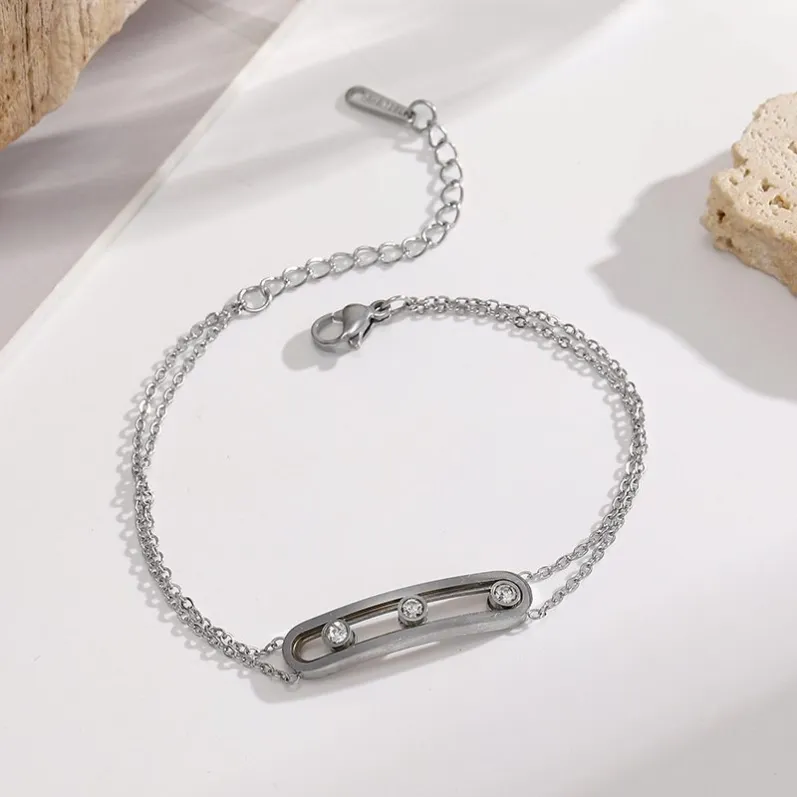
Plain 316L stainless steel | Yes | No coating or glue to stress; cavitation cannot scratch the alloy |
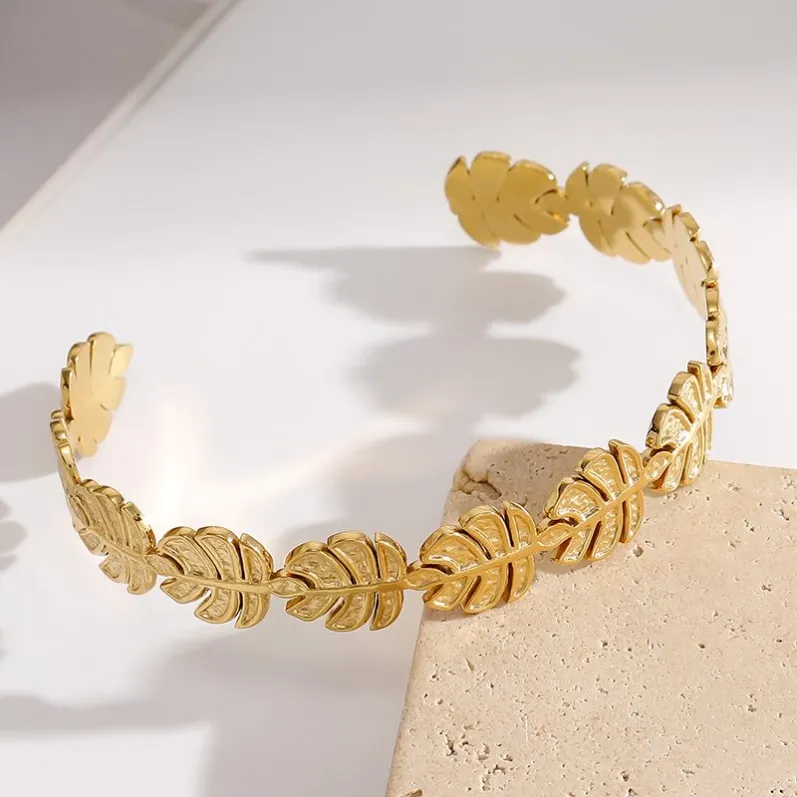
PVD 18K gold plated stainless steel | Yes, with care | Short gentle cycles are fine; keep older pieces with visible coating wear out of the tank |
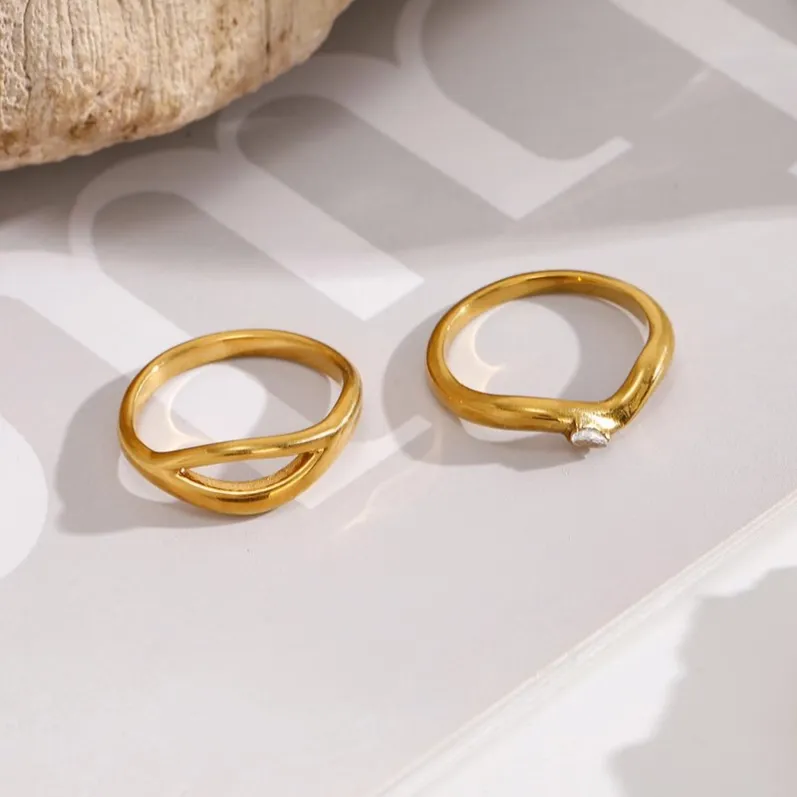
Stones held in prong settings | Usually yes | Cavitation gets under the stone and lifts hidden residue; check that the setting is tight first |
Glued-in stones | No | Cavitation works into the adhesive joint and can loosen the stone over time |
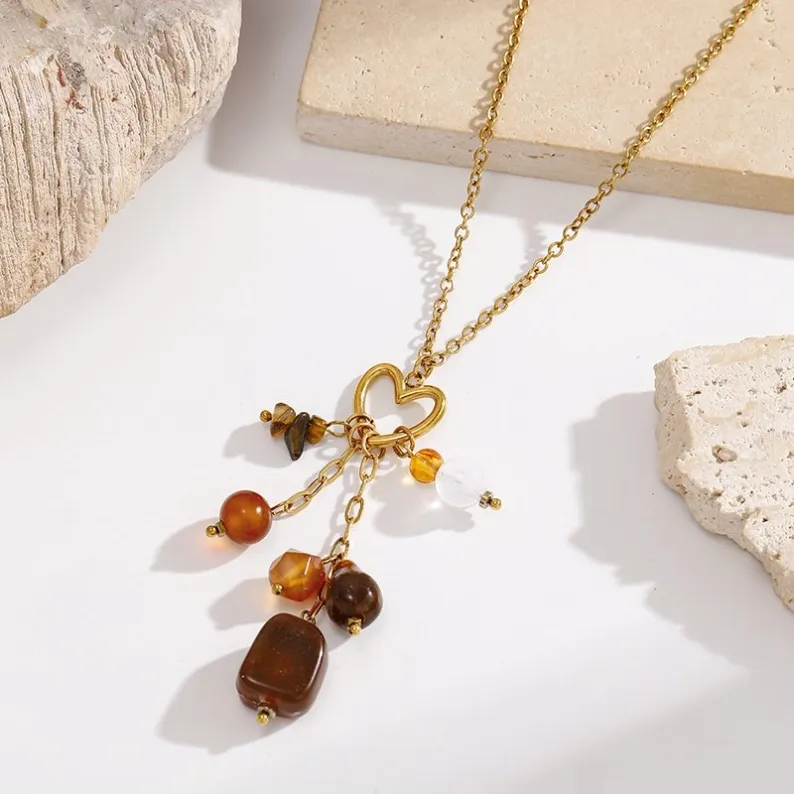
Porous stones (turquoise, malachite, opal) | No | The porous structure absorbs solution; vibration and warmth can cause discoloration or fine cracking |
Pearls | No | Pearl is an organic material with a soft surface; ultrasonic energy can pit it and strip its luster |
Amber, coral, wood, leather or fabric elements | No | Soft, porous or organic materials absorb liquid and deform |
Notice the pattern: the alloy itself is never the problem. Every "no" exists because of something attached to the steel, or a material softer than the metal around it - the honest limit of a machine that cleans metal brilliantly and forgives almost nothing fragile.
Recommended Cycle Time and Solution
Three to five minutes in warm water with a drop of mild dish soap is all plain stainless steel needs - long cycles and aggressive chemicals add risk without adding shine.
- Water temperature: warm, roughly hand-hot. Hotter water adds thermal stress for no cleaning benefit.
- Solution: plain water works; two or three drops of mild dish soap make it better, because soap lowers surface tension and lets bubbles form and collapse more efficiently. Specialty solutions are optional for steel.
- Cycle time: three to five minutes for bare stainless steel; for PVD 18K gold plated pieces, keep it to two or three minutes.
- After the cycle: rinse under clean running water and dry immediately with a microfiber cloth. Never let jewelry sit in the tank after the cycle ends - dissolved dirt settles back onto the surface.
Avoid running the tank empty, and skip acids, bleach and ammonia in the bath - none of them help steel clean deeper, and all raise the risk to plated finishes and the machine's seals.
The Soft-Brush Backup Method
Everything the tank cannot safely clean, a soft toothbrush can - just slower.
For pieces that stay out of the machine - glued stones, pearls, older plating - fill a bowl with warm water and a drop of dish soap, dip a soft-bristled brush, and work the suds into the crevices with light strokes. Rinse, then press - don't rub - with a microfiber cloth. Brush pressure is under your control in a way cavitation is not, making this the safer default for anything delicate. As a rhythm, many people clean steel chains in the tank monthly and hand-brush plated or stone-set pieces weekly.
A Step-by-Step Safe-Clean Routine
Five minutes of machine time, one rinse, one towel - that is the whole routine.
- Inspect first. Check for loose stones, glued settings and any visible coating wear. Set aside anything questionable - it gets the brush instead.
- Fill the tank with warm water and add two or three drops of mild dish soap.
- Load the basket, not the tank floor, and leave space between pieces so cavitation covers every surface.
- Run three to five minutes for bare steel; cap plated pieces at two to three minutes.
- Rinse each piece under clean running water.
- Dry immediately with a microfiber cloth; use a cotton swab inside clasps where moisture hides.
- Empty and wipe the tank, then leave it open to air dry.
Done once or twice a month, this routine keeps steel jewelry closer to its day-one shine than any polishing cloth alone.
Frequently Asked Questions
How long should stainless steel jewelry stay in an ultrasonic cleaner?
Three to five minutes is enough for plain stainless steel. The machine does most of its work in the first couple of minutes; longer cycles add surface stress without meaningful cleaning gains. For PVD 18K gold plated pieces, shorten the cycle to two or three minutes.
Will an ultrasonic cleaner damage PVD plating?
A PVD coating is densely bonded to the steel, so short, gentle cycles are generally fine. The risk grows with long cycles, hot water and coatings that already show wear. If a plated piece looks patchy at the edges, clean it by hand with soapy water and a microfiber cloth instead of the tank.
Can I use plain water instead of a cleaning solution?
Yes. Plain warm water cleans stainless steel reasonably well, because cavitation alone dislodges dirt. A drop of mild dish soap makes it noticeably better by lowering the water's surface tension, so bubbles form and collapse more efficiently. Skip bleach, ammonia and acidic solutions; they do not improve the cleaning and they add risk to plated finishes.
Why does my jewelry look duller after ultrasonic cleaning?
Usually it was not rinsed. Dissolved dirt and soap residue settle back onto the surface as the tank water calms, leaving a faint film. Rinse and dry with a microfiber cloth. If dullness persists on a plated piece, the coating itself may be wearing with age - a condition no cleaning can reverse.
How often should stainless steel jewelry be ultrasonically cleaned?
For pieces worn daily, once or twice a month is plenty. Chains worn against the skin collect residue faster and benefit from monthly cycles. Occasionally worn pieces need a cycle only when they visibly dull.
Wholesale Stainless Steel Jewelry from IVANDA
Looking for a reliable stainless steel jewelry supplier? IVANDA supplies 316L pieces with PVD 18K gold plating - waterproof, skin-friendly and made for everyday wear. MOQ 60 pcs per style, in stock and ready to ship, with OEM/ODM services for custom designs. Message us on WhatsApp or email sales01@ivanda-fa.com for the latest catalog and wholesale prices.