Oct 19, 2026
Stainless Steel Toe Rings: The Complete Style Guide
Stainless steel toe rings explained: adjustable vs fixed bands, sizing, which toes work best, sandal-season styling, and daily care for feet.
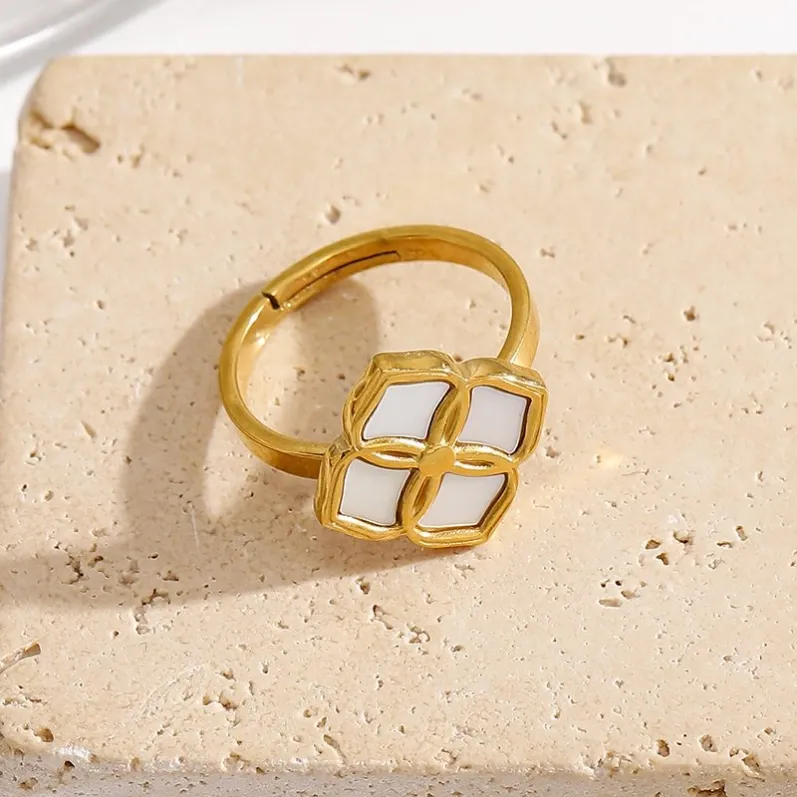
A toe ring lives in the harshest environment jewelry can face — water, sand, sweat and constant flexing — which is exactly why stainless steel has become the go-to material for it.
Toe rings used to be a vacation souvenir. Over recent seasons they have become a proper summer accessory category: worn with sandals, at beach weddings and festivals, and increasingly kept on year-round in warm climates. The shift is not only stylistic — material has everything to do with it. Feet punish jewelry in ways fingers never will, and stainless steel is one of the few materials that survives them. This guide covers material, band types, sizing, toe placement, styling and care.
Why Toe Rings Are Having a Moment
Sandal and barefoot styling became a mainstream dress code for much of the year. Foot jewelry moved into the everyday summer wardrobe. And steel manufacturing made durable toe rings affordable enough to buy several and stack.
The style logic is simple: a thin band of metal at the foot draws the eye down the leg and makes even a simple sandal look considered — silver-tone steel reads crisp and minimal, PVD 18K gold plated versions warm and sun-touched.
The toe ring's rise tracks the rise of stainless steel itself: a material finally tough enough to live comfortably on a foot.
Why Material Matters Extra on a Foot
Feet subject jewelry to four stresses at once.
Water comes first: pools, ocean, showers and sweat. Silver tarnishes faster with repeated wet-dry cycles, and moisture creeping under plated finishes lifts them. Sand is next — essentially fine quartz, one of the hardest common minerals — and it grinds into every gap it reaches. Then there is flexing: a toe bends with every step, the ring flexes microscopically all day, and soft metals fatigue while thin plated brass cracks and flakes. Finally, feet spend hours in shoes where grit collects, abrading the ring around the clock.
Stainless steel answers all four: corrosion resistance shrugs off water, hardness resists sand abrasion, and it flexes without cracking. Silver looks lovely for a weekend; steel looks the same after a whole summer.
On a finger you can choose material for looks; on a foot, material is the difference between a ring that lasts a season and one that lasts years.
Adjustable vs Fixed Bands
Toe rings come in two constructions, and the difference matters more here than on fingers.
Feature | Adjustable (open gap) band | Fixed (closed) band |
|---|---|---|
Fit | Squeeze to tighten or pry to widen; adapts to swelling during the day | Sized once; the fit stays constant |
Comfort | Gap ends can press or pinch if bent in and out often | Smooth continuous circle with no ends to catch on linings |
Durability | Repeated bending work-hardens the metal and it can eventually snap at the gap | No repeated stress point; structurally the longer-lasting choice |
Best for | Trying the trend, gifting, toes that swell a lot | Everyday wear and full-season use |
Adjustable bands win on fit flexibility; a fixed band wins for anything you plan to wear all season.
Sizing and Which Toes Work Best
The second toe — next to the big toe — is the classic placement for practical reasons: it is usually the longest, straightest toe, so a ring sits at its base without sliding off when you walk. The big toe carries larger, bolder diameters; the third toe offers a subtler look but needs a snugger fit because it is shorter.
To size, wrap a paper strip around the toe where the ring will sit, mark the overlap, and measure it against a ruler. Add a millimeter or two of ease, because toes swell in heat and after long walks. Most toe sizes land at the very bottom of standard ring size charts, so your finger size will not transfer. An adjustable band is a low-risk way to learn your toe size before committing to a fixed one.
Fit a toe ring so it slides over the knuckle with slight resistance and rests snug at the base — a ring that spins or slides is a ring you will lose in the sand.
Styling: Barefoot, Sandals and Closed Shoes
Barefoot is where toe rings started, and it is still their cleanest look: a thin band against bare skin reads elegant rather than loud — hence its favor at beach weddings and pool holidays. One ring on each second toe is restrained; two on one foot is the playful festival version.
With sandals, match the ring's tone to the hardware you are already wearing. Silver-tone steel pairs with silver buckles and cool-toned straps; PVD 18K gold plated rings echo gold hardware and warm leather. If your sandals have a toe post, check that the ring does not sit where the post passes, or the two will click with every step.
Closed shoes are fine with a low-profile band: smooth, thin rings disappear inside a shoe, while raised stones or sharp edges press into neighboring toes over a long day, so keep sculptural pieces for open footwear.
The simplest styling rule: one tone per foot — match the ring's metal color to your sandal hardware, or keep it barefoot and minimal.
PVD 18K Gold Plated Options
A toe ring in plain steel is the durable classic, but PVD 18K gold plated versions have become just as popular. PVD (physical vapor deposition) bonds the gold-tone layer to the steel at a molecular level, making it far more abrasion-resistant than traditional dip plating — a meaningful difference on a foot that rubs against sandals and floor grit all day.
A gold-tone toe ring pairs with anklets and warm-toned sandals, and it layers well with silver elsewhere if you like mixed-metal looks. One honest note: even PVD plating can wear through after years of continuous abrasion, and a toe ring is one of the highest-friction pieces you can own — expect plated surfaces to show their age sooner than a bracelet would. Value plain steel for hard daily use.
PVD 18K gold plating gives you the warm look without giving up the durability that makes a steel toe ring practical.
Care: Feet Hit Water and Grit Daily
A toe ring collects whatever your feet collect, so care is about rinsing more than polishing. Rinse it in fresh water after swimming — chlorine and salt are the two things worth removing promptly. In the shower, wash it with your usual soap and rub the underside with a fingertip to lift dead skin and sunscreen. Dry it afterward; a dry surface stays brighter.
Twice a season, wash it properly in warm soapy water with a soft brush, and if it is an adjustable band, check that the gap ends still sit flush against the toe. Take it off before gritty work like gardening, where particles can work underneath.
The whole care routine is one line: rinse, soap, dry — repeated whenever your feet have been in water, sand or sunscreen.
Frequently Asked Questions
Which toe should I wear a toe ring on?
The second toe is the most common placement because it is long and straight enough to hold a ring securely. The big toe suits larger statement diameters, while the third toe gives a subtler look that needs a snugger band. Choose whichever toe lets a snug ring stop without pinching.
Are toe rings bad for your feet?
Not if they fit correctly. A properly sized ring sits snugly at the base of the toe without pressing. Problems come from bands worn too tight, which dig in as the toe swells during the day. If you feel numbness, pinching, or see an indentation after removing the ring, size up or switch to an adjustable band.
Can I wear a stainless steel toe ring all the time?
Yes — that is the material's main advantage. Stainless steel tolerates showers, pools, ocean water and daily flexing without corroding. Keep a little ease in the fit for heat swelling, and remove the ring occasionally to clean underneath. An adjustable band handles significant summer swelling best.
Do toe rings hurt?
A correctly sized one should be unnoticeable within minutes. Discomfort means the ring is too tight, the gap ends of an adjustable band are pinching, or a raised design is pressing against a neighboring toe inside shoes. Any of those is a fit or design issue, not something to push through.
Can I shower and swim with a stainless steel toe ring?
Yes. Water, chlorine and salt water do not corrode 316L stainless steel in normal exposure. Rinse the ring in fresh water after swimming and dry it — mostly to remove residue that would dull the surface over time. PVD 18K gold plated versions handle swimming the same way.
Wholesale Stainless Steel Jewelry from IVANDA
Looking for a reliable stainless steel jewelry supplier? IVANDA supplies 316L pieces with PVD 18K gold plating - waterproof, skin-friendly and made for everyday wear. MOQ 60 pcs per style, in stock and ready to ship, with OEM/ODM services for custom designs. Message us on WhatsApp or email sales01@ivanda-fa.com for the latest catalog and wholesale prices.