Oct 19, 2026
Stainless Steel vs 925 Silver: Which Should You Buy?
Stainless steel vs 925 silver compared: durability, tarnish, water, care, resale value and appearance — plus who each metal genuinely suits best.
Stainless steel wins on durability, price and near-zero maintenance; 925 silver wins on resale value, prestige and collectibility — the right answer depends on how you actually wear jewelry.
Both metals give you that bright, white-metal look that works with everything, and at first glance a fresh piece of each can be hard to tell apart. Live with them for a year, though, and their personalities could not be more different. One shrugs off showers, gyms and ocean swims without complaint; the other softens, tarnishes and asks for a polishing cloth but holds real material value in return. This comparison walks through every factor that matters — price, durability, tarnish, water, maintenance, resale and appearance — and ends with an honest verdict on who should buy which.
Meet the Two Metals
316L stainless steel is an industrial alloy built for harsh environments: roughly 16–18% chromium, 10–14% nickel bound into the alloy matrix, and 2–3% molybdenum, with very low carbon — the L in its name. That combination is why the same grade is used for marine fittings, surgical instruments and quality jewelry. The chromium forms a self-repairing oxide layer that keeps the metal from corroding or tarnishing in normal life.
925 silver — sterling silver — is the opposite approach: a precious metal made usable by alloying. Pure silver is too soft for most jewelry, so 925 standard mixes 92.5% silver with 7.5% other metals, usually copper. The silver content is what gives it market value and its traditional role in gifting and heirloom pieces; the copper is what makes it firm enough to hold a design.
The Full Comparison
Factor | 316L stainless steel | 925 sterling silver |
|---|---|---|
Price | A fraction of precious metals; reflects design and finishing more than raw material | Priced per gram and tracks the global silver market, so it costs several times more for a similar piece |
Durability | Hard, about 5.5–6.3 on the Mohs scale; highly resistant to scratches, dents and bending | Soft, about 2.5–3 on the Mohs scale; scratches, dents and bends under daily knocks |
Tarnish behavior | Does not tarnish; the oxide layer keeps the surface stable for years | Tarnishes readily — airborne sulfur forms a grey-black silver sulfide layer that needs regular polishing |
Water exposure | Handles shower, pool and ocean fine with a fresh-water rinse afterward | Water and humidity accelerate tarnish; should be dried and kept away from pool chemicals |
Daily maintenance | Occasional wipe with a soft cloth | Regular polishing, careful storage and anti-tarnish measures |
Resale value | Minimal material value; not traded by weight | Real intrinsic value; recognized and bought by dealers worldwide |
Appearance | Bright, slightly cool white-grey; keeps its factory finish almost indefinitely | Similar white lustre with a slightly warmer tone; develops a mellow patina over the years |
The visual difference between a newly polished silver piece and a polished steel piece is genuinely small — it is everything that happens over the following years that sets these metals apart.
Where 925 Silver Genuinely Wins
Silver is a precious metal with a market price, and that gives it something stainless steel simply does not have: value that survives the piece itself.
A sterling silver ring can be sold, traded or melted, and any dealer anywhere will recognize the 925 hallmark and pay for the metal content. That matters for more than resale math. It is why silver dominates engagement-adjacent gifting, milestone presents and heirloom jewelry — a gift in silver carries a story about worth, not just design. Silver also has decades of collector tradition behind it: vintage pieces, designer signatures and hallmark history give certain designs value far beyond the metal. If a piece is meant to mark an occasion, appreciate as an object, or one day be passed on, silver is the honest choice.
Where Stainless Steel Genuinely Wins
A stainless steel piece worn every single day looks close to new years later — that is a trick silver cannot perform without constant care.
Steel's hardness changes the ownership experience. Rings survive pockets, keyboards and gym weights; chains do not kink into permanent creases; bracelets lose their polish months later instead of days later. Water is a non-event — shower, pool, sea, sweat, none of it requires a second thought beyond a quick rinse. Then there is cost: because the raw material is inexpensive, you can afford larger, bolder designs, build a whole collection, or replace a lost chain without real pain. For anyone whose jewelry lives a rough, active life, steel's combination of toughness and near-zero upkeep is simply the more rational buy.
So, Who Should Choose Which?
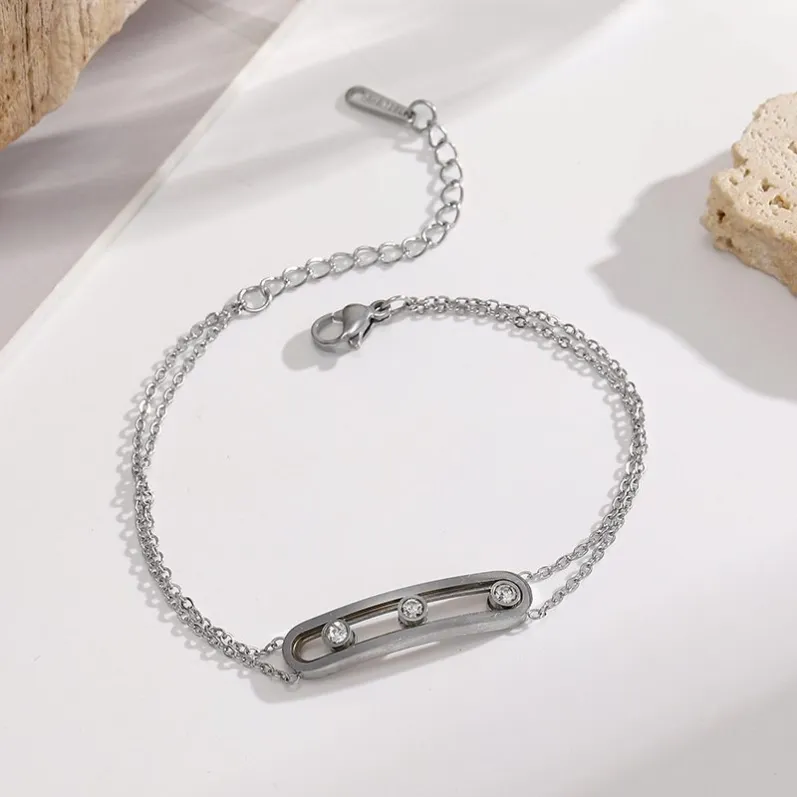
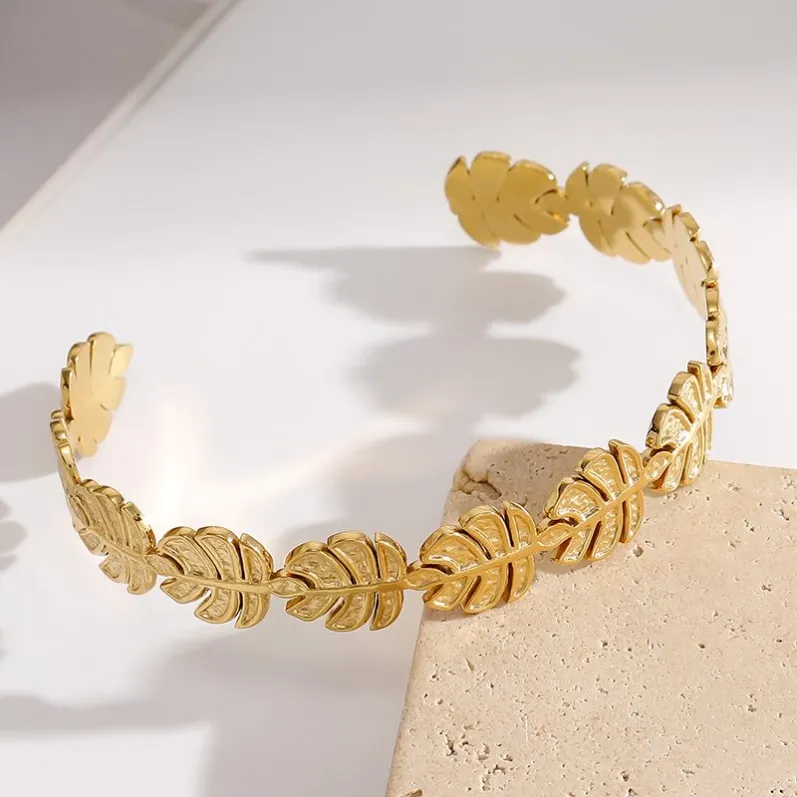
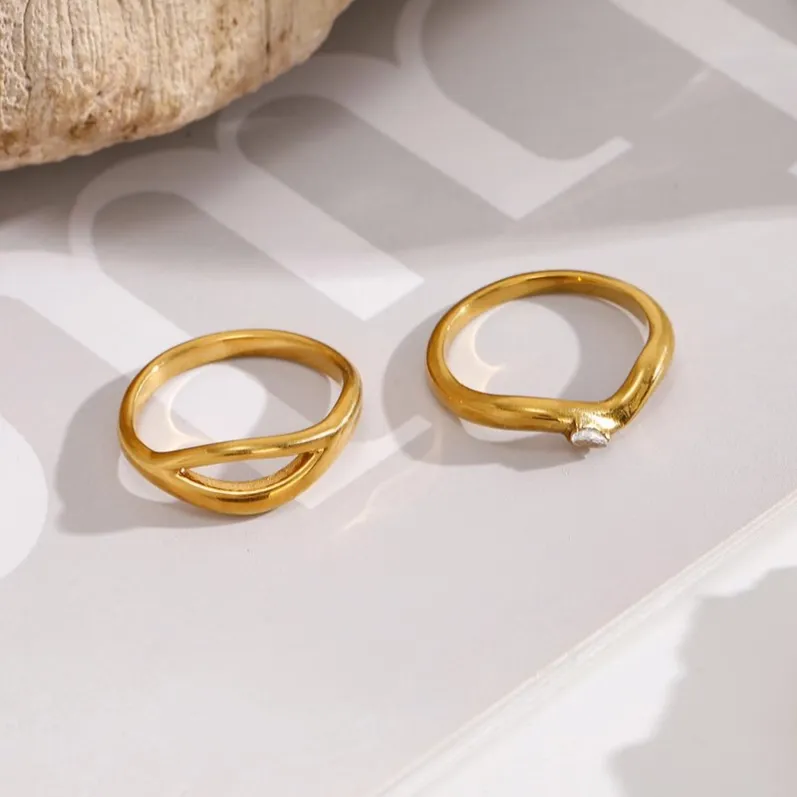
Choose stainless steel if you are an everyday wearer: someone who puts jewelry on in the morning, sleeps in it, swims in it and forgets it is there. Chains, bangles, stackable rings and pieces with a PVD 18K gold plated finish all fit this life — constant wear with minimal ceremony, no polishing sessions, and no anxiety at the beach.
Choose 925 silver if you are a collector or an occasion buyer: someone buying a gift that should feel significant, a design piece worth keeping for decades, or anything you may one day resell. Accept that it will tarnish between wears and budget a little time for care as part of the deal.
The honest truth is that the two are complements, not rivals. Plenty of people wear stainless steel daily and keep a few silver pieces for occasions and gifting — each metal doing the job it was born for.
Care Differences Worth Knowing
Stainless steel's care routine fits on one line; silver's fits on a card pinned above the dresser.
For stainless steel: wipe with a soft cloth now and then, rinse after swimming, and store pieces separately so they do not abrade each other. Keep PVD 18K gold plated pieces away from abrasive surfaces, since any plating can wear after years of rubbing. That is the whole manual.
For silver: wear it often — handling actually slows tarnish — store it in sealed bags with anti-tarnish strips, keep it away from chlorine and hot springs, and keep a polishing cloth close at hand. Skip the showers if you hate polishing, because humid bathrooms speed tarnish dramatically.
Frequently Asked Questions
Is 925 silver good for everyday wear?
Yes, with compromises. Silver is beautiful and comfortable, but it is a soft metal, so rings and bangles worn daily pick up scratches and dents faster, and it tarnishes quickly if polishing is skipped. People who enjoy a little patina and do not mind regular care tend to be perfectly happy wearing silver every day.
Which lasts longer, stainless steel or 925 silver?
Physically, stainless steel. It is far harder, resists scratches and bending, and does not tarnish, so a piece can look close to new after years of daily wear. Silver also lasts generations, but it stays presentable only with regular polishing and gentler handling along the way.
Does tarnish mean my silver is fake?
No — tarnish is actually evidence of real silver. Silver reacts with trace sulfur compounds in air and sweat, forming dark silver sulfide on the surface, and genuine 925 pieces do this reliably. Counterfeit pieces made from zinc or other base alloys instead corrode unevenly, flake or leave marks on the skin.
Why is silver more expensive than stainless steel?
Silver is a precious metal mined in limited quantities and traded on global markets, so every gram carries market value. Stainless steel is an industrial alloy produced at enormous scale, so its cost reflects manufacturing more than raw material. The price gap reflects the material class, not necessarily the quality of the piece.
Can I shower with both metals?
Stainless steel handles showers with no special care — just rinse and go. Silver can survive an occasional shower, but soap film builds up and humid bathrooms speed tarnish, so daily showering means more polishing. If you never want to think before stepping into the shower, that is a genuine argument for steel.
Wholesale Stainless Steel Jewelry from IVANDA
Looking for a reliable stainless steel jewelry supplier? IVANDA supplies 316L pieces with PVD 18K gold plating - waterproof, skin-friendly and made for everyday wear. MOQ 60 pcs per style, in stock and ready to ship, with OEM/ODM services for custom designs. Message us on WhatsApp or email sales01@ivanda-fa.com for the latest catalog and wholesale prices.
{"@context":"https://schema.org","@type":"FAQPage","mainEntity":[{"@type":"Question","name":"Is 925 silver good for everyday wear?","acceptedAnswer":{"@type":"Answer","text":"Yes, with compromises. Silver is a soft metal, so daily-worn rings and bangles scratch and dent faster, and it tarnishes quickly without regular polishing. People who enjoy a little patina and light care are happy everyday silver wearers."}},{"@type":"Question","name":"Which lasts longer, stainless steel or 925 silver?","acceptedAnswer":{"@type":"Answer","text":"Physically, stainless steel. It is far harder, resists scratches and bending, and does not tarnish, so it looks close to new after years of daily wear. Silver lasts generations too, but only with regular polishing and gentler handling."}},{"@type":"Question","name":"Does tarnish mean my silver is fake?","acceptedAnswer":{"@type":"Answer","text":"No — tarnish is evidence of real silver. Silver reacts with trace sulfur in air and sweat, forming dark silver sulfide. Counterfeit zinc or base-alloy pieces instead corrode unevenly, flake or leave marks on the skin."}},{"@type":"Question","name":"Why is silver more expensive than stainless steel?","acceptedAnswer":{"@type":"Answer","text":"Silver is a precious metal traded on global markets, so every gram carries market value. Stainless steel is an industrial alloy produced at enormous scale, so its cost reflects manufacturing more than raw material. The gap reflects material class, not quality."}},{"@type":"Question","name":"Can I shower with both metals?","acceptedAnswer":{"@type":"Answer","text":"Stainless steel handles showers with no special care. Silver survives an occasional shower, but soap film and humid bathrooms speed tarnish, so daily showering means more polishing. If you want zero thought before showering, steel is the practical choice."}}]}