Oct 26, 2026
Stainless Steel vs Bamboo: Sustainable Jewelry Compared
Stainless steel vs bamboo jewelry through a sustainability lens: renewability, durability, water resistance and which material actually suits everyday wear.
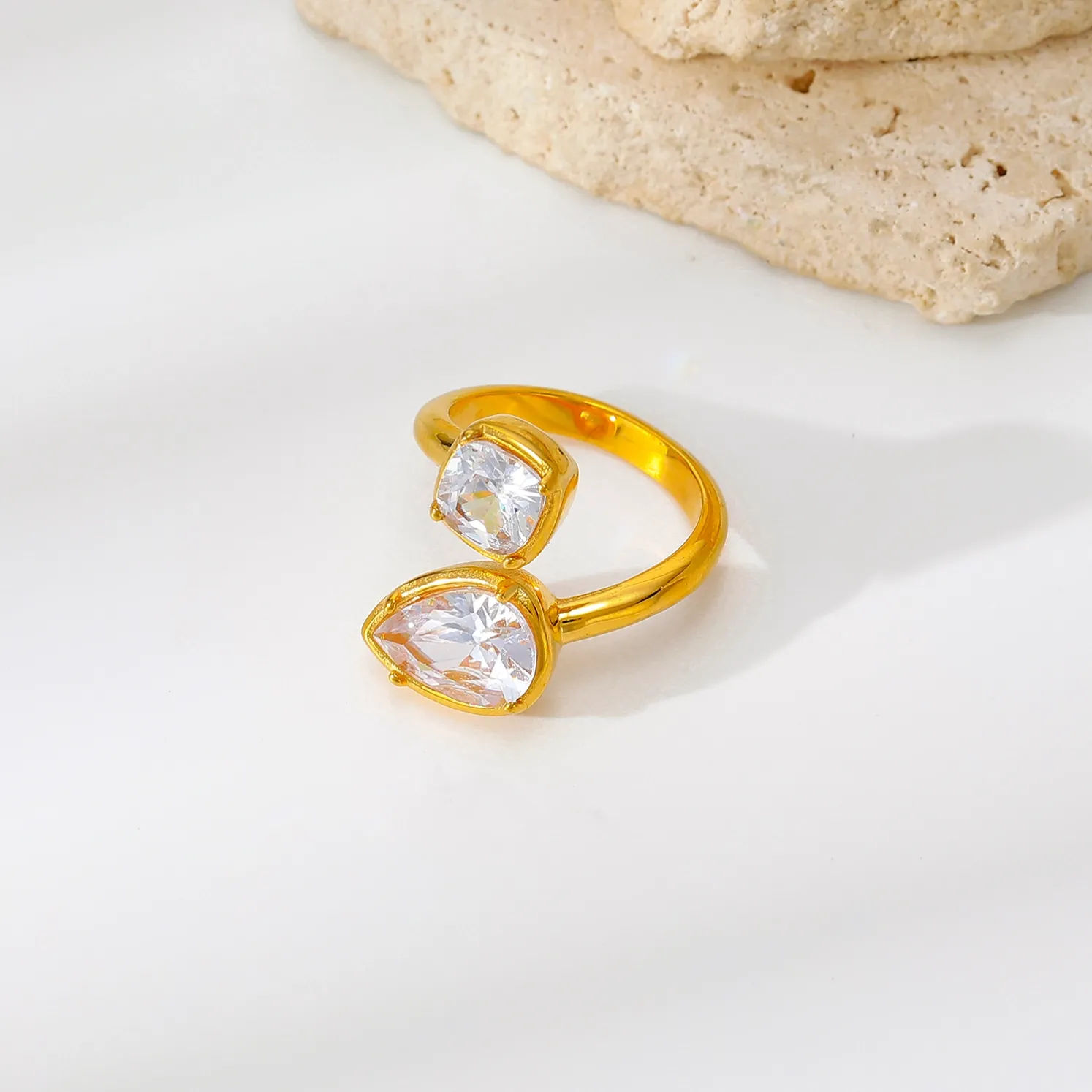
Stainless steel and bamboo earn their place among sustainable jewelry materials in opposite ways — steel through extreme durability and recyclability, bamboo through rapid renewability — so the greener choice depends on how long the piece will actually be worn.
"Sustainable jewelry" sounds simple and rarely is. Every material carries a footprint somewhere: mining, processing, shipping, or a short life in a drawer. The honest way to compare two materials is across the full life of the piece — where the raw material comes from, how it survives real wear, and what happens at the end.
This guide puts 316L stainless steel and bamboo side by side on exactly those terms, so buyers and sellers can match the material to the way a piece will actually be used.
What Makes a Jewelry Material Sustainable?
Durability is the most underrated sustainability metric — a material's green story collapses if the piece breaks, warps, or gets replaced within a season.
A useful mental model asks three questions. First, renewal: does the raw material regrow or recycle? Second, lifespan: how many years does the piece stay in use, and how many disposable pieces does it displace? Third, end of life: can it re-enter a material stream instead of a landfill? A material that scores perfectly on the first question but fails the second often loses to a boring, dependable metal that lasts a decade.
Stainless Steel (316L): The Case For and Against
Steel's sustainability case rests on longevity: jewelry-grade 316L resists water, sweat and daily knocks, so pieces stay in service for years and quietly displace a pile of short-lived alternatives.
The strengths are structural. Stainless steel is one of the most recycled industrial materials in the world, and a jewelry piece at end of life can re-enter that stream. One durable chain worn for five years can displace several trend pieces that would otherwise have been produced, shipped and discarded — and that displacement is where most of the real environmental saving happens.
The honest costs: producing steel is energy-intensive, and mining ore leaves a permanent footprint. Steel does not get a free pass — its argument is that a long service life repays the upfront environmental cost over years of wear.
Bamboo: The Case For and Against
Bamboo regrows remarkably fast without replanting, which makes the raw material genuinely renewable — but as jewelry it is lightweight charm wrapped around a short service life.
Bamboo is a grass, not a tree, and it regrows to harvestable size quickly without replanting. As jewelry it delivers a natural, warm, featherweight look that metal cannot imitate. Those are real merits, especially for occasional and seasonal pieces where the organic character is the whole point.
The honest costs: bamboo is a plant doing a metal's job. It absorbs moisture, then swells, warps and dulls when exposed to water and sweat. Most pieces are sealed or laminated to slow this down, and many rely on steel findings or cores for structure. Daily-wear longevity is simply not in the same class as 316L.
Side-by-Side Comparison
Steel wins the lifespan round decisively; bamboo wins on weight and renewability — the honest verdict is that the two serve different kinds of wear.
Criterion | Stainless steel (316L) | Bamboo |
|---|---|---|
Raw material | Metal alloy, widely recycled industry-wide | Fast-growing grass, highly renewable |
Daily durability | High — handles knocks and friction | Low to moderate — can crack or splinter |
Water and sweat | Showers, gym and beach are fine | Moisture causes swelling, warping, dulling |
Weight | Solid, noticeable feel | Feather-light |
Color and finish options | Steel tone or PVD 18K gold plated | Natural tan, few finishing options |
End of life | Enters the recyclable metal stream | Plant material, not recyclable as metal |
Realistic lifespan | Years of daily wear | Months of daily wear, longer with gentle use |
Durability: Where the Two Materials Really Split
A bamboo pendant that meets rain, sunscreen or a crowded gym bag can warp within a season, while a 316L piece treats the same week as a normal Tuesday.
Material structure explains most of the gap. 316L steel's protective surface layer forms instantly and renews itself, which is why the same earrings can survive showers, workouts and seaside holidays without complaint. Bamboo is built from cellulose fibers — excellent in a cutting board handled with care, unforgiving in a necklace worn through a humid summer.
So the real question is not which material is better in the abstract, but which wear pattern is expected. A bamboo statement earring worn to evening events lives a gentle life and can last for years. A chain worn around the clock, through showers and sleep, needs steel.
Honest Limitations on Both Sides
Sustainability claims deserve skepticism in both directions: steel carries a real mining and processing footprint, and bamboo's short lifespan can quietly cancel its renewable head start.
Two caveats keep this comparison honest. For steel: the alloy itself is long-lived, but gold-tone pieces add a coating step, and PVD 18K gold plating — tough as platings go — gradually softens after years of heavy wear, first at high-contact points like ring edges and bracelet undersides. Sellers who state this plainly build more trust than those who promise permanence.
For bamboo: a fast-growing raw material is a genuine advantage, but it only pays off if the piece is actually worn. A bamboo bracelet that cracks in one summer and ends up in a bin spent its renewable advantage on a very short story.
Which Sustainable Jewelry Material Should You Choose?
For everyday jewelry that must survive real life, 316L stainless steel is the safer sustainable bet; bamboo suits occasional, nature-styled pieces where gentle handling is part of the deal.
For a product line, the two materials can coexist comfortably. Steel carries the core daily-wear collection — chains, hoops, bands, and PVD 18K gold plated pieces for customers who want a warm gold look without polishing rituals — while bamboo anchors lightweight seasonal capsules where its organic character is the selling point.
The deciding question for any sustainable jewelry material is the same either way: will this piece be worn enough to justify what it took to make it? For help matching pieces to the person receiving them, the jewelry gift guide by person and occasion applies this same wear-pattern logic, and the stainless steel jewelry finishes guide maps every surface available on steel.
Frequently Asked Questions
Quick answers to the questions shoppers ask most about sustainable jewelry materials.
Is stainless steel really a sustainable jewelry material?
Yes, with context. Its case rests on durability and recyclability rather than raw-material renewability: one 316L piece worn for years replaces several short-lived trend pieces, and the metal can be reprocessed at end of life. The honest caveat is that steel production is energy-intensive, so the argument works only when the jewelry genuinely stays in use.
Is bamboo jewelry waterproof?
No. Bamboo is a plant material that absorbs moisture, which leads to swelling, warping and a dull surface over time. Most bamboo pieces are sealed or laminated to slow this down, but showers, pools and workouts are still off the menu. If a customer wants waterproof everyday jewelry, stainless steel is the practical recommendation.
How long does bamboo jewelry last compared with stainless steel?
Under gentle, occasional wear, bamboo pieces stay attractive for a long time. Under daily wear — water, friction, sunscreen, bag contact — bamboo typically degrades within months, while 316L steel is built for exactly that treatment and commonly serves for years. Lifespan under real conditions, not raw material origin, is the decisive difference between the two.
Can stainless steel jewelry be recycled?
Yes. Stainless steel is among the most recycled metals in the world, and jewelry-grade alloy can re-enter the steel stream at end of life. In reality, most small pieces stay in use or get passed along rather than recycled — but the route exists, which strengthens steel's end-of-life story versus mixed materials that are hard to separate.
Which material should everyday wearers pick?
Stainless steel, clearly. It handles water, sweat, lotion and friction that would age bamboo within a season, and it does so without polishing rituals. Bamboo's strengths — the featherweight feel and warm, organic look — are best spent on occasional pieces like festival earrings or a summer statement cuff. Choose by expected wear pattern, not by which label sounds greener.
Wholesale Stainless Steel Jewelry from IVANDA
Looking for a reliable stainless steel jewelry supplier? IVANDA supplies 316L pieces with PVD 18K gold plating - waterproof, skin-friendly and made for everyday wear. MOQ 60 pcs per style, in stock and ready to ship, with OEM/ODM services for custom designs. Message us on WhatsApp or email sales01@ivanda-fa.com for the latest catalog and wholesale prices.