Oct 26, 2026
Stainless Steel vs Natural Stone Jewelry Compared
Stainless steel vs stone jewelry compared: durability, weight, styling and care, plus how mixed-material designs combine the best of both.
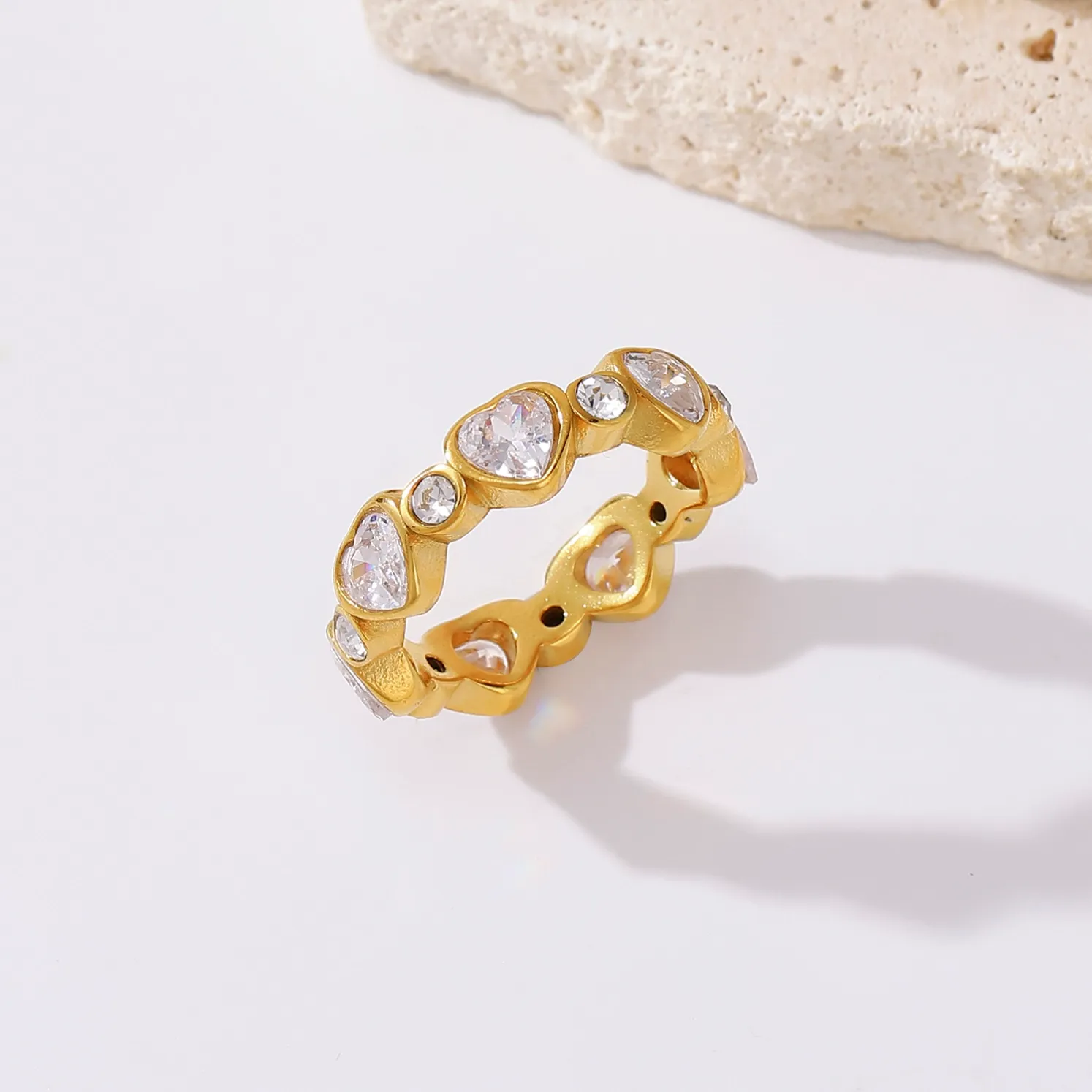
Stainless steel wins on durability, water resistance and everyday wear; natural stone wins on one-of-a-kind character and organic color — and the strongest product lines usually stock both.
If you're building a jewelry collection or comparing materials for your next order, the stainless steel vs stone jewelry question comes up constantly. Both materials have loyal customers, different cost dynamics and very different care requirements. This guide compares them across the factors that matter — durability, weight, style range, maintenance and wholesale considerations — so you can decide where each material belongs in your assortment.
What Counts as Natural Stone Jewelry?
"Natural stone" covers a wide family of materials, from translucent agates to opaque turquoises. Each behaves differently on the wrist and around the neck, which is why stone jewelry never feels like one single category.
Stone | Typical look | Mohs hardness | Notes for jewelry use |
|---|---|---|---|
Amethyst | Purple, translucent | 7 | Good all-round durability |
Agate | Banded, polished | 6.5–7 | Very common in beaded bracelets |
Turquoise | Blue-green, opaque | 5–6 | Porous; sensitive to perfumes and oils |
Lava stone | Matte black, porous | 3–4 | Lightweight; absorbs oils and scents |
Jade | Green, waxy | 6–7 | Tough despite moderate hardness |
Freshwater pearl | Soft lustre | 2.5–4 | Organic gem; scratches easily |
The softer the stone, the more its beauty depends on careful wear — which is exactly where the metal parts of a design become the durability anchor.
Durability: How Each Material Handles Daily Life
Stainless steel, especially 316L, is built for contact. It resists scratches far better than soft stones, it does not rust or tarnish in water, and it survives gym sessions, showers and travel — a steel chain that lives on someone's wrist for years is completely normal, as our guide to jewelry that doesn't tarnish explains.
Natural stone tells a different story. Hardness varies enormously: quartz-family stones like amethyst shrug off daily knocks, while turquoise, lava stone and pearls can scratch, dull or absorb liquids. Steam, hot water, perfume and sunscreen all shorten the life of porous stones.
If a customer wants one piece they never take off, stainless steel is the safer recommendation; if they curate their look daily, stone rewards that attention.
Weight and Comfort on the Body
Lava stone almost floats on the wrist, but a full strand of dense agate can feel heavy next to a fine steel chain. Steel offers the widest comfort range: delicate 1 mm chains for layering and chunky cuban links for statement wear come from the same material family. For earrings, steel's low weight per volume is a real advantage — large stone drops can pull on earlobes over a long day.
Weight is a comfort feature customers feel within the first hour — light steel chains earn their "never take it off" reviews for this exact reason.
Color and Style Range
This is where natural stone is hard to beat. No two agate beads are identical, and that variance is a selling point: customers feel they own something unrepeatable. Stone also brings colors steel cannot — sage greens, dusty pinks, speckled greys.
Stainless steel answers with finishes rather than colors: high polish, brushed matte, hammer tone, and plating. A PVD 18K gold plated steel piece delivers warm gold tones that hold up through years of daily wear — though, honestly, like any plating it softens at high-friction spots such as the inside of a ring band. The science behind that coating is explained in our guide to PVD coating in jewelry.
Stone sells uniqueness; steel sells consistency — decide which promise your brand makes before you place the order.
Maintenance Requirements
Steel care is nearly zero: rinse, wipe, wear. When a piece dulls from built-up lotion or salt residue, it comes back with basic cleaning — our guide to cleaning tarnished stainless steel jewelry covers the few minutes it takes. Stone care is a routine: keep porous stones away from water and cosmetics, wipe pearls after wear, and store softer stones separately so harder pieces can't scratch them.
A quick rule of thumb for customers: steel can forget; stone needs remembering.
Position maintenance honestly on your product pages — it pre-empts far more returns than discovering the difference after the sale.
Cost Structure for Wholesale Buyers
Stone costs swing with grade, cut and color consistency: graded, evenly colored beads cost more than mixed stock, and yield losses from cracked beads get baked into the price. Availability moves with fashion demand too — when a stone trends, its price follows.
Stainless steel costs are driven by steel grade, metal weight, finishing and plating. The upside is predictability: once a design is set, unit costs stay stable across reorders, and arrival defects are rare, which makes planning a core collection far simpler.
Predictable steel units make reorder planning easy; variable stone stock demands eyes-on inspection every delivery.
Mixed-Material Designs: The Best of Both
Some of the best-selling pieces refuse to choose: a steel curb chain interrupted by a single amethyst station, lava beads strung on steel cable, a steel bezel framing a raw stone slice. Mixed designs let the metal carry durability while the stone carries character — and they spread risk, reassuring hesitant customers while giving pure-metal skeptics a reason to buy.
Mixed-material pieces are the easiest upsell in this comparison: one design, two material stories, twice the reason to say yes.
Which Should You Choose for Your Product Line?
Your situation | Lean stainless steel | Lean natural stone |
|---|---|---|
Core everyday collection | Yes — waterproof, low returns | — |
Statement or boho capsule | — | Yes — color and uniqueness |
Gifting programs | Yes — consistent, engrave-ready | Possible, but variance complicates pairs |
Active-lifestyle positioning | Yes — survives sweat and showers | Avoid porous stones |
Collector audience | — | Yes — variance is the appeal |
First order from a new supplier | Yes — fewer quality surprises | Order small trial quantities |
A balanced assortment uses steel for the everyday core and stone for seasonal color drops — durability pays the bills while variety brings the excitement.
Frequently Asked Questions
Short answers you can lift straight onto product pages or into customer-service replies.
Does stainless steel jewelry tarnish the way some stones discolor?
No. 316L stainless steel does not rust or tarnish in normal daily contact with water, sweat or air, which is why it dominates the everyday-wear segment. Stones behave differently: porous varieties such as turquoise and lava can absorb oils and moisture, leading to dulling or discoloration over time. Hard stones like agate and amethyst keep their polish for years with simple care.
Which material is better for someone who never takes jewelry off?
Stainless steel is the clear choice for continuous wear. It handles showers, gym sessions, swimming and travel without corroding or losing finish, and it will not absorb lotions or perfumes the way porous stones do. Natural stone survives continuous wear only if it is a hard, non-porous variety — and even then, soap film gradually dulls the surface and requires regular cleaning.
Can stone and stainless steel be worn together in one look?
Absolutely, and it is one of the strongest styling trends in this category. A beaded stone strand layered beside a steel cuban link creates contrast in both texture and shine. Because steel is so neutral, it pairs with every stone color without competing. Just keep harder steel pieces from rubbing directly against soft stones like pearls during storage, to avoid scratches.
Do natural stone beads break easily on bracelets?
It depends on the stone and the stringing. Hard stones like agate resist chipping in normal wear, while softer materials can mark if knocked against hard surfaces. The more common failure point is actually the stringing material, not the stone. Quality pieces use strong cord or steel cable with well-finished knots and hardware, which is worth checking before you place a wholesale order.
Is one material cheaper for a first wholesale order?
Stainless steel is usually the lower-risk starting point: unit costs stay stable across reorders, quality is consistent from piece to piece, and arrival defects are rare. Stone pricing swings with grade and fashion demand, and every strand varies. Many buyers test steel as the core of a first order, then add a small stone capsule to read customer response before committing.
Wholesale Stainless Steel Jewelry from IVANDA
Looking for a reliable stainless steel jewelry supplier? IVANDA supplies 316L pieces with PVD 18K gold plating - waterproof, skin-friendly and made for everyday wear. MOQ 60 pcs per style, in stock and ready to ship, with OEM/ODM services for custom designs. Message us on WhatsApp or email sales01@ivanda-fa.com for the latest catalog and wholesale prices.