Oct 26, 2026
Summer Vacation Jewelry: What Works and What Doesn't
The summer vacation jewelry guide: which materials survive pool, sea and sunscreen, which pieces to leave at home, and how to pack jewelry for travel.
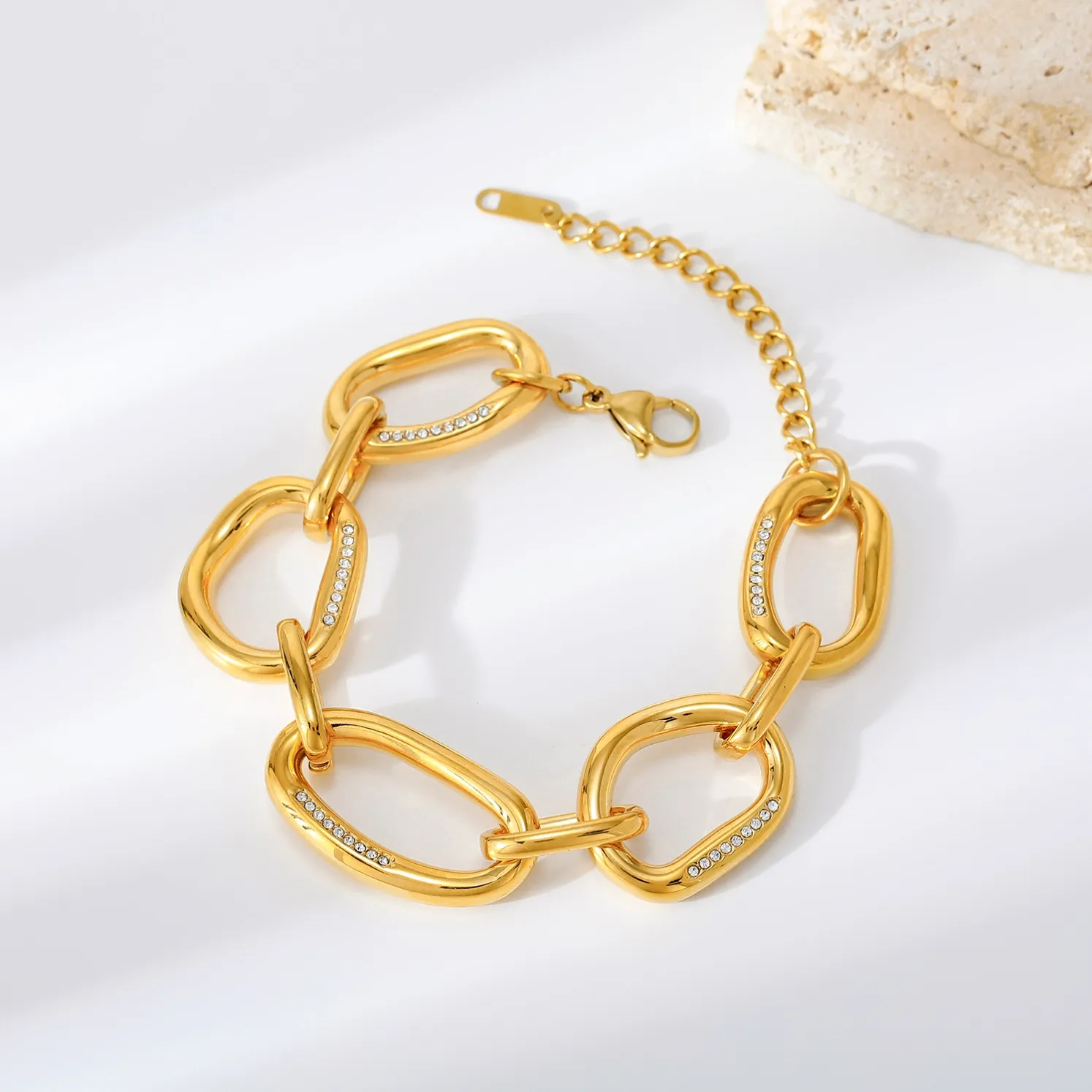
Summer is the most hostile season a piece of jewelry will ever meet — chlorine, saltwater, sunscreen, sand and sweat each attack different materials, and the pieces that come home looking the way they left all share one trait: nothing about them minds getting wet. This guide sorts what works from what does not, and shows you how to pack a vacation jewelry kit that needs no babysitting.
What Summer Actually Does to Jewelry
Most summer jewelry damage is not mysterious — it is chemistry: every element of a beach day attacks a specific kind of material.
Summer element | What it attacks | Typical result |
|---|---|---|
Pool chlorine | Plated fashion jewelry, porous stones | Dull, discolored plating; pitted surfaces |
Saltwater | Most metals | Salt film; residue trapped in crevices |
Sunscreen | Plating, stones, threads | Waxy buildup that darkens surfaces |
Sand | Any polished surface | Micro-scratches that dull the shine |
Heat and sweat | Everything | Residue, trapped moisture, general dullness |
The pattern to notice: damage concentrates on coatings and porous materials. Solid, dense, water-indifferent materials barely register a whole week at the beach.
What Works: Materials That Ignore Water
Stainless steel is the standout summer material — it does not rust or tarnish from pool and sea water, which is why it dominates serious vacation jewelry.
The pieces that earn their place in a beach bag:
- 316L stainless steel in its natural finish. Waterproof in practice: shower with it, swim with it, forget it in a hotel drawer. It keeps its color through an entire season of exactly the treatment that ruins softer metals.
- PVD 18K gold plated stainless steel. The PVD process bonds the gold-tone layer at a molecular level, so it holds its color through pools, showers and seawater far better than traditional dip plating. The honest caveat: no plating lasts forever. Years of abrasion — sand ground against a ring, sunscreen wiped off a bracelet — will gradually soften the shine. For one vacation, that is a non-issue; for a decade of summers, plan on gentler handling.
- Simple, solid forms. Flat surfaces and smooth links shrug off sand and clean up with one rinse, while intricate filigree traps salt and sunscreen in places you cannot clean.
What Doesn't Work: Leave These at Home
The pieces that fail on vacation share a trait too — they are coated, porous or absorbent, and every one of those categories hates water.
- Cheap plated fashion jewelry on unknown base metals. Chlorine and sweat work their way under the coating, and the color goes within days.
- Pearls. Organic and porous; chlorine, heat and sunscreen permanently dull the surface.
- Wood, leather and fabric elements. They absorb water, stretch out of shape and can stain the skin.
- Soft or porous stones such as turquoise or malachite, which absorb chemicals and discolor.
- Very thin chains and delicate clasps that a single towel snag can end.
The test is simple: if a piece comes with "keep it dry" care instructions, it does not belong in a swim bag. Vacation is when the material a piece is made of matters more than the design on it.
The Vacation Jewelry Formula
Pack a waterproof capsule: one necklace, one pair of earrings, one or two bracelets, one or two rings — six pieces that need zero care routine for the whole trip.
Five to six pieces cover every situation from beach to dinner. Choose pieces that share one metal family so everything layers without thought, and favor designs that lie flat for packing. Our guide to building a jewelry capsule wardrobe walks through the same selection logic for everyday life — a vacation kit is just the compressed version of it. If you bring only one chain, make it a 45 cm: the necklace chain length guide explains why it is the length that works with everything from swimwear cover-ups to dinner shirts. Keep the kit small on purpose, too: jewelry left in the hotel safe cannot be lost on a boat, and every piece you skip is one less thing to track between beach, shower and dinner.
Day-to-Night: One Set, Two Looks
The trick to vacation day-to-night is not packing more jewelry — it is using length and layers to change how the same pieces read.
By day: a single chain, small hoops, one or two thin bands. By night: add a second necklace at a different length, stack two more rings, and the same basics read dressed up. Our guide to matching jewelry with your outfit covers the neckline logic in detail; the vacation short version is that bare, sunlit skin flatters longer chains, while higher necklines want shorter ones.
Care Habits That Stretch the Season
Even waterproof jewelry benefits from sixty seconds of care a day — the habits are small, and they decide whether pieces look new for years instead of one summer.
- Last on, first off. Jewelry goes on after sunscreen and comes off before things it could catch on, wherever that is practical.
- Rinse after sea and pool. Fresh water removes salt and chlorine residue. Stainless steel does not need this to survive, but the rinse keeps surfaces brighter for longer.
- Dry before storing. Trapped moisture dulls any surface faster than wear does.
- Separate pouches. Hard pieces scratch each other in one shared bag — the same reason stacked rings should rotate their order.
Frequently Asked Questions
Quick answers on wearing jewelry through water, sun and sand.
Can you wear stainless steel jewelry in the ocean?
Yes. 316L stainless steel does not rust or corrode from seawater in any way that matters for jewelry, and it will not tarnish from salt. The honest fine print: repeated sea exposure leaves a salt film that dulls the shine until rinsed, so a quick fresh-water rinse after swimming keeps the surface bright. Sand abrasion, not water, is the real enemy.
Does chlorine ruin gold plated jewelry?
It ruins cheap plating quickly, and it eventually dulls even well-bonded finishes. PVD 18K gold plated stainless steel resists chlorine far better than dip-plated fashion jewelry because the layer is bonded at the molecular level, but no plating enjoys chemical baths. Rinse in fresh water after the pool, and the color holds for years of summers.
Can you wear jewelry with sunscreen?
You can, with order and placement. Sunscreen goes on first, jewelry second, so cream never sits against the metal where it builds a waxy film. Rings are the exception that needs a daily wipe-down, because hands touch sunscreen all day. The film itself does not harm stainless steel, but it dims the surface and traps grit against polished areas.
What jewelry should you not wear at the beach?
Anything coated on unknown base metals, anything porous — pearls, soft stones, wood, leather — and anything with very fine chains or delicate clasps. None of these survive salt, chlorine and sand together. If the care card says "keep dry," the beach will break it; solid stainless steel pieces are the ones you can stop thinking about entirely.
How do you pack jewelry for travel?
A small rigid case with separate compartments, or individual soft pouches, so pieces cannot scratch each other. Choose flat designs that pack without tangling, keep chains clasped so they cannot knot, and carry the jewelry in hand luggage rather than checked bags. Six well-chosen pieces beat twenty you have to guard.
Wholesale Stainless Steel Jewelry from IVANDA
Looking for a reliable stainless steel jewelry supplier? IVANDA supplies 316L pieces with PVD 18K gold plating - waterproof, skin-friendly and made for everyday wear. MOQ 60 pcs per style, in stock and ready to ship, with OEM/ODM services for custom designs. Message us on WhatsApp or email sales01@ivanda-fa.com for the latest catalog and wholesale prices.