Oct 26, 2026
Stainless Steel Clasps and Closures: Complete Guide
Jewelry clasps and closures explained: lobster, spring ring, toggle, box, magnetic and more — with security notes and how to match clasp to piece.
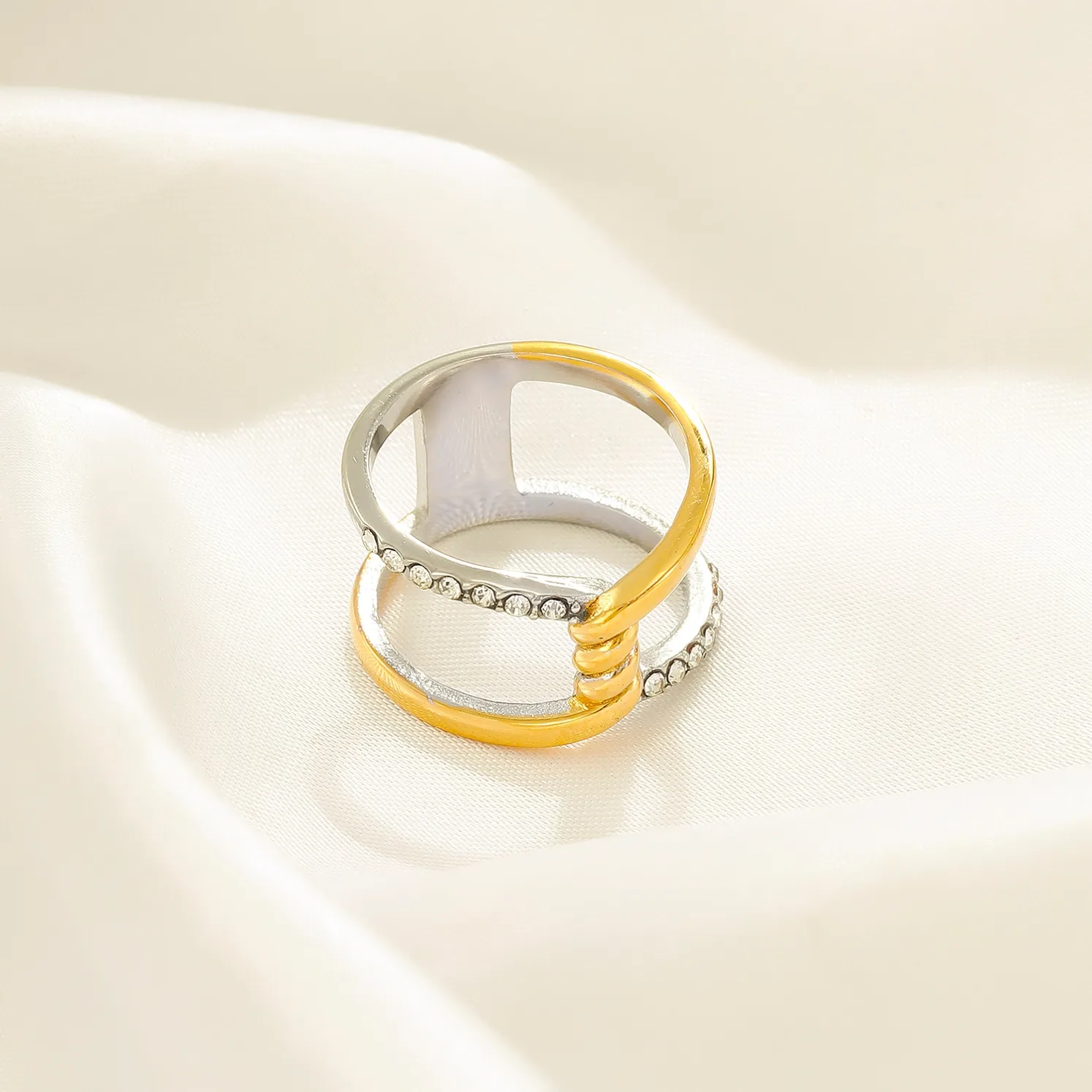
Most jewelry complaints trace back to the clasp, not the design — choosing the right closure for each piece type is the cheapest quality upgrade a jewelry buyer can make.
Customers rarely compliment a clasp, but they always remember a bad one: the bracelet that unhooked at dinner, the necklace that wouldn't close, the magnet that caught on everything except when it mattered. Jewelry clasps and closures are the mechanical heart of every necklace, bracelet and anklet, and in stainless steel jewelry they're also a durability story — a beautiful 316L chain with a weak alloy clasp is a warranty claim waiting to happen. This guide covers the main clasp types, how secure each one really is, and how to match the closure to the piece.
Why the Clasp Matters More Than You Think
The clasp is the only moving part on most jewelry, which makes it both the most likely failure point and the first thing a customer touches — every single wear. It also carries invisible costs: a clasp that opens unexpectedly loses the entire piece, not just the clasp. When you review supplier samples, open and close each clasp twenty times. Feel for smooth spring action, check the jump rings on both sides, and look at how the clasp is attached — soldered links outlast open jump rings in every case.
Judge a supplier by their clasps: anyone who cuts corners on the one moving part will cut corners somewhere else too.
Which Clasp Is Most Secure?
For everyday wear, a quality lobster or carabiner clasp on a soldered jump ring is the most secure practical choice — it cannot open unless the trigger is deliberately pressed, and failure would require the steel itself to fail. Magnetic closures are the convenience winners but the security losers; toggles sit in between, secure in stillness but able to escape when the ring rotates. For a deeper breakdown of how closures behave under stress, see our full comparison of jewelry clasp types and which is most secure.
Security is also systemic, not just a clasp property: the strongest lobster clasp hanging on an unsoldered, paper-thin jump ring is still the weak link of the whole piece.
Security is a chain property — the weakest link really does set the standard for the entire piece.
Matching Clasps to Piece Type
Piece type | Recommended closure | Why |
|---|---|---|
Everyday necklace | Lobster + extender chain | Secure, adjustable length |
Fine layering necklace | Spring ring | Visually disappears on slim chain |
Chunky chain necklace | Carabiner | Proportionate; doubles as design detail |
Daily-wear bracelet | Lobster with soldered rings | Highest security against loss |
Cuff-style or statement bracelet | Toggle or hidden box clasp | Closure becomes part of the design |
Anklet | Lobster + extender | Adjusts for swelling and fit |
Multi-strand necklace | Box or slide lock | Holds all strands aligned |
Accessibility-friendly lines | Magnetic + safety latch | Effortless on, secured against release |
Extender chains deserve special mention: a 5 cm steel extender turns one fixed length into a flexible fit range, cutting "too short" complaints dramatically at almost no added cost. It's the highest-value single addition you can request from a supplier.
Fit complaints and loss complaints are both clasp problems in disguise — extenders and secure triggers solve most of them.
Durability in Stainless Steel
Steel changes the clasp equation. Brass and zinc-alloy clasps wear out their springs and plating far sooner; stainless steel springs keep their tension for years, and the metal doesn't corrode in sweat, shower steam or pool water — the same material logic behind jewelry that doesn't tarnish. On a piece meant for 24/7 wear, which is exactly how stainless jewelry is positioned, a steel clasp isn't an upgrade; it's the baseline.
Three construction details separate good clasps from great ones: soldered or fused jump rings on both attachment points; a spring mechanism with smooth, damped action rather than a rattling trigger; and a clasp body whose wall thickness matches the chain gauge — a paper-thin clasp on an 8 mm cuban link is a design contradiction.
On 24/7-wear jewelry, the clasp should be the last component to fail — steel construction is what makes that promise realistic.
Finishing and Plating on Clasps
Clasps take more friction than any other component, so their finish matters more too. A PVD 18K gold plated clasp keeps its color through years of daily contact and outlasts conventional electroplating many times over — but honesty applies here as everywhere: the clasp is where plating softens first, since the trigger rubs against fingers and fabric every day. Ask suppliers whether clasps are plated in the same batch as the chain; mismatched tones between chain and clasp are one of the most common and most avoidable quality complaints.
Specify plating method and batch consistency for clasps in writing — "matching gold" is a promise, not a default.
Common Clasp Problems and Fixes
Problem | Cause | Fix |
|---|---|---|
Clasp won't close | Spring fatigue or debris in mechanism | Clean with soapy water and soft brush; replace if spring is worn |
Necklace flips, clasp rides in front | Chain too light for the pendant's weight | Use a heavier chain or add a small counterweight |
Toggle opens by itself | Piece worn too loose | Restring shorter or add a keeper loop |
Magnet loses strength | Age and repeated knocks | Pair with safety latch; replace the magnet unit |
Finish fading at the clasp | High-friction wear on the plating | Specify PVD plating; keep spare clasps |
Jump ring opens, piece lost | Unsoldered thin ring | Require soldered rings in purchase specs |
Most of these are preventable at the specification stage rather than fixable after delivery — which is why the purchase order, not the sample, is where clasp quality is really decided. For day-to-day upkeep advice your customers can follow, our stainless steel cleaning guide covers the basics.
Write clasp requirements into the purchase order — mechanism type, soldered rings, plating method — because "standard clasp" means whatever is cheapest that week.
Frequently Asked Questions
Practical answers for buyer conversations, product pages and after-sales support.
What is the most secure clasp for a bracelet?
A quality lobster clasp attached through soldered jump rings is the most secure everyday choice — it stays closed until the trigger is deliberately pressed, and it can fasten at any point along a chain for an adjustable fit. Carabiner clasps offer the same security at a larger scale. Magnetic clasps should always carry a secondary safety latch on bracelets, since hands move all day.
Why does my necklace clasp keep turning to the front?
Light chains let the pendant's weight and the clasp's weight compete, and the clasp drifts to the front as the chain rotates during wear. Fixes include using a slightly heavier chain, adding a small counterweight bead near the clasp, or choosing a closure that's visually intentional — like a carabiner or toggle — so it looks designed even when it shows.
Are magnetic clasps reliable for daily wear?
They're convenient but not the most secure option. Magnets close effortlessly, which helps customers with limited dexterity, but they can release on snags and gradually lose strength over years of knocks. For daily-wear bracelets, choose magnetic closures that include a mechanical safety latch. For necklaces worn under less stress, a plain magnetic clasp is generally acceptable.
How long do stainless steel clasps last?
With normal daily wear, a stainless steel clasp routinely lasts many years — the spring keeps its tension and the metal doesn't corrode in water, sweat or humidity. Failure usually comes from abuse, like forcing the trigger sideways, or from a poorly made mechanism rather than from the material itself. On plated pieces, expect the finish at the clasp to soften first, since it takes the most friction.
What should I ask a supplier about clasps?
Ask five things: which clasp type is used on each design; whether the jump rings are soldered; whether the clasp is the same steel grade as the chain; whether clasps are plated in the same batch as the chain; and whether spare clasps are included with wholesale orders. Written answers here predict long-term product quality better than almost any other sample detail.
Wholesale Stainless Steel Jewelry from IVANDA
Looking for a reliable stainless steel jewelry supplier? IVANDA supplies 316L pieces with PVD 18K gold plating - waterproof, skin-friendly and made for everyday wear. MOQ 60 pcs per style, in stock and ready to ship, with OEM/ODM services for custom designs. Message us on WhatsApp or email sales01@ivanda-fa.com for the latest catalog and wholesale prices.