Oct 24, 2026
The Complete Guide to Stainless Steel Necklace Chains
Every stainless steel necklace chain explained: cable, curb, Figaro, rope, box and more — plus widths, lengths, clasps, layering and care basics.
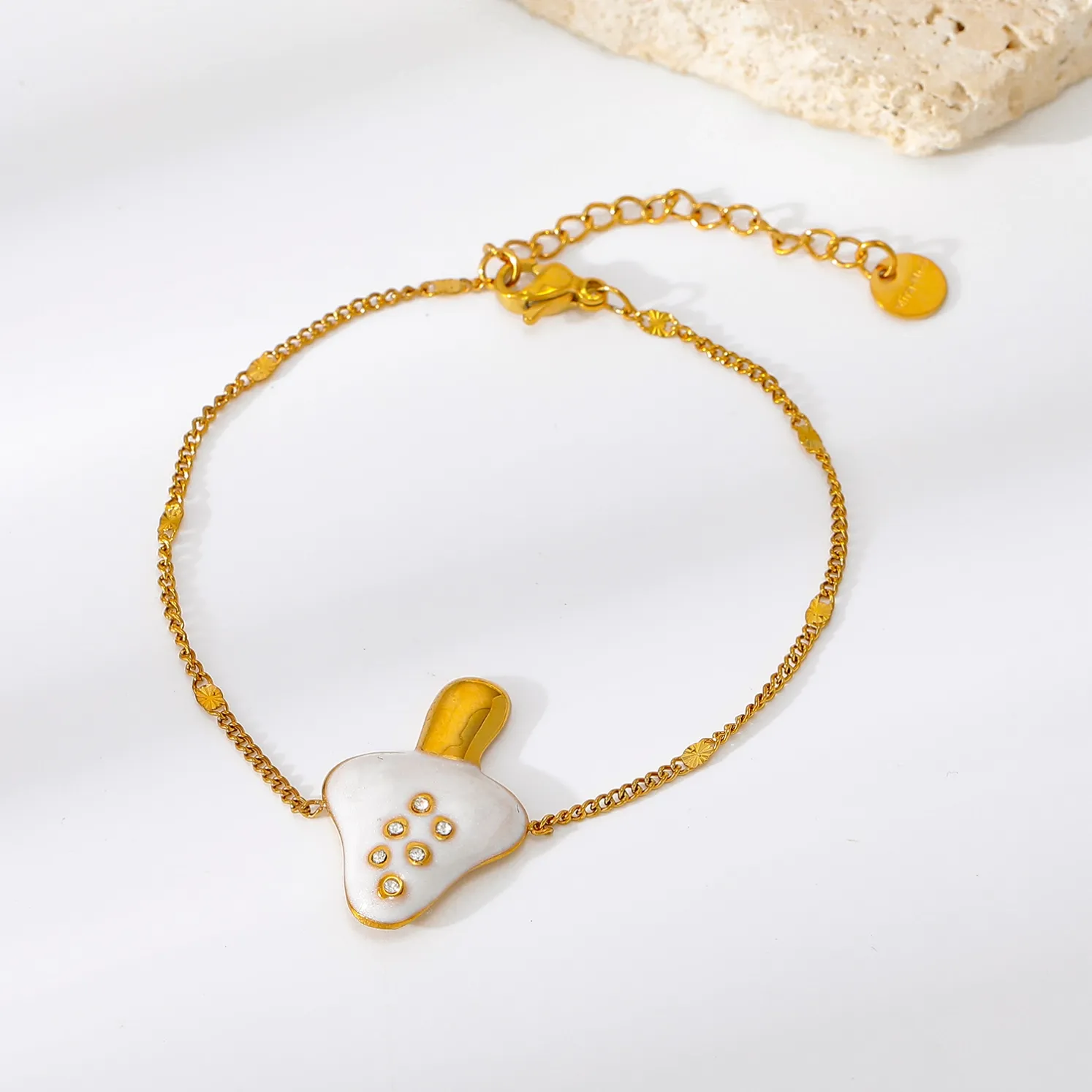
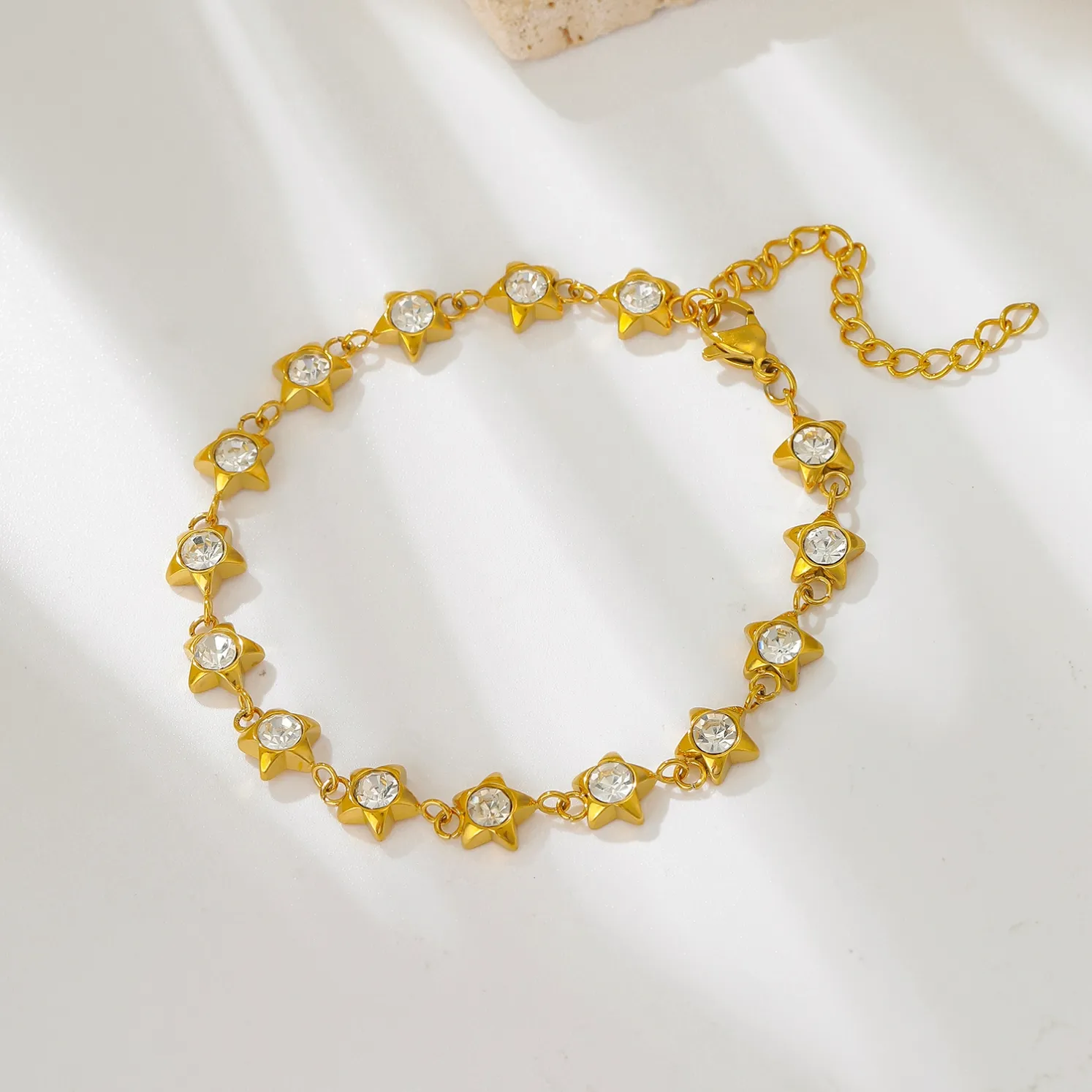
A chain is the hardest-working piece in any jewelry collection, and stainless steel is the material that survives the job — shower after shower, gym after gym, year after year. But "stainless steel chain" covers a dozen very different looks, from whisper-thin cable links to sculptural rope weaves, and choosing between them changes everything about how a necklace wears.
This guide explains the main chain styles, how width and length change the look, what to check on clasps, and honest care for plain steel and PVD 18K gold plated chains.
Why Stainless Steel Works So Well for Chains
Chains take more abuse than any other jewelry type: they flex thousands of times a day, catch on hair and clothing, and sit under shower gel and sunscreen. Soft alloys slowly bend and lose polish under that treatment.
Grade 316L stainless steel handles it. The alloy is corrosion-resistant by design, links hold their shape under tension, and because the color runs through the material, a scratch never reveals a different shade underneath.
For gold-tone chains, the industry standard is PVD 18K gold plated steel, which bonds a hard, dense color layer to the surface. It resists daily water far better than conventional plating, though after several years of constant wear you can expect gradual softening at high-friction points like the clasp.
Chains are the most stressed piece of jewelry you own — that is exactly why their material matters more than their design.
The Main Chain Styles at a Glance
Chain style | Link construction | Look and character | Best for |
|---|---|---|---|
Cable | Uniform round oval links | Simple, classic, versatile | Pendants; first everyday chain |
Curb | Flat, twisted links that lie flush | Smooth, substantial, unisex | Standalone chains; layering |
Figaro | Alternating long and short links | Rhythmic, Italian-inspired | Standalone statement wear |
Rope | Twisted rope-pattern links | Textured, catches light | Bold standalone look |
Box | Square links forming a sleek line | Minimal, modern, clean | Pendants; understated style |
Snake | Round plates in a smooth tube | Liquid, elegant, flat on skin | Sliders; sleek minimal look |
Wheat (Spiga) | Braided V-shaped links | Intricate, soft shine | Elegant everyday wear |
Herringbone | Flat angled plates | Mirror-like, ribbon effect | Formal, sleek occasions |
Paperclip | Elongated flat oval links | Contemporary, airy | Modern layering anchor |
Cable and curb are the workhorses; rope, Figaro and herringbone are the statements — knowing which role you need is half the decision.
Chain Widths: Delicate Versus Statement
Width changes a chain's personality more than any other single factor. Under about 1.5 mm, a chain reads delicate and barely-there — perfect for pendants. Between 2 mm and 4 mm, a chain holds its own at a distance: visible at the collarbone, strong enough to wear alone, still comfortable under a shirt.
Above roughly 5 mm, chains become deliberate statements, especially in curb and rope styles. Wider chains need proportionally sturdier clasps, and our necklace types guide (/posts/stainless-steel-necklace-types-guide) pairs each width with specific style suggestions.
Choose width by role, not taste alone: under 1.5 mm for pendant carriers, 2–4 mm for standalone versatility, 5 mm and up for statements.
Chain Lengths and Where They Sit
Length decides where the chain lands on your body, and that placement controls the whole effect:
Length | Where it sits | Reads as |
|---|---|---|
14 in | Around the base of the neck | Choker |
16 in | Just above the collarbone | Snug everyday length |
18 in | At or just below the collarbone | The most versatile length |
20 in | Below the collarbone | Relaxed, suits pendants |
22–24 in | At the sternum | Pendant drop; longer torsos |
28–30 in | Below the chest | Long statement line; layering |
Neck size, torso length and neckline all shift these numbers slightly, so treat the table as a starting point. Our necklace chain length guide (/posts/necklace-chain-length-guide) covers fitting details, including measuring for layering.
When in doubt, buy 18 inches — it is the length that works on the widest range of necks and necklines.
Clasps and the Details That Decide Longevity
The clasp is statistically the first thing to fail on any chain. Lobster clasps are the reliable default: strong, secure, easy to operate one-handed. Spring rings are slimmer but fiddlier and suit only thin chains; toggles lean decorative and work best on chokers, where the front counterweight is part of the look.
Before buying, check that the clasp metal matches the chain, that the connecting jump ring is soldered or thick enough to resist opening, and that the clasp operates smoothly. A chain that fights you every morning is a chain you will stop wearing.
Spend thirty seconds testing the clasp — it is the part that decides whether your chain gets worn for years or abandoned in a drawer.
Caring for Stainless Steel Chains — Honestly
Plain steel chains are the lowest-maintenance jewelry you can own: wear them in the shower, the sea and the gym, rinse in fresh water after salt or chlorine, pat dry, and occasionally wash with mild soap to remove the film that lotion and sweat leave behind. That is the entire routine.
PVD 18K gold plated chains deserve the same honesty. The finish is genuinely durable and handles daily water, but it is not magic: after years of constant wear, friction points — the clasp, the back of the neck — gradually soften in tone. Rinsing off sunscreen and perfume film, and storing the chain separately, measurably slows that process. Our waterproof jewelry guide (/posts/what-is-waterproof-jewelry-and-does-it-last) sets realistic long-term expectations.
Plain steel asks almost nothing of you; gold-tone PVD asks only that you rinse off the film — and even then, years of hard wear will show.
How to Choose: Pendant Carrier or Standalone Piece
Start by deciding the chain's job. If it will carry a pendant, prioritize clean, continuous profiles — cable, box, snake and curb — that support a bail neatly and let the pendant dominate, rather than busy textures that compete with it and catch on its fittings.
If the chain is the piece, everything reverses: rope, Figaro, wide curb and paperclip styles carry a look on their own and are the natural anchors for layering. A common three-chain stack uses one short delicate chain, one mid-weight classic at 20 inches, and one textured or long chain — three widths, three lengths, no tangling.
Decide the chain's job first — pendant carrier or standalone star — and the right style chooses itself.
Frequently Asked Questions
The questions buyers ask most about stainless steel chains, answered briefly and honestly.
What is the strongest stainless steel chain style?
Cable, curb and rope chains at medium-to-heavy gauges offer the best strength-to-wear ratio, because their interlocking links share tension well. Snake and herringbone chains, while beautiful, use plates that can kink if twisted sharply. The honest weak point is usually the clasp rather than the chain, so check that the lobster clasp and its jump ring match the chain's sturdiness before buying.
Which chain looks best with a pendant?
Choose a chain with a clean, continuous profile that stays out of the pendant's way: cable, box, snake or slim curb all work well. Keep the width proportional — a heavy pendant on a 1 mm chain will eventually stretch or snap its bail, while a tiny charm disappears on a 5 mm rope. Around 1–2 mm is the sweet spot for most everyday pendants.
Will a stainless steel chain rust or tarnish?
Under normal daily conditions, 316L steel does not rust and does not tarnish the way brass or silver does. What you may notice instead is a dull film from accumulated sweat, lotion and minerals — cosmetic, not damage, and removable with mild soap and water. Plain steel has no coating to wear off; on PVD 18K gold plated chains, tone can soften gradually after years of friction.
What length chain should I buy?
Eighteen inches suits the widest range of people, sitting right at the collarbone. Choose 16 inches for a choker-adjacent fit, 20–24 inches if you plan to wear pendants or have a longer torso, and 28–30 inches for long lines and layering. Neck size and neckline change the effect, so measure a chain you already own against the table above before ordering.
Can I shower with a stainless steel chain?
Yes — plain steel and PVD 18K gold plated chains both handle showers without damage. Two small caveats keep them bright: rinse off shampoo and soap residue rather than letting it build into a film, and dry the chain with a soft towel, especially around the clasp where moisture lingers. Heavily chlorinated pools deserve a rinse afterward.
Wholesale Stainless Steel Jewelry from IVANDA
Looking for a reliable stainless steel jewelry supplier? IVANDA supplies 316L pieces with PVD 18K gold plating - waterproof, skin-friendly and made for everyday wear. MOQ 60 pcs per style, in stock and ready to ship, with OEM/ODM services for custom designs. Message us on WhatsApp or email sales01@ivanda-fa.com for the latest catalog and wholesale prices.