Oct 24, 2026
Stainless Steel Ring Settings: The Complete Guide
A ring settings guide for stainless steel: prong, bezel, channel, pave and tension settings compared, with picking tips by lifestyle and wear.
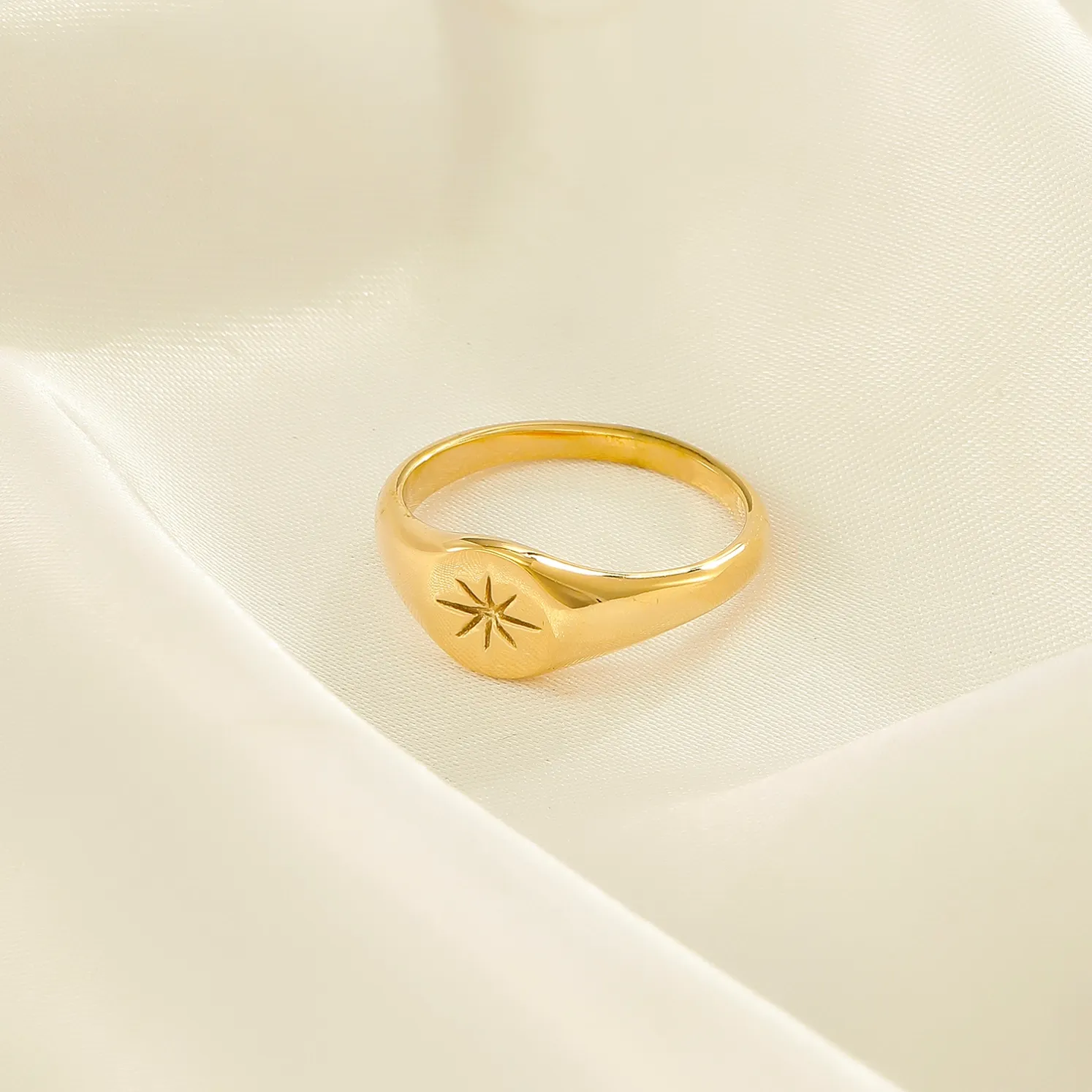
A ring setting is the structure that grips the stone — and it decides far more than looks: how snag-resistant the ring is, how the stone catches light, and how the whole piece survives daily wear. This ring settings guide walks through the main setting types, how each behaves on a stainless steel band, and how to match a setting to a real lifestyle rather than a catalog photo.
Setting vs Band vs Stone: The Vocabulary
Three terms get used loosely, so let us fix them first. The band is the ring's circle of metal around the finger — in our case 316L stainless steel, often marked with an alloy stamp (our article on what 316L means on jewelry stamps decodes it). The stone is the gem, most often cubic zirconia in stainless steel rings. The setting is everything engineered to hold that stone in place. Once you can name these three parts, product descriptions start making sense overnight.
The setting is the part of the ring that works hardest and gets checked least — learn it once and every future purchase gets easier.
The Main Ring Setting Types at a Glance
Setting | How it holds the stone | Best known for | Watch out for |
|---|---|---|---|
Prong | Small metal claws grip the stone's edge | Maximum sparkle; the classic solitaire look | Claws can snag and loosen over time |
Bezel | A metal rim wraps the stone's edge | Security; smooth modern profile | Less light gets to the stone |
Channel | Stones set in a groove between two walls | Sleek, protected bands | Repairs are intricate work |
Pavé | Tiny beads of metal secure many small stones | All-over shimmer | Delicate detail needs gentle handling |
Tension | Band pressure suspends the stone | Modern, floating look | Depends on precise engineering |
Flush | Stone sunk level into the surface | Lowest profile; snag-free | Quieter visual impact |
No setting is "the best" — each trades sparkle, security, profile and upkeep differently, which is why the choice should start with the wearer's hands.
Setting by Setting: How Each One Performs
Prong settings win on sparkle; bezel settings win on security — most other choices are variations between those two poles.
Prong
Three to six metal claws rise from the band and grip the stone's edge, exposing most of the stone to light — which is exactly why solitaire rings sparkle so much. A halo design, a frame of small stones around the center stone, builds on the same logic and adds visual size. The trade-offs are practical: raised claws catch on gloves and knitwear, and claws can loosen slightly over years, so a periodic gentle check with a fingernail is smart maintenance.
Bezel
A thin metal rim encircles the stone completely (full bezel) or partially (half bezel). It is the most protective setting: no edges to snag, no claws to loosen, and a smooth profile that slides under gloves. The cost is sparkle — the rim blocks some light — though well-designed rims are angled to return as much brightness as possible.
Channel
Rectangular or round stones sit in a groove between two parallel walls of metal, with no metal beads between them. The result is a continuous, smooth ribbon of stones, popular on wedding-style bands. The stones sit below the walls, so their edges are well protected from knocks.
Pavé
Many small stones are set close together across the band, each held by tiny beads of metal raised from the surface. From a distance the band looks paved with shimmer, which gives the style its name. It is intricate work, and the fine detail deserves gentler treatment than a plain band would.
Tension
The stone appears to float, held by the pressure of the band pressing against both sides. It is a striking look and an engineering achievement, because it depends on precise manufacturing — the metal must flex exactly right and hold forever. Steel's strength is what makes this style structurally possible in an accessible material.
Flush
Also called a gypsy setting: the stone is sunk into the metal so its surface sits level with the band. Nothing protrudes, nothing snags, and the stone is surrounded by metal on every side. The style also hides small scuffs well, which makes it forgiving on rings worn daily. It suits people who work with their hands and want a ring that never announces itself.
How to Choose a Setting by Lifestyle
Lifestyle | Recommended settings | Why |
|---|---|---|
Hands-on work, gloves, gym | Bezel, flush | Nothing protrudes or snags |
Statement dressing | Prong, halo, pavé | Maximum light and sparkle |
Stacking with other rings | Channel, flush | Smooth sides sit flush together |
Low-maintenance wearers | Bezel, channel | Fewest parts to check or loosen |
Match the setting to the hands, not just the outfit — rings live harder lives than necklaces, and the setting is the first line of defense.
Caring for Set Stones on Stainless Steel
The steel band itself needs little: mild soap, warm water, a soft brush and a thorough dry — our guide to cleaning tarnished stainless steel jewelry has the full routine. The setting deserves a little more attention:
- Check prongs occasionally — a stone that clicks or shifts when tapped should go to a jeweler before it is lost.
- Skip abrasive cleaners and scrubbing pads: they scratch the band, dull pavé detail, and on PVD 18K gold plated rings they gradually wear the finish — the plating holds up for years of normal wear, but abrasion is the one thing that shortens its life.
- Remove rings for heavy lifting; impact is the enemy of every setting, not just prongs.
Deep scratches on the band are repairable — see our stainless steel scratch removal guide — but prevention is easier than repair.
Frequently Asked Questions
Quick answers to the setting questions buyers ask most often.
What is the most durable ring setting?
Bezel and flush settings lead on durability because metal surrounds the stone on all sides, leaving nothing to catch, bend or loosen. Channel settings protect stones well too, since the walls rise above them. Prong settings trade some of that protection for sparkle, and their claws are the part worth checking periodically.
Which ring setting makes a stone look biggest?
Prong settings expose the most of the stone to light, which makes it appear larger, and halo designs — a frame of small stones around the center — add visual diameter on top. Bezel settings can make a stone look slightly smaller, though a well-angled rim limits the effect. Perceived sparkle matters almost as much as actual size.
Can stainless steel rings be resized?
Honestly: not easily. Stainless steel is much harder than soft jewelry metals, so traditional cut-and-resize work is impractical for most workshops. The practical advice is to size correctly before buying, and ask a jeweler about sizing beads or interior inserts for small adjustments. That is one more reason size and setting deserve careful choices upfront.
Do prong settings snag on clothing?
Raised claws can catch on knitwear, gloves and towels, especially taller six-prong designs. Lower-profile prong work snags far less. If snagging annoys you daily, bezel or flush settings remove the problem entirely — their surfaces are smooth from every angle, which is exactly why hands-on wearers prefer them.
Are channel-set stones secure?
Yes — the two metal walls shield the stones' edges, and with no prongs between stones there is nothing to loosen or snag on. The trade-off is that replacing a damaged channel-set stone is intricate bench work, so treat the band kindly. For everyday stacking rings, channel settings remain a security favorite.
Wholesale Stainless Steel Jewelry from IVANDA
Looking for a reliable stainless steel jewelry supplier? IVANDA supplies 316L pieces with PVD 18K gold plating - waterproof, skin-friendly and made for everyday wear. MOQ 60 pcs per style, in stock and ready to ship, with OEM/ODM services for custom designs. Message us on WhatsApp or email sales01@ivanda-fa.com for the latest catalog and wholesale prices.