"US Wholesale Jewelry Market: Entry Points for Brands"
"How new jewelry brands enter the US wholesale market: boutique outreach, online wholesale marketplaces, trade shows, retail-ready pricing and the first-order checklist that gets reorders."
The United States buys more fashion jewelry than any other market, and it is open in a way that surprises first-time exporters: a small brand can pitch a boutique on Tuesday, list a wholesale catalog the same week, and ship its first stockist order within a month. The hard part is not access - it is choosing entry points that match your price band, margins and team size. This guide walks through the realistic doors into US wholesale for a new stainless steel jewelry brand.
Start With the Math Before the Market
Wholesale in the US runs on a strict pricing logic: boutiques expect to mark your pieces up enough to survive their rent. The convention is that wholesale lands at roughly half of a believable retail price, and that retail price must fit the store's existing price architecture. Before any entry point, run three numbers: landed cost per piece, a wholesale price profitable at reorder volume, and the retail price a boutique would hang next to it.
If that retail number would look out of place in the stores you are targeting, fix the product or the cost - not the store. Our guide to pricing jewelry for retail margin walks the arithmetic, and it is the single most common place new brands stumble before their first US order.
Entry Point One: Independent Boutiques (the Fastest First Yes)
Independent boutiques are the most accessible entry point in the US wholesale market, and the right target for almost every new brand. They buy smaller quantities than chains, decide quickly (owner-operated shops often close in one or two conversations), and actively look for pieces their neighborhood cannot find in malls.
The approach that works is local and specific: a short email or DM with your lookbook, wholesale price list, and one line on why your pieces fit their racks - referencing their actual Instagram feed beats any generic pitch. Offer a low-friction first order: a pre-packed display or starter assortment rather than open minimums. Sellers who make the first order small and shippable win the second, and reorders are where wholesale pays.
Fit check before pitching: jewelry-heavy boutiques, spa and salon retail corners, resort-adjacent gift shops and museum stores all convert better than general fashion shops. Our boutique wholesale guide covers what these buyers check first.
Entry Point Two: Online Wholesale Marketplaces
Wholesale marketplaces compress the hardest part of US entry - finding stockists - into a profile page. Buyers there arrive with budget and timing already set; they browse by category, compare margins and case sizes, and order without a single email. The trade-off is competition: your pieces sit beside hundreds of similar catalogs, so the listing assets do the selling.
A marketplace-ready program needs four assets before you list: clean photography at consistent angles, a line sheet with wholesale and suggested retail prices, clear case-pack quantities, and a shipping profile with honest handling times. Buyers abandon listings with missing wholesale prices far faster than listings with unflattering photos, so publish complete data even if the polish is imperfect.
This entry point suits brands that can fulfill small orders fast. It is weak for brands whose whole strategy depends on telling a story - that story gets one paragraph above the product grid.
Entry Point Three: US Trade Shows (Go as a Buyer First)
Wholesale trade shows remain the fastest way to meet many stockists in one week, but they reward preparation and punish improvisation. Booths, travel and samples add up, and a first-timer who books a booth without a tested line sheet leaves with conversations instead of orders.
Attend your target show as a buyer first: walk the jewelry halls, watch which booths stay busy, note the open price bands, and collect the intelligence that shapes your own booth six months later. When you do exhibit, bring a merchandised display that shows pieces the way a boutique would - loose samples read as factory, a styled display reads as brand - and write orders on the spot with a simple form. Our trade show sourcing guide explains what buyers evaluate on the floor, in reverse.
Timing matters: US holiday-quarter buying happens mid-year, and resort and spring assortments are placed in the opposite season. The jewelry seasonal buying calendar maps which categories sell in which window, so your samples arrive when buyers still have budget.
Entry Point Four: Retail Chains and Franchise Groups (Later, Not First)
Chain retailers buy bigger and pay slower, with vendor onboarding that can stretch months: insurance certificates, routing guides, compliance paperwork and negotiated terms. This is the wrong first door for a new brand - the admin load assumes infrastructure a young company has not built.
The realistic route into chains is sideways: get reorders running in independents and marketplaces first, and let a regional chain find you through your marketplace presence or a rep who carries complementary lines.
What US Buyers Check Before a First Wholesale Order
Across all entry points, US stockists verify the same short list before wiring a first order:
Buyer checks | What passes |
|---|---|
Margin math works at their retail price | Wholesale near half of a realistic retail, with room for their promos |
Case sizes match shelf scale | Small, pre-assorted first orders rather than deep per-style minimums |
The story sells in one glance | Styled photography and a coherent finish story - not a factory grid |
Replacement and reorders are easy | Consistent SKUs, stated handling times, simple reordering |
The finish holds through a season | Plating that survives daily wear; honest care guidance on cards |
Notice that four of the five are operations, not product. A brand with a mid catalog and excellent operations beats a brilliant catalog that cannot answer "what happens when my customers reorder?"
Positioning Stainless Steel for US Shelves
The US buyer conversation about stainless steel has matured: waterproof, sweat-friendly, everyday-wear jewelry is now a recognized shelf category, not a compromise. Position it that way. Gold-toned lines should read as the PVD 18K gold plated finish they are - durable enough for gym, beach and office - and steel-tone pieces as the silver-look alternative that never needs babying.
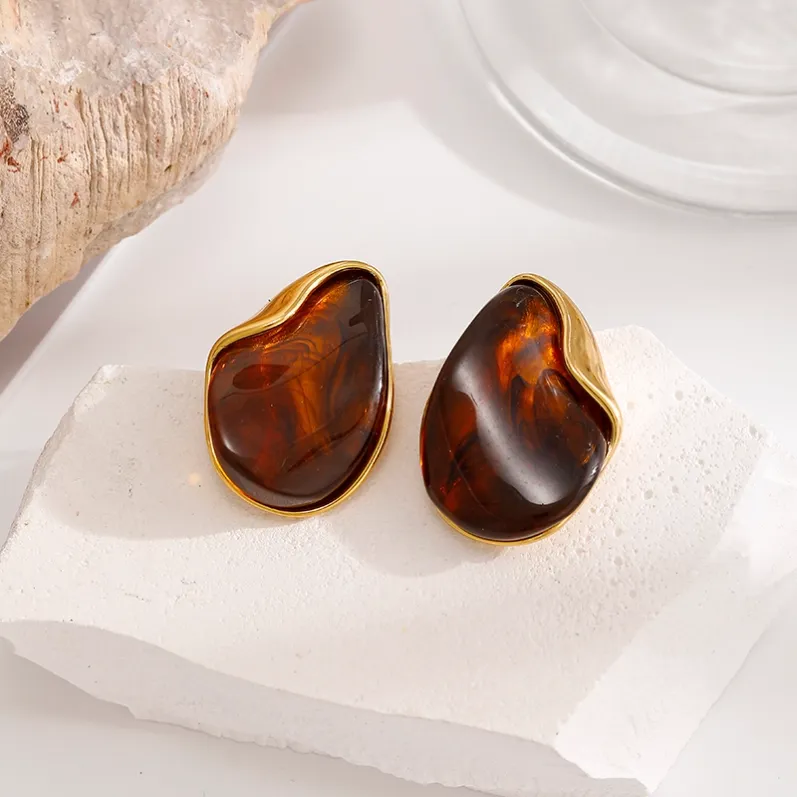
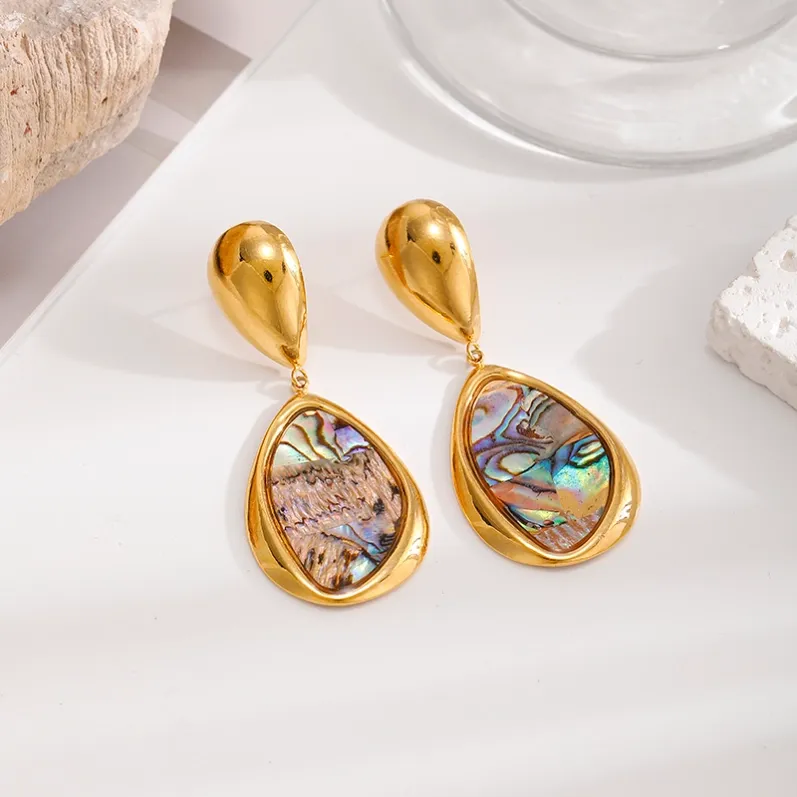
Boutiques in sun-belt states and coastal towns reorder waterproof categories fastest; the resort and beach retail angle is a proven wedge for a first US order. For an opening assortment, lead with the categories that reorder - our wholesale earrings range shows the hoop and huggie styles US shelves restock most - and preview the fuller range in the line sheet rather than pushing it into the first order.
A 60-Day Entry Sequence That Holds Up
Compressing everything above into a workable sequence: spend the first two weeks on pricing and landed-cost math, then two on line sheet and photography. Week five, list on one wholesale marketplace while pitching twenty hand-picked boutiques with a personal note. Weeks six through eight, fulfill whatever comes - fast and over-communicated - and collect the reorder signals that show which entry point deserves next quarter.
Brands that follow a sequence like this usually discover their first US stockist was not the hardest sell - the second order was. Build operations for the reorder and the market opens steadily from there.
Frequently Asked Questions
Do I need a US company to sell wholesale to US boutiques?
No. Most small stockists can pay an overseas supplier by card or transfer and receive standard international shipments, and marketplace platforms handle tax collection at their layer. What US buyers care about is shipping time, duties handling and invoice clarity - state those plainly. As volume grows, a US entity or stateside fulfillment partner becomes worth considering, but it is not the gate to a first order.
What wholesale price should a new jewelry brand offer US boutiques?
Work backwards from the retail price your target stores actually charge: wholesale generally lands near half of that number, and it must stay profitable above your landed cost. If the math fails, fix the construction or the presentation - not the store's margin. Boutiques protect their markup fiercely, and a brand that respects it gets reorders.
How do boutiques find new jewelry brands?
Four ways, in rough order of frequency: marketplace browsing, referrals from other stockists and reps, Instagram and trade shows. A new brand can be findable in all four without spending heavily: a complete marketplace listing, a public wholesale page, a lookbook tagged to store owners, and one well-chosen show.
What is a line sheet and do I need one for US wholesale?
Yes - it is the document buyers expect. A line sheet lists each style with its SKU, description, wholesale price, suggested retail, case pack and shipping window, usually as a clean PDF. It signals that you understand wholesale as a business rather than a favor. Missing wholesale prices is the most common reason buyers move on without replying.
How large should a first wholesale order be for a new brand?
Small enough that the store says yes without approval chains - a pre-assorted starter display or a modest case across a few styles beats deep minimums on single styles. The first order's job is to get your pieces onto a real shelf quickly; the reorder, which arrives only if sell-through is honest, is where the economics live.
Wholesale Stainless Steel Jewelry from IVANDA
Looking for a reliable stainless steel jewelry supplier? IVANDA supplies 316L pieces with PVD 18K gold plating - waterproof, skin-friendly and made for everyday wear. MOQ 60 pcs per style, in stock and ready to ship, with OEM/ODM services for custom designs. Message us on WhatsApp or email sales01@ivanda-fa.com for the latest catalog and wholesale prices.