Oct 19, 2026
What Jewelry Doesn't Tarnish? Material Guide
Which jewelry metals don't tarnish? Compare stainless steel, gold, platinum, titanium and silver for tarnish resistance, price and everyday durability.
Solid platinum, solid gold, titanium and 316L stainless steel are the materials that genuinely resist tarnish — and 316L stainless steel is the only one of the four priced for everyday wear.
Anyone who has pulled a favorite necklace from a drawer and found it dull, brown or spotted knows the frustration of tarnish. Some metals react with the world around them; others shrug it off. This guide explains what actually causes tarnish, ranks the most common jewelry materials by how well they resist it, and shows why one material — 316L stainless steel — has become the default for jewelry meant to be worn every day without constant polishing.
Why Jewelry Tarnishes in the First Place
Tarnish is chemistry, not dirt. Two reactions cause almost all of it.
Oxidation happens when oxygen in the air combines with a metal and forms a compound layer on the surface. On iron the result is rust; on copper and silver it is a darker film that slowly kills the shine.
Sulfidation happens when sulfur compounds — present in air pollution, sweat and many skincare products — react with a metal to form dark sulfide layers. The black film on neglected silver jewelry is silver sulfide.
Humidity accelerates both reactions, which is why pieces tarnish faster in a steamy bathroom than in a dry drawer, and faster on skin than on a shelf.
The crucial difference between metals is what happens next. On silver and copper alloys, the tarnish layer keeps growing and darkening, so the piece needs repeated polishing. On stainless steel, oxygen reacts with the chromium in the alloy and forms chromium oxide — an invisible, stable film only a few atoms thick that stops the reaction on its own. That passive layer then acts as a shield, blocking oxygen and moisture from getting to the metal beneath. This is why stainless steel does not keep corroding: its first reaction is essentially its last.
Tarnish is not bad luck or bad storage — it is predictable chemistry between certain metals and oxygen or sulfur, and the only lasting fix is choosing metals that resist the reaction.
Jewelry Materials Ranked by Tarnish Resistance
Material | Tarnish resistance | Price level | Notes |
|---|---|---|---|
316L stainless steel | Excellent | Low | Self-sealing chromium oxide layer; handles water, sweat and humidity |
Platinum | Excellent | Premium | Highly stable noble metal; develops a soft grey patina, never dark tarnish |
Solid gold (14K-24K) | Excellent | Premium | Pure gold barely reacts; copper in lower karats can dull slightly |
Titanium | Excellent | Moderate | Extremely stable oxide surface; hardness limits resizing and design options |
925 sterling silver | Poor | Moderate | Tarnishes steadily in air and sweat; needs regular polishing |
Gold plated brass | Poor | Low | Thin coating wears through, exposing brass that oxidizes quickly |
Zinc alloy | Poor | Low | Common in low-cost fashion pieces; reacts with skin moisture and discolors |
The pattern in this table is simple. Every material in the excellent tier is either a noble metal — gold or platinum — or a chromium-bearing alloy; everything else is slowly losing a chemical battle it cannot win.
A few notes on the individual materials:
- Solid gold is nearly inert in its pure form, which is why ancient gold pieces emerge from the ground still bright. Most jewelry uses 14K or 18K gold mixed with copper or silver for strength, and those alloy metals can react slightly — but a solid piece can always be polished back to full shine.
- Platinum is even more stable than gold and far denser. Its only real drawbacks are cost and weight, and it scratches into a matte patina that some owners love and others have re-polished professionally.
- Titanium forms its own stable oxide film, similar in principle to stainless steel. It is light and strong, but so hard that resizing is difficult, which narrows its use in fine jewelry.
- 925 silver is 92.5% silver with copper added for hardness — and that copper content is part of why it tarnishes so readily. Left in humid air, a silver chain can dull noticeably within weeks.
- Thinly plated fashion metals such as brass and zinc alloy start attractive and stay that way only until the coating is scratched. After that, the reactive base metal underneath meets air and moisture directly, and discoloration follows fast.
Why Stainless Steel Is the Practical Everyday Winner
Stainless steel shares the top tarnish-resistance tier with metals that cost many times more, and the grade is what makes the difference. 316L — a low-carbon grade first developed for demanding marine and industrial equipment — contains roughly 16-18% chromium, and chromium is what builds the self-repairing oxide layer described above. The alloy also contains about 10-14% nickel, bound inside the metal matrix rather than sitting loosely on the surface, and that stable chromium oxide layer minimizes its release — a point of material science worth understanding when comparing alloys.
In daily life this chemistry translates into a simple experience: the piece goes through showers, pools, gym sessions and beach days without darkening, without smelling, and without the weekly polishing session silver demands. A rinse in warm water and a dry cloth do more for stainless steel than any polishing paste would.
The honest tradeoffs: steel does not carry the prestige of solid gold, it is difficult for jewelers to resize, and its hardness means a deep gouge cannot be buffed out at home. For buyers whose priority is putting jewelry on and forgetting about it, though, nothing else in the top tier comes close on value.
Stainless steel delivers noble-metal tarnish resistance at a low price level — which is exactly why it owns the everyday-wear category.
How PVD 18K Gold Plated Stainless Steel Solves the Gold-Color Problem
For decades there was a gap in the market: solid gold offered a warm color that lasted, while every cheaper alternative meant a thin coating over a soft, reactive base metal. Once that coating scratched through — often within months — the metal underneath oxidized, and the piece turned dull or spotty beyond rescue.
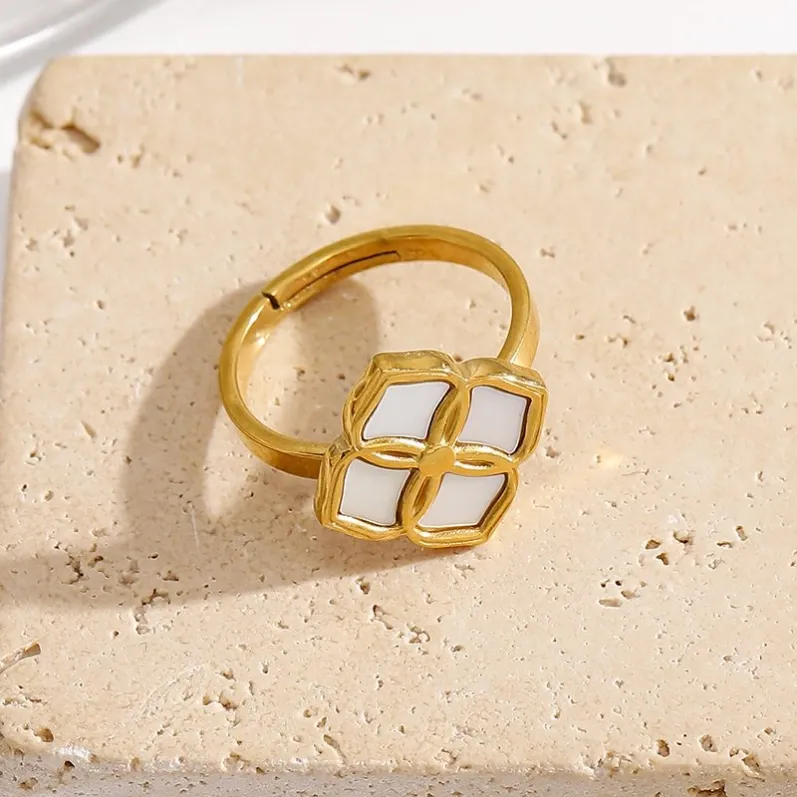
PVD, short for Physical Vapor Deposition, changes that equation. Instead of dipping jewelry in an electroplating bath, the coating is deposited in a vacuum chamber, where vaporized metal condenses and bonds to the surface at the atomic level. The result is a layer that is dramatically denser and harder than conventional plating. Laid over 316L stainless steel — a substrate that never rusts or swells beneath the coating — PVD 18K gold plated jewelry keeps its color through water, sweat and daily friction.
Three reasons the combination works:
- A stable foundation. If the coating is eventually scratched, the 316L beneath it does not rust or stain, so wear shows as a hairline, not a spreading discoloration.
- A hard coating. PVD films rank far above electroplated layers on hardness scales, so they shrug off the rubbing that strips ordinary plating.
- Consistent color. The 18K tone is uniform across an entire production run — which matters to wholesale buyers whose customers expect a necklace and its matching bracelet to actually match.
Honesty requires the limits too. No coating is immortal: after years of constant abrasion — a bracelet worn against a watch, a chain under a backpack strap — PVD plating gradually thins and its color softens. Under normal everyday wear, however, the finish holds for years, which is why it has become the standard finish across the stainless steel jewelry industry.
PVD 18K gold plating over 316L delivers the warm color buyers want on a base that refuses to tarnish — a combination plated soft metals have never achieved.
Care Habits That Extend Any Metal's Life
Even tarnish-resistant jewelry looks better with small habits, and tarnish-prone jewelry depends on them.
- Rinse after swimming. Chlorine and seawater residue attack copper-bearing alloys and dry into abrasive crystals. A fresh-water rinse protects every material.
- Last on, first off. Put jewelry on after lotion, perfume and sunscreen, and take it off before bed. Products sitting on metal overnight are a leading cause of dullness.
- Wipe after wear. Ten seconds with a soft cloth removes sweat and skin oils before they settle into crevices.
- Store dry and separated. A sealed bag slows sulfidation for silver, and pieces stored apart stop scratching each other.
- Match the cleaner to the metal. Soap and water suit stainless steel and PVD-coated pieces; silver needs a polishing cloth.
The material decides how fast jewelry degrades; your habits decide how long it looks new.
Frequently Asked Questions
Does stainless steel jewelry tarnish or rust?
Genuine 316L stainless steel effectively does not tarnish in normal wear. Its chromium forms an invisible oxide layer that halts oxidation almost immediately and self-repairs when the surface is scratched. Lower grades with less chromium can show spotting over the years, so the grade matters more than the label.
Is 925 silver worse than stainless steel for daily wear?
Purely from a maintenance standpoint, yes. Silver tarnishes steadily through reactions with airborne sulfur and sweat, so it needs polishing every few weeks to stay bright. Stainless steel keeps its finish with almost no care. Silver remains worth choosing when its softer, warmer character matters more than convenience.
Does PVD 18K gold plating fade?
Not quickly, but it is not permanent. Because PVD bonds the coating far more densely than electroplating, the color normally holds for years of everyday wear. Constant abrasion — a chain under a collar, a bracelet against a watch — thins it eventually, and the tone softens gradually rather than peeling off.
Wholesale Stainless Steel Jewelry from IVANDA
Looking for a reliable stainless steel jewelry supplier? IVANDA supplies 316L pieces with PVD 18K gold plating - waterproof, skin-friendly and made for everyday wear. MOQ 60 pcs per style, in stock and ready to ship, with OEM/ODM services for custom designs. Message us on WhatsApp or email sales01@ivanda-fa.com for the latest catalog and wholesale prices.
{"@context":"https://schema.org","@type":"FAQPage","mainEntity":[{"@type":"Question","name":"Does stainless steel jewelry tarnish or rust?","acceptedAnswer":{"@type":"Answer","text":"Genuine 316L stainless steel effectively does not tarnish in normal wear. Its chromium forms an invisible oxide layer that halts oxidation almost immediately and self-repairs when the surface is scratched."}},{"@type":"Question","name":"Is 925 silver worse than stainless steel for daily wear?","acceptedAnswer":{"@type":"Answer","text":"From a maintenance standpoint, yes. Silver tarnishes steadily in air and sweat and needs regular polishing, while stainless steel keeps its finish with almost no care."}},{"@type":"Question","name":"Does PVD 18K gold plating fade?","acceptedAnswer":{"@type":"Answer","text":"Not quickly. PVD bonds the coating far more densely than electroplating, so the color normally holds for years of everyday wear, softening only after years of constant abrasion."}},{"@type":"Question","name":"What jewelry metal never tarnishes?","acceptedAnswer":{"@type":"Answer","text":"Pure gold and platinum come closest, as neither reacts meaningfully with oxygen or sulfur. In practice, solid gold, platinum and 316L stainless steel all stay bright for decades with basic care."}},{"@type":"Question","name":"Why did my stainless steel necklace turn green or dull?","acceptedAnswer":{"@type":"Answer","text":"Green staining almost always means the piece is not true 316L but a cheap substitute or a coated zinc alloy. Genuine 316L contains neither copper nor zinc, so it stays clean against skin."}}]}