Oct 27, 2026
What Does Your Jewelry Say About Your Style?
Minimalist, classic, romantic, maximalist or storyteller? Read what your jewelry choices say about your style personality and what to add next.
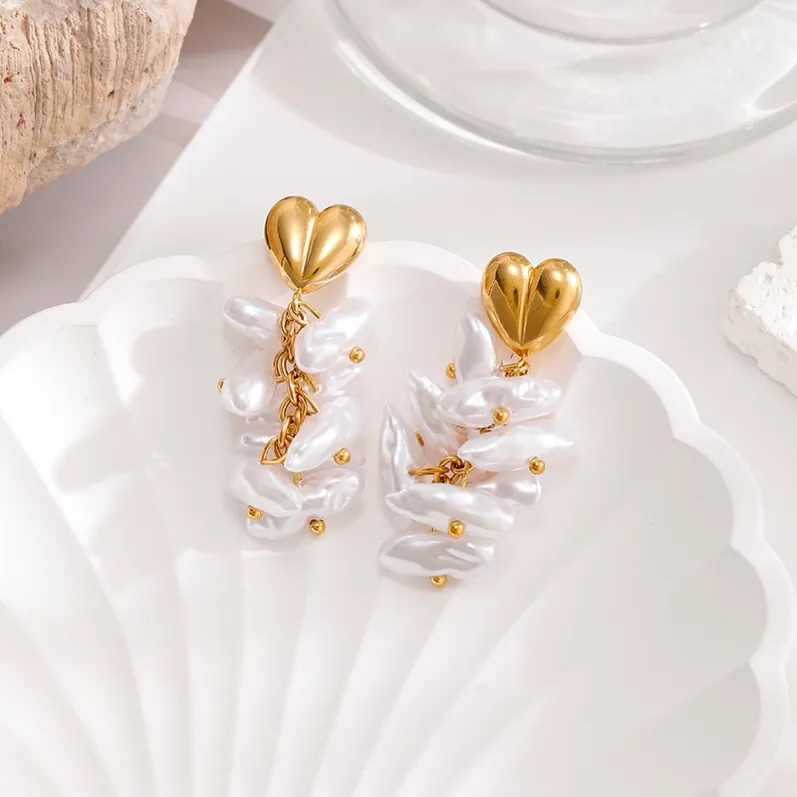
Jewelry is the quietest form of self-expression — before you speak, your rings, chains and charms have already told people whether you are a minimalist, a classic, a romantic, a maximalist or a storyteller.
Most people wear jewelry by instinct and never decode the message. Yet the choices are remarkably consistent: the same person who wears one thin band every day will keep choosing restraint in watches, bags and even handwriting. Reading your own pattern is genuinely useful — it explains why certain pieces never leave the box, why some gifts land and others do not, and what to buy next so it actually gets worn. Here are the five personalities, how to recognize yourself, and a short quiz to confirm it.
Five Jewelry Style Personalities at a Glance
Personality | Typical picks | What it signals | One upgrade |
|---|---|---|---|
The Minimalist | One thin band, a fine chain, small studs | Intention, precision, quiet confidence | A single textured piece that catches light |
The Classic | Pearl or stone studs, a tennis-style line, a signet ring | Polish, reliability, timeless taste | A heavier chain that anchors the classics |
The Romantic | Layered pendants, heart and floral motifs, lockets | Warmth, sentiment, softness | A structured piece to balance the softness |
The Maximalist | Stacked rings, chunky chains, mixed textures | Energy, creativity, love of contrast | One minimalist piece to give the eye a rest |
The Storyteller | Charms, travel pieces, engraved tokens | Curiosity, memory, connection | A dedicated chain or bracelet to organize the stories |
Most people are a primary personality with a secondary accent — the goal is not purity, it is knowing which one is doing the talking.
The Minimalist: Few Pieces, All Deliberate
The minimalist wears the same pieces most days, and each one earns its place. A thin steel band, a fine chain, small studs — nothing jingles, nothing shouts, and everything matches a wardrobe that already runs on clean lines. The message others read: precision and self-assurance. The minimalist's signature is usually one piece so constant that friends could pick it out of a lineup.
If your jewelry drawer is three pieces deep and none of them are duplicates, you are a minimalist — and your upgrade is texture, not quantity.
The Classic: Quiet Polish That Never Dates
The classic chooses pieces that would have looked right thirty years ago and will look right in thirty more. Studs, a neat chain, a signet or a slim line of stones — the palette is restrained, the finishes are polished, and the metal is always the same tone. The signal is reliability and polish, the kind of person whose handshake matches their cuff.
Classics build the best long-term collections because nothing needs retiring — the smart move is one heavier, more modern piece to keep the look from standing still.
The Storyteller: Every Charm Has a Plot
The storyteller wears a biography. Charms collected on trips, an engraved token from a friend, a pendant from a first job — each piece exists because something happened. The wrist or neckline becomes a conversation starter, and adding a new charm is how milestones get recorded. Storytellers are the natural audience for charm jewelry, and the beginner's guide to starting a charm bracelet shows how to build that timeline piece by piece.
If you can tell a story about every piece you own, you are a storyteller — your collection grows better with a plan than with impulse.
A Mini Quiz: What Is Your Jewelry Personality?
Answer with the first honest instinct, then check the scoring table.
- You have twenty minutes before leaving the house. Your jewelry routine is: A. The same three pieces, already by the door. B. Studs, neat chain, done — maybe a watch. C. Layering two necklaces and picking a meaningful pendant. D. Stacking rings while looking for a third one. E. Choosing which charm fits today's mood.
- A piece you wear constantly breaks. You: A. Replace it with the identical thing. B. Repair it — quality deserves it. C. Keep it anyway; it means too much. D. Take it as a reason to buy two new ones. E. Move its charms onto another chain.
- The piece you would never part with is: A. Your everyday band. B. A first good-quality investment piece. C. A gift with a story. D. Whatever you bought most recently. E. A charm from a trip you still talk about.
- Your ideal gift is: A. Something you would actually wear daily. B. A timeless piece you would never buy yourself. C. Anything engraved. D. A surprise — the bolder the better. E. A new charm for the collection.
- Your feelings about mixed metal tones: A. One tone, always. B. One tone in public, open mind in theory. C. Whatever matches the sentimental piece. D. The more contrast the better. E. All tones welcome if the stories are good.
Mostly | Your personality | Your next best buy |
|---|---|---|
Mostly A | Minimalist | One textured steel piece that moves light |
Mostly B | Classic | A heavier anchor chain in your existing tone |
Mostly C | Romantic | One structured piece to balance the layers |
Mostly D | Maximalist | A single quiet piece to rest the eye |
Mostly E | Storyteller | A strong base chain to organize the charms |
A quiz this short cannot box anyone in, but the pattern behind your answers rarely lies — the same choice keeps winning.
Blending Personalities Without the Clash
Real wardrobes mix personalities, and the mix works under two rules. First, one focal point per look: a statement necklace with bare wrists, or a stacked wrist with a bare neckline — never both shouting. Second, repeat one element to tie the pieces together, usually metal tone or finish, so the look reads as chosen rather than collected at random.
The practical playbook — which lengths sit with which necklines and how to balance a busy top half — is in the guide to matching jewelry with your outfit.
Two rules carry almost every mix: one focal point per look, and one repeated element to make it feel like a decision.
Making Your Signature Style Last
Whatever the personality, the pieces that carry it should survive the life you give them. 316L stainless steel suits every style on this list: it holds a mirror polish for the classic, a brushed matte for the minimalist, and it takes engraving cleanly for the storyteller. For warm gold tones, PVD 18K gold plated steel delivers the look with a durable surface — with the honest note that, like any plating, it softens gradually at high-friction points over years of wear, so it suits daily-wear pieces best when the base steel is doing the structural work.
If the quiz or the five personalities left you curious rather than certain, the guide to finding your personal jewelry style turns the instinct into a defined signature you can shop for on purpose.
Style personalities are not cages — they are a starting map, and the best collections drift between them on purpose.
Frequently Asked Questions
Can your jewelry style change over time?
Absolutely, and it usually does. Style follows life stages: the minimalist of the college years often becomes the classic of the working years or the storyteller after a decade of travel. The pieces themselves tend to outlast the phases, which is one reason versatile base materials matter. Treat your personality as a snapshot, not a contract, and let the collection evolve with you.
What does wearing very little or no jewelry say?
It reads as its own kind of statement: practicality, minimalism or a preference for letting other details do the talking. Often it simply reflects lifestyle — people who work with their hands, play sports or type all day may skip anything that catches. If you wear almost nothing but want to start, one well-made everyday piece in a durable metal is the least disruptive entry point.
How many pieces are too many in one look?
The eye gives up before a number does. As a working rule, one focal zone — wrists, neck or ears — should carry the statement while the other two stay quiet. If you have to explain an individual piece for it to be noticed, or the stack rattles when you type, the look has crossed from maximalist into clutter. Contrast and rhythm matter more than the count.
What counts as a signature jewelry piece?
A signature piece is the one people would use to describe you: worn most days, recognizable from a distance, and comfortable enough that removing it feels wrong. It does not need to be expensive or bold — a plain steel band worn daily outperforms an elaborate piece worn twice a year. The test is simple: if you packed in a hurry, would it be in the bag?
Do I have to commit to one jewelry personality?
No — most people are a blend, and blending is where personal style gets interesting. The value of the five personalities is diagnostic, not restrictive: they tell you why your impulse buys feel right or wrong and what a look is missing. Keep a primary personality as your base, borrow accents from one other, and skip the rest unless a piece genuinely moves you.
Wholesale Stainless Steel Jewelry from IVANDA
Looking for a reliable stainless steel jewelry supplier? IVANDA supplies 316L pieces with PVD 18K gold plating - waterproof, skin-friendly and made for everyday wear. MOQ 60 pcs per style, in stock and ready to ship, with OEM/ODM services for custom designs. Message us on WhatsApp or email sales01@ivanda-fa.com for the latest catalog and wholesale prices.