Oct 30, 2026
5 Necklace Layering Styles That Always Work
Five necklace layering styles that always work, with chain length combos, pendant rules and no-tangle tips for stainless steel necklaces.
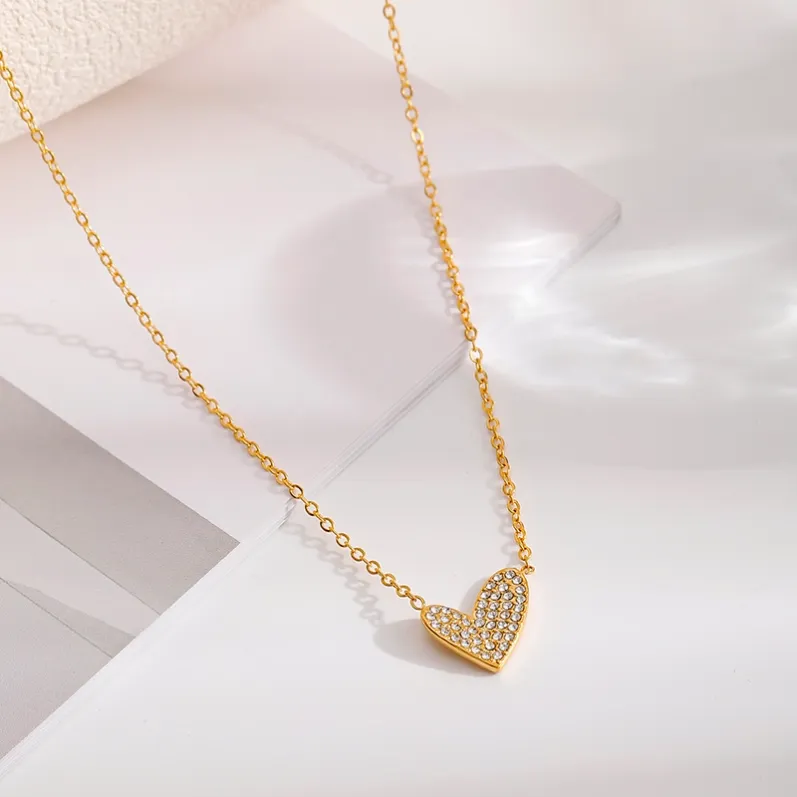
Necklace layering looks effortless on other people and impossible in your own jewelry box — until you realize every good stack is one spacing rule plus five repeatable recipes. This guide breaks down the rule, five necklace layering styles that work on any neckline, and the anti-tangle habits that keep a stack wearable from morning to midnight.
The One Rule Behind Every Layered Look
Keep visible spacing between chains — roughly two finger-widths — and even a mismatched stack reads intentional.
Layering fails for one reason: chains that sit too close knot together and collapse into a single clump. Spacing solves it. Choose lengths a clear step apart — a short chain at the collarbone, a mid-length pendant just below it, a long line at the sternum — and the eye reads three deliberate layers instead of one tangle. Our necklace chain length guide maps every standard length to where it actually falls on the body, which is the fastest way to plan a stack on paper before wearing it.
The rule matters more than the recipes: you can break a style guideline and still look styled, but broken spacing always looks like an accident. If you remember nothing else from this guide, remember the two finger-widths.
Style 1: The Everyday Pair
Two chains, one clear length gap, nothing competing — the entry point of layering.
Start with a short chain at collar length and one mid-length chain slightly below it. Keep both delicate so they read as a single soft cluster rather than two separate necklaces. This is the stack that survives office dress codes, t-shirts and knitwear, and it is the one you will rebuild most often — which is why it is worth owning in both a steel tone and a PVD 18K gold plated finish.
Style 2: The Pendant Stack
Multiple pendants only work when each sits at its own level — same-length pendants will knot into one clump.
Choose two or three pendants of different scale — a small coin, a medium medallion, a longer bar — and put each on a chain of a different length so the charms never fight for the same spot. The trick that makes this look expensive: let one pendant be clearly the largest, and keep the chains thinner than the charms. If your pendants are all the same size, this style will never sit right.
Style 3: Mixed Finishes
A PVD 18K gold plated chain and a steel-tone chain stack beautifully when one shared element — a stone or a charm shape — ties them together.
The old rule said never mix metals; modern layering ignores it constantly. The trick is intention: pair warm and cool finishes in the same visual weight, and repeat each finish at least once so the mix reads styled rather than accidental. One honest note — plated and bare steel age differently, and a PVD 18K gold plated chain will soften first at the clasp and other high-friction points after years of wear. Rotating your stacks, rather than wearing one combination every single day, keeps every piece looking fresh for longer.
Style 4: Choker Plus Long Line
The largest vertical gap in your stack creates the boldest silhouette — a close choker with one long line beneath it.
This two-chain look is the fastest way to add drama: a snug choker or collar chain, then a single long chain falling well below the collarbone. The empty space between them is the design. It flatters V-necks and open collars, layers cleanly over knitwear, and takes ten seconds to put on — which is why it is the default running-late stack.
Style 5: The Statement Centerpiece
Let one chunky chain own the middle of the stack and keep every other layer whisper-thin.
Take one substantial chain — a bold curb or a rope — and position it as the middle layer between two delicate chains above and below. The contrast does all the styling work: the thin chains frame the statement piece instead of competing with it. This is the stack to build when you are wearing a plain outfit and want the neckline to carry the entire look.
The Five Stacks at a Glance
Save this table: every good stack you have ever seen is one of these five recipes in a different metal.
Style | Layers | Length logic | Best neckline |
|---|---|---|---|
Everyday pair | 2 | Short + mid, close gap | Any |
Pendant stack | 2–3 | Each charm on its own level | Crew neck |
Mixed finishes | 2–3 | Repeat both tones, equal weight | Any, tonal outfits |
Choker + long line | 2 | Maximum vertical gap | V-neck, open collar |
Statement centerpiece | 3 | Thin + chunky + thin | Plain tops |
How Many Chains Do You Actually Need?
Three well-chosen chains can build all five styles — you are buying lengths, not necklaces.
Strip a wardrobe down to the essentials and you need exactly three: one short chain that sits at or just above the collarbone, one mid-length chain — ideally with a detachable pendant — and one long line. With those three, the everyday pair is layers one and two, the choker-plus-long-line is layers one and three, and the full three-chain stack is simply all of them together.
Quality matters more here than quantity. Thin chains are the workhorses of every stack, and thin links are where cheap construction fails first — clasps that loosen, links that kink. Solid 316L stainless steel holds up to daily clasping and unclasping, and a PVD 18K gold plated version keeps its tone through years of that routine, with the usual honest caveat that the clasp area is where wear shows first.
No-Tangle Basics
Thin chains tangle when they share a hook — separation overnight is the entire secret.
Three habits prevent most tangles: close every clasp before storing, give each necklace its own hook or pouch, and put the stack on in order — longest first — so shorter chains sit outside the longer ones. For the full method, including how to travel with a pre-made stack intact, see our no-tangle guide to layering necklaces.
Frequently Asked Questions
Short answers to the questions people ask before building their first stack.
How many necklaces should you layer?
Two is the safest starting point, three is the classic full look, and four or more works best when the chains vary clearly in thickness as well as length. Beyond that, tangling risk grows faster than the visual reward. Most people settle on a permanent two-chain everyday stack and save three-plus layers for styled outfits.
What lengths work best for layering?
Choose chains that fall at distinct points: the collarbone, just below it, and the sternum. The exact centimeters depend on your neck and frame, which is why measuring a necklace you already love is more reliable than any chart. The goal is spacing rather than specific numbers — if two chains touch, add distance between them.
Can you mix a PVD 18K gold plated chain with steel-tone necklaces?
Yes — treat the mixed stack as deliberate. Pair the PVD 18K gold plated chain with a steel-tone chain of similar weight, and repeat each finish at least once so the combination reads styled. Adding one piece that carries both tones, or a shared stone color, ties the whole look together instantly.
How do I stop layered necklaces from tangling?
Space the lengths apart, choose chains with some substance rather than hair-thin links, and fasten every clasp fully. Overnight, store each necklace separately; in transit, keep them in individual pouches. Putting the stack on longest-first also keeps shorter chains sitting outside the longer ones instead of slipping underneath them all day.
Does layering work with pendants?
It does, with one rule: every pendant needs its own level. Put each charm on a different chain length and vary the charm sizes so the eye reads a cascade instead of a knot. One large statement pendant with one or two smaller companions above it is the most reliable pendant stack to build.
Wholesale Stainless Steel Jewelry from IVANDA
Looking for a reliable stainless steel jewelry supplier? IVANDA supplies 316L pieces with PVD 18K gold plating - waterproof, skin-friendly and made for everyday wear. MOQ 60 pcs per style, in stock and ready to ship, with OEM/ODM services for custom designs. Message us on WhatsApp or email sales01@ivanda-fa.com for the latest catalog and wholesale prices.