Oct 31, 2026
How to Build a Curated Ear: Multiple Piercing Guide
How to build a curated ear with multiple piercings: placement ideas for lobes, helix, tragus and conch, plus styling, healing and phased-budget advice.
A curated ear is not about stacking the most piercings — it is a planned combination of placements, sizes and textures that grows over one or two years and still looks deliberate at every stage.
Scroll through any style feed and you will see them: ears carrying five or six pieces at different heights, mixing smooth studs, snug hoops and the occasional cuff. That is the curated ear — an approach that treats the whole ear as one canvas instead of a row of unrelated holes. The good news: you do not get there in one appointment, and you should not try. Piercing in phases is safer, heals better, and lets the layout evolve with your taste.
What a Curated Ear Actually Is
The look works because it is asymmetric and personal — varied scale and spacing do the styling work, not matched sets.
A curated ear usually combines one statement piece, several quiet supporting studs and a hoop or two, placed so the eye travels around the ear rather than along a straight line. Two ideas hold it together. First, the layout is designed as a whole before any needle shows up — professionals sketch placements on the ear before piercing anything. Second, it is built gradually: lobes first because they heal fastest, cartilage later once you know how your ears handle healing.
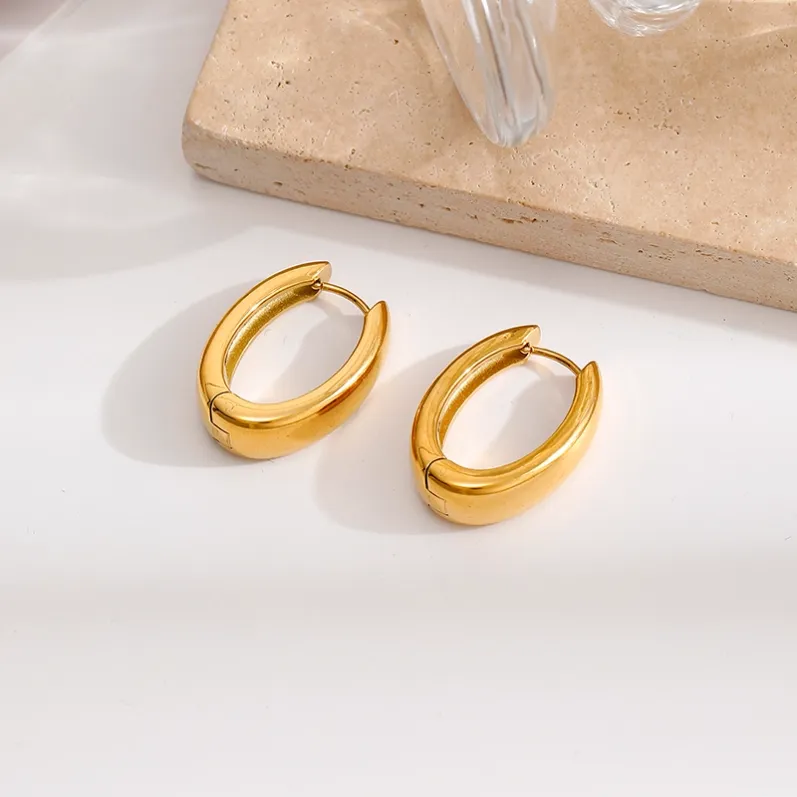
Stainless steel suits this project: pieces for around-the-clock wear need to shrug off water, sweat and sleep, and steel does that while keeping each phase affordable.
Mapping the Ear: Placement Options
Start where healing is easiest — the lobes — and add cartilage placements once you know how your ears handle healing.
Position | Where it sits | Typical healing time | Styles that work best |
|---|---|---|---|
First, second, third lobe | Soft earlobe, spaced up the edge | About 6–10 weeks | Studs, hoops, stacked huggies |
Helix | Upper outer rim | 6–12 months | Small hoops, flat studs |
Forward helix | Rim above the ear canal | 6–12 months | Tiny studs |
Tragus | Small flap in front of the ear canal | 6–12 months | Flat studs, small labrets |
Conch | Inner shell of the ear | 6–12 months | Studs, snug hoops |
Daith | Innermost cartilage fold | 6–12 months | Small seamless hoops |
These healing ranges are typical published figures, not promises — anatomy, aftercare and sleep habits all move the timeline, and your piercer's guidance overrides any chart. Anatomy decides placement too: some ears simply do not have the space for a conch hoop, and a good piercer will say so before you commit. A practical rule while building: one or two healing piercings per ear at a time, so you can sleep, clean and style without juggling four sore spots.
Styling with Steel: Studs, Hoops and Cuffs
One anchor piece, a few quiet supporters and one texture accent — three roles, not one matched set.
- The anchor. A standout stud in the first lobe — for example a PVD 18K gold plated piece with a stone — sets the tone for the whole ear.
- The supporters. Smaller plain studs in the second and third lobes, stepping down in size, keep the stack clean without competing with the anchor.
- The hoops. Huggies and small seamless hoops in the helix or conch add movement and contrast once those placements are healed.
- The cuffs. Ear cuffs need no piercing at all, which makes them the perfect way to test a placement idea before committing to a needle.
Metal tone works best when it is grouped, not scattered. An all-steel ear reads sharp and modern; mixing steel with PVD 18K gold plated pieces reads intentional when each tone occupies its own zone — say, plated anchors down the lobe and steel hoops up the rim. Comfort matters as much as looks for something worn around the clock: flat back studs sit flush against the ear and survive sleep far better than butterfly backs, and our earring back types guide explains which backs suit which placements. For style ideas across hoops, huggies, studs and drops, browse the stainless steel earring styles guide; and if your ears are particular about what touches them, the earrings for sensitive ears guide covers how to choose and test new pieces.
The Healing Phase: Rules That Protect Your Layout
A healing piercing is a moving part — nothing on it changes until it is healed, and the whole ear gets gentle treatment meanwhile.
- Clean with sterile saline as your piercer directs, and keep your hands off otherwise — no twisting, no fiddling.
- Do not sleep on a healing piercing. A travel pillow with a center hole solves most of this.
- Keep hair spray, conditioner film and headphone pressure away from fresh placements, and rinse the ear after product-heavy days.
- Never swap jewelry early. Changing a stud on an unhealed piercing is the fastest way to stall healing and lose months of progress — early downsizing is a piercer's job, not a home project.
- If a placement stays irritated for more than a few days, go back to your piercer rather than self-diagnosing with new cleaning products.
Healing timelines also shape your phasing: lobes are ready for style changes in a couple of months, while a helix may need the better part of a year before its first hoop goes in. Plan around the slowest piece in each phase.
Building in Phases: The Budget-Friendly Timeline
Design the full layout on day one, then execute it in phases — this spreads cost naturally and keeps every addition intentional.
Phase | Timing | What to add | Goal |
|---|---|---|---|
Phase 1 | Day 1 | First lobe studs | Anchor the layout |
Phase 2 | After lobes heal (~2–3 months) | Second and third lobes | Build the stack |
Phase 3 | 6–12 months in | One cartilage piercing (helix or conch) | Add height and contrast |
Phase 4 | Year 1 and beyond | Cuffs, tiny studs, the missing hoop | Fine-tune balance |
Because steel jewelry keeps the price of every phase low, you can wait between phases without pressure and let the layout grow with your taste. Many people find their Phase 3 plan changes once they live with the first two phases — that is the point of phasing rather than piercing everything at once.
Frequently Asked Questions
The questions people ask most when planning a curated ear.
How many piercings does a curated ear need?
There is no magic number. Most curated ears land somewhere between three and six piercings per ear, but a two-lobe stack with one helix hoop can look just as finished as a six-piece layout. It depends on your ear anatomy, your style and how much jewelry you actually enjoy wearing. Aim for balance, not a count.
Can I get multiple piercings done at once?
Usually yes, within reason. Many piercers will do two or three placements in one session — lobes together, or a lobe plus one cartilage spot. Healing several cartilage piercings at the same time is harder to manage, since sleeping and cleaning get complicated. Your piercer will cap the number based on your anatomy and lifestyle.
When can I change my jewelry after getting pierced?
Only once the piercing is fully healed: lobes typically take about 6–10 weeks, while cartilage placements often need 6–12 months. Changing jewelry earlier is the most common cause of irritation and stalled healing. If a fresh piece needs shortening, have your piercer downsize it professionally instead of swapping it yourself at home.
Do hoops or studs heal better?
Studs — especially flat back styles — are the safer healing choice for most fresh piercings because they barely move and stay put during sleep. Hoops rotate and can drag crust off healing tissue, which is why many piercers start cartilage with a stud and fit the hoop as a reward once healing is complete.
What metal should healing piercings wear?
Your piercer places the initial jewelry, and quality steel such as 316L is a common choice because it is stable and easy to clean around. Follow your piercer's aftercare instructions exactly, and once healed, stick with solid, well-finished pieces from the same material family. If irritation appears, return to your piercer rather than experimenting.
Wholesale Stainless Steel Jewelry from IVANDA
Looking for a reliable stainless steel jewelry supplier? IVANDA supplies 316L pieces with PVD 18K gold plating - waterproof, skin-friendly and made for everyday wear. MOQ 60 pcs per style, in stock and ready to ship, with OEM/ODM services for custom designs. Message us on WhatsApp or email sales01@ivanda-fa.com for the latest catalog and wholesale prices.