Oct 31, 2026
Stainless Steel vs Brass: Tarnish, Color and Care Compared
Stainless steel vs brass jewelry compared: tarnish, color, cleaning, skin reaction and long-term value, so you know which metal fits your collection.
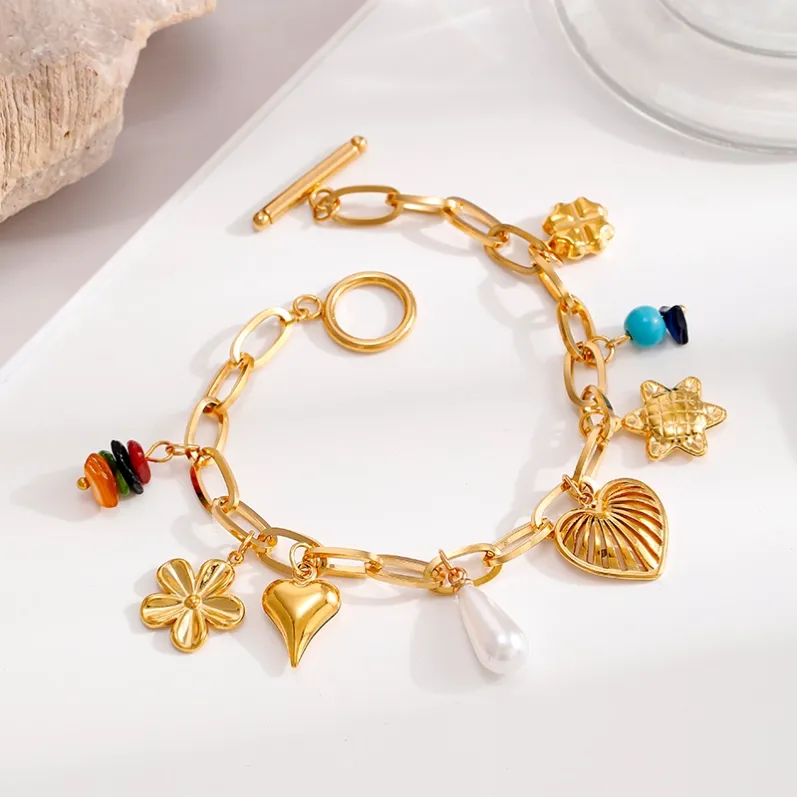
Brass and stainless steel can look almost identical in product photos, but they age in completely different ways — brass oxidizes and darkens by design, while stainless steel is built to stay bright with almost no maintenance at all.
This comparison walks through tarnish, color, cleaning and daily wear side by side, so you can decide which metal belongs in your collection — and where each one genuinely shines.
Stainless Steel vs Brass at a Glance
The core difference is chemistry: stainless steel contains chromium, which forms an invisible protective layer that keeps the surface stable, while brass is mostly copper and zinc — and copper reacts with air, sweat and moisture.
Aspect | Stainless steel (316L) | Brass |
|---|---|---|
Tarnish | Resists it; stays bright with basic care | Oxidizes over time; develops a darker patina |
Color | Cool silver tone; PVD 18K gold plated versions offer warm gold | Naturally warm, yellow-gold character |
Skin marks | Does not leave green marks | Can leave greenish marks as it oxidizes |
Water and sweat | Handles showers and swims; rinse after pools or ocean | Water and sweat speed up darkening |
Routine care | Soap, water, soft cloth | Regular polishing and dry storage |
Best for | Low-maintenance daily wear | A lived-in, vintage character |
Tarnish: How Each Metal Ages
Stainless steel's chromium oxide layer re-forms on its own even when scratched, which is why it does not meaningfully tarnish; brass has no such layer, so it darkens and evolves from the day it leaves the box.
When a stainless steel piece looks dull, the cause is usually a film of soap, sunscreen or hard-water minerals sitting on the surface — not the metal itself changing. A wash with mild soap and a soft cloth restores the original brightness in minutes.
Brass tells a different story. Oxygen and moisture slowly react with the copper in the alloy, turning the surface from bright yellow-gold to deep amber and eventually to a brownish patina. Some wearers love that aged character and consider it part of brass's charm; others find it looks tired rather than antique. Neither reaction is wrong — it is a question of taste and how much upkeep you enjoy.
Color and Finish
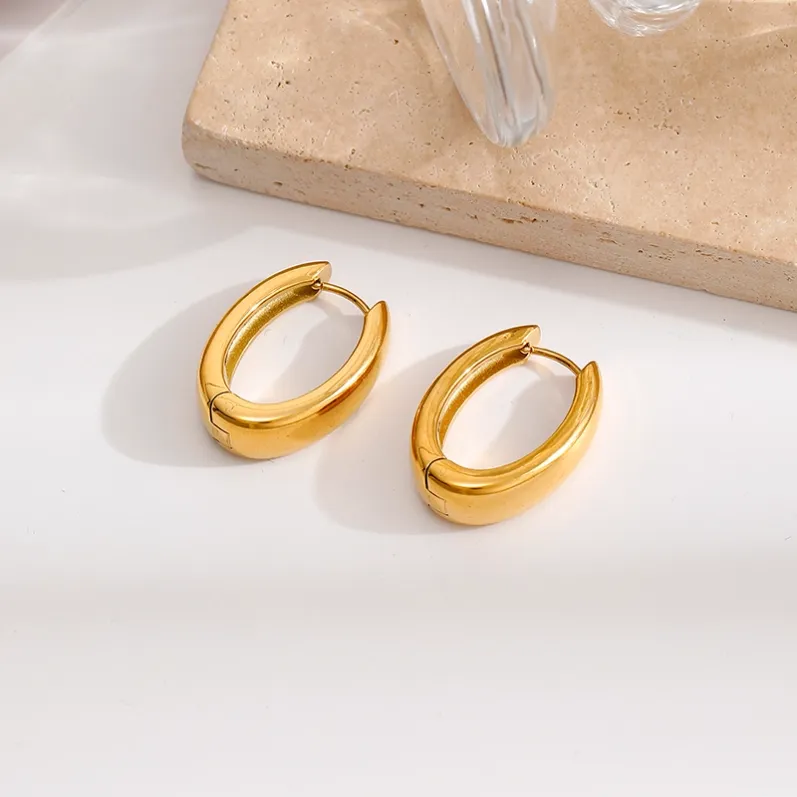
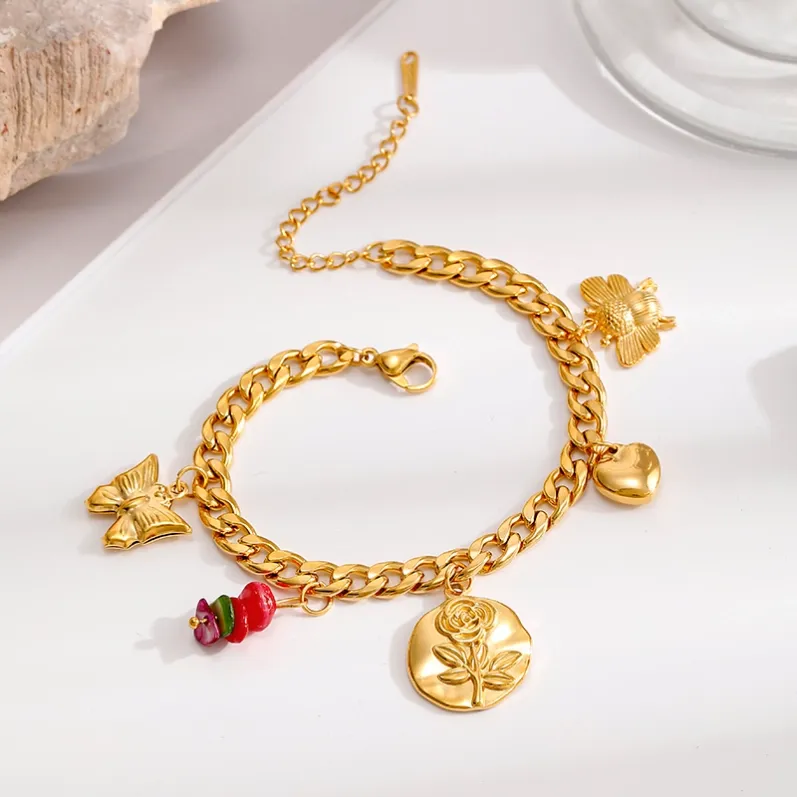
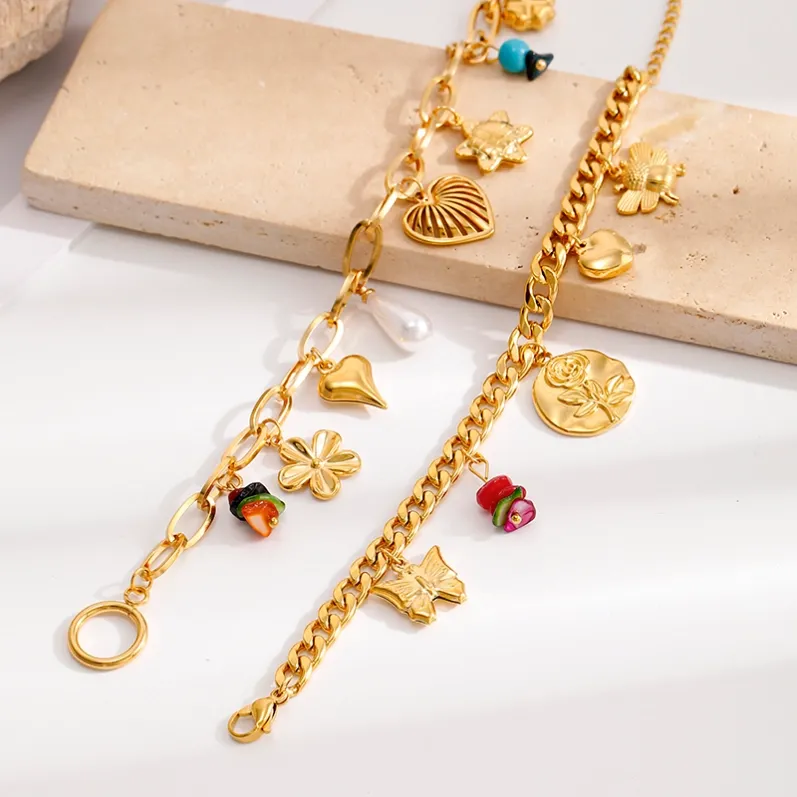
Brass owns the warm gold color naturally, but if you want a gold look without weekly polishing sessions, PVD 18K gold plated stainless steel delivers warm color over a base metal that never needs buffing.
Stainless steel wears a cool, modern silver tone that suits polished, minimalist designs. Brass reads warmer and slightly vintage from day one, which is why it has always been loved in bohemian and artisan-style jewelry.
For a gold color on steel, look specifically for PVD 18K gold plated pieces. Honest expectations still apply, though: after years of regular wear, the finish on high-contact spots — chain edges, clasp faces — gradually lightens. It is a slow, cosmetic change rather than sudden peeling, but it is worth knowing before you buy. Brass, by contrast, will never "lose" its color because the color is the metal itself.
Care and Cleaning
Caring for brass means polishing on a schedule; caring for stainless steel means washing it occasionally — that difference is the entire maintenance story.
Brass care is a routine: wipe pieces dry after wearing, store them away from humidity, and polish with a dedicated brass cloth whenever the color deepens. Keep brass away from perfume and household chemicals, which accelerate oxidation.
Steel care is lighter by far: mild soap, lukewarm water, a soft cloth, done. Our guide to what jewelry doesn't tarnish compares how the main base metals behave over years of wear, and if a steel piece ever looks dull, the method in how to clean tarnished stainless steel jewelry will usually fix it in minutes.
Water, Sweat and Daily Life
Stainless steel tolerates showers, pools and ocean swims far better than brass, which would rather stay dry.
Water is the main trigger for brass oxidation, so swimming, summer sweat or even humid storage will deepen the patina faster. If you wear brass daily, expect to polish more often and to take it off before workouts and beach days.
Stainless steel, by contrast, is a wear-it-and-forget-it metal for most routines. Rinsing after chlorinated pools or salt water is still a good habit — not because the metal suffers, but because residue dries on the surface and dulls the finish. Our guide to showering with stainless steel jewelry covers what daily water exposure really does.
Which One Should You Choose?
Choose stainless steel for pieces you want to wear hard and clean rarely; choose brass for pieces whose aging character you actively enjoy maintaining.
If you want... | Choose |
|---|---|
Everyday pieces that never need polishing | Stainless steel |
A warm, natural gold tone straight from the metal | Brass |
Gold color with steel's easy care | PVD 18K gold plated stainless steel |
An evolving, antique-style patina | Brass |
Jewelry that survives gym, beach and shower | Stainless steel |
Many collections end up with both: steel for the daily rotation, brass for occasional styling. The real mistake is buying brass while expecting steel behavior — or the reverse.
A Quick Buying Framework
When choosing between the two, run through three questions in order. First: does the design require precise, permanent gold coloring? Steel with PVD 18K gold plated coating wins. Second: does the budget allow a soft metal that needs regular polishing? Brass wins on raw material cost. Third: will the piece get wet daily? Steel's water tolerance makes it the obvious pick for anyone who does not want to think about taking jewelry off. Running every purchase through this filter eliminates most post-purchase disappointment.
Frequently Asked Questions
Short answers to the questions buyers ask most about stainless steel vs brass jewelry.
Does brass jewelry tarnish faster than stainless steel?
Yes, and the difference is dramatic. Brass begins oxidizing within days of contact with air and moisture and keeps darkening without regular polishing. Stainless steel's protective chromium layer keeps the surface stable for years, so apparent tarnish on a steel piece usually turns out to be surface residue rather than the metal itself changing.
Will brass jewelry turn my skin green?
It can. As brass oxidizes, copper compounds can transfer to the skin and leave a greenish tint where the metal rests. The mark is harmless and washes off, but it surprises many wearers. Stainless steel does not produce this reaction, because its protective surface layer keeps the alloy stable against sweat.
Can I shower with stainless steel jewelry?
Yes for most stainless steel jewelry — the metal handles water without rusting or tarnishing. Rinsing off soap, chlorine or salt water afterward keeps the surface bright, and drying with a soft cloth prevents mineral film from building up. A quick rinse after swimming is the single most useful habit for keeping steel bright.
Which metal is better for easily irritated skin?
There is no single answer that fits everyone, since skin sensitivities vary from person to person. Brass oxidizes next to the skin and transfers residue as it ages, while stainless steel keeps a stable, sealed surface. If your skin reacts to certain metals, watch how it responds, remove anything that irritates it, and ask a dermatologist about recurring reactions.
Which metal gives you a gold color?
Brass is gold-colored by nature — no plating required — but it asks for polishing in return. Stainless steel achieves a gold look through a PVD 18K gold plated finish, which pairs the color with a base metal that ignores water and sweat. If your priority is gold color with minimum maintenance, plated steel wins; if you enjoy warm, living metal, brass delivers.
Wholesale Stainless Steel Jewelry from IVANDA
Looking for a reliable stainless steel jewelry supplier? IVANDA supplies 316L pieces with PVD 18K gold plating - waterproof, skin-friendly and made for everyday wear. MOQ 60 pcs per style, in stock and ready to ship, with OEM/ODM services for custom designs. Message us on WhatsApp or email sales01@ivanda-fa.com for the latest catalog and wholesale prices.