Oct 26, 2026
How to Build a Jewelry Collection on a Budget
Build a jewelry collection on a budget with a capsule of versatile pieces, smart material choices and care habits that keep every piece in rotation.
A jewelry collection on a budget is not a smaller version of a big one — it is a deliberate capsule where every piece earns its place by how often you will actually wear it. You need fewer pieces than you think — chosen for versatility, not impulse — in materials that survive daily life.
This guide covers where to start, why material choice matters more than price, and the habits that keep a small collection looking intentional.
Start With a Capsule, Not a Collection
The fastest way to waste a jewelry budget is to buy statement pieces first — start with quiet, versatile basics that go with everything you already own.
A working capsule needs around six to eight pieces. Each one should pair with at least three outfits hanging in your closet right now, not outfits you plan to buy someday.
Core piece | Why it earns its spot | Pairs best with |
|---|---|---|
Stud earrings | Discreet enough for work, subtle enough for weekends | Everything — this is your default |
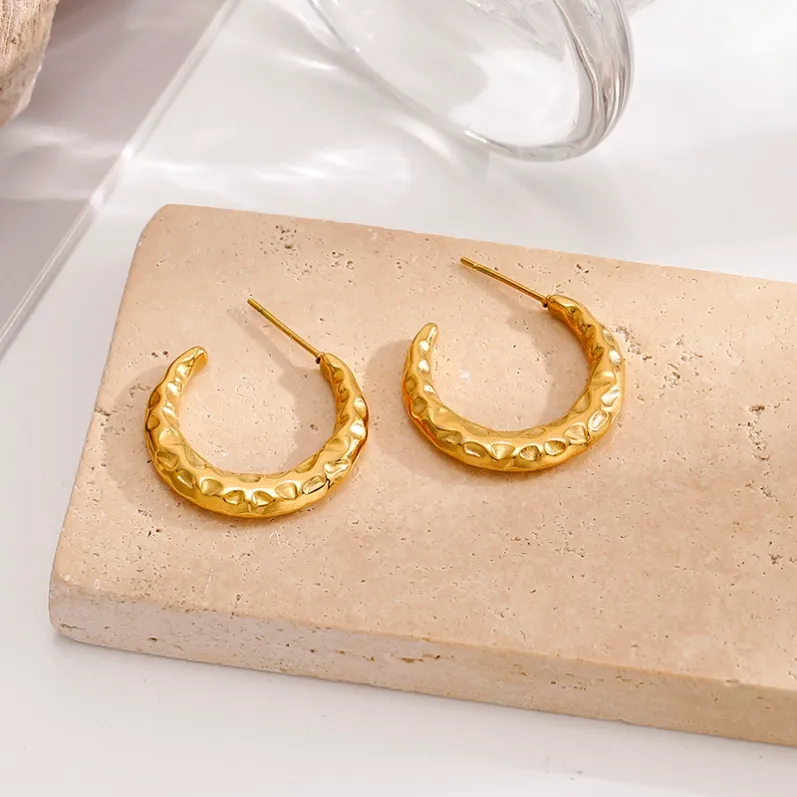
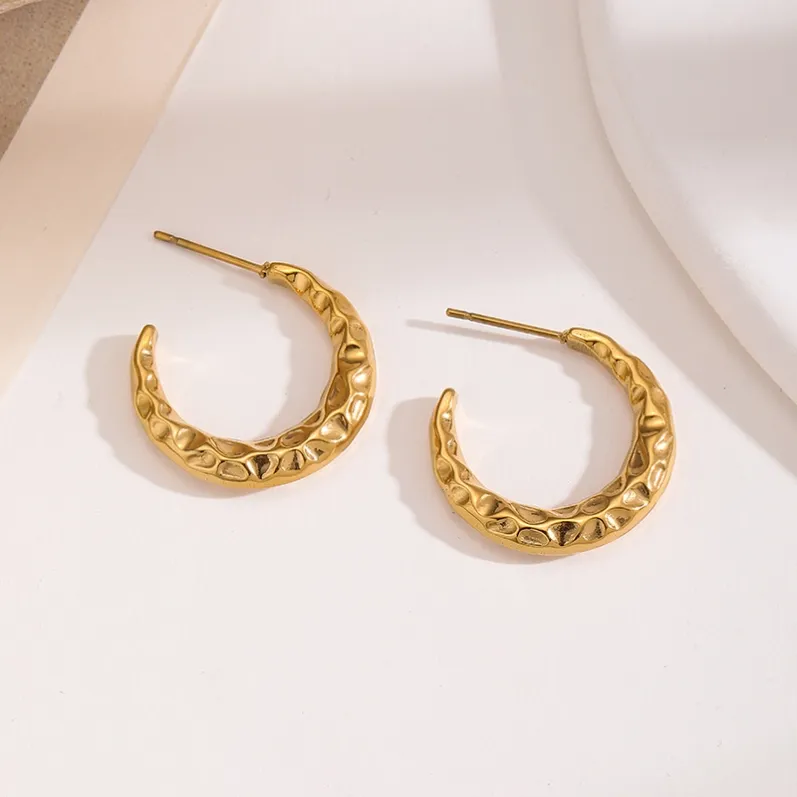
Medium hoops | Lift casual outfits without effort | Knitwear, shirts, dresses |
Chain necklace | The base layer for every future look | Pendant layering, plain tops |
Simple pendant | Adds a focal point without shouting | Crew necks, V-necks, scoops |
Band or stackable rings | Understated alone, stronger stacked | Every outfit, every season |
Chain bracelet | Balances rings and watches without clutter | Daily wear, watches |
For a deeper framework, our guide to building a jewelry capsule wardrobe breaks the same idea down wardrobe-first.
Materials Are the Real Budget Lever
On a budget, the material decides your true cost — a cheap piece you replace three times a year costs more than a durable one you buy once.
Fashion jewelry usually fails at the plating: the base metal shows through or the color turns within months of daily wear. Sterling silver lasts for years but tarnishes without regular polishing. That is why 316L stainless steel with PVD 18K gold plated finishes is the default for budget collections — it shrugs off water, sweat and friction, and keeps its color for years.
Material | How it ages with daily wear | Upkeep |
|---|---|---|
Plated fashion metals | Plating fades or rubs off within months of constant wear | Keep dry; expect a short life |
Sterling silver | Lasts for years but tarnishes in air | Regular polishing, careful storage |
316L stainless steel, PVD 18K gold plated | Waterproof and color-stable for years of daily wear | Rinse, dry, wear |
One honest limitation: PVD plating is tough but not immortal. After several years of constant wear, high-friction points such as clasps and ring edges can show thinning. Rotating pieces and storing them separately slows that — and even with the caveat, cost per wear favors durable steel.
Think in Cost Per Wear, Not Price Tag
A piece worn three times a week is almost always the better budget buy than a cheaper piece worn twice a year — frequency beats price every time.
Cost per wear is the simplest budgeting tool: divide what you paid by how often you wear the piece. The quiet chain you wear daily costs less per wear than almost anything in the box, while the statement ring worn twice a year is the priciest thing you own relative to its use.
Buying habit | What the collection looks like in a year |
|---|---|
Impulse buys on trend pieces | A drawer of barely worn items and two favorites |
Capsule-first buying | Six to ten pieces in constant rotation, all earning their place |
Before buying, ask: can I name three outfits I will wear this with this month? If the answer takes more than a few seconds, leave it.
Where to Save and Where Not To
Spend on the pieces that touch your skin daily; save on the pieces you wear occasionally.
Safe to save on | Worth prioritizing |
|---|---|
Trend-driven colors and shapes for one season | Daily-wear earrings, which live on your ears |
Occasion pieces worn a few times a year | Your signature chain, the one that never comes off |
Duplicate basics while you test a style | Clasps and earring backs — the failure points |
Clasps deserve special mention: a weak clasp loses a necklace, a worn earring back loses an earring. When a budget piece fails, it is almost always the finding, not the design.
A Slow-Build Plan That Works
Spreading purchases across a year keeps spending comfortable and lets you learn what you actually wear before adding more.
When | Add | Why |
|---|---|---|
Month 1 | Studs and a chain | The daily foundation |
Months 2–3 | Hoops and a bracelet | Casual lift and wrist balance |
Months 4–6 | A pendant plus a second chain | Layering becomes possible |
Months 7–12 | One statement piece and stackable rings | Personality, earned by the basics |
The slow build has a second benefit: by month six you know your own habits — many people discover they never wear bracelets and redirect that budget to a second chain they use daily.
Care Habits That Protect a Small Collection
A small collection cannot hide behind volume — every piece has to stay wearable, so care matters more, not less.
Four habits cover most of it. Put jewelry on last and take it off first, so perfume and lotion never sit on the surface overnight. Rinse pieces that meet sweat or pool water and dry them. Store pieces separately so chains do not tangle. And choose materials that do not fight you — our guide to jewelry that does not tarnish shows which materials need almost no attention.
A capsule only works if you actually wear it. If styling feels stale, recombine instead of buying more — our guide on matching jewelry with your outfit style shows how to restyle the same pieces across looks.
Frequently Asked Questions
How many pieces should a starter jewelry collection have?
Six to eight pieces is the sweet spot for most people: studs, hoops, a chain, a pendant, a bracelet and one or two rings. That covers work, weekends and events without decision fatigue. Expand later once you notice which categories you wear most — most people need fewer pieces than they expect.
What should I buy first on a budget?
Start with stud earrings and a simple chain necklace. These two get worn more than everything else combined, which makes them the best cost-per-wear purchases in the box. Choose materials that survive daily wear — 316L stainless steel is the usual recommendation — and add personality pieces only after the foundation feels automatic.
Is stainless steel jewelry a good budget choice?
Yes — it removes the replacement cycle. Stainless steel handles water, sweat and daily friction without tarnishing, and PVD 18K gold plated finishes keep their color for years of wear. The honest caveat: plating can thin at high-friction points after several years — even then, cost per wear stays favorable.
How do I make affordable jewelry look expensive?
Three things: keep pieces clean, keep metals consistent within one look, and limit each outfit to one focal point. Tarnish and grime read as cheap faster than any price tag, while a polished look reads as intentional. Scale matters too — one substantial piece among delicate ones looks curated, not crowded.
How do I avoid impulse buys that wreck the budget?
Use a waiting list. Note the piece, wait two weeks, and buy it only if you still remember it and can name three outfits it works with. Most urges fade within days. Tracking cost per wear on your current pieces for one month also helps — nothing cures impulse buying faster than seeing how rarely last season's splurge got worn.
Wholesale Stainless Steel Jewelry from IVANDA
Looking for a reliable stainless steel jewelry supplier? IVANDA supplies 316L pieces with PVD 18K gold plating - waterproof, skin-friendly and made for everyday wear. MOQ 60 pcs per style, in stock and ready to ship, with OEM/ODM services for custom designs. Message us on WhatsApp or email sales01@ivanda-fa.com for the latest catalog and wholesale prices.