Oct 26, 2026
Stainless Steel vs Porcelain Jewelry: A Comparison
Porcelain vs stainless steel jewelry compared: durability, chipping, weight, water and daily wear — with honest notes on how PVD gold plating ages.
Porcelain jewelry is hard but brittle; stainless steel is far tougher overall — and that single difference decides which material fits your lifestyle. Porcelain delivers an artisan, gallery-like look with glazes and colors metal cannot offer. Stainless steel delivers years of friction-proof daily wear. This comparison walks through both honestly, including where porcelain genuinely wins.
Quick Comparison at a Glance
If you remember one row from this table, make it the difference between hardness and toughness — porcelain has the first, stainless steel has the second.
Feature | Porcelain jewelry | Stainless steel (316L) |
|---|---|---|
Surface hardness | Very hard, resists scratches well | Hard enough for daily wear |
Toughness | Brittle — can chip or crack on hard drops | Dents or bends instead of breaking |
Water and sweat | Fine when glazed; metal settings vary | Handles both without issue |
Tarnish or rust | Neither — but findings can age | Neither, when the alloy is 316L |
Weight | Heavier in solid pieces | Light, comfortable all day |
Color options | Hand-painted glazes, matte or gloss | Steel tone or PVD 18K gold plated |
Failure mode | Chipping and cracking | Clasp wear, plating thinning over years |
Best suited for | Careful wear, statement looks | Everyday chains, rings, earrings |
Porcelain Jewelry Durability: The Honest Picture
Porcelain is fired at high temperatures until it vitrifies, which makes the surface remarkably hard — but hardness and durability are not the same thing.
A hard material resists scratches. A tough material absorbs impact without breaking. Porcelain scores high on the first and low on the second. Drop a porcelain pendant onto bathroom tile and it can chip or crack, especially at thin edges and pointed shapes. That is simply the physics of fired ceramic: rigid, with no ability to flex and absorb a knock the way metal does.
For porcelain jewelry durability in real life, three realities matter. First, thin sections — delicate petals, slim disc edges — are the vulnerable zones. Second, glazes can develop fine wear marks after years of contact with skin and storage surfaces. Third, most porcelain pieces are mounted in metal findings, and setting quality often determines lifespan more than the ceramic itself. Handled with care — stored padded, worn on calm days — porcelain lasts surprisingly well. Treated like steel, it will not forgive you.
Stainless Steel Durability: Built for Daily Friction
316L stainless steel is the material you choose when jewelry has to survive showers, workouts, travel bags and being forgotten on a nightstand.
Where porcelain is rigid, stainless steel is forgiving. It flexes under impact instead of shattering, and 316L — the grade most quality jewelry uses — does not rust or tarnish in water or sweat. A stainless chain can live on your neck for years; a porcelain pendant needs a gentler rhythm.
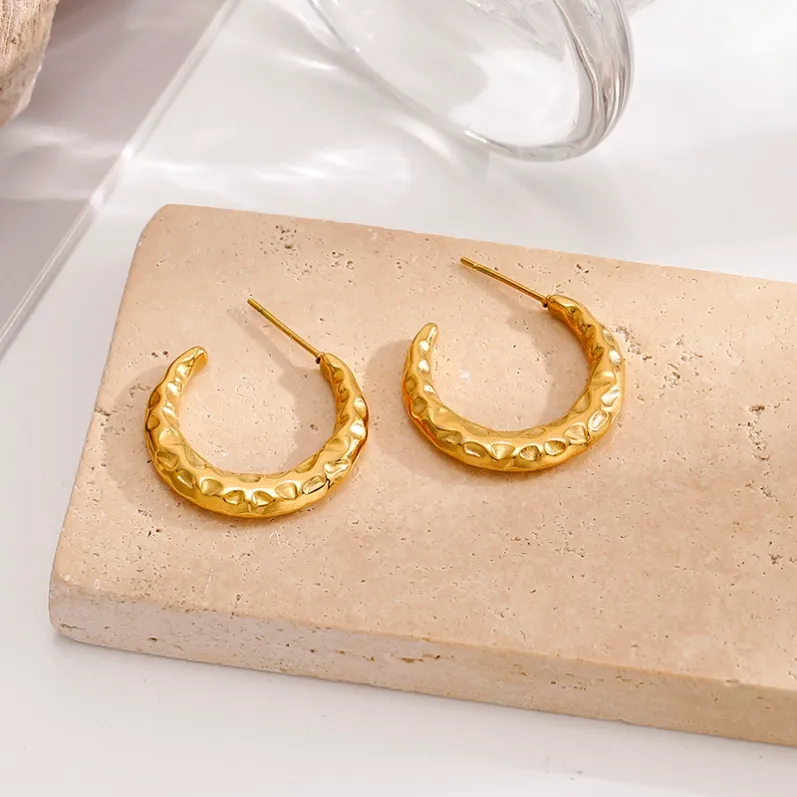
For gold tones, quality steel pieces use PVD 18K gold plated finishes, which bond the color to the surface far more durably than conventional plating does. The honest limitation: after several years of constant wear, high-friction points such as clasps and ring edges can show thinning. Rotating pieces and storing them separately extends the good looks — but no plating lasts forever, and anyone claiming otherwise is overselling.
Weight and Comfort: An Underrated Difference
Solid porcelain pieces weigh noticeably more than the same design in steel — a real factor for earrings and larger pendants.
Comfort factor | Porcelain | Stainless steel |
|---|---|---|
Solid pendant on a chain | Heavier; demands a sturdy chain | Light; fine on delicate chains |
Stud earrings | Chunky designs pull on lobes by evening | Comfortable through the whole day |
Feel on the skin | Cool at first, warms slowly | Cool at first, warms quickly |
For people with sensitive ears, the ceramic itself is rarely the issue — the metal hook, post or setting touching the skin is what matters. That makes the finding material the part to check before buying; our guide to earrings for sensitive ears covers which metals are commonly well tolerated and why.
Style: Where Each Material Shines
Porcelain wins the statement category; stainless steel wins the everyday category — most collections eventually want one of each.
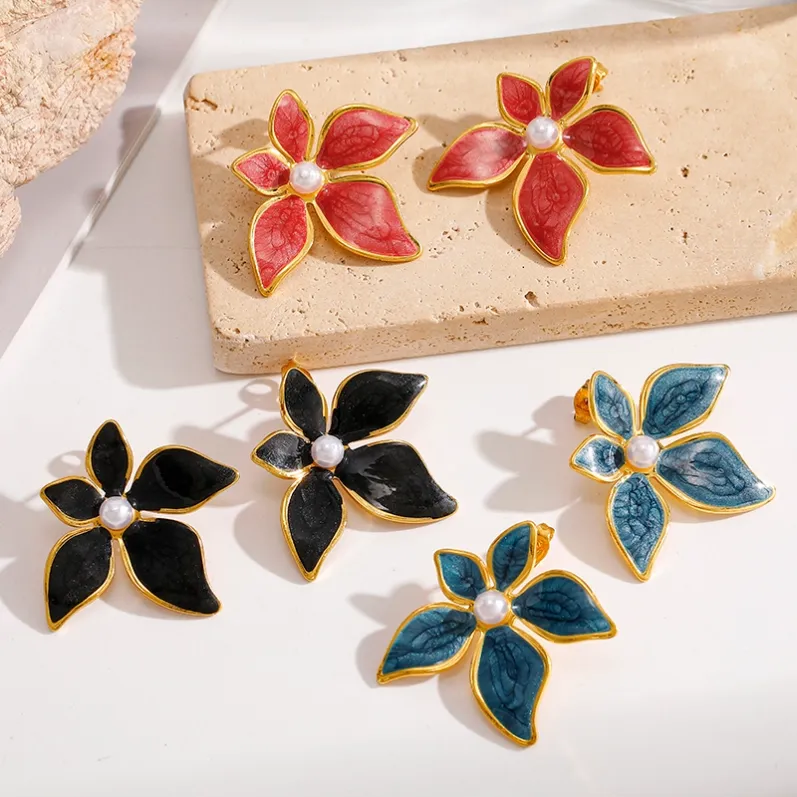
Porcelain's appeal is artistic: hand-painted glazes, matte or high-gloss surfaces, colors and textures steel cannot offer, and a crafted, one-at-a-time feeling. It excels as a pendant or earrings worn deliberately — a focal point that anchors an outfit, then goes away safely.
Stainless steel's appeal is reliability with clean design: minimal chains, stackable rings, everyday hoops, and PVD 18K gold plated tones that sit warmly against most wardrobes. It disappears into your routine — shower, sleep, travel — which is exactly the point.
Which One Should You Buy?
Choose by how you actually live, not how you wish you lived — the honest answer for most daily-wear buyers is steel.
If you... | Choose |
|---|---|
Want jewelry that never leaves your body | Stainless steel |
Love artisan, one-of-a-kind statement pieces | Porcelain |
Travel often or pack jewelry loosely | Stainless steel |
Are gifting someone known to be rough on accessories | Stainless steel |
Dress up occasionally and enjoy careful handling | Porcelain, happily |
Caring for Each Material
Both materials are low-maintenance by jewelry standards — but their weaknesses are opposites, so the care routines differ.
Porcelain: store in a padded compartment away from other pieces, wipe the glaze with a soft damp cloth, skip wearing it during activities with fall or impact risk, and check the metal setting now and then. A chip has no realistic repair — prevention is the whole game.
Stainless steel: rinse with mild soap and water when needed, dry with a soft cloth — that is the entire routine. For a breakdown of what tarnishes and what does not, see our materials guide.
Frequently Asked Questions
Does porcelain jewelry break easily?
Not easily, but it breaks more readily than metal under impact. Porcelain is very hard on the surface yet brittle in structure, so a drop onto a hard floor can chip or crack it, especially at thin edges. With padded storage and mindful wear, porcelain pieces commonly stay intact for many years of careful use.
Is porcelain more durable than stainless steel?
In pure scratch resistance, porcelain often edges ahead. In overall durability — surviving drops, bends, water and years of friction — stainless steel clearly wins. Steel deforms instead of breaking and tolerates constant daily wear that would risk cracking ceramic. For most everyday definitions of durable, 316L stainless steel is the safer choice.
Can I shower with porcelain or stainless steel jewelry?
Stainless steel, yes — water and soap do not harm 316L, though towel-drying keeps it looking its best. Porcelain itself tolerates water, but the metal findings and glued joints are the weak points, and showers raise the drop risk on hard tile. Removing porcelain before showering is the cautious habit worth keeping.
Which material is better for earrings I never take off?
Stainless steel, without question. It tolerates constant skin contact, sleep and showers without degrading, and it stays light through the day. Porcelain studs are lovely but heavier and vulnerable to knocks — a hard bump against a headboard or phone can chip them. For always-on earrings, steel is the practical answer.
Does porcelain jewelry tarnish?
No — the ceramic body does not tarnish, rust or corrode, ever. The caveat is the hardware: most porcelain pieces are set in metal findings, and lower-grade settings can discolor or wear around the ceramic. Choosing pieces with quality findings, such as 316L stainless steel settings, keeps the whole piece aging evenly and looking intentional.
Wholesale Stainless Steel Jewelry from IVANDA
Looking for a reliable stainless steel jewelry supplier? IVANDA supplies 316L pieces with PVD 18K gold plating - waterproof, skin-friendly and made for everyday wear. MOQ 60 pcs per style, in stock and ready to ship, with OEM/ODM services for custom designs. Message us on WhatsApp or email sales01@ivanda-fa.com for the latest catalog and wholesale prices.