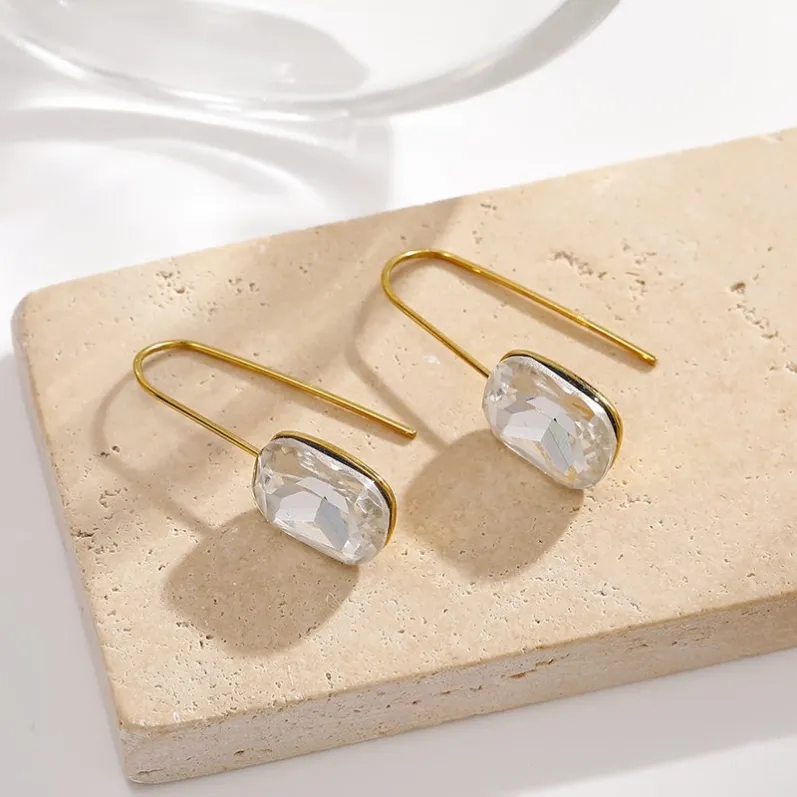
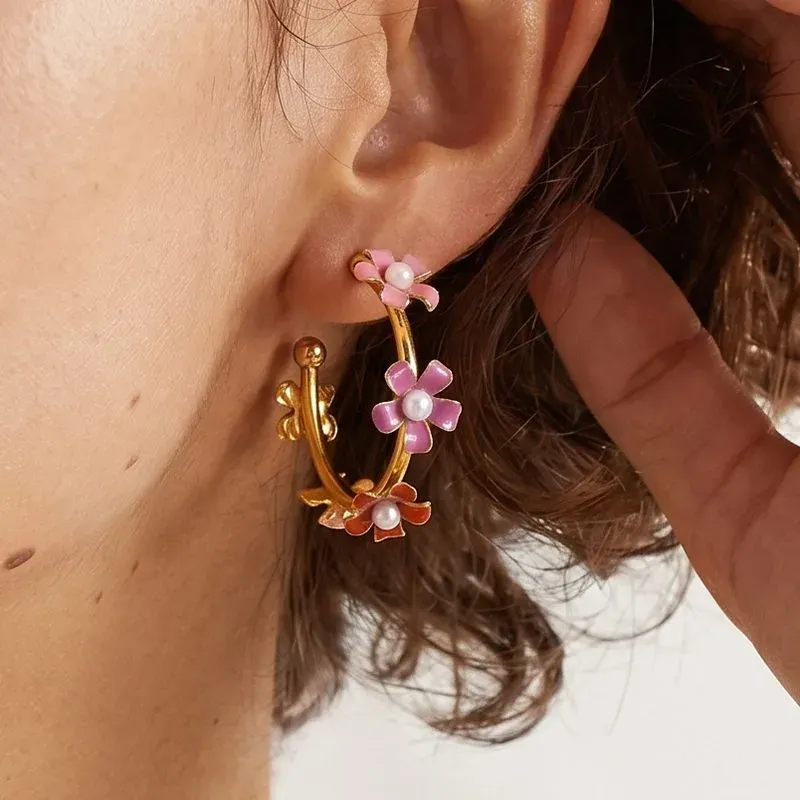
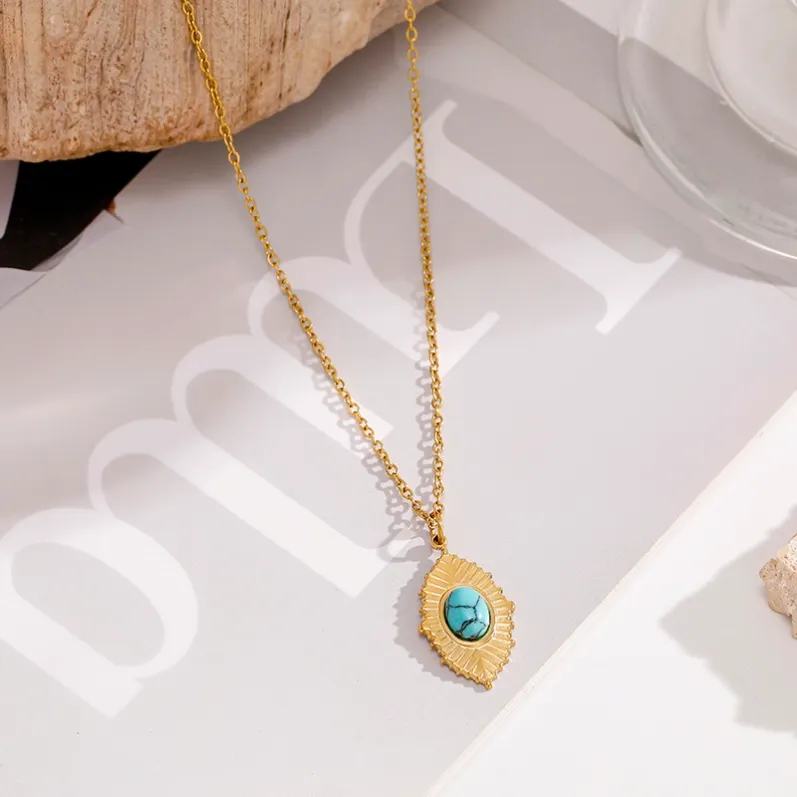
Can Stainless Steel Earrings Damage Your Hair?
Can stainless steel earrings damage your hair? The honest answer, what really causes earring-related breakage, and habits that protect hair and ears.
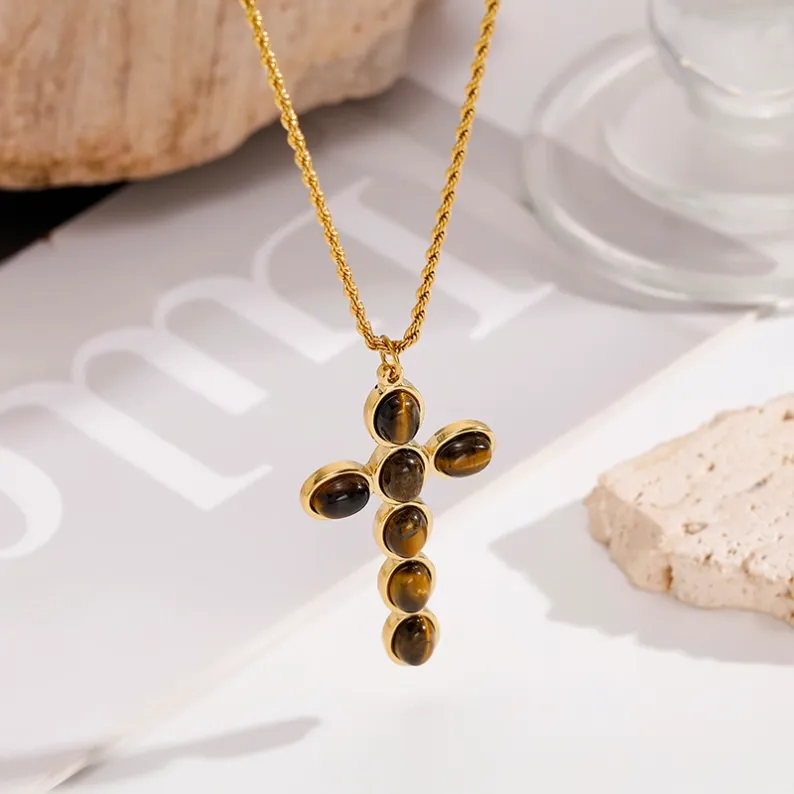
Earrings can contribute to hair damage around the ears, but the material is almost never the reason — snagging on backs and dangles, sleeping in the wrong styles, and product buildup are. If you have noticed broken or tangled strands near your ears, the fix is usually a change in habits, not a change of metal.
This guide breaks down where concerns about earrings and hair damage actually come from, why stainless steel is one of the lower-risk materials you can wear near your hairline, and the small routines that protect both your hair and your jewelry.
The Short Answer: What Actually Damages Hair
Hair breaks from mechanical stress — pulling, snagging, and friction — not from the metal your earrings are made of.
Cause of hair damage | Connection to earrings | Risk level |
|---|---|---|
Snagging on earring backs or dangling designs | Direct — strands catch on posts, hooks and charms | Highest |
Sleeping in earrings | Tangling and friction against the pillow all night | High |
Tight hairstyles near the ear | Indirect — tension, made worse by jewelry in the area | Moderate |
Product buildup on jewelry | Sticky residue grabs hair and pulls when you move | Moderate |
The earring material itself | No chemical effect on the hair fiber | Minimal |
The material question matters far less than the design question. A smooth, polished stud is gentle on hair; a large textured charm that swings into your strands all day is not — no matter what it is made of.
How Earrings Interact With Your Hair
Most earring-related hair damage happens at two contact points: the back of the earlobe and anything that dangles.
- Post backs and butterfly clutches — the hardware behind your lobes sits right where hair grows. Coarse, curly, or voluminous hair is the most likely to wrap around them.
- Hooks and hoops — French wires and thin hoops can loop a strand and hold it until you feel the pull.
- Dangling charms — every swing is a chance to catch hair, especially in wind, while brushing, or when you tuck hair behind your ears.
- Textured surfaces — braided, twisted, or heavily carved designs offer more edges for hair to snag on.
None of this is unique to any metal. It is geometry and friction. That said, the surface finish does play a role: the smoother the surface, the more easily a caught strand slides free instead of being pulled out at the root.
Why Stainless Steel Is a Low-Risk Choice
A smooth, non-porous stainless steel surface gives hair very little to grab onto — which is exactly what you want next to your hairline.
Quality stainless steel earrings start with 316L, an alloy polished to a smooth finish. The chromium oxide layer that forms naturally on its surface seals it, so skin oils, hair products, and moisture sit on top rather than soaking in the way they can with porous materials. A sealed, polished surface has two practical benefits around hair:
- Less buildup — hairspray, dry shampoo, and conditioner residue rinse away instead of forming a sticky crust that traps strands.
- Fewer rough edges — a well-polished post or hoop glides past hair; burrs and scratches are what catch and pull.
PVD 18K gold plated stainless steel behaves the same way, because the gold-tone coating adds another dense, even layer on top of the base metal. If you want the science behind that coating, see our explainer on how PVD coating works on jewelry.
An honest limitation: surface condition depends on the maker, not the category. A poorly finished piece with rough solder joints or a scratched post can snag hair just like any other badly finished material — so run a fingertip over the parts that sit near your hairline before committing to daily wear.
The Real Culprit: Sleeping in Earrings
If you sleep in earrings, dangling styles are the ones most likely to tangle into your hair overnight.
You shift position many times a night, and every shift drags your jewelry across the pillow and through your hair:
- Dangles and hoops swing and fold as you turn, looping hair around themselves against the fabric.
- Posts with bulky backs press into the skin and can trap a strand between the clutch and your lobe.
- Nightly friction also dulls the finish on the parts that rub the pillow — a wear issue for the jewelry, not for your hair.
The practical rule: take earrings out before bed. If you need to keep minimal studs in for a fresh piercing, choose smooth, flat backs and check that no strand is trapped when you settle in. Your pillowcase will thank you too.
Stainless Steel vs Other Earring Materials
When it comes to hair, surface smoothness and finishing quality matter more than the material label.
Material | Surface against hair | Buildup tendency | Notes |
|---|---|---|---|
Polished 316L stainless steel | Very smooth | Low — rinses off clean | Light studs and hoops widely available |
PVD 18K gold plated stainless steel | Very smooth | Low | Same base metal with a dense gold-tone layer |
Plastic and acrylic | Smooth, but scratches easily | Moderate — attracts oils | Fine scratches become snag points |
Wood and fabric-wrapped styles | Porous | High | Texture and fibers catch hair readily |
Heavily textured metal designs | Varies | Varies | Carving and braiding add edges to snag |
Whatever the material, a quick fingertip check tells you more than any label: slide the post, the back, and the inner curve of a hoop between clean fingers. Anything you can feel, your hair will feel too.
Habits That Protect Both Hair and Ears
A five-minute routine around your jewelry does more for earrings and hair damage than switching materials ever will.
- Remove earrings before sleeping, especially dangling styles and anything with protruding backs.
- Style hair away from fresh or healing piercings so strands cannot wrap around the hardware.
- Finish your hair routine first — spray hairspray and apply styling products before putting earrings on, not after.
- Clean earrings weekly with warm water, mild soap, and a soft brush, so residue never builds into a sticky film. The full routine lives in our guide to cleaning tarnished stainless steel jewelry.
- Dry behind your ears after washing. Trapped moisture under jewelry feels unpleasant and dulls finishes over time; our explainer on waterproof stainless steel jewelry covers what water exposure does and does not do to this material.
When to Give Your Ears and Hair a Break
Persistent tenderness, redness, or a patch of broken hair near one ear is a signal to pause, not to push through.
Take the earrings out for a few days and see whether everything settles. If one particular style is always the one that snags or pulls, retire it from daily wear and save it for short occasions. If skin irritation continues even without any jewelry, that is a question for a dermatologist rather than a jewelry guide — metal sensitivity is real, and a professional can tell you what is actually going on.
The good news is that for most people, earring-related hair damage is occasional and completely preventable. Smooth-finished stainless steel, sensible habits at night, and regular cleaning cover nearly every cause in this article.
Frequently Asked Questions
Quick answers to the questions we hear most about earrings and hair damage.
Can earrings cause hair loss around the ears?
Earrings themselves do not cause hair loss, but repeated snagging can break hairs near the ear. A strand that gets caught on a backing or charm and is pulled free usually grows back, since the follicle is rarely harmed. If you notice a consistently thin patch in the same spot, stop wearing that style, keep the area free of heavy products, and see a dermatologist if it does not improve.
Is it bad to sleep with stainless steel earrings in?
It is not ideal for the jewelry or for your hair. Dangling styles tangle into hair overnight, and even studs press their backs into your skin for hours. Stainless steel will not rust from a night of wear, but pillow friction gradually dulls the finish, especially on gold-tone pieces. Removing earrings before bed takes seconds and protects both your lobes and your strands.
Which earring styles snag hair the least?
Smooth, low-profile studs are the safest choice around hair, because nothing extends far enough to catch a passing strand. If you prefer hoops, choose fully closed, polished ones with no solder bumps, and keep the diameter close to the lobe. Avoid long drops, textured charms, and rough backs if you wear your hair down or have coarse, curly textures that lift toward the ear.
Can earring backs pull hair out?
Yes, indirectly. Hair that wraps around a butterfly back or a hook is held in place, and the next brush of your hand or pillow can pull it free at the root or snap the strand. It looks alarming but it is usually a single hair, not a pattern. Keeping backs smooth, clean, and snugly fitted reduces how often this happens in the first place.
Does stainless steel damage hair or the scalp?
The material itself has no chemical effect on the hair fiber — hair is keratin, and a polished alloy cannot break it down. Scalp irritation, when it happens, usually traces to trapped moisture, product residue, or pressure from the earring rather than the metal. Keep the pieces clean and dry behind the ears, and daily contact with stainless steel should be completely uneventful.
Wholesale Stainless Steel Jewelry from IVANDA
Looking for a reliable stainless steel jewelry supplier? IVANDA supplies 316L pieces with PVD 18K gold plating - waterproof, skin-friendly and made for everyday wear. MOQ 60 pcs per style, in stock and ready to ship, with OEM/ODM services for custom designs. Message us on WhatsApp or email sales01@ivanda-fa.com for the latest catalog and wholesale prices.