Nov 1, 2026
Can Stainless Steel Jewelry Be Magnetic? Magnetism Facts
Is stainless steel jewelry magnetic? Why some pieces attract a magnet, why 316L usually does not, and what magnetism means for quality and daily wear.
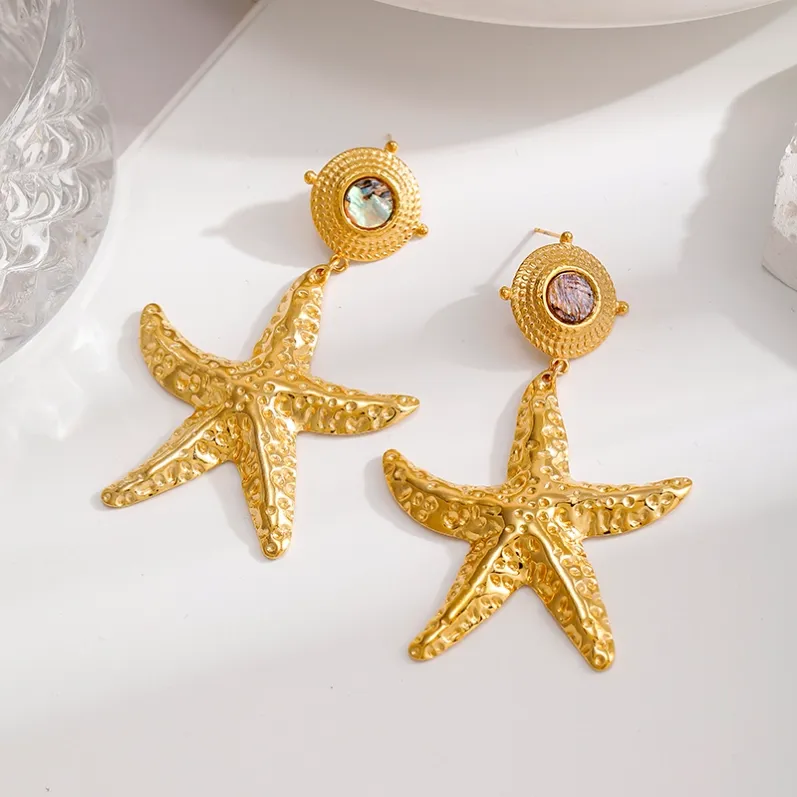
Is stainless steel jewelry magnetic? Usually barely — most everyday pieces show no reaction to a magnet, but some steel grades are magnetic by design, and even a non-magnetic ring can pick up weak magnetism after heavy forming. Magnetism says nothing about quality. Here is the metallurgy behind it, what a magnet test can and cannot tell you, and the few situations where magnetism actually matters.
The Short Answer
Magnetism in stainless steel comes down to crystal structure, not quality — some grades attract a magnet by design, and others only respond weakly after being worked.
Stainless steel is a family of alloys, not one material. All of them are iron-based, which is why the question exists at all, but the way iron atoms arrange themselves changes how the steel responds to a magnet. Two pieces of genuine stainless steel can give completely different answers to the same fridge magnet — and both can be perfectly good jewelry.
Why Some Stainless Steel Sticks to a Magnet and Some Doesn't
A magnet is really testing which crystal family the steel belongs to: austenitic grades are practically non-magnetic, while ferritic and martensitic grades attract a magnet clearly.
Steel can form its iron atoms into different crystal structures. The austenitic structure is essentially non-magnetic, and alloying elements keep that structure stable at room temperature. The ferritic and martensitic structures are magnetic by nature. Which structure a grade has depends on its recipe:
Steel family | Common grades | Magnetic? | Where you see it |
|---|---|---|---|
Austenitic | 304, 316, 316L | Practically no; weak response possible after cold working | Quality jewelry, kitchen sinks, marine fittings |
Ferritic | 430 | Yes | Decorative trim, appliance panels, some costume jewelry |
Martensitic | 420, 440 | Yes | Cutlery, blades, some watch parts |
Duplex | 2205 | Partly | Industrial piping, chemical tanks |
This is why the steel in a quality ring often shows no pull while the steel in a knife blade grabs the magnet hard — and both are real stainless steel. If you want to go deeper on the grade itself, this explainer of what 316L means on jewelry stamps walks through the markings you will actually see.
The Magnet Test: Useful, but More Limited Than People Think
A magnet can tell you the steel family — it cannot tell you the grade, the quality or how a piece will wear over the years.
The test has a twist that causes most of the confusion. Austenitic steel is not permanently immune to magnetism: bending, stamping, drawing or hammering it deforms part of the crystal structure, a process called work hardening, and the deformed areas become weakly magnetic. A 316L ring that was heavily formed during manufacturing can show a faint pull on a strong magnet while remaining exactly what it claims to be.
So read the results like this:
- Strong, clear attraction usually indicates a ferritic or martensitic grade — genuine stainless steel, but a different family from 316L.
- No reaction at all fits austenitic grades like 316L.
- Faint attraction on a strong magnet often means an austenitic piece that was heavily worked — not a fake.
- Plating is irrelevant. PVD 18K gold plated pieces behave exactly like the bare steel underneath; the plating layer is far too thin to change magnetism in any way.
What the test cannot do is just as important: it cannot identify a specific grade, detect plating quality, predict tarnish resistance or measure craftsmanship. Corrosion resistance comes from chromium content and surface finish, not from magnetic behavior — a point this guide to jewelry that doesn't tarnish covers in depth.
Is a Magnetic Piece a Red Flag?
No — magnetic does not mean fake or low quality, and non-magnetic does not prove a piece is high quality either.
Myth | Reality |
|---|---|
"Real stainless steel never sticks to a magnet" | Ferritic and martensitic grades are genuine stainless steel and strongly magnetic |
"If it's magnetic, it will rust" | Corrosion resistance depends on chromium content and finish, not magnetism |
"A magnet test proves the grade" | Several grades share the same magnetic behavior; only markings or documentation identify the grade |
"Plated pieces shouldn't react" | Plating does not change magnetism; the steel underneath decides |
The magnet is a rough sorting tool, nothing more. Judging quality the honest way means looking at finish, weight, stamping and edges — and at how a piece holds up over months of wear, which this look at whether stainless steel jewelry suits everyday wear covers in practical terms.
When Magnetism Actually Matters
Three real-world situations: mechanical watches, MRI scans and magnetic clasps — ordinary daily wear is not one of them.
- Mechanical watches. Strong magnets can disturb a mechanical movement and affect timekeeping. If you wear a mechanical watch you care about, keep magnetic-closure bracelets on the other wrist. A merely faintly magnetic ring poses no practical concern.
- MRI scans. Follow the standard instruction every scanner gives: remove all metal jewelry before the exam, whatever it is made of and however magnetic it is.
- Security gates. Walk-through detectors respond to metal in general, not to magnetism — a faintly magnetic ring is not specifically flagged by anything.
Beyond those cases, magnetism is a curiosity rather than a problem: it does not affect comfort, appearance or how long a piece lasts.
Frequently Asked Questions
Quick answers to the magnetism questions jewelry buyers ask most.
Why does my 316L ring stick slightly to a magnet?
Forming does it. Bending, stamping and hammering austenitic steel deform part of its crystal structure, a process called work hardening, and those deformed zones respond weakly to a magnet. A faint pull on a strong magnet is common in heavily formed pieces and says nothing bad about the material — the grade itself is still what it claims to be.
Is magnetic stainless steel jewelry lower quality?
Not by itself. Ferritic and martensitic grades are genuine stainless steel that happens to be magnetic, and quality depends on finish, construction and chromium content rather than magnetic response. What magnetism can hint at is the steel family: a strongly magnetic piece is probably not 316L. If the grade matters to you, check the stamp or ask the seller directly.
Will a magnetic clasp damage my watch?
Strong magnets can magnetize a mechanical watch's movement and disturb its timekeeping, so magnetic-closure bracelets and mechanical watches are better kept on different wrists. Quartz watches are far less sensitive, but the habit costs nothing: anything with a strong magnet stays away from any watch you care about. A faintly magnetic ring poses no practical risk at all.
Does PVD plating change whether jewelry is magnetic?
No. PVD 18K gold plated jewelry behaves exactly like the bare steel underneath, because the plating layer is far too thin to block a magnetic field. If a plated piece attracts a magnet, that is the steel family answering, not the plating. The same logic applies in reverse: a magnet test cannot detect plating quality or how well the finish will wear.
Can I wear stainless steel jewelry through an MRI scanner?
No — follow the standard safety instruction and remove all metal before the scan, regardless of material or magnetic response. MRI machines use powerful magnetic fields, and any metal object can interfere with imaging or pose a safety risk. This applies to every kind of jewelry, magnetic or not, including pieces that show no pull to a household magnet.
Wholesale Stainless Steel Jewelry from IVANDA
Looking for a reliable stainless steel jewelry supplier? IVANDA supplies 316L pieces with PVD 18K gold plating - waterproof, skin-friendly and made for everyday wear. MOQ 60 pcs per style, in stock and ready to ship, with OEM/ODM services for custom designs. Message us on WhatsApp or email sales01@ivanda-fa.com for the latest catalog and wholesale prices.