Nov 1, 2026
How to Untangle Stainless Steel Chains Without Damage
Knotted chain? Learn how to untangle jewelry chains without damage: three safe methods for stainless steel chains, the tools to use, and prevention tips.
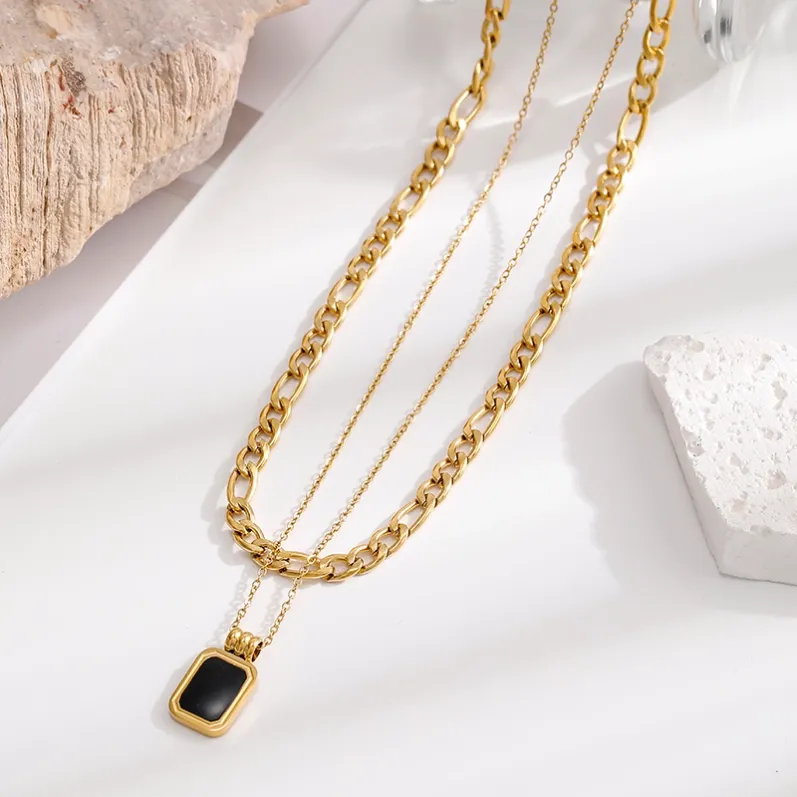
A knotted stainless steel chain looks alarming and is far less fragile than it seems — the alloy is strong enough to survive patient fingers, but one hard yank can kink a link or snap a clasp. The methods below untangle jewelry chains using items already in your kitchen drawer, arranged from gentlest to most heavy-duty.
Stainless steel brings one real advantage to knot rescue: it resists stretching and bending, so links hold their shape while you work. The enemy is not the metal but impatience — most chain damage happens in the first thirty seconds of handling.
Why Stainless Steel Chains Knot in the First Place
Chains knot because thin, flexible links slide freely over themselves — and storage habits decide whether that ever gets the chance.
Three conditions create a knot: slack, multiple contact points and movement. A chain loose in a pouch with other pieces supplies all three, and one overnight trip in a handbag can produce a knot that took seconds to form and will take minutes to undo. Construction matters too. Very thin cable chains are the usual offenders, while box chains and heavier curb links resist tangling because their flat, interlocked shapes do not slide as freely. A clasp complicates everything: a lobster clasp acts like an anchor that threads through loops and locks them tighter with every bump and shake.
What to Gather Before You Start
Two minutes of preparation — a flat surface, good light and the right small tools — prevents most of the damage people ever do to knotted chains.
Tool | What it does |
|---|---|
Flat, firm work surface | Stops the chain shifting while you work |
Bright directional light | Shows which strand crosses over which |
Two fine pins or needles | Lift and separate individual links |
Magnifying glass or phone zoom | Reveals the knot's real structure |
Drop of light oil | Lubricates a severe knot (last resort) |
Small scissors | For cutting stuck tape or threads — never the chain |
Set up on a table, never your lap. Fabric gives the chain friction, and friction tightens loops when you least expect it.
Method 1: The Flat Surface Shake-Out
Always start with the gentlest approach — many knots that look hopeless are one loose loop away from undoing themselves.
- Close the clasp so the chain forms one connected loop. An open chain slides through knots unpredictably.
- Lay the knot flat on the table. If the chain feels sticky or waxy, dust it lightly with talcum or baby powder to cut friction between overlapping links.
- Find the true center — the point where strands genuinely pass through each other, not just where the chain looks messy.
- Shake gently, horizontally, a centimeter above the surface. Loose loops often drop open on their own.
- Stop when resistance builds. If the knot tightens instead of loosening, move on to the pin method rather than shaking harder.
Method 2: The Pin Method for Tight Knots
Work from the center of the knot outward and pull loops apart — never pull the chain ends — and links release without bending.
Hold the central crossing steady with one fingertip. Take a fine pin in each hand. Slide one pin through a visible loop, then use the second to gently wiggle the strand trapped inside it — widen the loop, do not pull the chain. Stainless steel links are springy; opened slightly, they usually let the trapped strand slip free by itself.
Work in one direction, freeing one link at a time. Every link you release lowers tension in everything that remains. The moment a link starts to bend instead of slide, stop and change your angle. With steel, patience beats force every time — force is the one thing that can genuinely damage it.
Method 3: The Oil Drop for Severe Knots
A knot that refuses to move needs lubrication, not pressure — one drop of oil lets links glide past each other, followed by a proper wash.
Lay the chain flat and place a single small drop of light oil — olive, coconut or a dedicated lubricant — directly on the knot's center. Give it two minutes to wick between the links, then repeat the pin method. The links slide against each other noticeably more easily.
Afterward the chain needs a real cleaning: warm water, a drop of dish soap, a soft toothbrush worked around the knot area, then a full rinse and towel dry. Oil left on jewelry collects dust and dulls the finish, so this step is not optional. Our guide on how to clean tarnished stainless steel jewelry covers deeper cleaning if any residue lingers.
What Never to Do With a Knotted Chain
Almost every permanently damaged chain was ruined in the first thirty seconds, by one of the moves below.
Mistake | Why it damages the chain |
|---|---|
Pulling both ends hard | Tightens every loop and can snap thin links |
Cutting the knot apart | One slip ruins the chain for good |
Forcing pins with pressure | Bends or springs individual links open |
Untangling while wearing it | Tension from your neck keeps tightening the knot |
Using strong solvents | Can attack finishes, including PVD 18K gold plated surfaces |
The pull-both-ends reflex is the most common and the most destructive. It converts a loose, workable tangle into a hard structural knot in a single motion.
Preventing the Next Knot
Chains tangle in storage, not on your neck — how a piece is put away decides whether you ever need this guide again.
- Hang chains on a stand or hooks so they never live in a pile.
- Store one piece per small sealable bag, pressed nearly flat.
- Thread long chains through a drinking straw and clasp them; the straw physically prevents loops from forming.
- Clasp before packing so the chain cannot wander through itself in transit.
- Keep clasps away from other chains — a clasp through neighboring links anchors most knots.
For more approaches, including methods for very fine chains and multi-strand necklaces, see how to untangle a necklace: 4 methods that work.
Frequently Asked Questions
Quick answers before you put your hands on that knot.
Can a badly knotted stainless steel chain always be saved?
In most cases, yes. Stainless steel links are rigid and springy, so they return to shape after being worked free, unlike soft metals that bend permanently. The exceptions are knots that were forcibly tightened until a link stretched or snapped, and chains damaged by a previous rescue attempt with scissors. Worked patiently from the center outward, most tangles surrender within twenty minutes.
Will untangling scratch my stainless steel chain?
Not if you work gently. Stainless steel is harder than sewing-needle steel, so light pin contact does not mark the surface. Scratches come from dragging the chain across a rough tabletop or grinding grit between links — another reason to work on a clean, smooth surface and to wash the piece after using powder or oil. Gentle is also faster, because nothing fights you.
The clasp is stuck inside the knot — what now?
Treat the clasp as part of the knot rather than fighting it directly. Free the chain strands around it first with the pin method, and the clasp usually drops out on its own. Never force a lobster clasp open while it sits under tension — the spring mechanism is the most fragile part of any chain, and replacing it means a workshop visit.
Why does my chain knot even inside a closed jewelry box?
Movement plus slack is all a chain needs. Inside a box, pieces shift every time the drawer opens, and an unclasped chain acts as a hook threading through neighboring links. Individual pouches, hanging storage or the straw method remove the slack — which removes the knot's raw material entirely. Five seconds of careful storage saves twenty minutes of rescue.
Is it safe to untangle a PVD 18K gold plated chain the same way?
Yes, with one extra precaution: handle plated surfaces gently and use powder or oil sparingly. The pin method itself is identical. Always clean and dry the chain afterward, and never use abrasive cloths or strong solvents, which dull a plated finish faster than any knot. Remember too that PVD 18K gold plated finishes can lighten gradually after years of wear.
Wholesale Stainless Steel Jewelry from IVANDA
Looking for a reliable stainless steel jewelry supplier? IVANDA supplies 316L pieces with PVD 18K gold plating - waterproof, skin-friendly and made for everyday wear. MOQ 60 pcs per style, in stock and ready to ship, with OEM/ODM services for custom designs. Message us on WhatsApp or email sales01@ivanda-fa.com for the latest catalog and wholesale prices.