Nov 1, 2026
Can You Wear Stainless Steel Jewelry in the Rain?
Yes - rain will not rust or tarnish stainless steel jewelry. What water actually does to the metal, how PVD finishes handle it, and a quick drying routine.
Yes - the worry about stainless steel jewelry and rain is one you can retire: genuine 316L steel does not rust, tarnish or weaken when it gets wet, so a downpour is a non-event for the metal. What rain actually threatens is not the steel but two softer targets: the shine, which water spots can dull, and coated finishes, which care about friction and years rather than weather. Here is what really happens to your jewelry in wet weather, when water deserves a second thought, and the ten-second routine that keeps everything bright.
The Short Answer, and Why It Is True
The reason you can wear stainless steel in the rain comes down to chemistry that happens invisibly. Stainless steel forms a microscopic layer of chromium oxide on its surface, and that layer keeps moisture and oxygen away from the metal underneath. Scratch it, and the layer re-forms on its own. This self-repairing shield is what separates 316L stainless steel from plated fashion jewelry, which corrodes the moment its thin coating is broken - and it is the whole reason some jewelry materials never tarnish while others need constant care.
So when the forecast turns gray, you have two reasonable options: wear your steel pieces as normal, or leave them at home for style reasons. Corrosion does not need to be one of your considerations.
Rain is one of the mildest things that will ever touch your stainless steel jewelry. The metal genuinely does not care.
What Rain Does and Does Not Do
Water exposure | Effect on 316L steel | What to do after |
|---|---|---|
Rain | None on the metal; possible water spots | Towel dry when you come inside |
Shower | None; soap film can dull shine | Rinse and dry occasionally |
Swimming pool | Fine for the metal; chlorine leaves a film | Rinse off chlorine, dry |
Ocean water | Fine for the metal; salt leaves residue | Rinse with fresh water, dry |
Hot tub or sauna | Fine for the metal; humidity only | Normal drying |
Notice what the table does not say: nowhere does the metal itself fail. Every "after" step protects shine and skin comfort, not the steel's survival.
The distinction matters because fear of water damage stops people from wearing pieces they love. With solid 316L, the calculation is entirely about keeping the surface pretty - which is easy - and about one small comfort detail, covered below.
The Finish Matters More Than the Metal
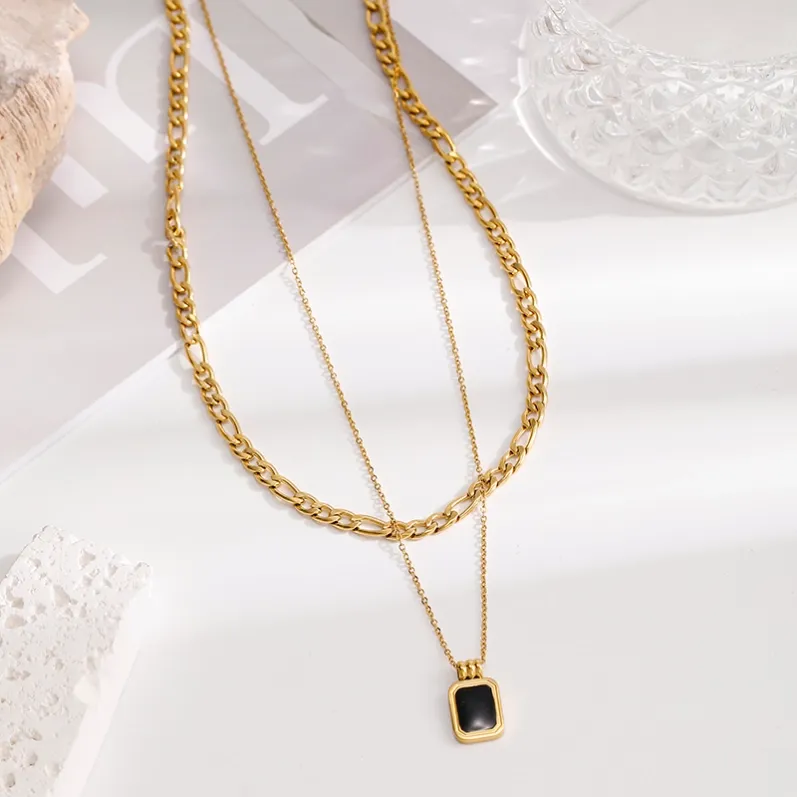
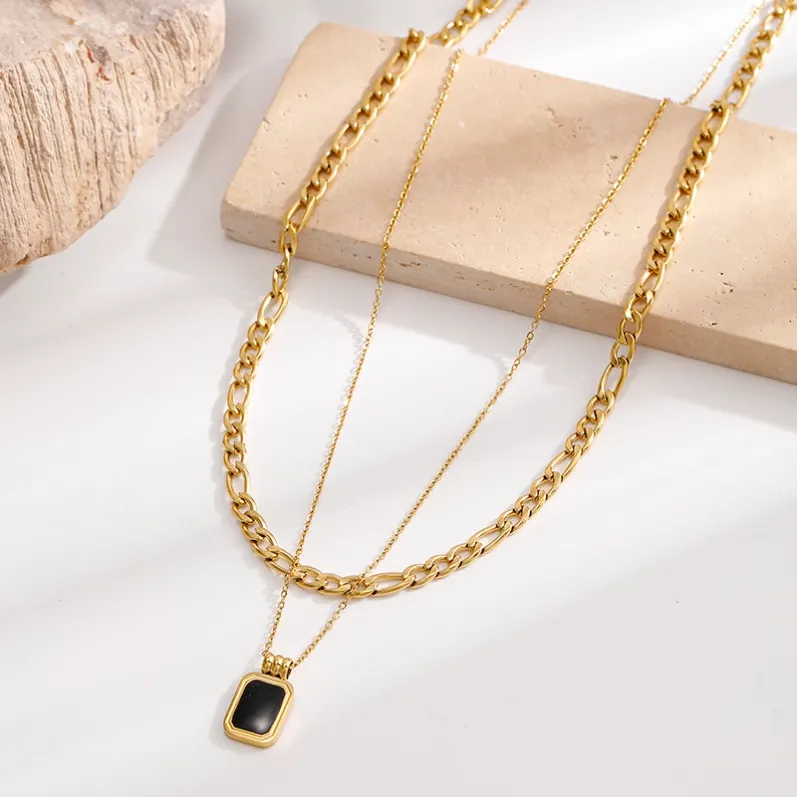
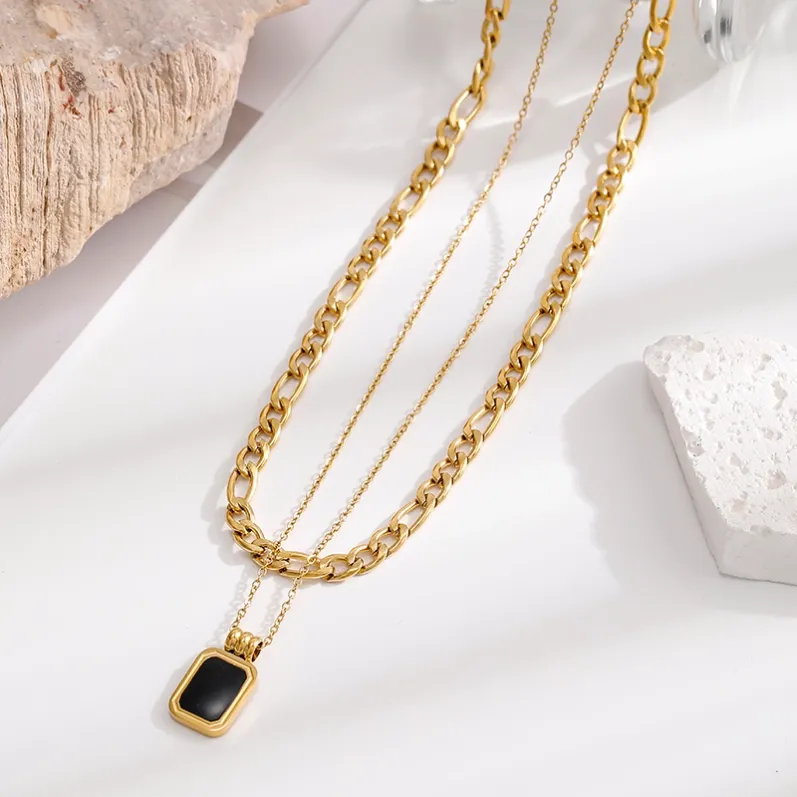
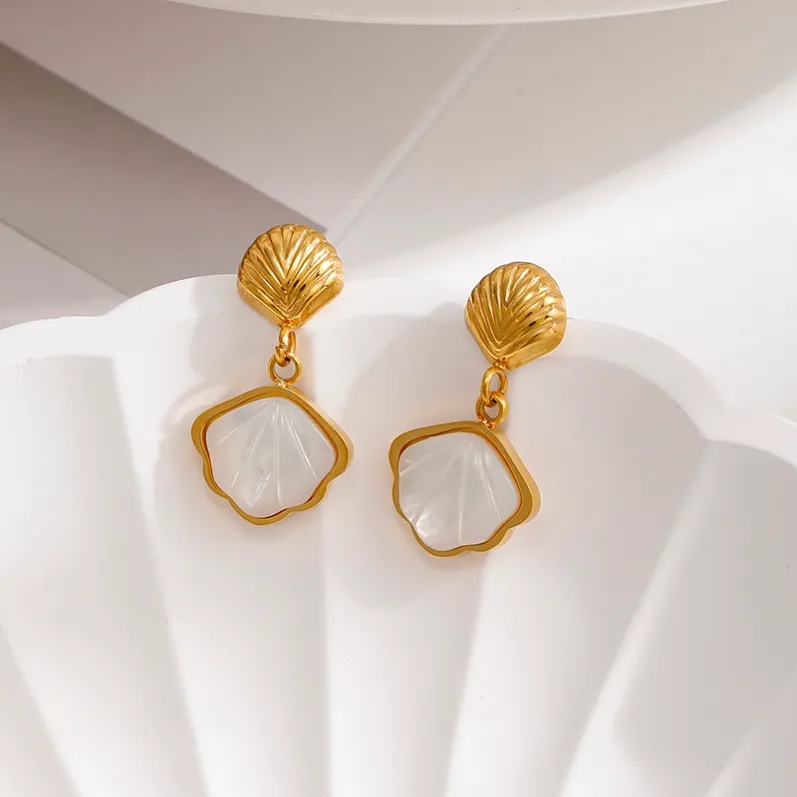
If your piece is PVD 18K gold plated steel, rain is still harmless. PVD coatings are engineered to live with water, sweat and humidity - that is precisely why stainless steel jewelry with this finish has become the standard for pieces meant to be worn without thinking. A wet commute will not flake, blister or stain a properly applied coating.
The honest limitation, as always with coatings, is time and friction rather than weather. A PVD 18K gold plated finish wears gradually over years of hard use - constant contact with skin, clothing and surfaces slowly softens the color on any coated piece. Rain does not accelerate that; abrasion does. The person who wears a PVD 18K gold plated ring in a downpour twice a month is kinder to it than the person who wears it while moving boxes every day.
Water is not what ages a PVD 18K gold plated finish - friction and years are. Wear it in the rain; just dry it and store it like any piece you love.
When Water Actually Deserves a Second Thought
Three situations are worth a little more attention than rain, and none of them damage the steel:
- Trapped moisture under rings and bands. Water held against skin for hours softens the skin, not the metal. Dry under your ring after soaking weather if the skin underneath looks pale and puckered.
- Chlorine and salt residue. Both are mild to 316L, but they leave films that dull shine. A fresh-water rinse after the pool or ocean solves it completely.
- Water spots. Hard water leaves mineral dots as it evaporates. They wipe away with a damp cloth, but drying prevents them entirely.
For a fuller rundown of everyday water situations, including the shower question people ask most, see this guide to showering with stainless steel jewelry.
None of these situations hurt the steel. They are about comfort and shine - both fixable in under a minute.
The Ten-Second After-Rain Routine
You do not need products, sprays or special cloths for wet weather care:
- Blot dry with any soft towel - this alone prevents most water spots
- Slide rings off briefly if the skin underneath stayed wet, and dry there too
- Wipe once with a dry cloth before storing, so nothing sits damp in a box overnight
If a piece has already lost some shine from months of wear - rain or no rain - the fix is a proper wash, not a replacement. This walkthrough of cleaning tarnished stainless steel jewelry covers safe methods for restoring brightness without scratching, and it works just as well on pieces that have never left the house.
Blot, lift, wipe. Ten seconds of drying after wet weather keeps the surface as bright as the day the piece arrived.
A Quick Comparison: Rain vs Shower vs Pool
Rain water is the mildest of the three — it lacks the chlorine of a pool, the salt of the ocean and the minerals of many tap supplies. A shower adds soap and warm water, and a pool adds chlorine, but rain is essentially just fresh water falling from the sky. For stainless steel, all three are manageable; for plated or soft-metal jewelry, each one causes progressively more damage. The key variable is always what the water carries, not the water itself.
Frequently Asked Questions
Quick answers about stainless steel jewelry and wet weather.
Can stainless steel jewelry get wet?
Yes, and not just rain - showers, pools and ocean water are all fine for genuine 316L stainless steel. The chromium oxide layer on the surface protects the metal from rust and tarnish, and it repairs itself if scratched. The only routine care water demands is a rinse and a dry when you come inside.
Will rain make stainless steel jewelry rust?
Rain will not rust quality stainless steel. Rust requires the protective layer to fail, which happens with inferior grades or with damaged, thinly plated fashion pieces rather than solid 316L. If you see orange marks after wet weather, the piece is probably plated base metal, not stainless steel. Solid 316L shrugs off a downpour without protest.
Should I dry my jewelry after it rains?
You do not have to, but you should. Steel itself is unbothered by a wet afternoon, yet water left to evaporate slowly leaves mineral spots that dull the shine, and moisture trapped under a ring or band sits against your skin all day. A ten-second towel dry after rain keeps both the metal and your skin happier.
Is rain harder on PVD 18K gold plated pieces?
No, rain itself is harmless to a PVD 18K gold plated finish - the coating is built to live through water, sweat and humidity. What shortens its life is friction and years of hard use, not weather. Wear it in the rain as you like, then dry it with a soft cloth and store it dry.
Can I leave stainless steel jewelry on in the shower too?
Yes. A shower is gentler on stainless steel than a swimming pool, because soap and warm water do not attack the protective layer the way chlorine can over long exposure. Many people simply never take their everyday pieces off. Rinse off soap residue, give everything a quick dry, and the metal will not mind at all.
Wholesale Stainless Steel Jewelry from IVANDA
Looking for a reliable stainless steel jewelry supplier? IVANDA supplies 316L pieces with PVD 18K gold plating - waterproof, skin-friendly and made for everyday wear. MOQ 60 pcs per style, in stock and ready to ship, with OEM/ODM services for custom designs. Message us on WhatsApp or email sales01@ivanda-fa.com for the latest catalog and wholesale prices.