Oct 21, 2026
How to Choose the Right Ring Width for Your Finger
Use this ring width guide to choose a comfortable band for your finger. Compare slim, medium and wide rings, fit, styling and measurement tips.
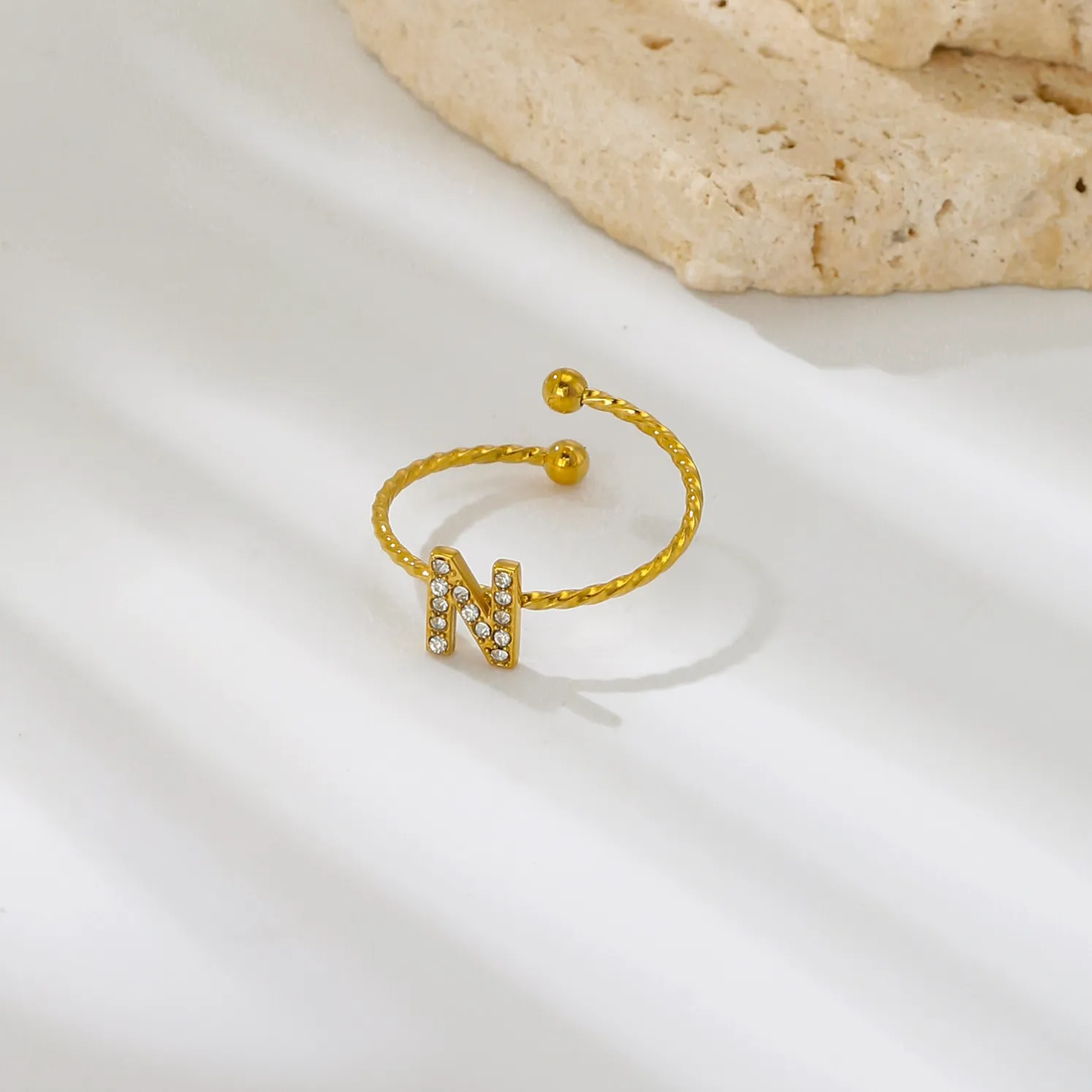
The right ring width is a balance between proportion, comfort and lifestyle: a slim band feels light and flexible, while a wider band creates presence but needs more room around the finger.
Ring size and ring width are connected, but they are not the same decision. Two rings marked with the same inner circumference can feel very different when one is 2 mm wide and the other is 8 mm. Width changes how much skin is covered, how a ring moves over the knuckle and how comfortably neighboring fingers can bend.
Ring Widths at a Glance
Jewelry makers usually describe ring width in millimeters, measured across the band from one side to the other. The categories below are useful styling shorthand rather than strict industry rules.
Ring width | Visual effect | Typical feel | Useful for |
|---|---|---|---|
1–2 mm | Delicate and understated | Very light; flexible beside other rings | Minimal bands, stacking, small details |
3–4 mm | Balanced and versatile | Comfortable for many hands | Everyday bands and simple signets |
5–6 mm | Noticeable but wearable | More coverage and presence | Statement bands, wider stacking anchors |
7–10 mm | Bold and architectural | Can feel snug between fingers | Chunky styles and sculptural designs |
Over 10 mm | Dramatic and dominant | Needs careful proportion and fit | Fashion statements, open or signet forms |
Takeaway: use millimeters to compare rings, but judge comfort from width, profile, edge and finger placement together.
Match Width to Your Finger Shape
Shorter fingers often look balanced with slim or medium bands. A 2–4 mm ring leaves more visible skin around the band and can create a lighter proportion. That is not a rule against wide rings. If you love a bold look, try a lower-profile 5–6 mm design or wear a wider ring alone so the hand does not look crowded.
Takeaway: slim bands emphasize lightness, medium bands are adaptable, and wide bands work best when their visual weight is intentional.
How Width Changes Ring Fit
A wide band touches more of your finger, so it can feel tighter than a narrow band with the same inner diameter. It also has more contact with the skin when your finger bends. Many wearers prefer a little extra room in a wide band, but the exact adjustment depends on the ring’s inner shape and your finger.
The knuckle is another factor. A ring must pass over the widest point without being loose at the base. Measure when your hands are at a normal temperature, not immediately after exercise, a hot shower or a cold outdoor walk. Fingers expand and contract naturally during the day, and a measurement taken at an unusual moment can mislead you.
A good ring should slide over the knuckle with mild resistance, sit securely at the base and rotate only slightly during normal movement. It should not pulse, pinch, numb the finger or leave a deep groove. A temporary light impression is normal; persistent discomfort is not.
Takeaway: wider rings often need a more generous feel, but the correct fit is secure without pressure or numbness.
Choosing Width for Each Finger
The same width can look completely different depending on its location. A slim band on the pinky can look precise, while a 5 mm ring on the thumb may appear balanced. Index and middle fingers are natural homes for substantial rings because they have room for visual weight and move independently from the ring finger.
The ring finger often works well with 2–5 mm for a classic band, though a signet, textured band or statement piece can be wider. The pinky usually benefits from a narrower 1–3 mm design unless the ring has an open silhouette. Thumb rings can support 4–8 mm, but check that the band does not restrict the neighboring index finger when you grip something.
Finger placement | Starting width range | Fit priority |
|---|---|---|
Pinky | 1–3 mm | Lightness and easy bending |
Ring finger | 2–5 mm | Comfort beside neighboring fingers |
Middle finger | 2–6 mm | Balance and secure base fit |
Index finger | 3–8 mm | Clearance while gripping |
Thumb | 4–8 mm | Freedom for the index finger |
Takeaway: choose width for the finger’s movement and surrounding space, not only for the ring’s appearance in a product photo.
Ring Width and Stacking
A ring stack looks intentional when the widths create rhythm. Pairing a very slim band with a medium band produces contrast. Two bands of similar width create a cleaner, more uniform line. A wide anchor ring can be balanced by tiny bands above or below, but too many wide rings may crowd the finger and reduce flexibility.
Start with the ring that has the strongest design. Add one slim companion, then test everyday movements: typing, opening a jar, holding a phone and making a fist. If the rings pinch when the finger bends, reduce the combined width or move one band to another finger.
Takeaway: stacking is a spacing problem as much as a styling problem; test movement before adding another band.
Material, Profile and Edge Shape
Material affects how a width feels. Stainless steel is firm and keeps a structured profile, making a 4 mm or 6 mm band feel precise. A premium grade such as 316L is a useful option for high-quality or custom jewelry specifications. Copper and softer metals may develop marks more quickly on broad edges, while coatings can show wear where wide rings rub against surfaces.
Profile matters too. A comfort-fit interior curves away from the finger and can make a broad band easier to wear. A flat interior gives a crisp feel but may hold more moisture underneath. Rounded outer edges appear softer, whereas square edges make the ring look wider and more architectural.
Takeaway: the millimeter number sets the scale, but construction determines the sensation.
A Simple Measurement and Shopping Checklist
If you are buying a ring as part of a coordinated bracelet or cuff look, measure the wrist separately. Our guide to how to measure bracelet size around the wrist covers the clearance that makes a matching set feel comfortable rather than restrictive.
Takeaway: a reliable ring decision combines measurement, movement tests and the real dimensions of the piece.
Frequently Asked Questions
What is the most comfortable ring width?
For many people, 3–5 mm is a comfortable middle ground because it has visible presence without covering too much of the finger. Comfort still depends on the finger, profile, edge and fit. A 2 mm band may feel best for stacking, while a 6 mm comfort-fit ring can also wear easily.
Should a wider ring be a larger size?
A wider ring often feels tighter than a narrow ring at the same nominal size because it contacts more skin. Some wearers prefer a slightly roomier fit, but there is no universal adjustment. Check the maker’s sizing guidance, measure the specific finger and avoid sizing up so far that the ring spins or slips.
Is a 6 mm ring too wide for everyday wear?
A 6 mm ring is a versatile everyday width for many middle, index and ring fingers. It may feel crowded beside another wide band or on a smaller finger, especially with a flat profile. Try it alone first, then add only slim companions if bending remains comfortable.
What ring width is best for stacking?
Slim bands around 1–3 mm are the easiest stacking partners because they add detail without taking over the finger. Combine one slim band with a 3–5 mm anchor for contrast, then test movement. Similar widths create a neat uniform stack, while mixed widths create a more styled, varied look.
How do I choose a ring width for short fingers?
Start with a slim or medium band, often around 2–4 mm, to preserve visible space around the finger. If you prefer a bold ring, choose a lower profile or wear a wider band alone. The best choice is the proportion that feels balanced and does not restrict neighboring fingers.
Wholesale Stainless Steel Jewelry from IVANDA
Looking for a reliable stainless steel jewelry supplier? IVANDA supplies 316L pieces with PVD 18K gold plating - waterproof, skin-friendly and made for everyday wear. MOQ 60 pcs per style, in stock and ready to ship, with OEM/ODM services for custom designs. Message us on WhatsApp or email sales01@ivanda-fa.com for the latest catalog and wholesale prices.