Oct 21, 2026
The Environmental Impact of Stainless Steel vs Other Metals
Compare the environmental impact of stainless steel jewelry with copper, silver, gold, brass and titanium across durability, reuse, recycling and care.
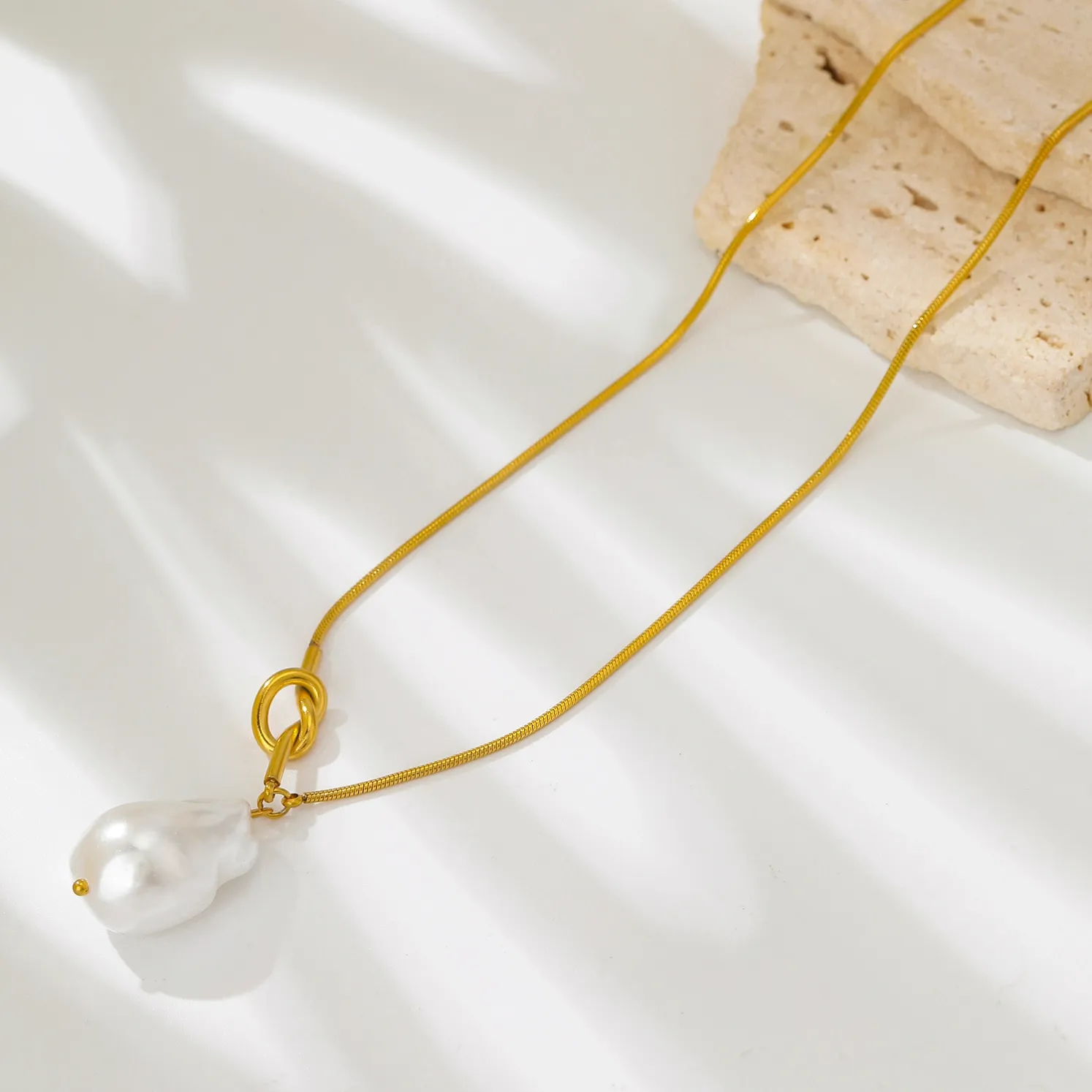
The environmental impact of jewelry depends on more than a metal label: extraction, refining, product lifespan, repair, reuse and recycling all shape the picture.
Stainless steel is often described as a sustainable jewelry material because it is durable and recyclable. That description is directionally useful, but it is not a complete environmental scorecard. Steel still requires mining, alloy production, melting and finishing. Gold, silver, copper, brass and titanium each have different strengths and burdens, and the impact of a finished piece depends on how much material it uses and how long it remains in circulation.
Start With the Full Life Cycle
Takeaway: environmental comparison is a life-cycle question, not a single-material slogan.
Stainless Steel: Strength, Longevity and Recovery
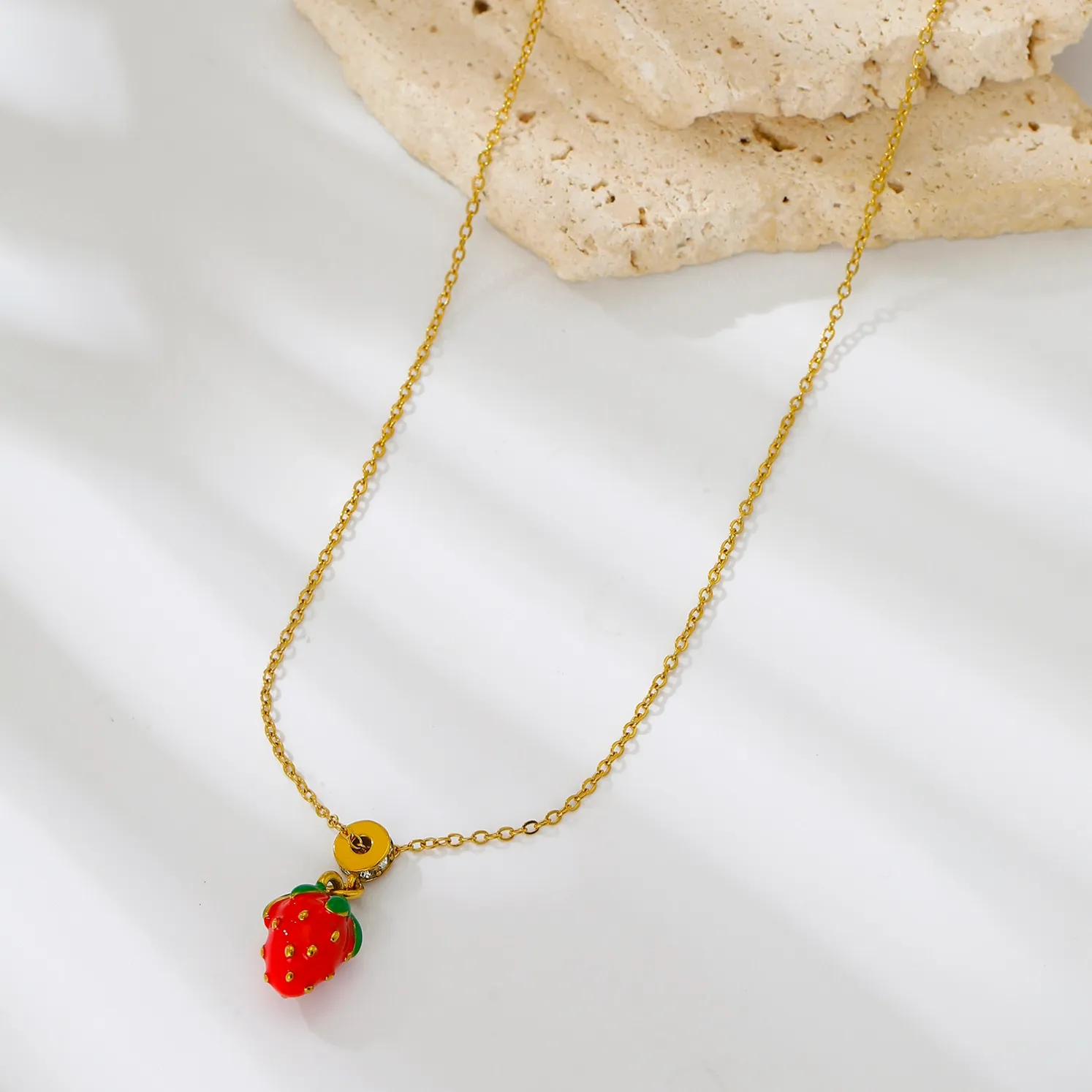
Stainless steel jewelry uses an iron-based alloy with chromium and other elements. Its main environmental advantage in use is durability. A well-made steel piece can resist rust, routine moisture and ordinary impact, which helps it stay in a customer’s rotation rather than being replaced after a short period. Premium jewelry grades such as 316L are available for high-quality or custom specifications and are valued for stable everyday performance.
Steel is also widely recyclable as a metal. Recycling still requires collection, sorting, transport and melting, but the material can re-enter industrial production rather than remaining permanently locked in a landfill. Jewelry is small and can be lost in mixed waste, so recyclability only matters when the owner actually sends it into an appropriate metal recovery or take-back route.
Takeaway: stainless steel’s strongest environmental case is long service life plus a realistic path to metal recovery, not zero impact.
Stainless Steel Compared With Copper and Brass
Copper is valuable because it can be recycled repeatedly and has a long history in industrial recovery systems. It is also relatively workable and appears in many alloys. In jewelry, however, copper’s surface reacts more readily with moisture and skin chemistry. That does not automatically make it environmentally worse; it means the product may need more polishing or may be replaced sooner if the owner wants a bright, unchanged surface.
Stainless steel generally needs less surface intervention during use. Its harder, more stable surface supports chains, rings and bracelets that stay in service through ordinary routines. Copper and brass remain strong choices where warm patina, artisan texture and repairable design are central. Environmental performance improves when the customer values the material’s natural aging rather than discarding it for changing color.
Material | In-use strength | Surface behavior | End-of-life opportunity |
|---|---|---|---|
Stainless steel | High for daily jewelry | Stable; scratches are mainly cosmetic | Broad metal-recycling pathways |
Copper | Moderate; softer and reactive | Patina develops visibly | Strong recovery value and established recycling |
Brass | Moderate | Can darken as coatings or surfaces wear | Recoverable as a copper alloy |
Silver | Softer; design-dependent | Tarnishes but can be polished | Valuable metal; recovery is attractive |
Gold | Durable, depending on karat and design | Generally stable in solid form | High-value recovery and reuse |
Titanium | High and lightweight | Stable oxide surface | Recyclable, though collection routes vary |
Takeaway: copper and brass can be responsible long-life materials when aging is accepted; steel reduces maintenance and replacement pressure for stable-look jewelry.
Stainless Steel Compared With Silver and Gold
Silver has a strong circular advantage because its value encourages recovery. It tarnishes, but tarnish is reversible with proper cleaning, and a well-made silver piece can remain in use for decades. Its softness can bring scratches and deformation, especially in thin designs, yet repair and polishing can extend the life of a cherished piece. Recycled content and documented sourcing matter more than the word “silver” alone.
Gold also has exceptional recovery value. Solid gold jewelry can be resold, resized, melted and remade, which supports a long circular life. Mining can carry significant environmental and social burdens, however, so the responsible comparison depends on sourcing, recycled content, weight and how long the piece remains valuable to its owner. A gold-color coating over another base metal should not be confused with solid gold’s recovery profile.
Stainless steel usually has a lower resale value per piece, but its advantage is practical accessibility and resistance to everyday damage. A steel bracelet that remains attractive for years may avoid repeated replacement. The two models are different: precious metals preserve value through material worth, while steel often preserves usefulness through durability and low maintenance.
Takeaway: gold and silver can be powerful circular materials because value supports recovery; steel earns its place through long use and dependable performance.
Design Choices That Lower Impact
Material selection is only the first design decision. Use enough metal to create a durable piece, but avoid unnecessary weight and decorative parts that cannot be separated. Smooth, repairable construction is easier to clean and more likely to remain wearable. Standardized clasps and replaceable components can keep an otherwise good piece in circulation.
Finish selection also matters. Plain stainless steel has no decorative coating to refresh. Brushed and polished surfaces can both last, although their scratch patterns look different. PVD 18K gold plated steel can offer a durable gold-color option, but product descriptions should explain that the coating gradually wears at high-friction points after extended use. Honest care guidance helps customers keep a piece longer.
Takeaway: durable design, repairability, restrained packaging and honest finish guidance can matter as much as the base metal.
Care, Reuse and Recycling at Home
The greenest piece is often the one already owned. Store jewelry separately, wipe away sweat and cosmetics, and use mild cleaning rather than aggressive products. Avoid replacing a piece simply because a polished surface has acquired fine marks. For a wider view of steel’s end-of-life options, read can stainless steel jewelry be recycled.
Do not put jewelry into a recycling stream merely because the word “recyclable” appears in a description. Local programs differ, and small items may be rejected or lost during sorting. Ask a local recycler or jeweler what they accept and keep the piece out of general waste whenever a trustworthy recovery route is available.
Takeaway: durability matters most when owners keep, repair, reuse and correctly recover the piece.
A Practical Buying Framework
For a jewelry business, ask suppliers about material grade, recycled content where documented, finish construction, repair options and end-of-life guidance. Avoid absolute claims such as “zero-impact,” “fully sustainable” or “carbon-free” without evidence. Describe what you can verify: durable construction, material identification, coating type, care instructions and a take-back or recycling pathway if one exists.
Takeaway: the most defensible environmental claim is specific, limited and connected to a real product practice.
Frequently Asked Questions
Is stainless steel jewelry environmentally friendly?
Stainless steel can be a lower-waste choice when its durability keeps a piece in use for many years and the metal is recovered at end of life. It still requires mining, alloying, melting and finishing, so it is not impact-free. Recycled content, product weight, energy sources and actual use all affect the comparison.
Is copper more sustainable than stainless steel?
Neither material wins in every situation. Copper has strong recovery value and can be recycled, while stainless steel often offers greater resistance to daily damage and stable appearance. A copper piece worn for decades can perform well environmentally; so can a steel piece that avoids frequent replacement. Use, sourcing and recovery decide the outcome.
Can stainless steel jewelry be recycled?
Stainless steel is recyclable, but small jewelry items may not be accepted by every household program. Ask a local metal recycler or jeweler about collection, especially when the piece includes stones, coatings, solder or mixed materials. Reuse, repair and resale are also valuable ways to keep the metal in circulation.
Does PVD 18K gold plated steel have the same impact as solid gold?
No. PVD 18K gold plated steel is a steel item with a gold-color surface coating, not solid gold. It can provide long use on a stable base, but the coating may thin after years of friction. Solid gold has a different sourcing, value, resale and recovery profile that should not be merged with plated steel.
What is the most sustainable jewelry metal?
There is no universal winner because mining, recycled content, energy, weight, manufacturing, durability and end-of-life recovery vary. The strongest general strategy is to buy a well-made piece you will wear for years, repair or pass it on, and use a trustworthy recycling route when it is no longer wanted.
Wholesale Stainless Steel Jewelry from IVANDA
Looking for a reliable stainless steel jewelry supplier? IVANDA supplies 316L pieces with PVD 18K gold plating - waterproof, skin-friendly and made for everyday wear. MOQ 60 pcs per style, in stock and ready to ship, with OEM/ODM services for custom designs. Message us on WhatsApp or email sales01@ivanda-fa.com for the latest catalog and wholesale prices.