Oct 26, 2026
Cubic Zirconia vs Crystal: Which Is Right for You?
Cubic zirconia vs crystal compared: brilliance, hardness, water resistance and best uses — so you can choose the right stones for stainless steel jewelry.
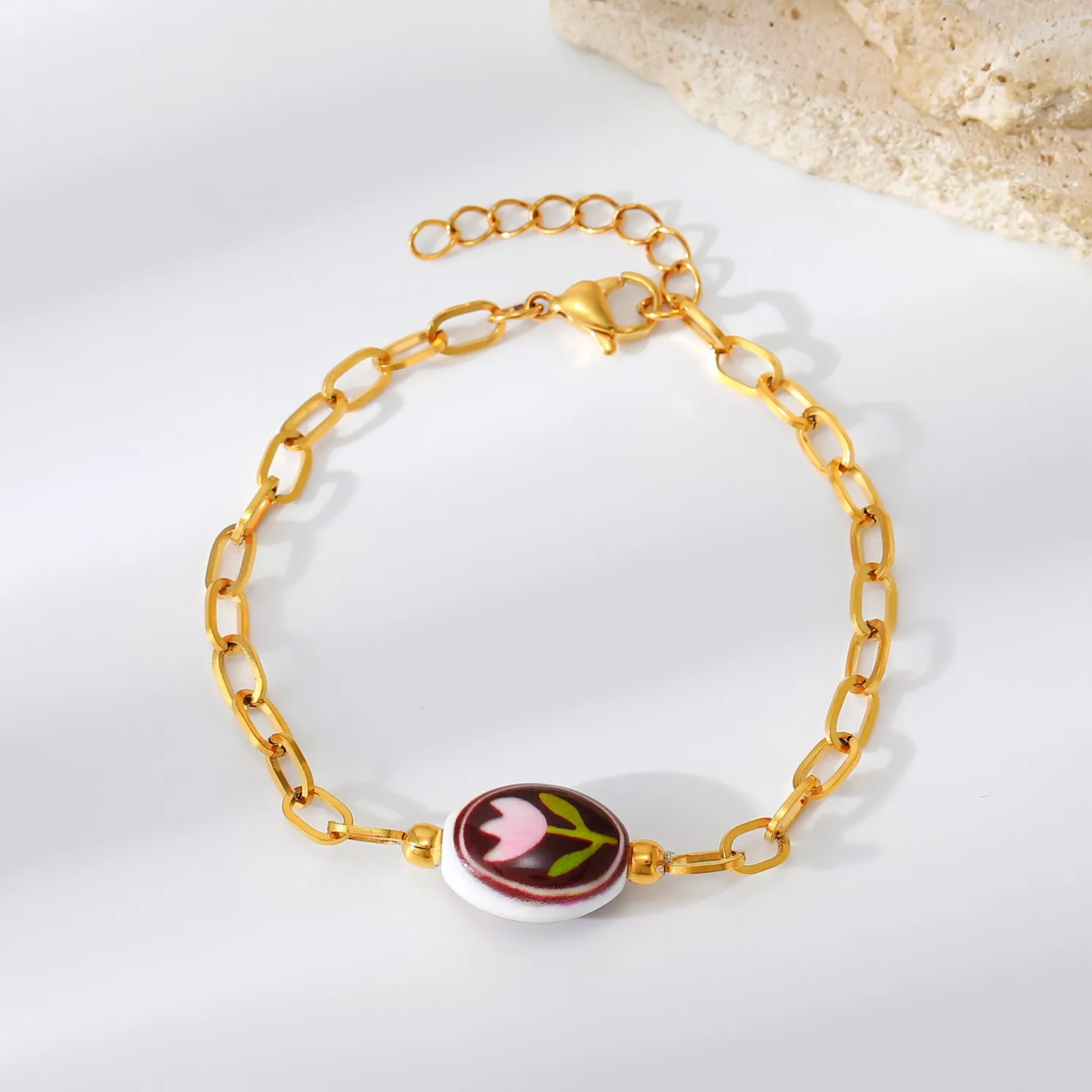
Cubic zirconia wins on hardness, brilliance and water tolerance, which makes it the better match for everyday stainless steel jewelry; crystal wins on color range and cut variety, which makes it shine in occasion pieces. That one sentence is the whole cubic zirconia vs crystal decision in brief — but the reasoning behind it is worth understanding, because it changes which stones you pick for which designs and how long each choice keeps looking good.
This guide compares the two stone types on material, sparkle, durability and care, then maps each to the situations where it performs best.
What Cubic Zirconia Actually Is
Cubic zirconia is a lab-created stone made from zirconium dioxide — it is engineered, not mined, which is why it is flawless, colorless by default and consistent from piece to piece.
Because it is grown under controlled conditions, cubic zirconia has no natural inclusions, and its optical properties can be tuned deliberately. Trace elements produce colored versions — champagne, gray, pink and beyond — while the classic colorless form is the one most used as a diamond alternative. It is also noticeably dense, which gives set stones a satisfying, substantial feel in a ring or pendant.
In stainless steel jewelry, CZ is the standard choice for solitaire-style rings, tennis bracelets and pavé bands, because it is cut with the same facet patterns used for fine diamonds and returns light in a similar way.
What "Crystal" Means in Jewelry
In jewelry, "crystal" almost always means precision-cut glass — not gemstone quartz — and that distinction explains nearly every difference in how it behaves.
The word causes confusion because it legitimately describes two different things. Natural crystal (quartz) is a mined gemstone used in fine and artisan jewelry. But in the fashion jewelry context — and in almost every product listing that says "crystal" — the word refers to cut and polished glass, often with coatings or reflective backings that boost its sparkle.
That glass construction is not a flaw; it is a feature. Glass can be cast and cut into shapes quartz cannot manage, coated in gradients and color-shifting films, and produced in a wider palette than any lab can engineer in cubic zirconia. Crystal beads and rhinestones dominate costume jewelry and occasion pieces for exactly these reasons.
Cubic Zirconia vs Crystal: Side by Side
Cubic zirconia is the harder, brighter and more water-tolerant stone; crystal is the more colorful, more varied and more shape-flexible one — each excels where the other compromises.
Property | Cubic zirconia | Crystal (cut glass) |
|---|---|---|
Material | Lab-created zirconium dioxide | Precision-cut glass, often coated |
Hardness | Around 8–8.5 on the Mohs scale | Roughly 5–6 on the Mohs scale |
Sparkle | High light return, strong fire | Softer sparkle; coatings add color flashes |
Color range | Colorless plus engineered tints | Extremely wide, including gradients and coatings |
Water exposure | Tolerates showers and daily wear well | Foil-backed stones can dull; coatings can fade |
Consistency | Flawless and uniform | Varies by cut quality and coating |
Typical role | Everyday rings, studs, tennis lines | Evening drops, beads, costume accents |
Sparkle: Why They Shine Differently
Cubic zirconia sparkles brighter, crystal sparkles more colorfully — and which looks better depends entirely on the light you will be standing in.
Cubic zirconia has a high refractive index, meaning it bends light strongly and throws much of it back to the viewer. Its sparkle reads as intense white brilliance with rainbow flashes — the "fire" people associate with diamonds — and it holds that effect even in dim restaurants or evening light, because it does not depend on external coatings.
Crystal works differently. Glass returns less light on its own, so manufacturers compensate with facet count, mirrored foil backs and coatings that split light into color. The result is a softer, multicolored shimmer that is beautiful in bright and changing light, but noticeably quieter in a dim room. Neither effect is better; they are different instruments.
Durability: Water, Scratches and Years of Wear
Cubic zirconia resists the scratches of daily life far better; crystal's weaknesses are chipping, moisture damage to foil backs and gradual coating wear.
On the Mohs scale, cubic zirconia sits around 8–8.5 — harder than most things it will meet in a handbag or a gym bag — while ordinary glass sits around 5–6, soft enough to pick up fine scratches and edge chips over time. Cubic zirconia also tolerates water, sweat and humidity without change; when it looks dull after months of wear, the cause is almost always a film of soap or skin oils on the surface, and a gentle cleaning restores it completely.
Crystal needs more consideration. Water itself does not harm solid glass, but many rhinestones have a foil backing that moisture can cloud, and surface coatings can fade with years of friction. This is why crystal pieces belong in the occasion tier — worn deliberately, stored carefully, and dried after unexpected rain — while CZ pieces can handle being lived in. If you are deciding which stones suit never-take-off jewelry, our guide to jewelry that does not tarnish covers the full material picture.
Which Should You Choose?
The rule of thumb: the more often a piece is worn and the more water it meets, the more cubic zirconia makes sense; the more a piece is about color and drama, the more crystal makes sense.
Use case | Better choice | Reason |
|---|---|---|
Everyday ring or studs | Cubic zirconia | Hardness and water tolerance for constant wear |
Tennis bracelet | Cubic zirconia | Wrists knock things; CZ shrugs it off |
Evening drop earrings | Crystal | Low-impact wear suits glass; color reads well |
Colorful statement piece | Crystal | Coatings and gradients CZ cannot match |
Travel-proof favorites | Cubic zirconia | No special care needed |
Occasion pieces with drama | Either — set in bold designs | Both carry large layouts well |
Most collections sensibly use both: cubic zirconia for the pieces that never come off, crystal for the pieces that come out on the nights that matter.
Caring for Set Stones and Their Settings
Clean both stone types with lukewarm water, mild soap and a soft brush, but treat their settings gently — the metal around a stone deserves as much care as the stone itself.
For cubic zirconia, the main enemy is surface film, so a periodic soft-brush clean keeps brilliance at its original level; it does not fade with time in the way coatings do. For crystal, dry pieces promptly after exposure to moisture and store them away from other jewelry to protect coatings and foil backs.
One honest note on settings: many gold-tone stainless steel pieces are finished as PVD 18K gold plated, and while that plating is dense and water-resistant, it lightens gradually over years at high-friction points such as prong edges and band undersides — the stones stay bright, but the setting matures. Rotating pieces slows that process. To understand why these finishes perform as they do, see our explainer on the science of PVD coating in jewelry, and for surface pairing ideas, our stainless steel finishes guide shows how polish levels change a set stone's sparkle.
Frequently Asked Questions
Does cubic zirconia look cheap?
Not by itself. Well-cut cubic zirconia returns light intensely and reads as bright, clean sparkle — the "cheap" impression usually comes from poor setting work, milky low-grade stones or designs trying to imitate fine jewelry too literally. In a well-made stainless steel setting, CZ reads as modern fashion jewelry, which is precisely the category it dominates.
Does cubic zirconia lose its sparkle over time?
Not permanently. Cubic zirconia does not fade or cloud internally, but its surface collects films of soap, lotion and skin oils after months of wear, which dim the sparkle. A wash in lukewarm water with mild soap and a soft brush removes the film and restores the original brilliance. Surface scratches from hard impacts are the only lasting dulling risk.
Can cubic zirconia and crystal jewelry get wet?
Cubic zirconia handles water without issue — showers, swimming and humidity leave it unchanged, though rinse off chlorine and dry the piece afterward. Crystal glass tolerates brief splashes, but foil-backed stones can cloud with trapped moisture and coatings can wear faster when wet often. Keep crystal pieces for dry occasions and dry them promptly if surprised by rain.
Which one looks closer to a diamond?
Cubic zirconia, clearly. It was engineered to imitate diamond optics: colorless, highly refractive and cut in identical facet patterns, so it produces the same white brilliance and rainbow fire. Crystal produces a softer, more colorful shimmer that is attractive on its own terms but visibly different. At a glance across a room, CZ is the one that reads as fine jewelry.
Is crystal in jewelry a gemstone?
Usually not. In fashion jewelry, "crystal" means precision-cut glass — sometimes leaded formulations, more often modern lead-free glass — enhanced with facet cuts, coatings or foil backs for sparkle. Natural crystal gemstones like quartz are a separate product used in fine and artisan jewelry. If a listing simply says "crystal," it almost always means cut glass, so check the description for confirmation.
Wholesale Stainless Steel Jewelry from IVANDA
Looking for a reliable stainless steel jewelry supplier? IVANDA supplies 316L pieces with PVD 18K gold plating - waterproof, skin-friendly and made for everyday wear. MOQ 60 pcs per style, in stock and ready to ship, with OEM/ODM services for custom designs. Message us on WhatsApp or email sales01@ivanda-fa.com for the latest catalog and wholesale prices.