Oct 27, 2026
Daily vs Occasion Jewelry: The Weekly Rotation Plan
A practical daily vs occasion jewelry plan: a seven-day rotation table for stainless steel pieces, plus the care habits that keep both tiers looking new.
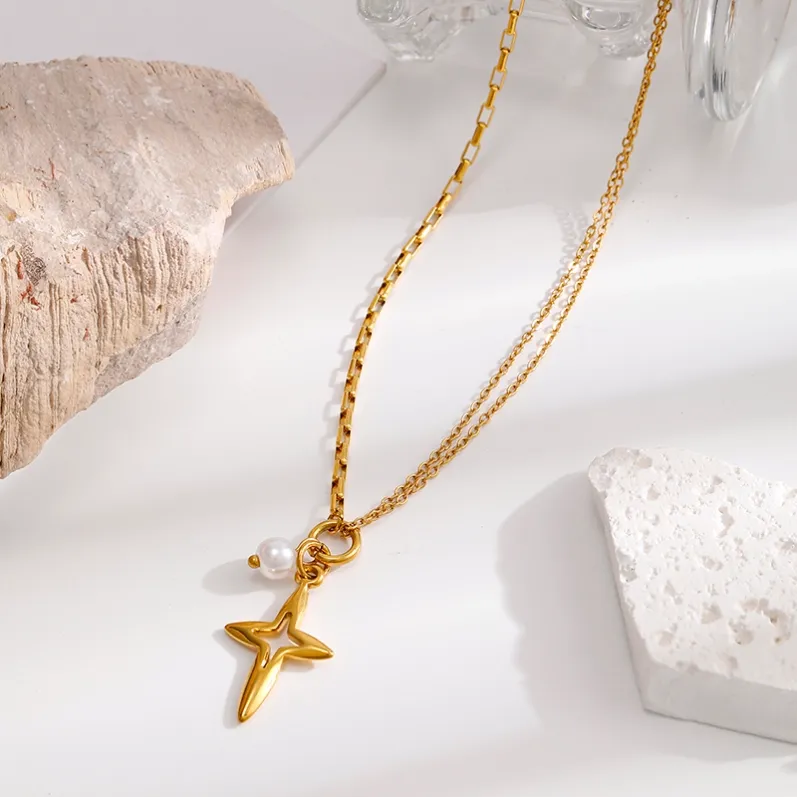
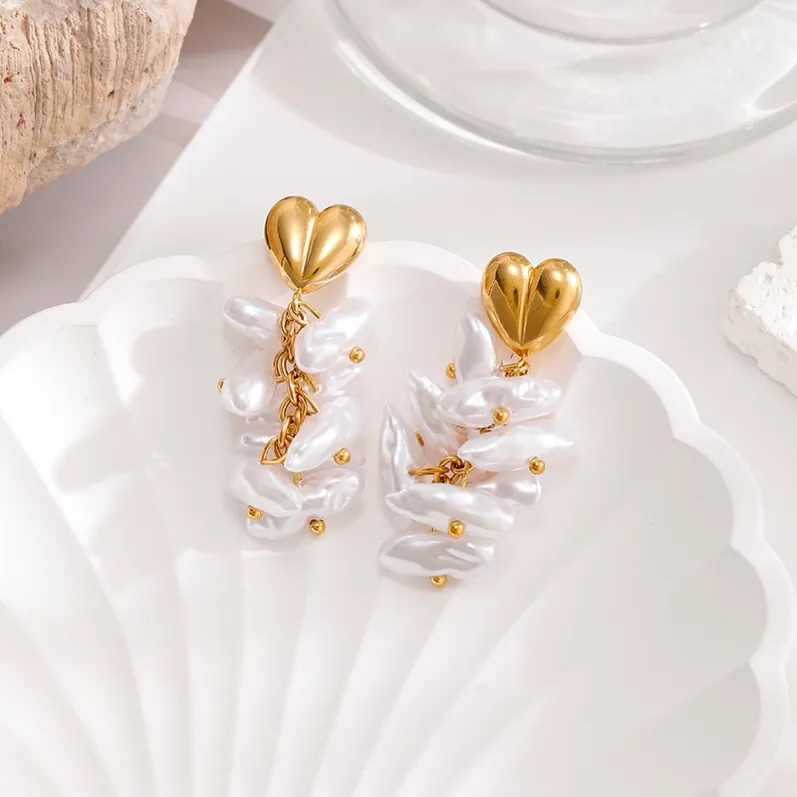
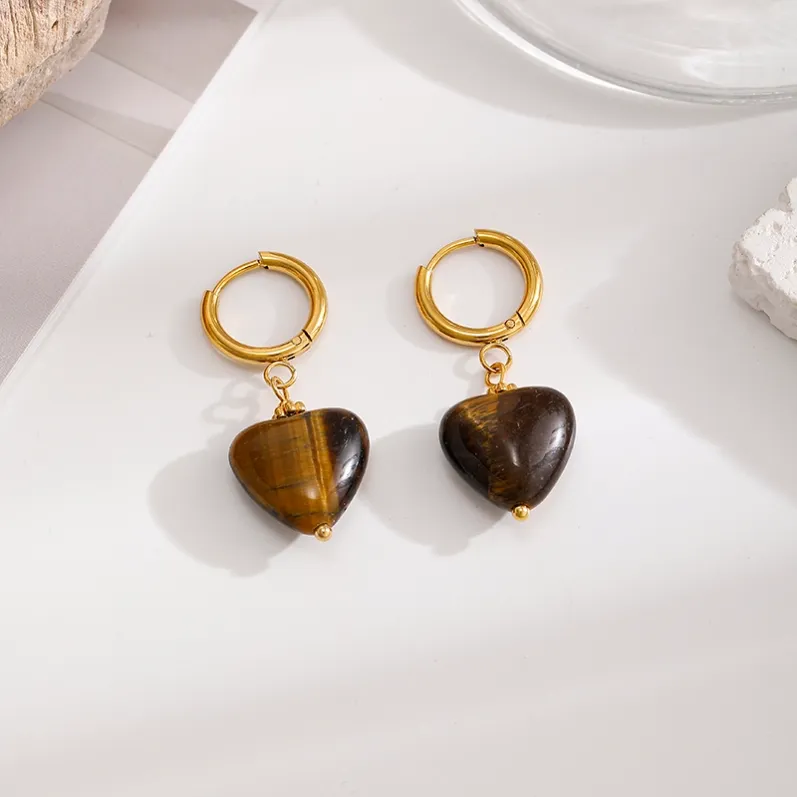
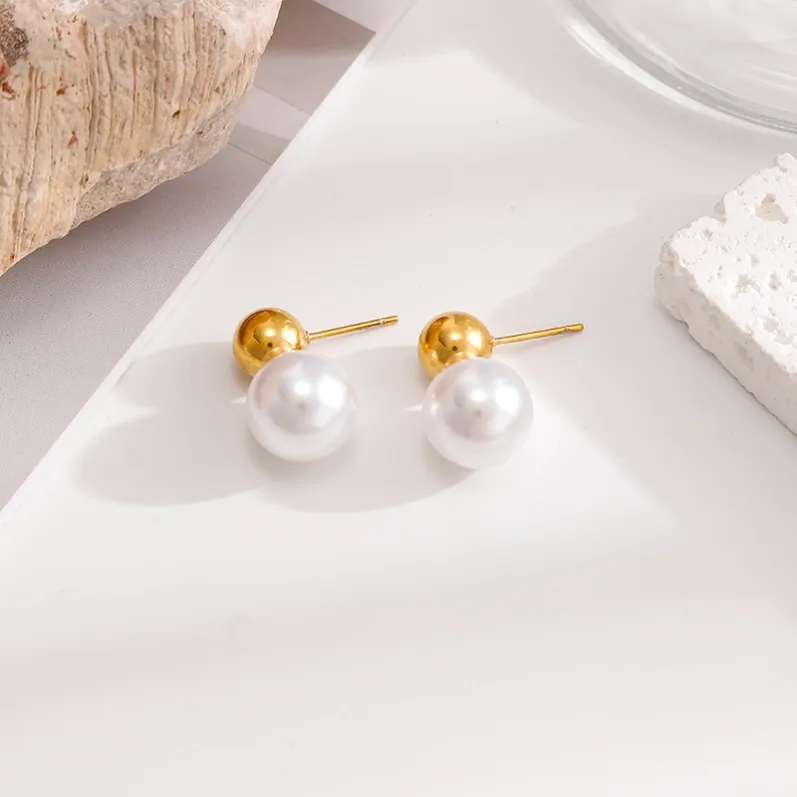
The smartest answer to daily vs occasion jewelry is not "some pieces forever, some pieces never" — it is a weekly rotation that gives every piece the right job. Stainless steel makes this easy: the material is strong and water-tolerant enough for daily duty, while PVD 18K gold plated finishes give you occasion-level polish without occasion-level anxiety. Below is the actual rotation we recommend, laid out day by day, so you can copy it as-is or adapt it to your own week.
Why a Rotation Beats an All-or-Nothing Rule
Most jewelry damage is cumulative, not dramatic — rotation spreads that wear across a small collection instead of loading it all onto one piece.
We have already mapped the two-tier system — which pieces are built for everyday duty and which deserve occasion-only status — in our guide to daily vs occasion wear jewelry. That framework tells you what each piece is. This article tells you what to do with that list: how to arrange a week so that delicate-feeling pieces only work short, low-friction shifts, while the workhorses absorb the commuting, typing and gym sessions. Rotation also has a quieter benefit: pieces you love get rest days, clasps get inspected weekly instead of yearly, and nothing in your box becomes invisible.
What Makes a Piece "Daily" or "Occasion"?
The dividing line is friction and exposure, not price or sparkle — anything that survives hands, water and bags can go daily.
Criterion | Daily piece | Occasion piece |
|---|---|---|
Friction | Handles cuffs, bags, keyboards | Worn short hours, low contact |
Water | Fine with handwashing and showers | Kept dry where possible |
Finish | Steel tones, brushed, textured | PVD 18K gold plated, high polish |
Stones | Bezel-set or plain surfaces | Prong-set crystals and CZ |
Loss risk | Secure clasps, low profile | Statement shapes, longer drops |
Read the table as tendencies, not laws. A well-made PVD 18K gold plated pendant on a sturdy chain can absolutely be a daily piece — the occasion label is really about protecting the pieces with fine details, long drops and prong-set stones from constant abrasion.
The Weekly Rotation Table
Here is the core of this guide — a seven-day rotation you can copy as-is or adapt to your own schedule.
Day | Typical scene | Wear | Why it works |
|---|---|---|---|
Monday | Office, commute | Steel-tone chain + small studs | Low friction under a collar; hides neatly under headphones |
Tuesday | Gym or sports day | Plain steel band, or nothing | Sweat and equipment scratch finishes and loosen stones |
Wednesday | Office, meetings | PVD 18K gold plated pendant | A dry, indoor day gives the plated finish an easy shift |
Thursday | Errands, constant handwashing | Steel hoops, thin bracelet | Easy to rinse and dry repeatedly without drama |
Friday | Dinner or event | Statement earrings + PVD 18K gold plated ring | Short wear window, minimal abrasion, maximum effect |
Saturday | Outdoors, market, coast | Brushed steel, plain bands | Texture hides sand and sweat exposure |
Sunday | Rest day | Your favorite everyday pieces | Low exposure — and the day for the weekly clean |
Two rules make the table work. First, gold and steel tones can share a day, but give each tone its rest days so no single finish carries every morning of the week. Second, when the scene changes — a Friday dinner after an office day — swap pieces at home rather than stacking more on top. Rotation is about fewer pieces per day, not more.
Where PVD 18K Gold Plated Fits the Week
Plated pieces belong in a rotation just as much as steel tones do — you simply schedule them for their best days instead of banning them.
PVD coating is applied in a vacuum chamber and bonds to the steel at a molecular level, which is why it outlasts ordinary electroplating by years. Still, be honest about physics: across a long time, high-friction spots — ring edges, bracelet clasps, pendant backs — gradually soften in brightness, and salt, chlorine and constant rubbing speed that up. Scheduling PVD 18K gold plated pieces for dry, low-friction days, like the Wednesday office shift above, is not preciousness; it is how you stretch "years" into "many years."
The Sunday Reset
One weekly session keeps the whole rotation honest: clean what you wore, inspect what you will wear, and store everything dry.
Sunday evening, empty the week's pieces onto a soft cloth. Wash them in lukewarm water with a drop of mild soap, brush chains and the area around settings with a soft toothbrush, dry fully, and bag them separately. Check clasps and earring backs as you go — a loose clasp found on Sunday is a non-event; found on Monday it is a lost earring. For pieces that already look cloudy or dull, use the deeper method in how to clean tarnished stainless steel jewelry. And remember that daily wear includes water exposure: our guide to showering with stainless steel jewelry explains when water is harmless and when it becomes part of the problem.
When the Two Tiers Meet
The cleanest wardrobe moment is when a daily piece graduates into occasion wear: the thin chain you have worn for months suddenly becomes the layering base under a statement pendant at a wedding. Steel makes this crossover painless — because the everyday piece never looks tired, it can always step up. Build the rotation with that promotion in mind, and your occasion drawer becomes an accent layer rather than a separate jewelry life.
Frequently Asked Questions
Short answers to the questions this rotation always raises.
Can I wear the same stainless steel necklace every day?
You can, and many people do — a plain steel chain is one of the most durable daily pieces you can own. The case for rotation is not that the necklace will fail, but that a rest day lets you clean it properly, inspect the clasp, and stop film building up inside the links. Two or three chains alternating is the practical sweet spot.
Which pieces should stay occasion-only?
Anything with long drops, fine prong-set stones, or delicate detailing that can snag. Statement earrings and elaborate cocktail-style rings earn that label because their weak points — long structures, sharp settings — meet daily friction badly. Wearing them short and dry, on the days that matter, keeps them dramatic for years instead of months.
Does rotating jewelry actually make it last longer?
Yes, and for unglamorous reasons. Rotating spreads abrasion across several pieces instead of concentrating it on one, gives each piece regular cleaning opportunities, and surfaces small problems — loose stones, tired clasps — early. The finish on any given piece wears roughly in proportion to the hours it spends against skin, bags and water, and rotation directly reduces those hours.
How many pieces does a working rotation need?
Fewer than most people expect. One steel-tone daily set, one gold-tone set on PVD 18K gold plated steel, one plain band for workouts, and one or two occasion pieces cover a full week with rest days to spare. A rotation fails when the collection grows faster than the habit of cleaning it — keep the box small and the Sunday reset short.
How do I stop gold-tone pieces fading in a rotation?
Give them low-friction shifts, rinse and dry them after sweaty days, and store them separate from steel pieces so nothing rubs against them. Accept the honest limit: PVD 18K gold plated finishes hold their color for years of normal rotation, but every gold tone on any metal gradually softens at contact points over time. Rotation, more than any product, is what keeps that process slow.
Wholesale Stainless Steel Jewelry from IVANDA
Looking for a reliable stainless steel jewelry supplier? IVANDA supplies 316L pieces with PVD 18K gold plating - waterproof, skin-friendly and made for everyday wear. MOQ 60 pcs per style, in stock and ready to ship, with OEM/ODM services for custom designs. Message us on WhatsApp or email sales01@ivanda-fa.com for the latest catalog and wholesale prices.