Oct 26, 2026
Stainless Steel Jewelry Sizing Guide for Every Piece
A complete jewelry sizing guide for stainless steel: ring sizes, bracelet fits and necklace chain lengths, so you order the right size the first time.
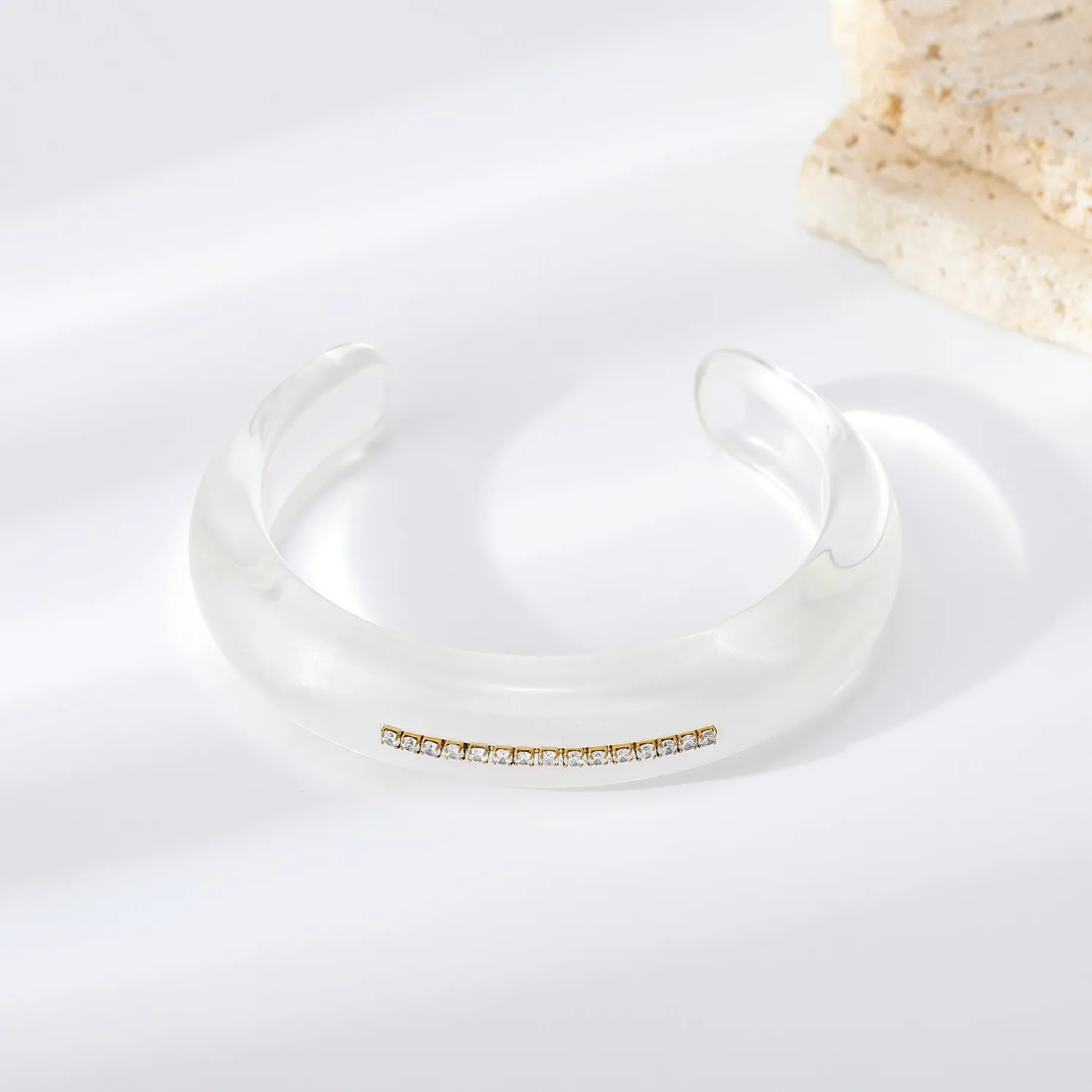
Stainless steel jewelry sizing has one rule that outweighs everything else: steel is too hard to resize, so the fit has to be right on day one — which makes a practical jewelry sizing guide the single most useful reference a wearer or a wholesale buyer can keep. This guide covers rings, bracelets and necklace chains, with the charts and habits that prevent sizing mistakes before they happen.
Why Sizing Stainless Steel Is Different
The same hardness that makes stainless steel durable also makes it the hardest jewelry material to resize — so every purchase should start with a measurement, never a guess.
Gold and silver rings can be stretched, cut and re-soldered by almost any local workshop. Stainless steel cannot: its hardness defeats standard resizing tools, and many jewelers simply decline the job. That is not a defect — it is exactly why steel jewelry keeps its shape, resists scratches and survives years of daily wear. But it changes the buying logic completely.
With softer metals, a wrong size is a repair bill. With stainless steel, a wrong size is usually the end of that piece. The fix is simple and free: measure properly once, using the methods below, and order the correct size from the start. Everything else in this jewelry sizing guide builds on that one habit.
Ring Sizing: The Millimeters That Matter
Ring size is just the ring's inner diameter in millimeters — once you know that number, any size system becomes a quick lookup instead of a gamble.
US size | Inside diameter (mm) | Inside circumference (mm) |
|---|---|---|
5 | 15.7 | 49.3 |
6 | 16.5 | 51.9 |
7 | 17.3 | 54.4 |
8 | 18.1 | 57.0 |
9 | 19.0 | 59.5 |
10 | 19.8 | 62.1 |
Four habits produce an accurate number:
- Measure at the end of the day. Fingers are at their largest in the evening; cold morning measurements read small.
- Use the paper-strip method. Wrap a thin strip around the base of the finger, mark where it overlaps, lay it flat and measure in millimeters — that figure is the inside circumference in the table above.
- Size up for wide bands. Bands wider than about 6 mm feel tighter than thin ones on the same finger; going up a quarter to half size is common.
- Respect the knuckle. If the knuckle is much larger than the base of the finger, measure both and split the difference.
If a ring arrives slightly loose, a snug silicone ring guard usually solves it — though note that a guard grips the band at one fixed point, and that pressure spot is where a PVD 18K gold plated finish will show wear first after years of use. One more reason to get the size right instead of patching it. For safe experiments before committing to a purchase, see our walkthrough on how to adjust a stainless steel ring size at home. What you should never plan on is resizing steel later — the measurement is the commitment.
Bracelet Sizing: Wrist First, Style Second
Bracelet sizing is one measurement plus one honest question: how much movement do you actually want on the wrist?
Wrap a soft tape or paper strip around the wrist, just above the wrist bone, snug but not tight. Then pick a fit:
Fit | Extra length over wrist | How it wears |
|---|---|---|
Snug | about +1 cm | Close to the skin, barely moves |
Comfortable | +1.5–2 cm | Slides slightly — the everyday default |
Loose, draped | +2.5 cm or more | Deliberate drape, layers well with watches |
Cuffs and bangles follow different rules. Cuffs are sized by inner circumference plus gap, and they adjust by gentle bending — gently, and only a little, because steel does not forgive repeated flexing. Bangles are the least forgiving of all, since they must pass over the hand: measure across the widest point of the hand with the thumb tucked in, not just the wrist. The full method, including the mistakes that cause most returns, is in our guide to measuring bracelet size at the wrist.
Necklace Chain Lengths: The Chart Worth Saving
Chain length decides where a pendant sits and how a neckline reads — it is the most overlooked measurement in the whole of jewelry.
Length | Name | Where it sits |
|---|---|---|
35–40 cm | Choker | At or just above the collarbone |
45 cm | Princess | Just below the collarbone — the everyday default |
50–60 cm | Matinee | Mid-chest; layers well with 45 cm |
70–90 cm | Opera | Below the chest; wearable long or doubled |
Two rules cover most situations. First, match the chain to the neckline: crew necks carry 45 cm or longer gracefully, while open collars and V-necks flatter shorter chains. Second, when layering, keep about 5 cm between strands so each chain stays visible instead of tangling into its neighbor. Our necklace chain length guide maps lengths to necklines, pendant sizes and layering combinations in detail.
Sizing for Wholesale Buyers
For brands, sizing is an inventory decision as much as a fit decision — stock the sizes people actually buy, and publish millimeters, not letters.
- Anchor on core sizes. In rings, US 6–8 covers most of the market; treat smaller and larger sizes as extensions of the range, not its center.
- Show inner diameter in millimeters on product pages. Buyers convert size letters differently across regions, and millimeters end most "runs small" disputes before they start.
- State the band width and fit style. A 2 mm thin band and an 8 mm wide band in the same nominal size do not feel the same on the hand; say which is which.
- Confirm the size run before committing to a design. Suppliers stock different size ranges per style, and re-ordering a bestseller in a size you skipped is a common and entirely avoidable delay.
- Photograph rings on different finger positions. A band shown at the base of the finger reads differently from one worn higher, and the photo sets expectations the chart cannot.
Frequently Asked Questions
Quick answers to the sizing questions that come up most, from home measurement to stocking a store.
How do I measure my ring size at home without a tool?
Wrap a thin strip of paper around the base of the finger, mark where it overlaps, lay the strip flat and measure it in millimeters. That number is the inside circumference — match it against a size chart. Measure in the evening and repeat two or three times so the reading is consistent before you order anything.
Do stainless steel rings run true to size?
Yes, with one caveat: wide bands feel tighter than thin bands at the same measured size, because they cover more of the finger. If you are choosing a band wider than about 6 mm, moving up a quarter to half size is a reasonable adjustment. Trust millimeter measurements over size letters, since letters vary between countries.
Can a stainless steel ring be resized?
Practically speaking, no. The hardness that makes stainless steel scratch-resistant also defeats standard resizing equipment, and most jewelers decline the work. That is exactly why measuring carefully matters more with steel than with softer metals. A slightly loose ring can be saved with a ring guard; a badly wrong size realistically means replacing the piece.
What is the most popular necklace chain length?
Forty-five centimeters is the universal default: it sits just below the collarbone, works with most necklines and suits most pendant types. If you are buying a first chain or building a core range, start at 45 cm, add a 50–60 cm option for layering, and treat choker lengths as style extras rather than essentials.
How loose should a bracelet be?
Aim for comfortable: about 1.5 to 2 centimeters of extra length over your exact wrist measurement. You should be able to slip one or two fingers between the bracelet and your wrist. Tighter feels restrictive and stresses the clasp; much looser and the bracelet slides around, catches on objects and lets the clasp wander to the front.
Wholesale Stainless Steel Jewelry from IVANDA
Looking for a reliable stainless steel jewelry supplier? IVANDA supplies 316L pieces with PVD 18K gold plating - waterproof, skin-friendly and made for everyday wear. MOQ 60 pcs per style, in stock and ready to ship, with OEM/ODM services for custom designs. Message us on WhatsApp or email sales01@ivanda-fa.com for the latest catalog and wholesale prices.