Oct 26, 2026
How to Clean Gold Plated Stainless Steel Jewelry
How to clean gold plated stainless steel jewelry safely: a step-by-step method, what to avoid, and habits that keep PVD 18K gold plating bright.
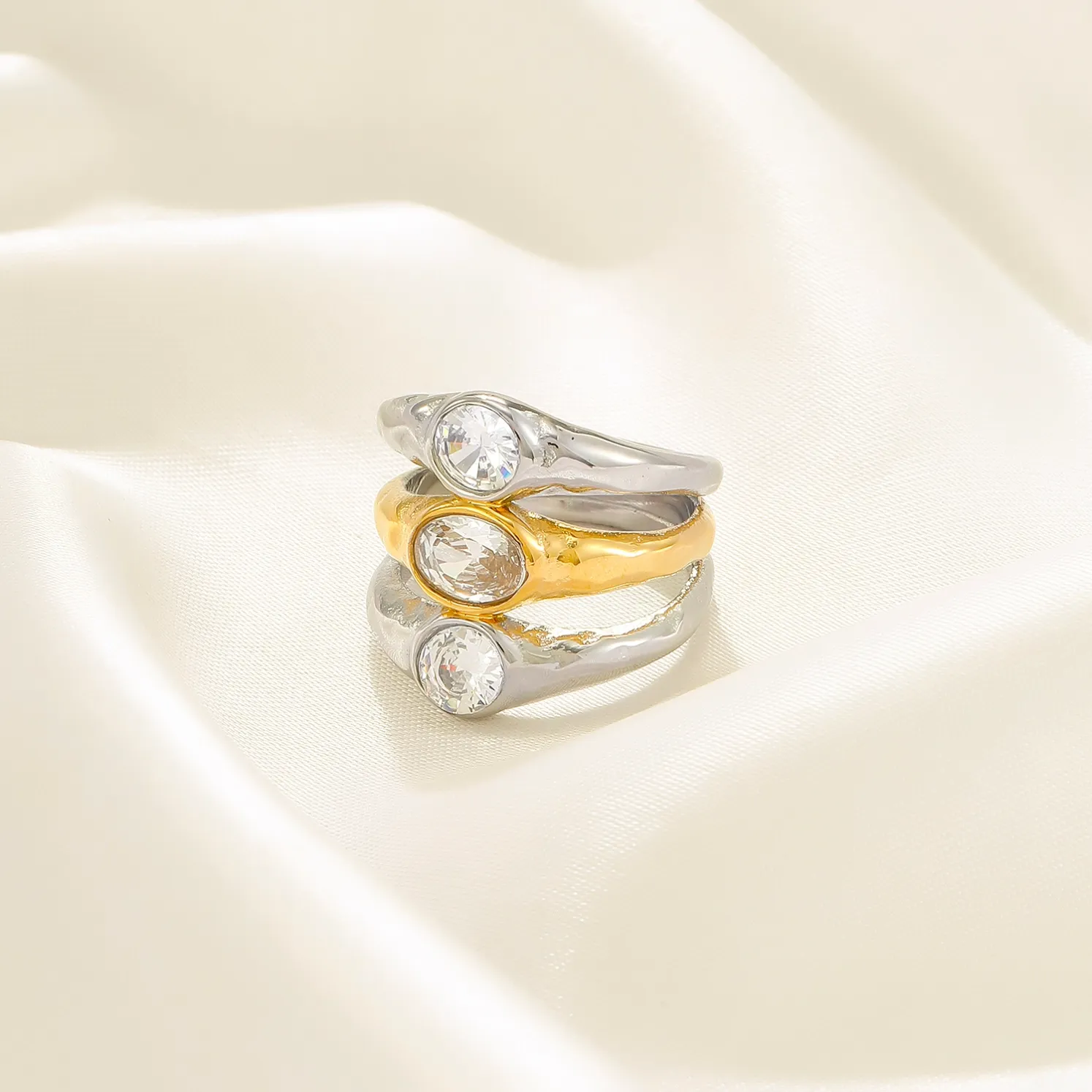
Cleaning gold plated stainless steel is a two-surface problem: the method must lift grime off the finish without scratching through it — and the good news is that the gentlest routine also turns out to be the most effective one.
This guide covers a step-by-step cleaning method, the household items that quietly ruin gold tone finishes, and the habits that keep plating bright for years. The care-card copy near the end can go straight onto product pages.
Know Your Finish First
The right cleaning routine depends on how the gold color was applied, and the difference between plating processes is bigger than most care guides admit.
Classic electroplating deposits a thin surface layer that can wear through within months of daily friction. Pieces made with a PVD 18K gold plated finish sit at the other end of the spectrum: the color is bonded at the molecular level inside a vacuum chamber, making it far more resistant to abrasion, water and sweat. Our guide to the science behind PVD coating for jewelry explains the process. The cleaning routine below is safe for both types — but PVD pieces tolerate years of it, while softer electroplate needs the lightest possible touch.
The Safe Cleaning Method, Step by Step
One routine handles both quick refreshes and deeper cleans: lukewarm water, mild soap, soft cloth, thorough drying.
- Mix the bath. Fill a bowl with lukewarm water and add a single drop of mild dish soap — plain formula, without citrus, abrasives or antibacterial additives.
- Soak briefly. Lay the piece in for two or three minutes to soften skin oils and lotion residue. Never soak overnight.
- Wipe, don't scrub. Clean the surface with a soft cloth using gentle straight strokes. For grime settled into chain links or around a setting, use a soft-bristled brush with almost no pressure.
- Rinse clean. Hold the piece under lukewarm running water to remove every trace of soap, which itself leaves film if it dries on.
- Dry completely. Pat with a soft lint-free cloth, then let the piece air dry fully — especially around clasps and inside links — before storing.
- Finish dry. A light pass with a dry microfiber cloth restores shine. Skip paste polishes entirely.
What Never to Touch the Finish With
The finish is tougher than it looks, but a short list of common household items will still damage it — permanently.
Avoid | Why it damages the plating |
|---|---|
Baking soda and toothpaste | Abrasive pastes micro-scratch the gold tone, dulling it in a way no later cleaning can reverse |
Chlorine bleach | Attacks both the plating and the seams of the base metal |
Silver dip solutions | Formulated for silver chemistry; can strip or discolor a gold tone finish in seconds |
Ultrasonic cleaners | Vibration drives water under plating edges and can loosen set stones |
Paper towels and tissues | Wood-pulp fibers are harsher than they feel and leave fine scratches |
Hand sanitizer and perfumes | Alcohol and solvent content repeatedly applied dulls the surface over time |
When You See Dark Spots at Edges
Dark spots at seams and edges mean exposed base metal, not dirt on the plating — and the response is different.
On a quality base this is rare. Stainless steel bodies — 316L especially — hold up to sweat and water without the pitting that cheaper alloys show, so any dullness across the whole piece is usually soap film or grime, and the routine above clears it. If spots do appear on a lower-grade piece, clean gently, dry it fully, and expect the spotting to limit itself where the plating is thin; no cleaning method removes corrosion that sits under the finish. For general dullness on unplated steel pieces, the deeper routine in our guide to cleaning tarnished stainless steel jewelry covers the options.
Habits That Keep the Finish Bright
A gold tone finish is preserved by habits far more than by any cleaning product.
- Last on, first off. Put jewelry on after dressing, perfume and lotion, and take it off before undressing. Perfume sprayed directly onto plating is the fastest way to dull it.
- Wipe after wear. A ten-second pass with a soft cloth removes the day's sweat and skin oils before they dry onto the surface.
- Store dry and separate. Keep pieces in a pouch or lined box, away from bathroom humidity, and never loose in one compartment where they scratch each other.
- Remove for pools and hot tubs. Chlorine is the aggressive chemical on this list that jewelry actually meets regularly. After sea water, rinse and dry.
- Keep it dry at night. Sleeping in chains kinks links and traps moisture against the plating until morning.
One honest expectation to set: even with perfect care, a PVD 18K gold plated finish worn every day will gradually soften in tone at high-friction points after years of use. Cleaning restores shine and removes grime — it cannot restore color that has genuinely worn away, which is why the habits above matter more the older the piece is.
Care Card Copy You Can Reuse
Short care copy turns aftercare into part of the product experience — this block can go straight onto cards or product pages.
Your piece is 316L stainless steel with a PVD 18K gold plated finish. To clean it, use lukewarm water, a drop of mild soap and a soft cloth, then dry it fully before storing. Avoid abrasives, chlorine and silver dips. Put it on last, take it off first, and store it dry and separate from other jewelry.
Adapt the wording to your tone, but keep the four load-bearing rules: mild soap only, soft cloth only, full drying, and the last-on-first-off habit. Every customer service question about dull plating traces back to one of those four being skipped.
Frequently Asked Questions
Quick answers for customer service and product page FAQs.
Can I shower with gold plated stainless steel jewelry?
With a 316L base and a PVD 18K gold plated finish, occasional showers are fine — the base metal resists water and the plating bonds too well to wash off. The real issue is buildup: soap and shampoo leave a film that dulls the surface over weeks. Rinse the piece with clean water and dry it after showering, and the habit costs nothing in shine.
Can I use baking soda to clean gold plated jewelry?
No. Baking soda is a mild abrasive, and abrasives are the one category of cleaner that permanently damages plating — they scratch the gold tone surface, and scratched plating cannot be polished back because the layer is too thin to buff. The same applies to toothpaste and scouring powders. Stick to the mildest possible method: lukewarm water, mild soap and a soft cloth.
How long does PVD 18K gold plating last?
Honestly stated: for years of regular wear, but not forever. Because PVD bonds the color into the surface rather than onto it, pieces keep their tone far longer than classic electroplating — often through years of daily wear — but friction concentrates wear at high points like clasp edges and ring tops. Care habits, storage and rinsing after swimming all extend the practical life further.
Why is my gold plated jewelry turning dull?
Almost always surface buildup rather than lost color. Soap film, lotion residue and skin oils dry into a thin grey-gold layer that mutes the shine, and a proper clean with mild soap and water usually restores it completely. If dullness survives cleaning, check for fine scratches from abrasive cleaners or paper towels. True color loss only appears after long wear and shows first at edges.
Can I use a jewelry polishing cloth on PVD gold plating?
A dry, plain microfiber or cotton jewelry cloth is ideal and safe for regular use. Be more careful with cloths impregnated with polishing compound: those are designed for solid metal, and the compound is a mild abrasive that will slowly thin any plating. If you use one at all, keep it to rare, light passes — and never substitute it for washing the piece with soap and water.
Wholesale Stainless Steel Jewelry from IVANDA
Looking for a reliable stainless steel jewelry supplier? IVANDA supplies 316L pieces with PVD 18K gold plating - waterproof, skin-friendly and made for everyday wear. MOQ 60 pcs per style, in stock and ready to ship, with OEM/ODM services for custom designs. Message us on WhatsApp or email sales01@ivanda-fa.com for the latest catalog and wholesale prices.