Oct 31, 2026
How to Clean Stainless Steel Jewelry with Baking Soda
How to clean stainless steel jewelry with baking soda: the paste ratio, easy steps, which pieces to avoid, and how it compares to commercial cleaners.
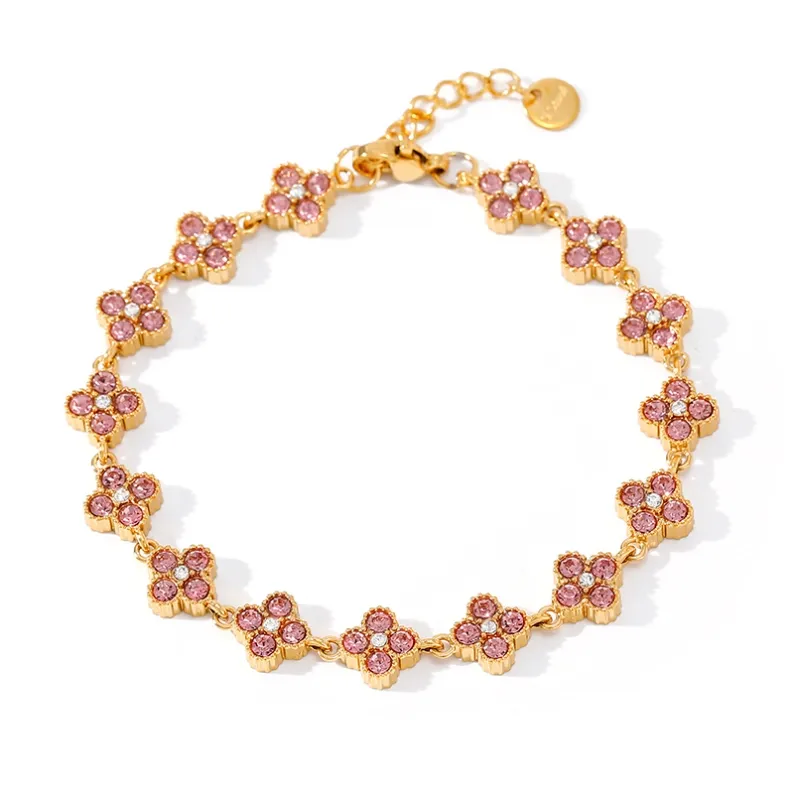
Baking soda is one of the simplest ways to clean stainless steel jewelry at home — but the paste ratio, the pressure you use, and knowing which pieces to skip matter more than the ingredient itself.
Stainless steel jewelry shrugs off water, sweat and daily handling — but it is not self-cleaning. Lotion, sunscreen and skin oils build up over weeks, turning a bright finish dull. A baking soda paste lifts that grime in minutes with something already in your kitchen cupboard.
This guide covers the exact recipe, the step-by-step method, the pieces to skip, and an honest comparison with commercial cleaners.
Why Baking Soda Works on Stainless Steel
Baking soda is a mild alkali with fine, soft crystals — enough friction to lift grime, not enough to scratch steel when you use a light touch.
Sodium bicarbonate dissolves into a mildly alkaline solution that breaks down the two things that dull jewelry: greasy films from lotion and sunscreen, and slightly acidic residue from sweat and air. The undissolved crystals meanwhile act as a very fine abrasive — much gentler than scouring powder.
The key word is gentle. The crystals are soft relative to steel, so the paste polishes rather than gouges. Damage comes from how people apply it — stiff brushes, scouring pads, or grit trapped in a cloth — not from the powder itself.
The Paste Recipe and Ratio
Two parts baking soda to one part water makes a paste thick enough to cling without dripping into chain links or settings.
Ingredient | Amount | What it does |
|---|---|---|
Baking soda | 2 tablespoons | Mild abrasive that lifts grime |
Warm water | 1 tablespoon | Turns the powder into a workable paste |
Mild dish soap (optional) | 1–2 drops | Cuts through oily sunscreen and lotion film |
Mix in a small glass or ceramic bowl with a plastic spoon, adding water a drop at a time until it looks like toothpaste. Too runny and it slides off; too dry and it drags. Make it fresh each time — it does not keep.
Step-by-Step Cleaning Method
The whole process takes under ten minutes, and the most common mistake is pressure, not time — let the paste do the work.
- Set up. Gather the fresh paste, a soft cloth, a soft toothbrush, rinse water and a dry microfiber cloth.
- Apply the paste. Dip the cloth and coat the piece in a thin, even layer; lay chains flat on a towel first.
- Rub gently. Use small circular motions with your fingertips for 30–60 seconds. If pressing bends the cloth, ease off.
- Detail the crevices. Trace engravings, chain links and the backs of settings lightly with the toothbrush — this is where old residue hides.
- Rinse thoroughly. Hold the piece under lukewarm running water, turning it so every crevice is flushed — leftover paste dries into a white film.
- Dry and buff. Pat dry, then buff with the dry microfiber cloth to restore shine.
- Inspect and repeat — once. One more gentle round is fine if needed; two rounds is the limit per session.
Which Pieces Suit Baking Soda — and Which Do Not
Bare stainless steel handles the paste well, but plated finishes, glued stones and organic materials need a gentler method or no paste at all.
Piece type | Baking soda paste? | Better method |
|---|---|---|
Bare 316L steel rings, chains, hoops | Yes — full method | — |
PVD 18K gold plated steel | Occasionally, very gently | Soft cloth, feather-light pressure, thorough rinse |
Steel with prong-set stones | Yes, carefully | Keep paste off the settings; brush lightly around them |
Glued-in stones, resin or enamel accents | No | Damp cloth wipe only |
Pearls, leather, wood or cord elements | No | Spot clean with a barely damp cloth |
The plated row deserves an honest note. PVD 18K gold plating bonds to steel at a molecular level, making it far more durable than old dip plating — it handles showers, sweat and daily wear for years. But it is still a surface layer over steel, and over years it gradually thins, first on ring edges and bracelet tops where friction never stops. Scrubbing speeds that up, so treat the paste as an occasional deep clean for plated pieces and let a damp cloth handle routine care.
Baking Soda vs. Commercial Jewelry Cleaners
Homemade paste wins on control and simplicity; commercial solutions win on speed for intricate pieces — pairing the wrong cleaner with the wrong piece is how finishes get damaged.
Factor | Baking soda paste | Commercial cleaner or dip |
|---|---|---|
Ingredients | Two, and you can pronounce both | Chemical solutions that vary by brand |
Abrasion risk | Low, and you control the pressure | No scrubbing, but harsh on plated or glued pieces |
Intricate filigree | Needs a brush for crevices | Liquid gets into crevices on its own |
Commercial dips carry their own cautions: many labels warn against plated pieces, treated stones or glued elements. For routine care of bare steel, the paste covers everything a dip would. Save commercial products for heavy buildup or filigree too fine to brush.
Common Mistakes That Ruin Good Pieces
Most cleaning damage comes from a few avoidable errors: too much pressure, skipping the rinse, and working over an open drain.
- Scrubbing hard. Pressure does not clean faster; it just wears finishes and thins plating on plated pieces.
- Skipping the rinse. Dried paste leaves a chalky film in every groove — the reason some pieces look worse after cleaning.
- Using the wrong tools. Stiff brushes and scouring pads scratch. A soft cloth and a worn-in soft toothbrush are all you need.
- Working over an open drain. One slip and the piece is gone — plug the drain or use a bowl instead.
Keeping the Shine Between Cleanings
A 30-second wipe after wearing does more for long-term shine than any deep clean — and proper storage keeps it that way.
Wipe pieces with a soft cloth after wearing, especially on days with sunscreen, lotion or heavy sweating. Follow the last-on, first-off rule with perfume and skincare — they sit on jewelry overnight and harden into film. When a piece has gone dull beyond surface grime, our guide to how to clean tarnished stainless steel jewelry covers deeper restoration, and how to store jewelry so it stays like new explains why a sealed pouch beats an open tray.
Frequently Asked Questions
Quick answers to the questions we hear most about this cleaning method.
Can baking soda scratch stainless steel jewelry?
Not when it is used correctly. Baking soda crystals are far softer than stainless steel, so light pressure polishes rather than scratches. Scratches come from hard scrubbing, stiff brushes or grit trapped in a cloth — not from the powder itself. Keep the touch light and the tools soft.
How often should I clean jewelry with baking soda?
Once a month is plenty for daily-wear pieces, less for occasional-wear items. In between, wipe with a soft cloth after wearing to keep film from building up. For PVD 18K gold plated pieces, stretch deep cleaning to every two or three months and keep rubbing minimal.
Is baking soda safe for PVD 18K gold plated stainless steel?
Yes, as an occasional deep clean rather than a routine. PVD 18K gold plated steel shrugs off water, sweat and gentle wiping, but any abrasive gradually thins plating over the years, especially on ring bands and raised edges. Use a soft cloth, feather-light circles, rinse thoroughly and dry immediately.
Why did my jewelry look duller after cleaning?
Almost always leftover paste. Dried baking soda leaves white residue in engravings, chain links and behind settings that reads as dullness. Rinse under lukewarm water longer than feels necessary, then buff dry with a microfiber cloth. If it still looks cloudy, fine scratches from earlier wear may be catching the light.
Can I mix baking soda and vinegar for jewelry cleaning?
You can, but it works against you. The acid and the alkali react and largely neutralize each other, leaving salty, fizzy water with little cleaning power. Extended vinegar contact is also hard on plated finishes. Stick with the plain baking soda paste for stainless steel and skip the fizz entirely.
Wholesale Stainless Steel Jewelry from IVANDA
Looking for a reliable stainless steel jewelry supplier? IVANDA supplies 316L pieces with PVD 18K gold plating - waterproof, skin-friendly and made for everyday wear. MOQ 60 pcs per style, in stock and ready to ship, with OEM/ODM services for custom designs. Message us on WhatsApp or email sales01@ivanda-fa.com for the latest catalog and wholesale prices.