Oct 31, 2026
How to Layer Earrings: The Curated Ear Guide
How to layer earrings for a curated ear: map piercings from lobe to cartilage, pair steel studs, hoops and cuffs, and build in budget-friendly stages.
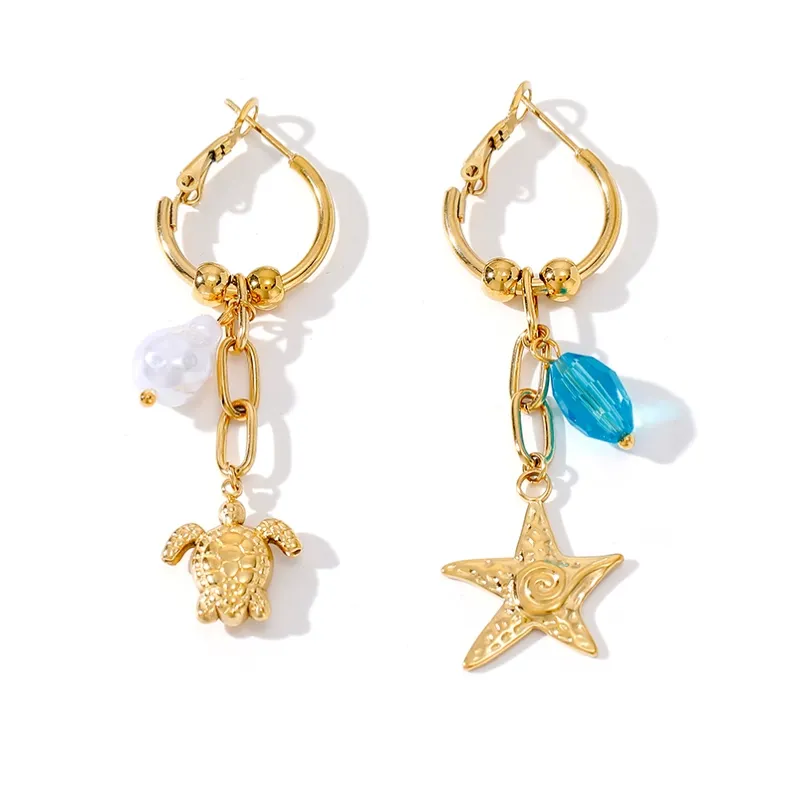
A curated ear is a planned composition of earrings across multiple piercings — an anchor piece at the first lobe, supporting pieces up the ear, and a deliberate mix of studs, hoops and cuffs that reads as one design instead of a random collection. The look works with two piercings or eight, and stainless steel is the ideal material to build it with: durable, water-friendly, affordable, and available in every shape a layered layout needs. Here is how to layer earrings, zone by zone.
What Is a Curated Ear?
The term describes intention, not quantity. Anyone can accumulate earrings; a curated ear means every piercing has a role — one anchors, others support, and the arrangement stays balanced in size, spacing and tone. Several well-chosen small earrings create more character than one large piece, so learning how to layer earrings is really learning to build an ear over time.
Takeaway: curated means every earring has a job — anchor, support or accent — not simply "more earrings."
Start With a Map: Lobe to Cartilage
A curated ear is planned by zone, moving from the soft lobe at the bottom to the cartilage rim at the top:
Zone | Piercing position | Role in the layout | Best piece types |
|---|---|---|---|
First lobe | The standard, bottom-most spot | Anchor — the visual starting point | Statement stud or bold hoop |
Second and third lobe | Stacked above the first | Support — bridges toward cartilage | Small studs, tiny hoops, huggies |
Helix | Outer cartilage rim | Accent — frames the silhouette | Slim hoop or flat stud |
Forward helix | Cartilage above the tragus | Accent — echoes the lobe stack | Tiny studs |
Flat | Center of the upper cartilage | Accent — fills open space | Flat-backed stud |
Conch | Inner cartilage shell | Depth — in the ear's curve | Small hoop or stud |
Tragus | Small flap over the ear canal | Punctuation — finishing detail | Tiny stud |
Not every ear needs every zone. The classic three-piece stack — first lobe, second lobe, helix — is the most common curated layout and the easiest to style. Spacing is planned at the piercing studio: lobe positions need enough gap for earrings to sit without touching.
Takeaway: plan by zones — anchor at the first lobe, support above, accents in cartilage — and let anatomy decide how many zones to fill.
The Building Blocks: Studs, Hoops, and Cuffs
Three piece types do all the work in a curated ear:
Piece type | What it contributes | Layering tips |
|---|---|---|
Studs | Structure and anchors; the workhorse | One statement stud at the first lobe; smaller studs ascending |
Hoops | Movement, line and light | Graduate sizes downward moving up the ear |
Huggies | Small, snug hoops that fill tight gaps | Ideal in second and third lobes, where space is tight |
Ear cuffs | A piercing-free accent that clips onto cartilage | Preview a cartilage zone before piercing |
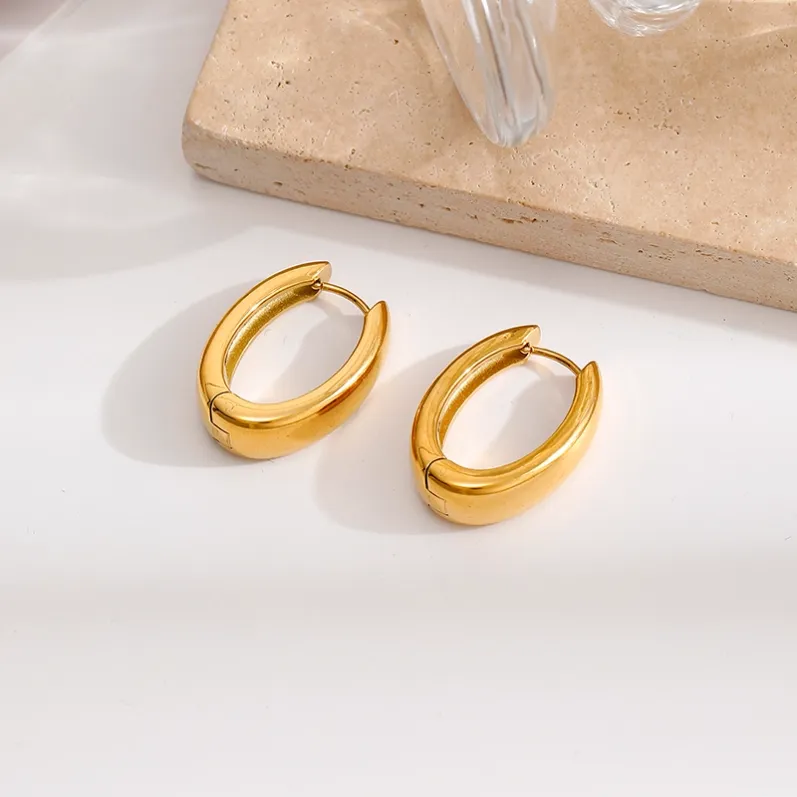
Stainless steel covers all four categories comfortably — a full stack in steel costs a fraction of precious-metal versions, and consistent finishes make stacking look intentional. For warmth, PVD 18K gold plated steel pieces slot in as the contrast piece, with the honest caveat that plated finishes can soften first at high-contact spots over years.
Backs matter once several earrings share an ear: flat-backed labrets sit flush and stay comfortable in cartilage, while butterfly backs do a fine job on lobes. Our earring back types guide explains the options, and our styles guide matches shapes to zones.
Takeaway: studs anchor, hoops draw lines, cuffs fill gaps — every curated ear is some combination of those three jobs.
Three Layering Formulas That Always Work
Formula one: the Classic Stack. A statement stud at the first lobe, small plain studs at the second and third, a slim hoop at the helix. Balanced bottom to top, it works on every ear shape and is the hardest to get wrong.
Formula two: the Graduated Hoop Line. A medium hoop at the first lobe, smaller hoops at the second and third, a tiny hoop at the helix. The shrinking sizes pull the eye upward — clean, modern, and ideal for anyone who finds an all-stud look boring.
Formula three: the Metal Mix. A silver-steel base throughout with exactly one PVD 18K gold plated piece as the accent, usually at the helix or first lobe. A single warm piece reads deliberate; several mixed tones read chaotic. Keep every other finish consistent.
Takeaway: pick one formula, follow it across every zone, and resist adding a fourth idea to a layout that already works.
Building the Look in Stages: A Budget Plan
A curated ear should not be bought or pierced in one trip:
Stage | What to add | Budget note |
|---|---|---|
Stage 1 | First lobes pierced; one quality stud pair bought | The anchor is the piece worth spending on |
Stage 2 | Second and third lobes after healing; small studs, a first hoop | Small support pieces are inexpensive in steel |
Stage 3 | A cartilage piercing, or an ear cuff to test the zone | Cuffs cost little and preview the layout |
Stage 4 | Refine: swap sizes, add a huggie, introduce one plated accent | Editing, not accumulating |
Healing sets the pace. Earlobes typically settle within a couple of months; cartilage piercings take longer — often six months or more — and jewelry in a healing piercing should never be swapped early. Spreading purchases across healing stages means no single month carries the whole cost. Comfort matters too: lightweight steel studs and slim hoops keep the total load light, and anyone whose ears have reacted to jewelry before should read our earrings for sensitive ears guide first.
Takeaway: build the ear across healing stages — anchor first, supports second, accents last — and let the months between piercings fund the collection.
While You Layer: Simple Care Habits
Fresh piercings need clean, dry, undisturbed healing — follow your piercer's aftercare and leave starter jewelry in place until healed. Healed stacks stay low-effort: a quick wipe after sweaty days, an occasional mild-soap wash, full drying after water contact. Store rotated pieces in separate pouches so hoops do not scratch studs — a full curated steel stack cleans in minutes.
Takeaway: heal first, then layer — and once healed, steel's wipe-and-dry routine keeps a full stack bright with almost no effort.
Frequently Asked Questions
Quick answers on how to layer earrings for a curated ear.
How many piercings does a curated ear need?
There is no minimum. Two piercings — a statement stud at the first lobe and a small hoop at the second — already read as curated if the pieces relate to each other. Three to five piercings per ear is the most common range, filling the lobe stack and one cartilage zone.
Can I get the curated look without more piercings?
Yes, partly. Ear cuffs clip onto the cartilage rim with no piercing and are the standard workaround for testing upper-ear zones before committing. Within existing piercings, changing piece types restyles the layout: swapping a stud for a hoop makes the same hole read completely differently. The lobe stack generally does need real piercings.
How long should I wait between new piercings?
Wait until each piercing is fully healed before adding the next in the same ear — typically a couple of months for lobes and six months or longer for cartilage. Piercing several adjacent lobe holes in one session is possible, but adding new zones should follow healing, not the calendar. Your piercer confirms readiness.
Do all the earrings in a stack need to match?
No — they need to relate, not match. Consistent metal tone is what makes stacks look intentional, so keep finishes uniform: all silver-tone steel, or steel with one PVD 18K gold plated accent. Shapes should vary — that is the point of layering. A row of identical studs looks unfinished; a varied stack looks composed.
Does a curated ear work on one side only?
Yes, and asymmetric curation is a legitimate style — one detailed ear, the other wearing a single stud or nothing at all. It suits people who want impact without doubling the cost and healing time. Symmetrical layouts read more classic and formal; single-side layouts read more editorial. The zone planning rules stay the same.
Wholesale Stainless Steel Jewelry from IVANDA
Looking for a reliable stainless steel jewelry supplier? IVANDA supplies 316L pieces with PVD 18K gold plating - waterproof, skin-friendly and made for everyday wear. MOQ 60 pcs per style, in stock and ready to ship, with OEM/ODM services for custom designs. Message us on WhatsApp or email sales01@ivanda-fa.com for the latest catalog and wholesale prices.