Oct 24, 2026
How to Mix Metals in Your Jewelry Collection
How to mix metal jewelry without clashing: the 70/30 rule, finish matching, five starter stacks and layering tips for gold-tone and silver-tone pieces.
Mixing metals is no longer a styling mistake — it is the move that makes a small collection look deliberate instead of matched by accident. Once you know how to mix metal jewelry, you stop needing a gold set and a silver set for every outfit, and your whole jewelry box starts working as one wardrobe.
The rules are fewer than you think. This guide covers choosing a dominant metal, why finish matters more than color, and five starter combinations that work on the first try.
Why the "One Metal Only" Rule Is Outdated
The matching rule made sense when jewelry came in sets; it makes no sense now that most people wear a watch and pieces from different years at once.
The old advice dates to parures — matched necklaces, earrings and bracelets bought as a set. Modern dressing is different: a watch with one strap color, a ring bought on a trip, a necklace from a gift. Insisting that every piece share one metal means most of your collection stays in the box. Stylists have quietly ignored the rule for years, which is why our guide to mixing gold and silver jewelry like a stylist reads less like a rebellion and more like the normal way dressing works now. The goal is not randomness — the mix still follows a structure, and the two rules below are it.
Start with a Dominant Metal
Aim for roughly 70/30: one metal leads the look, the other shows up as a supporting note.
A balanced mix needs a hierarchy, or the stack reads as indecision rather than intent. Pick the metal that matches most of your collection or the piece you refuse to take off — that is your 70 percent — and let the second metal appear in one or two smaller pieces. On a wrist, that might mean a silver-tone bangle and watch with a single gold-tone chain bracelet tucked between them; around the neck, a gold-tone pendant on an otherwise silver-tone stack does the same job. The dominant metal anchors the eye; the accent adds the dimension. Flip the ratio and the effect still works — what breaks the look is a 50/50 split where neither metal is clearly in charge.
Match Finishes Before Colors
Two metals with the same finish look coordinated; two metals with clashing textures look like a mistake — polish is the glue of a mixed stack.
Color temperature gets all the attention, but finish is what actually decides whether a mix reads as intentional. Warm gold-tone and cool silver-tone metals sit together easily when their surfaces agree: polished with polished, brushed with brushed, textured with textured. A high-shine gold-tone hoop beside a matte, hammered silver cuff creates friction the eye registers as clutter, while the same two colors in matching polish look designed.
This is also where stainless steel has a quiet advantage. Steel takes an even, consistent polish across every piece, and its gold-tone versions — finished with PVD 18K gold plating — carry the same surface character as the silver-tone ones, so a mixed stack stays coherent. Mixed-metal pieces also make forgiving gifts, since a two-tone design slots into almost anyone's existing collection — which is why they feature in our guide to what jewelry to gift, by person and occasion.
Five Starter Combinations That Always Work
Each of these combos uses the same formula — one anchor, one accent, nothing competing.
Combo | The pieces | Why it works |
|---|---|---|
Everyday wrist | Silver-tone bangle + thin gold-tone chain bracelet + watch | Watch sets the dominant metal; the accent sits between, not against |
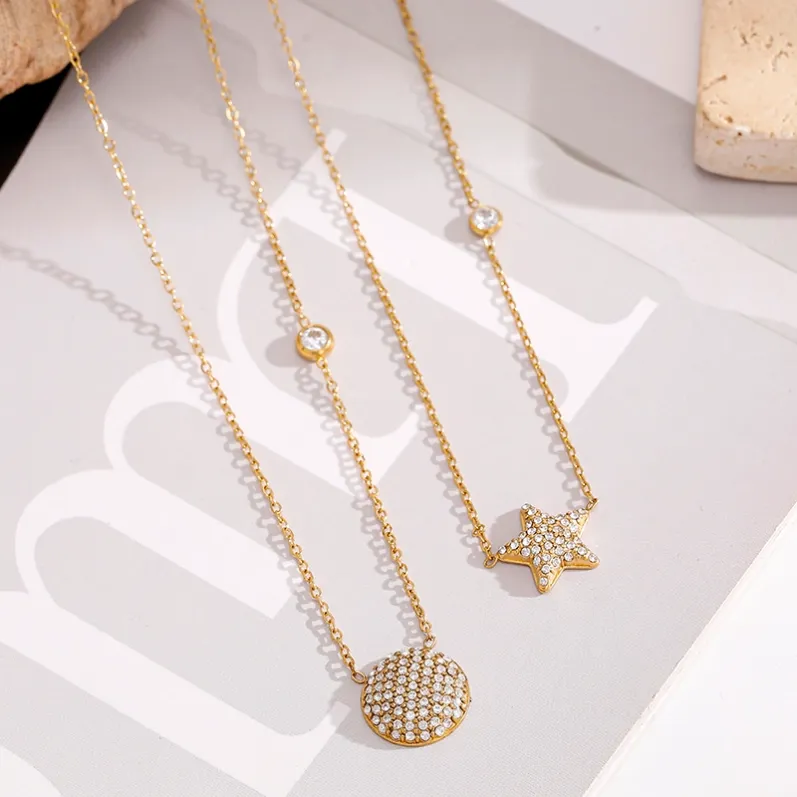
Neckline pair | Thin silver-tone cable chain + slightly thicker gold-tone pendant chain | Width separates the two metals before color even comes into play |
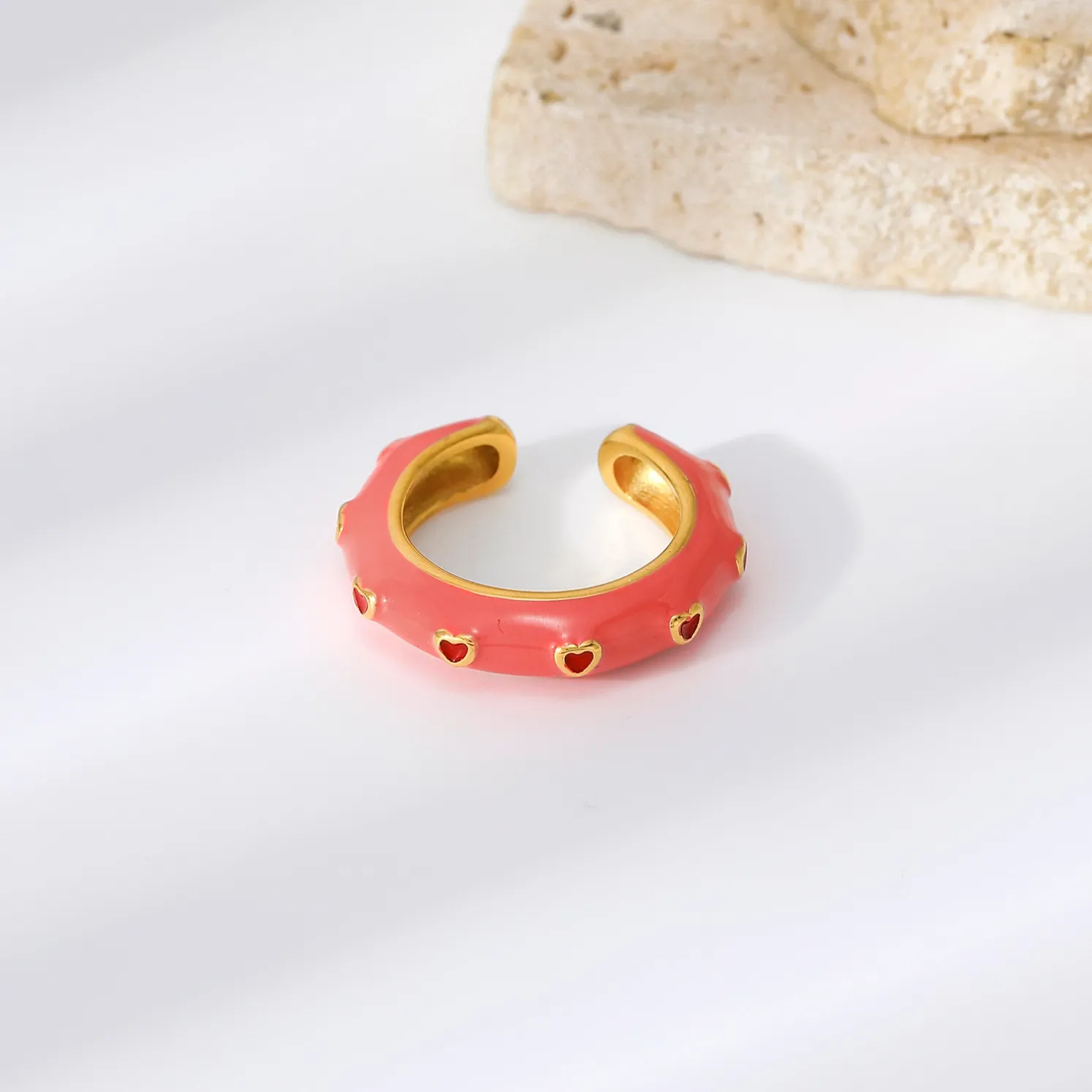
The single-piece mix | One two-tone ring or bracelet | The compromise is built into the piece — nothing to coordinate |
Mismatched earrings | One gold-tone hoop, one silver-tone stud | Deliberate asymmetry; keep both the same finish level |
Anchor and accent | All silver-tone stack + one gold-tone signet ring | The lone warm piece draws the eye on purpose |
Start with whichever combo matches the jewelry you already own most of. The two-piece combos teach the logic fastest: once you can see the anchor and the accent, adding a third piece is just repeating the same decision at smaller scale.
Layering Mixed-Metal Necklaces
Vary the lengths first, the widths second and the metals third — in that order.
Layering is where mixed metals earn their keep, because each chain separates visually before the colors ever touch. Set the base rule: no two chains at the same length, with roughly two fingers of drop between them so each reads as its own line. Then vary the widths — a thin chain beside a thick one looks styled even when the colors are identical. Only after length and width are settled do the metals take turns: gold-tone on the shortest layer to frame the face, silver-tone below, or the reverse if silver is your dominant. Our necklace chain length guide maps the standard lengths, which takes the guesswork out of the stack. Cap it at three chains for daytime; four or five works only when every other variable stays calm.
Keep the Finish Looking Its Best
Mixed stacks rub, and rubbing is what ages a plated finish — store pieces apart and the color lasts for years.
The honest maintenance note on any gold-tone piece: the color comes from a PVD 18K gold plated layer, and years of daily friction against skin, sleeves and desk edges will gently mellow it rather than keep it factory-bright forever. The steel underneath stays sound; the tone simply softens with wear. Two habits slow that down: store pieces so they do not grind together in a drawer, and give the stack a quick rinse and soft-cloth dry after salty days. Rotation helps too — daily wear is what compounds the friction.
Frequently Asked Questions
Short answers to the questions that come up when mixing metals for the first time.
Is it OK to mix gold and silver jewelry?
Yes — it is standard styling now, not a fashion risk. The mix reads as intentional when one metal dominates and the finishes agree: polished next to polished, brushed next to brushed. Start with a two-piece stack and the logic becomes obvious fast. Total matching was the old formalwear rule; coordinated contrast is the current one.
Which metal should be the dominant one?
Whichever matches the majority of your collection, your watch strap or the piece you never remove — that piece is your anchor whether you planned it or not. If everything you own is silver-tone steel, a single gold-tone accent adds warmth without a wardrobe change. If gold-tone leads, let silver appear in one slim supporting piece. The 70/30 split works either way; 50/50 splits read as undecided.
Can I mix metals when I wear a watch?
You can, and the watch usually settles the argument: treat its case and hardware as your dominant metal, then stack around it. A silver-cased watch with a thin gold-tone bracelet on the same wrist is one of the easiest mixed looks there is. If the watch itself is two-tone, it is doing the mixing for you — echo both of its metals once each and stop there.
How many pieces are too many when mixing metals?
The limit is not the metal count, it is the visual noise. Two or three mixed pieces on a wrist or neckline read as styled at almost any combination; past four, keep the widths and finishes quiet so the metals stay the main event. If you keep catching your own eye with the stack in a mirror, that is the honest signal to remove one piece — intention beats volume.
Does mixing metals damage the jewelry?
Not chemically — steel and its plated finishes do not react with each other the way dissimilar metals can in industrial settings. The real wear is mechanical: pieces worn in the same stack rub surfaces together, and that friction is what gradually dulls a PVD 18K gold plated finish over the years. Space the pieces so they do not grind, store them separately, and mixed wear costs you nothing extra.
Wholesale Stainless Steel Jewelry from IVANDA
Looking for a reliable stainless steel jewelry supplier? IVANDA supplies 316L pieces with PVD 18K gold plating - waterproof, skin-friendly and made for everyday wear. MOQ 60 pcs per style, in stock and ready to ship, with OEM/ODM services for custom designs. Message us on WhatsApp or email sales01@ivanda-fa.com for the latest catalog and wholesale prices.