Nov 1, 2026
Stainless Steel vs Silver Plated: Key Differences
Stainless steel vs silver plated jewelry compared: durability, water exposure, tarnish, care and which metal suits daily wear or occasional pieces.
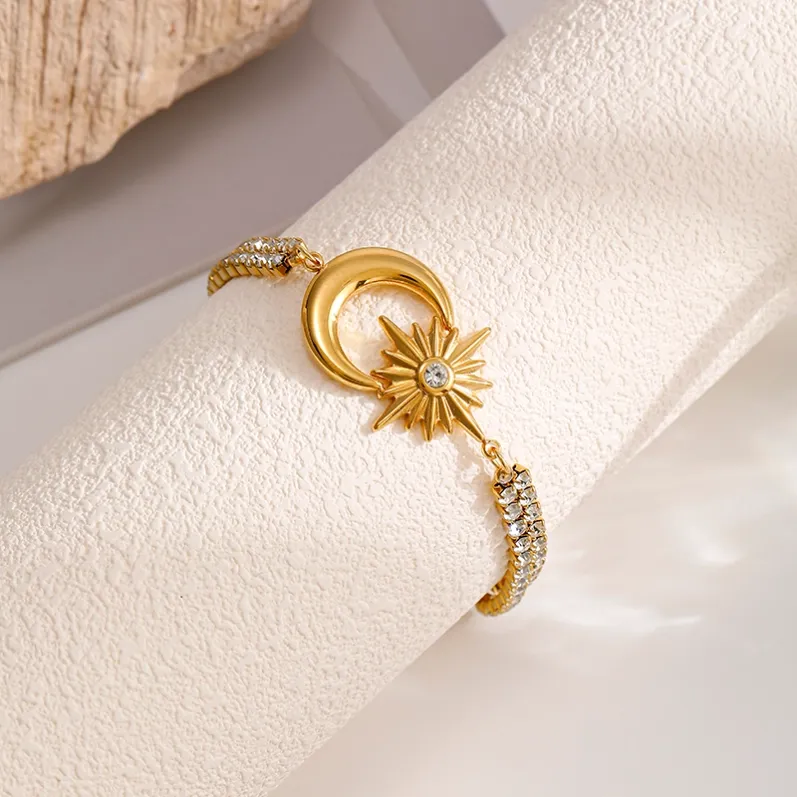
Stainless steel vs silver plated is really a comparison between two different constructions: stainless steel is a solid alloy all the way through, while silver plated jewelry is a very thin layer of silver bonded over a base metal core. That single difference drives everything else — how each material ages, how it handles water and sweat, and how much care it demands over the years.
Both materials have a place in a jewelry collection — the right choice depends on how often you will wear the piece, what conditions it will live through, and how much maintenance you accept. Here is the breakdown.
Stainless Steel vs Silver Plated at a Glance
Feature | Stainless steel (316L) | Silver plated |
|---|---|---|
Construction | Solid alloy throughout | Thin silver layer over a brass or copper core |
Water and sweat | Handles daily exposure well | Should stay dry; moisture speeds up wear |
Tarnish | Does not rust or tarnish in normal wear | Tarnishes and wears thin over time |
Scratches | May scratch, same color underneath | Scratches reveal the base metal beneath |
Care needed | Occasional wash and dry | Regular gentle polishing, careful storage |
Daily-wear lifespan | Many years | Surface wears down first at edges and high points |
The short version: stainless steel is built for daily, low-maintenance wear, while silver plated pieces are more delicate and need you to actively protect a thin surface layer.
What Silver Plated Actually Means
Silver plated jewelry is a finish, not a solid material — and that finish is only microns thick.
Silver plated jewelry starts with a base metal core — commonly brass or copper — passed through an electroplating bath, where electricity deposits a silver layer measured in microns rather than millimeters.
That gives you the bright white-silver look of solid silver at a fraction of the weight — but the layer wears. Friction, skin chemistry, sweat and humidity slowly strip silver from the surface, starting at ring edges, rubbing chain links and the backs of earrings, until the base metal shows through as dull grey or brassy patches.
None of this makes plated jewelry a bad buy — well-made pieces stay lovely for years of occasional wear. It simply means the surface is something you protect, not take for granted.
What Makes Stainless Steel Different
Quality stainless steel is the same metal all the way through, protected by an invisible film that repairs itself.
Jewelry-grade stainless steel is usually 316L, a low-carbon alloy developed for demanding uses like marine fittings. Its defining feature is chromium: enough of it that oxygen in the air forms an invisible chromium oxide film over the surface. That film blocks rust and discoloration, and it instantly reforms over any fresh scratch.
Because color runs all the way through, a scratch is only a scratch — the metal beneath looks identical, with nothing to wear off. If you have ever squinted at the marks inside a ring or clasp, our guide to what 316L means on jewelry stamps explains the codes piece by piece.
Durability: How Each Material Ages
Silver plated jewelry ages by losing its surface; stainless steel ages by collecting small scratches on a surface that never changes color.
Silver plating has a countdown built into its construction: every wear and every polish removes a little more of the layer, and once it wears through at the high points, the only fix is professional re-plating — a workshop job, not a home one.
Stainless steel ages differently: fine scratches from keys, desks and gym equipment read as gentle texture, not damage. Pieces worn daily for years still look like the same piece — which is why steel dominates constant-wear categories like chains, studs and band-style rings.
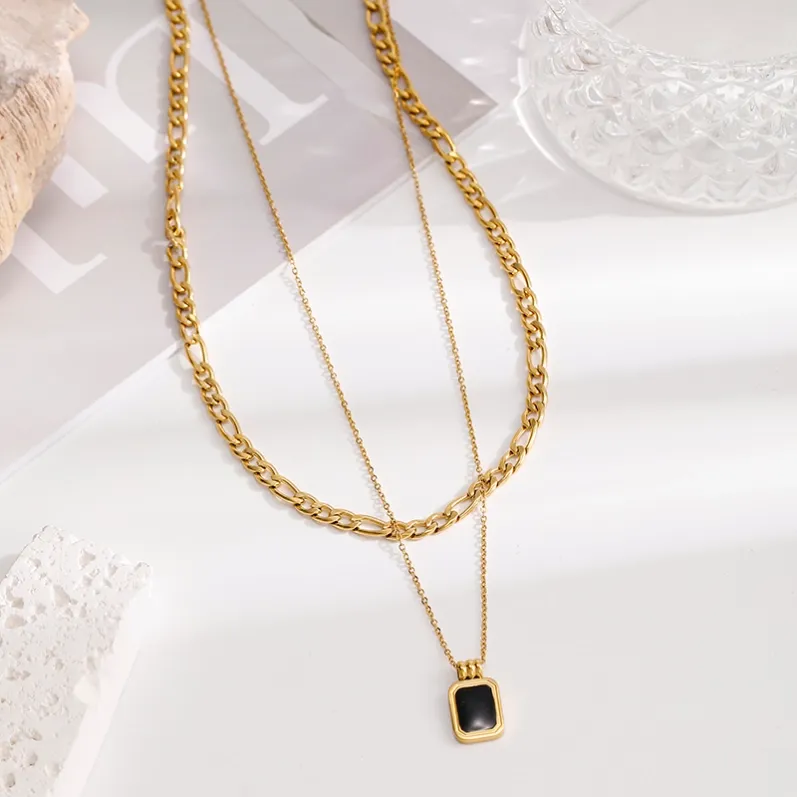
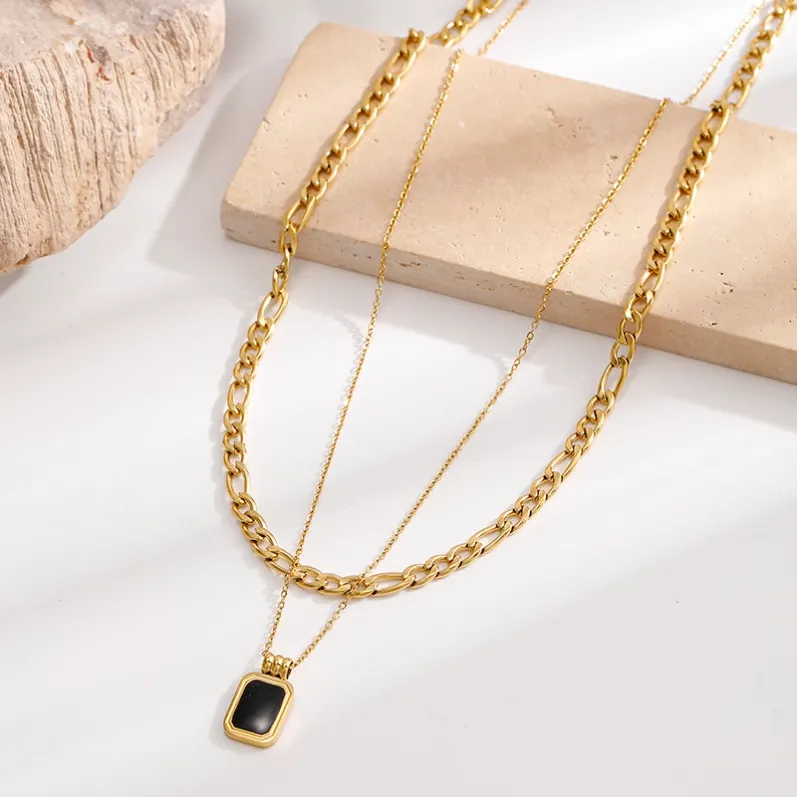
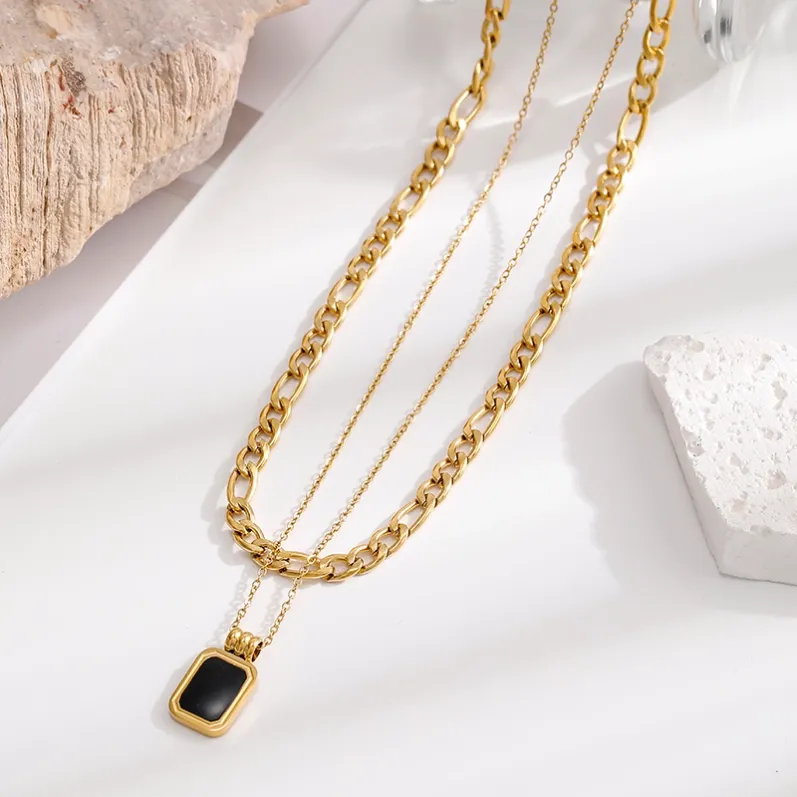
For gold-tone looks, quality stainless steel comes with a PVD 18K gold plated finish, bonded at the molecular level rather than dipped. It outlasts traditional dip plating by years — but honesty matters: even a well-bonded PVD 18K gold plated finish can gradually lighten after years of hard wear on high-friction pieces. Durable, yes. Immortal, no.
Water, Sweat and Everyday Wear
Water is where the gap between the two materials is widest — stainless steel shrugs off showers and workouts, while silver plated jewelry ages fastest in exactly those conditions.
Silver and moisture are a poor match: water, chlorine and salt accelerate both tarnish and wear of the thin layer — hence the plated-care ritual of jewelry off before washing, on after skincare. Sweat keeps up that work around the clock at the gym.
Stainless steel's protective film does not depend on staying dry. 316L was engineered for wet, harsh environments, and in practice that means studs stay in for a workout, a chain survives the rain, and a ring gets washed with soap and water without a restoration plan. An occasional rinse and a thorough towel dry are the entire routine.
Tarnish, Cleaning and Long-Term Care
Silver plated jewelry needs polishing as part of its routine; stainless steel needs nothing more than an occasional wash with mild soap and warm water.
Tarnish on plated pieces is a chemical reaction between sulfur compounds in the air and the silver layer itself. Polishing removes it, but every pass can remove a little plating too — a slow trade between shine and lifespan.
Stainless steel can dull from soap film, sunscreen or hard-water spots, but that is residue sitting on the surface, not tarnish. Warm water, a drop of mild soap and a soft cloth bring back the shine; a soft toothbrush clears grime around settings and clasps. Our guide on how to clean tarnished stainless steel jewelry covers the full routine.
Care task | Stainless steel | Silver plated |
|---|---|---|
After water exposure | Towel dry | Dry at once, store away from humidity |
Routine cleaning | Mild soap and water | Polishing cloth, gentle products only |
Storage | Any dry spot | Anti-tarnish pouch, kept separate |
Recovering shine | Quick wash | Re-polish, or re-plating once worn through |
Which One Should You Choose?
Choose silver plated when you want the classic bright-silver look for occasional wear and enjoy caring for pieces; choose stainless steel when the piece will live on your body through showers, workouts and travel.
- Daily signature jewelry — chains, studs, rings you never take off: stainless steel, without hesitation.
- Occasion pieces — earrings worn a few evenings a month: silver plated is entirely reasonable with careful storage.
- Travel and gym jewelry — anything that stays on through sweat, pools and packing cubes: stainless steel.
- Gifts meant for daily wear — a piece should outlast the moment it marks, which favors solid 316L construction.
Frequently Asked Questions
Quick answers to the questions we hear most often about these two materials.
Does stainless steel tarnish like silver plated jewelry?
No — that is the fundamental difference. Stainless steel's chromium oxide film blocks the oxidation that causes tarnish, so it keeps its color through daily wear, showers included. Silver plated jewelry tarnishes because its surface is genuine silver reacting with sulfur in the air, and the thin layer gradually wears away to reveal the base metal underneath.
Is stainless steel better than silver plated for earrings?
For earrings worn every day, most people find stainless steel more practical: it tolerates shower water, sweat and perfume without discoloring. Silver plated studs look lovely but age quickly at the post and backing, where friction and skin contact concentrate. For special-occasion earrings worn occasionally and stored carefully, silver plated remains a perfectly fair choice.
Can I shower with stainless steel jewelry?
Yes. 316L stainless steel is unaffected by soap, shampoo and warm water in normal use. Pat it dry afterward to prevent water spots and soap film, which can dull the surface slightly over time. The same shower test is exactly what silver plated jewelry fails fastest, which is why plated pieces should always come off before you wash.
Can silver plated jewelry be restored once it wears through?
Only by re-plating. Once the silver layer has worn through to the base metal, home polishing cannot bring the original surface back — you would simply be polishing the base metal showing through. Professional jewelers can strip and re-plate a piece in a workshop. For everyday plated pieces, replacing the jewelry often makes more sense than restoring it.
How long does silver plating last on jewelry?
It depends on plating thickness and how often the piece is worn. Rings and chains, which rub against skin, clothing and each other, wear through fastest; earrings stored in a box between wears can keep their finish for years. There is no fixed lifespan, but daily wear on high-friction pieces thins plating noticeably faster than occasional wear does.
Wholesale Stainless Steel Jewelry from IVANDA
Looking for a reliable stainless steel jewelry supplier? IVANDA supplies 316L pieces with PVD 18K gold plating - waterproof, skin-friendly and made for everyday wear. MOQ 60 pcs per style, in stock and ready to ship, with OEM/ODM services for custom designs. Message us on WhatsApp or email sales01@ivanda-fa.com for the latest catalog and wholesale prices.