Oct 26, 2026
Is Stainless Steel Jewelry Waterproof? Testing the Claims
Is stainless steel jewelry waterproof? We test 316L steel and PVD 18K gold plated pieces against showers, pools, ocean and sweat — with honest limits.
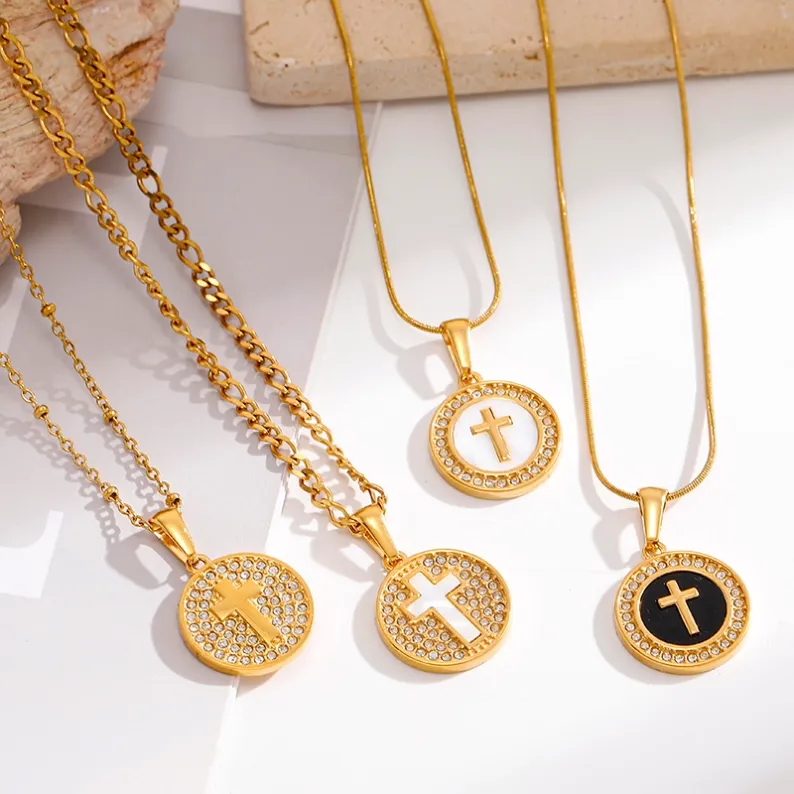
"Waterproof" is the most repeated promise in stainless steel jewelry marketing, and the honest version is this: the steel itself genuinely does not mind water, while the finish, the small components and your daily habits decide how a piece ages.
Between the product page and the swimming pool, the meaning of "waterproof" gets stretched — some sellers mean a piece survives a rainy commute, others imply you can live in it year-round. Buyers will ask about it directly, so this guide tests the claim scenario by scenario and separates what 316L stainless steel actually does from what marketing wishes it did. For the wider background, our guide to what waterproof jewelry is and whether it lasts covers the terminology in depth.
What "Waterproof" Actually Means for Jewelry
In strict technical use, "waterproof" describes something that can be submerged indefinitely with nothing getting through — a standard that belongs to dive watches with sealed cases. Jewelry almost never meets that bar, and honest sellers mean something more modest: water-resistant in practice. The piece can get wet, repeatedly, over years, without rusting, discoloring or falling apart.
Claim on the label | What it should mean | The question to ask |
|---|---|---|
Waterproof | Handles everyday water without damage | Does the seller explain the limits honestly? |
Water-resistant | Survives splashes and brief exposure | Is drying after contact recommended? |
Tarnish-free | The base metal will not oxidize in air or water | Does that cover the plating too, or only the steel? |
Sweat-proof | Fine for workouts and daily wear | Is rinsing after the gym suggested? |
The most useful way to read "waterproof" is as shorthand for "handles everyday water without complaint" — not as a promise for every liquid and situation.
How 316L Stainless Steel Behaves in Water
The steel earned its reputation honestly. 316L, the grade most quality jewelry brands use, forms a thin chromium oxide film on its surface — an invisible layer that repairs itself when water arrives instead of letting rust take hold. It is the same family of steel used for marine fittings and kitchen sinks that spend their working lives wet. In practice:
- Tap water, rain and shower steam have no effect on the base metal
- Sweat does not stain or pit it during workouts
- Pool and ocean water leave no permanent mark on bare 316L, although they can dull a plated surface over time
- The steel does not darken, flake or leave green marks the way some base metals do
So when a buyer asks whether the jewelry will rust in the shower, the honest answer about the steel is no; the remaining variables are the finish and the small parts — clasps, jump rings, earring posts — worth checking on low-cost pieces.
The base metal is the easy part of the waterproof claim: 316L stainless steel does not rust, tarnish or darken in ordinary water exposure.
Testing the Claim: Shower, Pool, Ocean and Sweat
Scenario | Bare 316L steel | PVD 18K gold plated finish | Practical verdict |
|---|---|---|---|
Daily shower | Unaffected | Soap film can build up; rinse occasionally | Fine with basic care |
Swimming pool | Unaffected | Chlorine dulls plating over many long sessions | Rinse after swimming |
Ocean swimming | Unaffected | Salt dries into a film that mutes the shine | Rinse with fresh water |
Gym and sweat | No staining or pitting | Mild salt exposure; wipe down after | Fine |
Hot tub | Unaffected | Heat plus chemicals speeds up finish wear | Better to remove it |
Two rows deserve a closer look. Chlorine is mildly aggressive to plated finishes — not because it attacks the steel underneath, but because it works on the coating surface through repeated long exposures. Salt water is similar in effect: harmless to the metal, but it dries into a pale film that steals shine until rinsed away. We cover the first case in our guide to showering with stainless steel jewelry and the second in wearing stainless steel jewelry in the ocean.
Everyday water contact is genuinely fine — the real enemies are the chemicals that ride along with the water, especially chlorine and salt left to dry on the surface.
The Honest Limits of PVD 18K Gold Plated Finishes
Most jewelry sold as waterproof stainless steel is not bare steel. It is 316L finished with PVD 18K gold plating — a process that bonds the plating to the steel at the molecular level, which is why it holds up dramatically better than old-style dipped coatings. Water alone will not wash it off, and normal daily friction barely registers.
An honest guide also states the limits. PVD plating is a coating measured in microns, not solid gold, and it wears on its own schedule:
- Abrasion is the main enemy — a plated chain rubbed daily by a backpack strap, or a ring worn beside a harder metal ring, will dull sooner
- Chlorine, hot tubs and harsh household chemicals accelerate surface wear over the years
- Perfume and cosmetic sprays leave films that make plating look tired long before it actually wears through
- With ordinary wear and basic care, a quality PVD finish keeps its color for years; with constant abuse, no coating survives
A PVD 18K gold plated finish can stay fresh-looking for years of ordinary wear, but it is a coating, not solid gold — friction and chemicals, not water, are what eventually dull it.
How to Test the Claims on a Piece You Already Own
You do not need a laboratory — a week of simple observation tells you most of what matters:
- The water-spot test. Wet the piece, leave it overnight, and check for rust-colored spots in the morning. Real 316L shows none.
- The wear-point check. Look at the back of a pendant or the underside of a ring band, where friction concentrates. A quality finish shows no color change there after months.
- The clasp test. Clasps are the most-handled part of any necklace. If the clasp still matches the chain in color after a season, the plating is doing its job.
A few days of real observation — water spots, wear points, clasp color — tells you more about a piece than any label ever will.
Frequently Asked Questions
Can I shower every day with stainless steel jewelry?
Yes. Bare 316L steel is completely unbothered by shower water, and PVD 18K gold plated pieces handle daily showers as well. The only real buildup is soap film, which slightly dulls the shine over weeks. Rinsing the piece with clean water and patting it dry every so often keeps it looking new.
Will stainless steel jewelry rust in the ocean?
The steel itself will not rust. 316L was engineered for marine environments, which is exactly why the jewelry version handles salt water without pitting or corroding. What salt does is dry into a pale film on the surface, especially over plated finishes, which mutes the shine until rinsed. A quick rinse in fresh water after swimming removes it.
Does PVD gold plating fade in water?
Water by itself does not remove PVD plating, because the bond is molecular rather than a surface dip. What fades it over the years is friction and chemical exposure — chlorine sessions, abrasive cleaning, and constant rubbing against skin, clothing or other jewelry. With ordinary wear and rinse-and-dry care, the color holds for years before wear shows.
Can I swim in a pool every day with stainless steel jewelry?
You can, and bare steel will not suffer at all. For plated pieces, chlorine is the one recurring exposure worth respecting: several long swims a week will dull a finish faster than daily showers would. If you swim often, rinse right after the pool, dry the piece, and keep your most-worn plated chain for land days.
How long does waterproof stainless steel jewelry last?
The steel structure effectively lasts indefinitely — it does not rust or degrade in water. The realistic question is the finish: with everyday wear and basic cleaning, a PVD 18K gold plated surface keeps its color for years before wear appears at high-friction points. Think of the steel as permanent and the finish as long-lasting, protected by your habits.
Short, specific, honest answers do more for buyer confidence than any superlative on a product page.
Wholesale Stainless Steel Jewelry from IVANDA
Looking for a reliable stainless steel jewelry supplier? IVANDA supplies 316L pieces with PVD 18K gold plating - waterproof, skin-friendly and made for everyday wear. MOQ 60 pcs per style, in stock and ready to ship, with OEM/ODM services for custom designs. Message us on WhatsApp or email sales01@ivanda-fa.com for the latest catalog and wholesale prices.