Lab-Created Gemstones in Stainless Steel Jewelry
Lab-created gemstones explained: how they are grown, how they compare with natural stones and simulants, and why they pair so well with 316L steel.
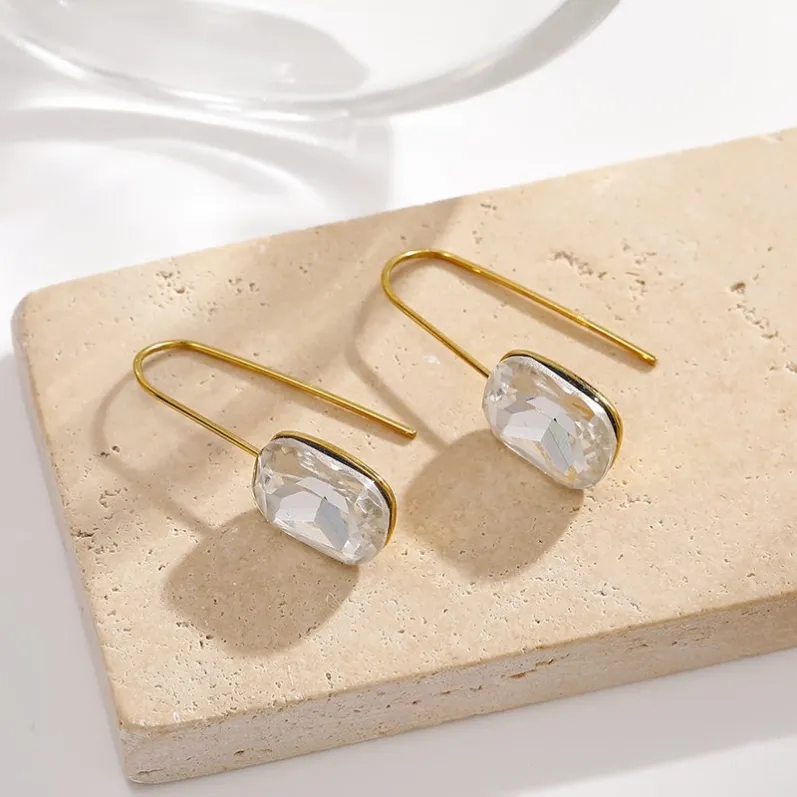
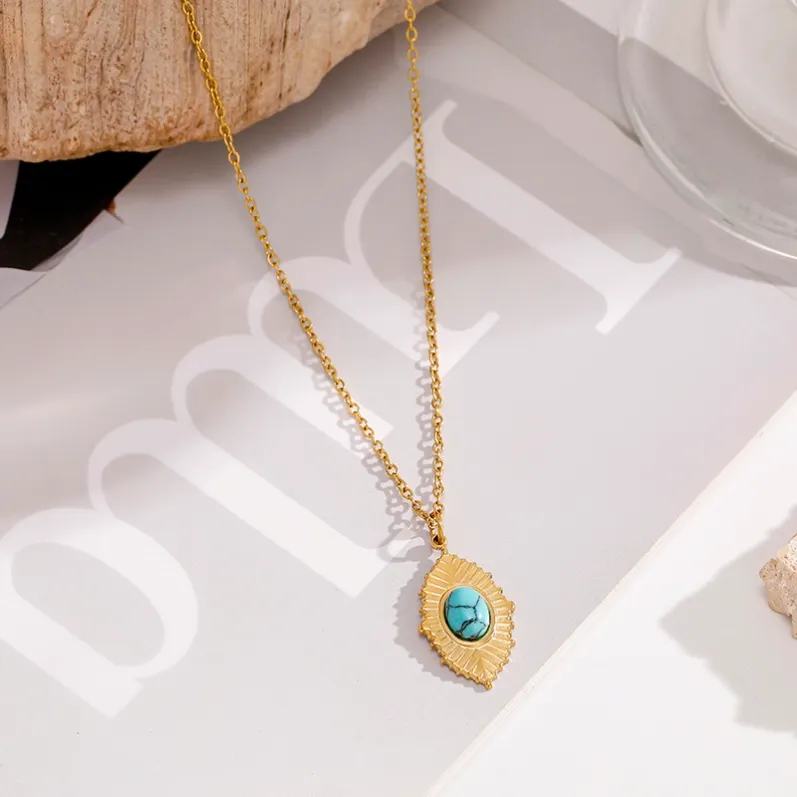
Lab-created gemstones are chemically identical to their mined originals — the only difference is that the crystal grew in a controlled furnace instead of underground over millions of years. Paired with 316L stainless steel, they bring the color, hardness and consistency of fine gems to jewelry that is built for everyday wear.
Whether you are buying for a brand or answering customer questions on a product page, understanding what "lab-created" means — and what it does not — is the difference between confident selling and vague hand-waving. This guide covers the stones, the growth methods, the honest comparisons and the care routine.
What "Lab-Created" Actually Means
A lab-created gemstone is a real crystal, not an imitation. Scientists recreate the temperature, pressure and chemistry under which the stone forms in nature, and the result has the same chemical composition, crystal structure and optical behavior as the mined version. A lab-created sapphire is aluminum oxide, exactly like natural sapphire, and it behaves the same on every gemological test.
The distinction worth holding onto is between synthetic stones and simulants. A synthetic has the same chemistry as its natural counterpart — lab sapphire, lab ruby, lab emerald. A simulant merely looks similar while being a different material: cubic zirconia is a diamond simulant, and moissanite, though a genuine crystal in its own right, is usually sold in that same role.
Lab-created means "same crystal, different origin." When a supplier says a stone is synthetic, that is a statement about chemistry and origin — not about quality, and not a euphemism for plastic.
The Lab-Created Stones You Will See Most
Stone | Mohs hardness | Typical look | Common use in steel jewelry |
|---|---|---|---|
Cubic zirconia | 8–8.5 | Colorless diamond look; every color | Rings, pavé bands, trend pieces |
Moissanite | 9.25 | High-fire, diamond-like | Engagement-style and premium designs |
Lab sapphire | 9 | Deep blue, plus many colors | Everyday rings, September birthstone |
Lab ruby | 9 | Vivid red | Statement pieces, July birthstone |
Lab spinel | 8 | Bright blue, red, pink | Colorful accent stones |
Lab emerald | 7.5–8 | Green, often gently included | Occasion jewelry |
Lab alexandrite | 8.5 | Color-change, teal to red-purple | Novelty and premium designs |
Hardness is the practical filter: stones rated 8 and above survive daily wear in a steel setting, while anything softer belongs in occasional-wear designs. For the two stones that dominate fashion jewelry specifically, our guide to choosing between cubic zirconia and crystal shows where CZ fits best.
Why Stainless Steel and Lab-Created Stones Pair So Well
The pairing works because both materials follow the same design philosophy: maximum durability per dollar. 316L steel resists corrosion, holds a polish through years of wear, and grips a stone far more securely than a soft precious metal — which lets settings stay light and stones sit low without loosening. Hard lab stones, in turn, shrug off the same daily abuse the steel does.
There is also a consistency argument that buyers notice quickly. Mined stones vary from batch to batch, which complicates production planning; lab-grown stones arrive in matched colors and calibrated sizes, so a production run of dozens of pieces looks uniform. For brands working in repeat orders, that consistency is worth nearly as much as the price saving. For the metal side of the story, see what the 316L stamp means on jewelry.
Lab-Created vs Natural vs Simulants: The Honest Comparison
| Lab-created | Natural mined | Simulant (e.g. CZ) |
|---|---|---|---|
Chemistry | Same as the natural gem | The reference point | A different material |
Optical properties | Identical to natural | Identical to lab | Close, not equal |
Inclusions | Minimal and controlled | Natural and unique | Usually flawless |
Relative price | Moderate | Highest | Lowest |
How it is sold | Disclosed as lab-grown | Sold as natural | Sold as an imitation |
A simulant is not a "fake synthetic" — it is a different material with a similar look. Selling cubic zirconia as synthetic diamond would be misrepresentation; selling it honestly as CZ is simply good business.
How Lab-Created Stones Are Grown
Three growth methods cover most of the market. Flame fusion — the Verneuil process — drops powdered chemicals through a hot flame, building crystal layer by layer; it is fast and economical, which is why most corundum (sapphire and ruby) and spinel grow this way. Crystal pulling, the Czochralski method, dips a seed crystal into molten material and draws it slowly upward, producing large, very clean crystals. Hydrothermal growth imitates natural hot-water conditions over weeks and is the method behind most lab emeralds and quartz.
At fashion-jewelry level, the method matters less than buyers assume: a flame-fusion sapphire and a hydrothermal sapphire are both genuine corundum. What actually varies is color grade and cutting quality between manufacturers — so those are the questions worth asking, whichever growth method a supplier uses.
Caring for Lab-Created Gemstone Jewelry
The routine is simple but not optional. Wash in lukewarm water with a drop of mild soap, rinse, and dry with a soft cloth; an occasional soak lifts the skin-oil film that builds up on any worn stone. Ultrasonic cleaners are safe for corundum and moissanite but avoid them for emerald and other stones with internal fissures. Store pieces separately, because a 9-hardness sapphire will happily scratch a softer stone sharing its pouch.
Plated settings deserve one honest caveat. If the piece is PVD 18K gold plated, the coating is substantially tougher than traditional plating — the science is explained in our PVD coating explainer — but it is not permanent. After years of daily wear, particularly on rings and bangles that meet hard surfaces, the finish gradually softens and the steel tone returns. The stones will outlast the color around them; set expectations accordingly.
Hard stones ask for almost nothing; the metal and coating around them ask for respect. Keeping that distinction straight is what keeps a collection looking new for years.
Frequently Asked Questions
Straight answers about lab-created gemstones in everyday jewelry.
Are lab-created gemstones real gemstones?
Yes. Lab-created describes where the crystal grew, not what it is made of. A lab-created sapphire is the same aluminum-oxide crystal as a mined sapphire, with identical hardness and optical behavior. Gemological laboratories can usually tell the origin apart under magnification, but the material itself is genuinely sapphire — which is why disclosure says lab-created rather than imitation.
Do lab-created gemstones fade or change color over time?
No. The color in corundum, spinel and most other lab stones comes from trace elements locked inside the crystal structure, and those do not degrade in light or water. Cubic zirconia can cloud from surface wear rather than true fading, and opals can dehydrate, but lab sapphires, rubies and spinels keep their color indefinitely with basic care.
Which lab-created stone is the most durable for daily wear?
Moissanite leads at 9.25 on the Mohs scale, followed by lab sapphire and lab ruby at 9. All three handle years of daily wear in a steel setting without losing their polish. Cubic zirconia, at 8–8.5, is hard enough for most wear but dulls faster under heavy use. Anything below 8 belongs in occasional-wear designs.
Are lab-created gemstones always cheaper than natural ones?
Usually far cheaper, because supply is not limited by geology, but the gap varies by stone. Lab corundum and spinel are inexpensive; lab emerald and alexandrite cost more because their growth processes are slow and yields are low. Compare like with like — color grade, cut quality and size drive the price within each category, whatever the origin.
Can lab-created stones be set in stainless steel rings?
They are the natural pairing. Steel is hard enough to hold prongs securely, resists corrosion, and costs little enough that brands can put more of the budget into the stones themselves. Match hardness to wear pattern — 9-rated stones for everyday rings, 8-rated cubic zirconia for trend pieces — and the combination holds up for years.
Wholesale Stainless Steel Jewelry from IVANDA
Looking for a reliable stainless steel jewelry supplier? IVANDA supplies 316L pieces with PVD 18K gold plating - waterproof, skin-friendly and made for everyday wear. MOQ 60 pcs per style, in stock and ready to ship, with OEM/ODM services for custom designs. Message us on WhatsApp or email sales01@ivanda-fa.com for the latest catalog and wholesale prices.